

Reihen
- Helenka Součková2 von 3
Parameter
- 280 Seiten
- 10 Lesestunden
Mehr zum Buch
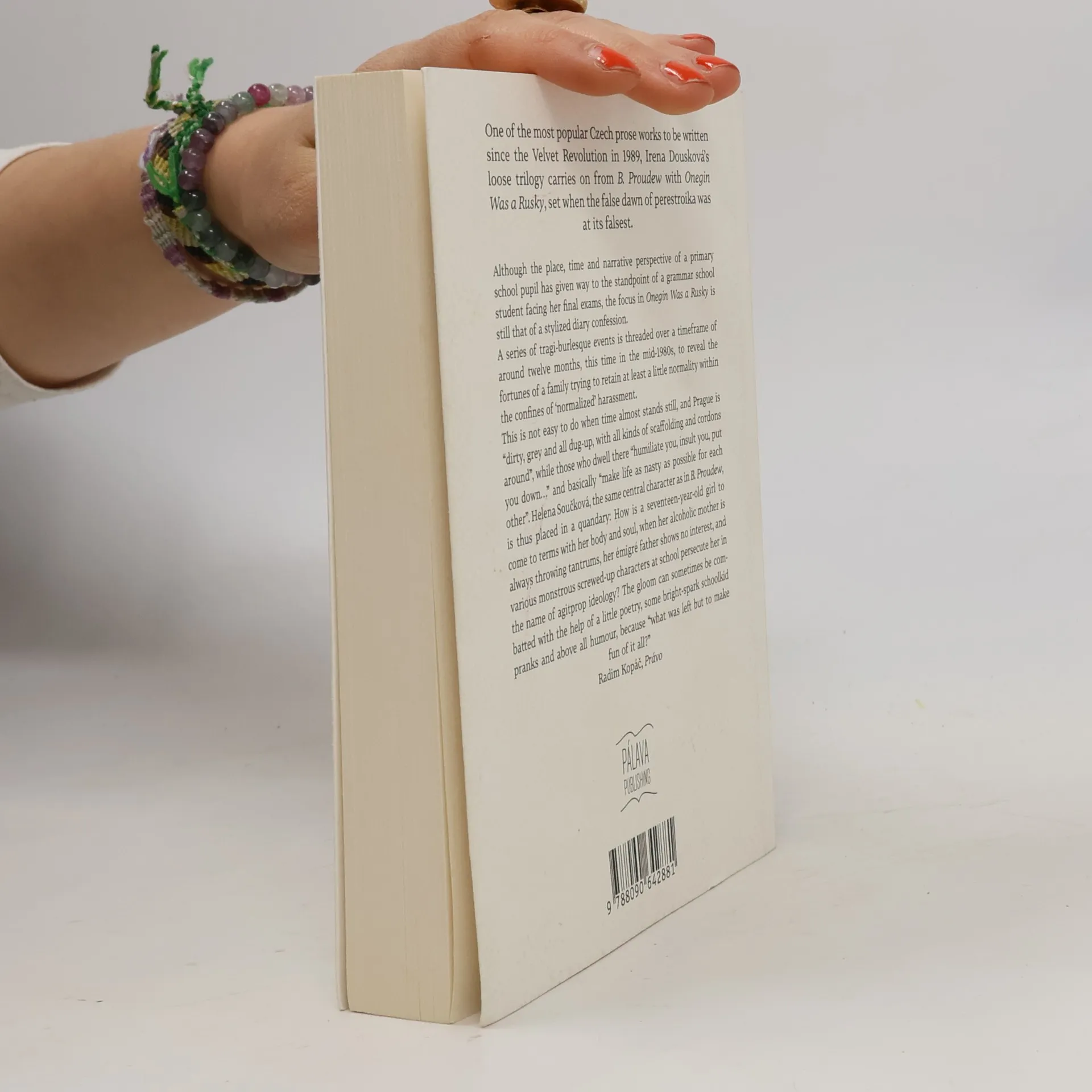
Like B. Proudew, this work is an idiosyncratic autobiography woven into a collective memory of 1980s ‘timelessness’, to quote Václav Havel. In spite of the vetting obstacles placed in her way by the authorities, Helena Součková has succeeded in getting to grammar school. And although the cards fate deals her are difficult to play, she battles gamely to reach an understanding of her inner world and the world of hypocrisy around her. This coming-of- age novel gradually pieces together a mosaic of the era of deep normalization under President Husák, when most citizens of Communist Czechoslovakia did not even dare to think that the downfall of the system was within reach. Its atmosphere of all-pervading absurdity, apathy and bleakness stands in strong contrast to the author’s resourceful humour, which turns out to be one way to deal with a regime and an age of obtusity, indeed obtusity in general. The larger themes of the novel include human liberty, personal responsibility for one’s own behaviour and the quest for moral boundaries, both with regard to the family and the political set-up: totally timeless topics.


Buchkauf
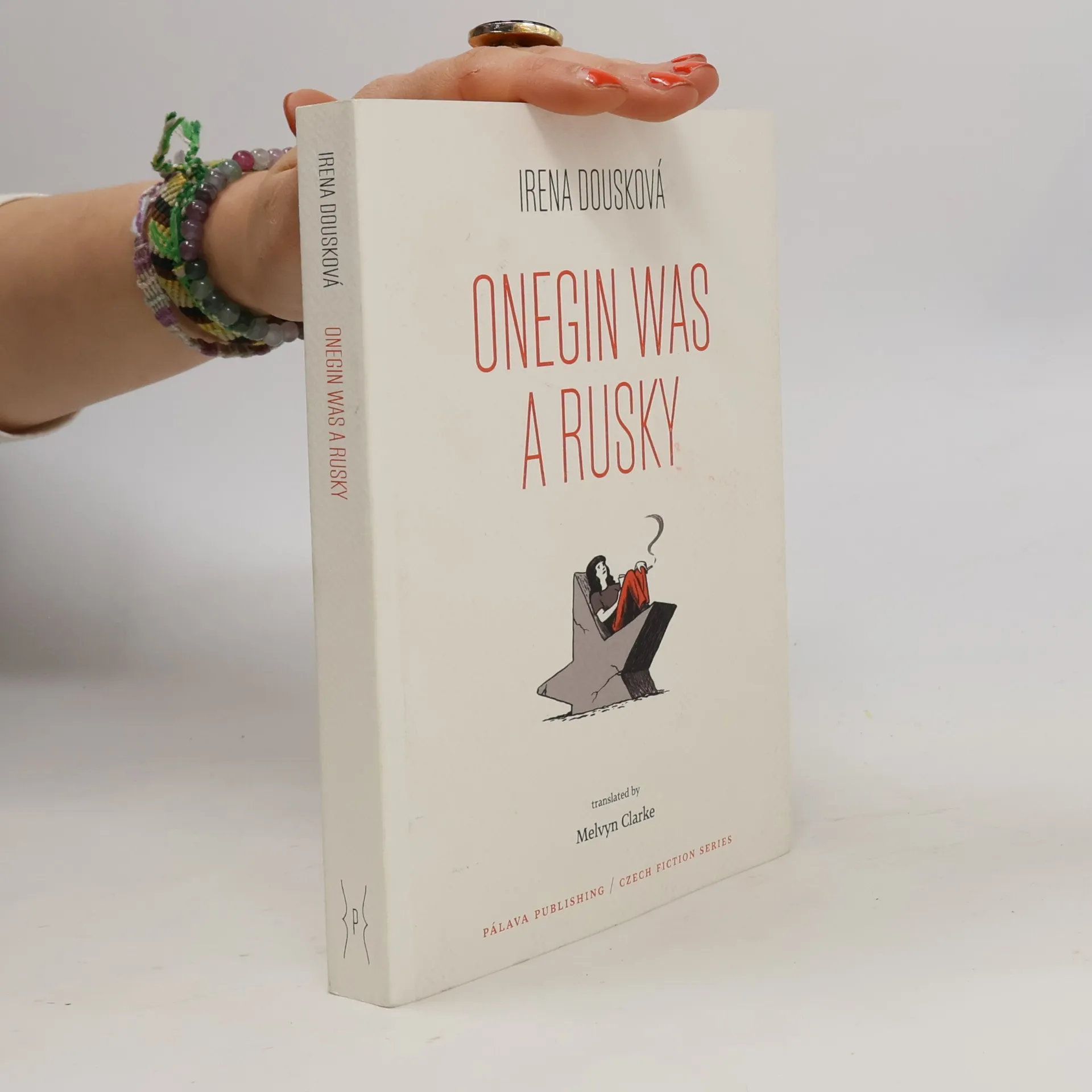
Onegin was a Rusky, Melvyn Clarke, Irena Dousková
- Sprache

- Erscheinungsdatum
- 2018
- Einband
- (Paperback),
- Buchzustand
- Gebraucht - Gut
- Preis
- € 6,89
Hier könnte deine Bewertung stehen.
- Titel
- Onegin was a Rusky
- Sprache
- Englisch
- Autor*innen
- Melvyn Clarke, Irena Dousková
- Verlag
- Pálava Publishing
- Erscheinungsdatum
- 2018
- Einband
- Paperback
- Seitenzahl
- 280
- ISBN10
- 8090642888
- ISBN13
- 9788090642881
- Reihe
- Helenka Součková
- Schlagwörter
- Tschechische Literatur, Humor, Politik, Tschechische & slowakische Geschichte, Erwachsenwerden, Satire, Kommunismus, Tschechoslowakei, Studenten, Normalisierung (1969-1989)
- Bewertung
- 4,35 von 5 Sternen
- Beschreibung
- Like B. Proudew, this work is an idiosyncratic autobiography woven into a collective memory of 1980s ‘timelessness’, to quote Václav Havel. In spite of the vetting obstacles placed in her way by the authorities, Helena Součková has succeeded in getting to grammar school. And although the cards fate deals her are difficult to play, she battles gamely to reach an understanding of her inner world and the world of hypocrisy around her. This coming-of- age novel gradually pieces together a mosaic of the era of deep normalization under President Husák, when most citizens of Communist Czechoslovakia did not even dare to think that the downfall of the system was within reach. Its atmosphere of all-pervading absurdity, apathy and bleakness stands in strong contrast to the author’s resourceful humour, which turns out to be one way to deal with a regime and an age of obtusity, indeed obtusity in general. The larger themes of the novel include human liberty, personal responsibility for one’s own behaviour and the quest for moral boundaries, both with regard to the family and the political set-up: totally timeless topics.