

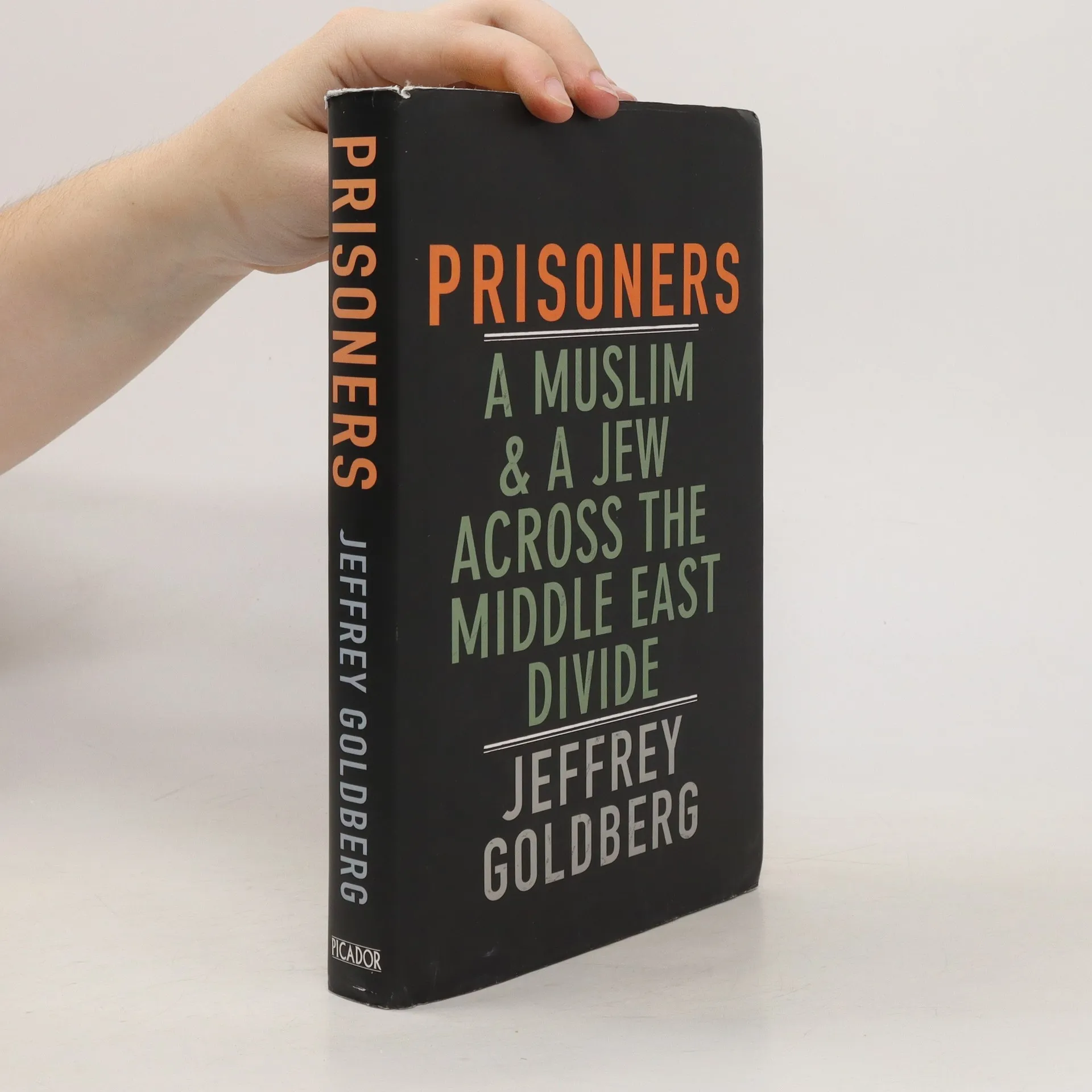


Parameter
- 400 Seiten
- 14 Lesestunden
Mehr zum Buch
Jeffrey Goldberg moved from Long Island to Israel while still a college student. In the middle of the first Palestinian uprising in 1990, the Israeli army sent him to serve as a prison guard at Ketziot, the largest jail in the Middle East. Realizing that among the prisoners were the future leaders of Palestine, and that this was a unique opportunity to learn from them about themselves, he began an extended dialogue with a prisoner named Rafiq. This is an account of life in that harsh desert prison and of that dialogue – the accusations, explanations, fears, prejudices and aspirations each man expressed – which continues to this day. We see how their discussion deepened over the years as Goldberg returned to the States, to Washington, DC, where Rafiq coincidentally became a graduate student, and the political landscape of the Middle East changed. And we see, again and again, how their willingness to confront religious, cultural, and political differences made possible what both could finally acknowledge to be a true, if necessarily tenuous, friendship. Prisoners is a remarkable book: spare, impassioned, energetic, and unstinting in its candour about both the darkness and the hope buried within the animosities of the Middle East.
Publikation

Buchkauf
Prisoners, Jeffrey Goldberg
- Sprache

- Erscheinungsdatum
- 2007
- Einband
- (Hardcover)
Hier könnte deine Bewertung stehen.
- Titel
- Prisoners
- Sprache
- Englisch
- Autor*innen
- Jeffrey Goldberg
- Verlag
- Picador USA
- Erscheinungsdatum
- 2007
- Einband
- Hardcover
- Seitenzahl
- 400
- ISBN10
- 0330488201
- ISBN13
- 9780330488204
- Reihe
- Kategorien
- Schlagwörter
- Historisches Thema, Religiöse Themen, Politik, Jüdische Literatur, Israel
- Bewertung
- 4 von 5 Sternen
- Beschreibung
- Jeffrey Goldberg moved from Long Island to Israel while still a college student. In the middle of the first Palestinian uprising in 1990, the Israeli army sent him to serve as a prison guard at Ketziot, the largest jail in the Middle East. Realizing that among the prisoners were the future leaders of Palestine, and that this was a unique opportunity to learn from them about themselves, he began an extended dialogue with a prisoner named Rafiq. This is an account of life in that harsh desert prison and of that dialogue – the accusations, explanations, fears, prejudices and aspirations each man expressed – which continues to this day. We see how their discussion deepened over the years as Goldberg returned to the States, to Washington, DC, where Rafiq coincidentally became a graduate student, and the political landscape of the Middle East changed. And we see, again and again, how their willingness to confront religious, cultural, and political differences made possible what both could finally acknowledge to be a true, if necessarily tenuous, friendship. Prisoners is a remarkable book: spare, impassioned, energetic, and unstinting in its candour about both the darkness and the hope buried within the animosities of the Middle East.