

Mehr zum Buch
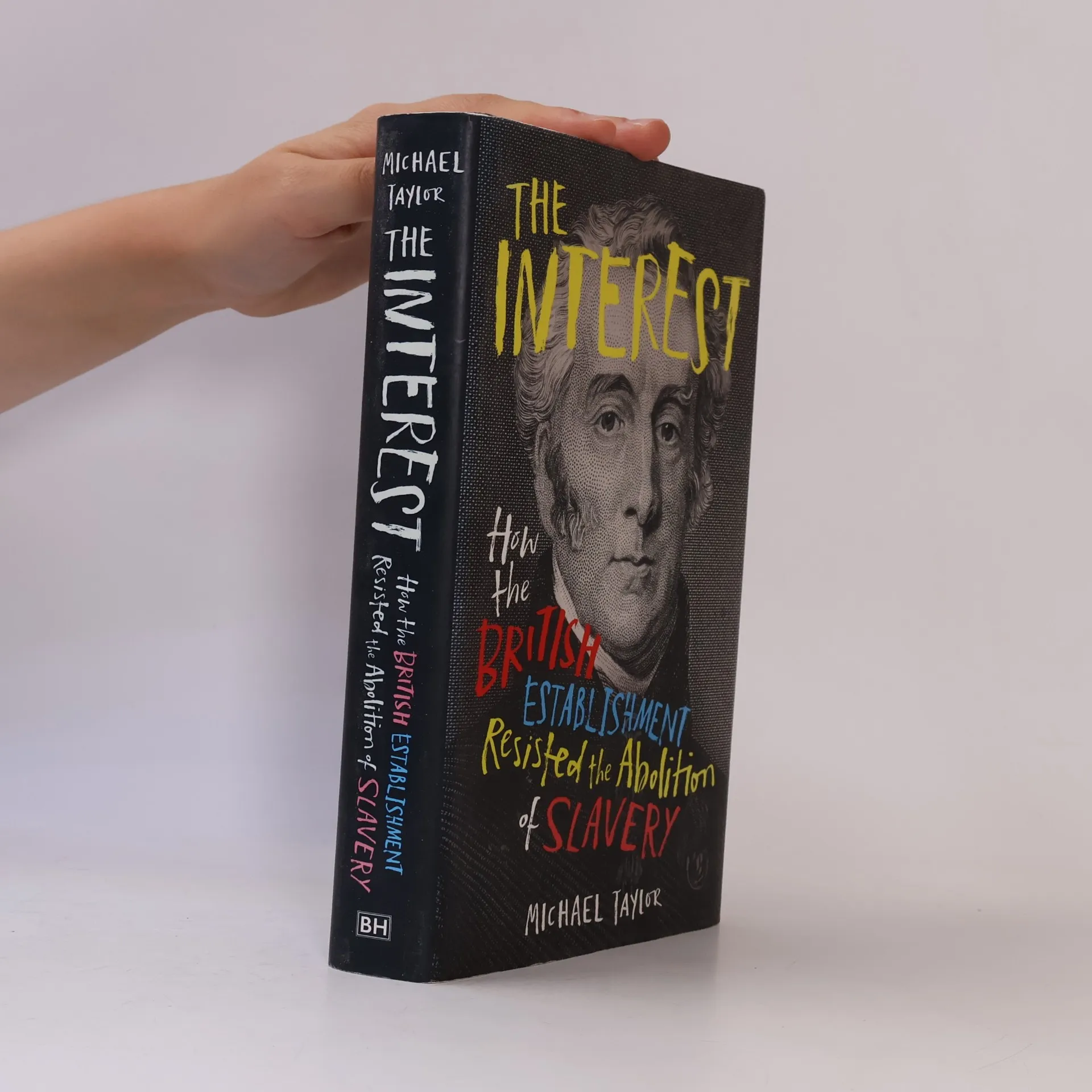
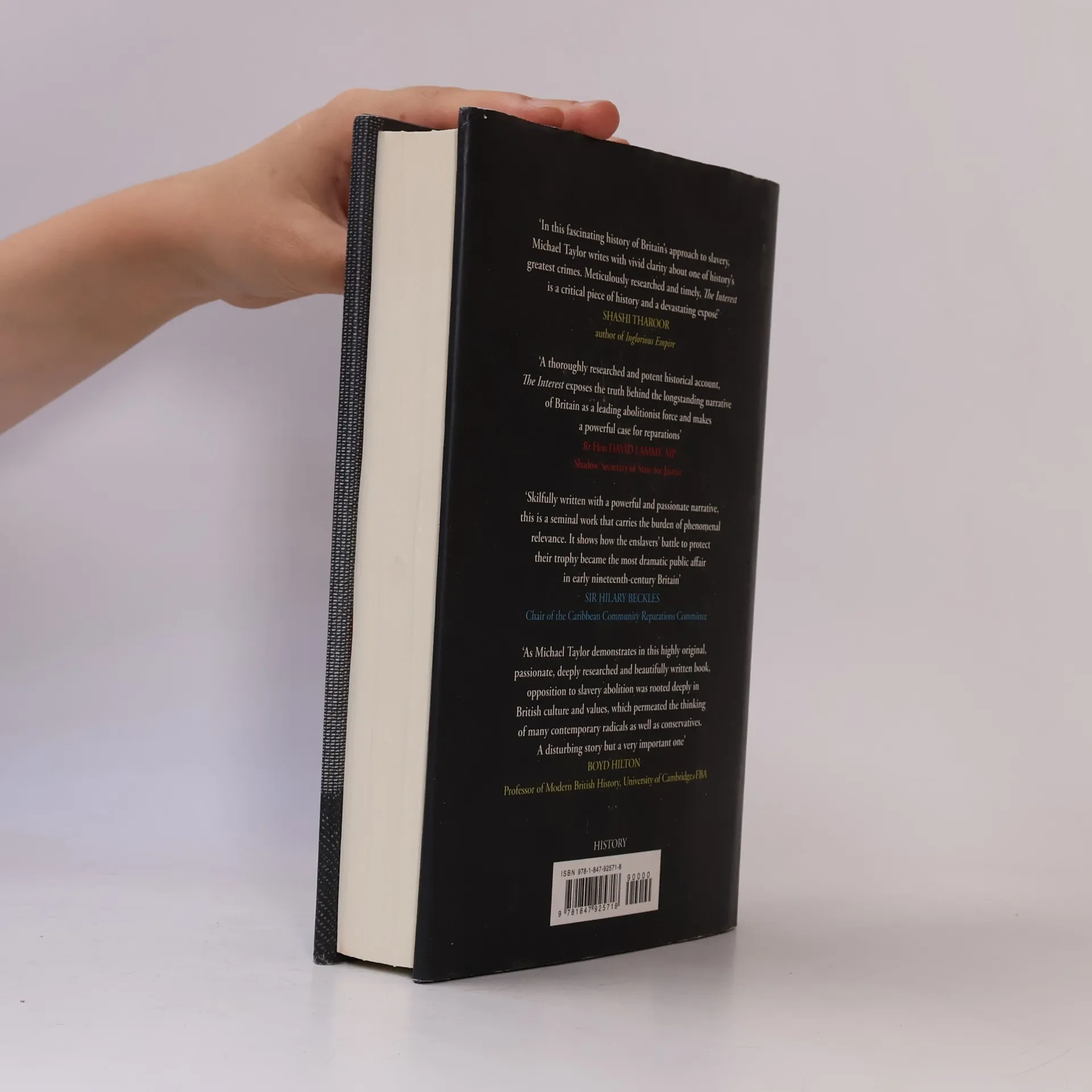
For two centuries, the abolition of slavery in Britain has been celebrated, but this perspective is shifting. In 1807, Parliament banned the slave trade, yet over 700,000 individuals in British colonies remained enslaved for another 25 years. The subsequent abolitionist movement, which made slave ownership a central political and moral issue, faced fierce opposition from the powerful 'West India Interest.' This group, backed by prominent figures such as Canning, Peel, and Gladstone, along with influential publications like The Times and Spectator, ensured that slavery persisted until 1833. When emancipation finally occurred, compensation—worth billions today—was awarded not to the enslaved but to the slaveholders, reinforcing their families' influence in shaping modern Britain. This groundbreaking history draws on significant new research to provide a compelling narrative of the tumultuous and often violent conflicts between rebels, planters, abolitionists, and the pro-slavery establishment. It reveals the extreme measures British leaders took to defend slavery for profit, illustrating that the eventual success of abolition came at a bitter cost, marking one of the darkest and most dramatic periods in British history.

Buchkauf
The Interest, Michael R. Taylor
- Sprache

- Erscheinungsdatum
- 2020
- Einband
- (Hardcover),
- Buchzustand
- Gebraucht - Gut
- Preis
- € 6,09
Hier könnte deine Bewertung stehen.
- Titel
- The Interest
- Sprache
- Englisch
- Autor*innen
- Michael R. Taylor
- Verlag
- Vintage
- Erscheinungsdatum
- 2020
- Einband
- Hardcover
- Seitenzahl
- 400
- ISBN10
- 1847925715
- ISBN13
- 9781847925718
- Reihe
- Schlagwörter
- Historisches Thema, Politik, Britische Literatur, Rassismus
- Bewertung
- 4,3 von 5 Sternen
- Beschreibung
- For two centuries, the abolition of slavery in Britain has been celebrated, but this perspective is shifting. In 1807, Parliament banned the slave trade, yet over 700,000 individuals in British colonies remained enslaved for another 25 years. The subsequent abolitionist movement, which made slave ownership a central political and moral issue, faced fierce opposition from the powerful 'West India Interest.' This group, backed by prominent figures such as Canning, Peel, and Gladstone, along with influential publications like The Times and Spectator, ensured that slavery persisted until 1833. When emancipation finally occurred, compensation—worth billions today—was awarded not to the enslaved but to the slaveholders, reinforcing their families' influence in shaping modern Britain. This groundbreaking history draws on significant new research to provide a compelling narrative of the tumultuous and often violent conflicts between rebels, planters, abolitionists, and the pro-slavery establishment. It reveals the extreme measures British leaders took to defend slavery for profit, illustrating that the eventual success of abolition came at a bitter cost, marking one of the darkest and most dramatic periods in British history.