


The Sleepwalkers
A History of Man's Changing Vision of the Universe
Autor*innen
Buchbewertung
Mehr zum Buch
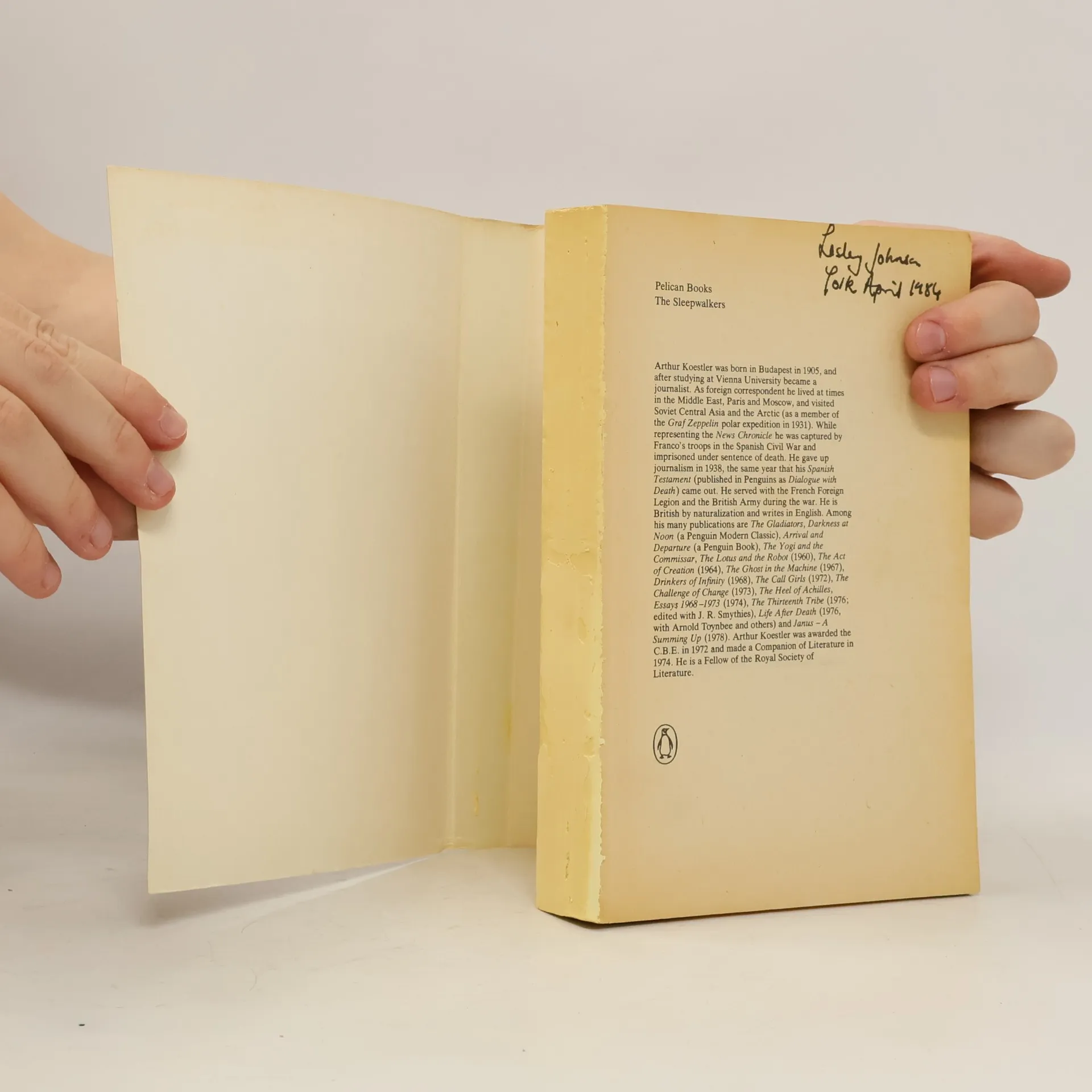
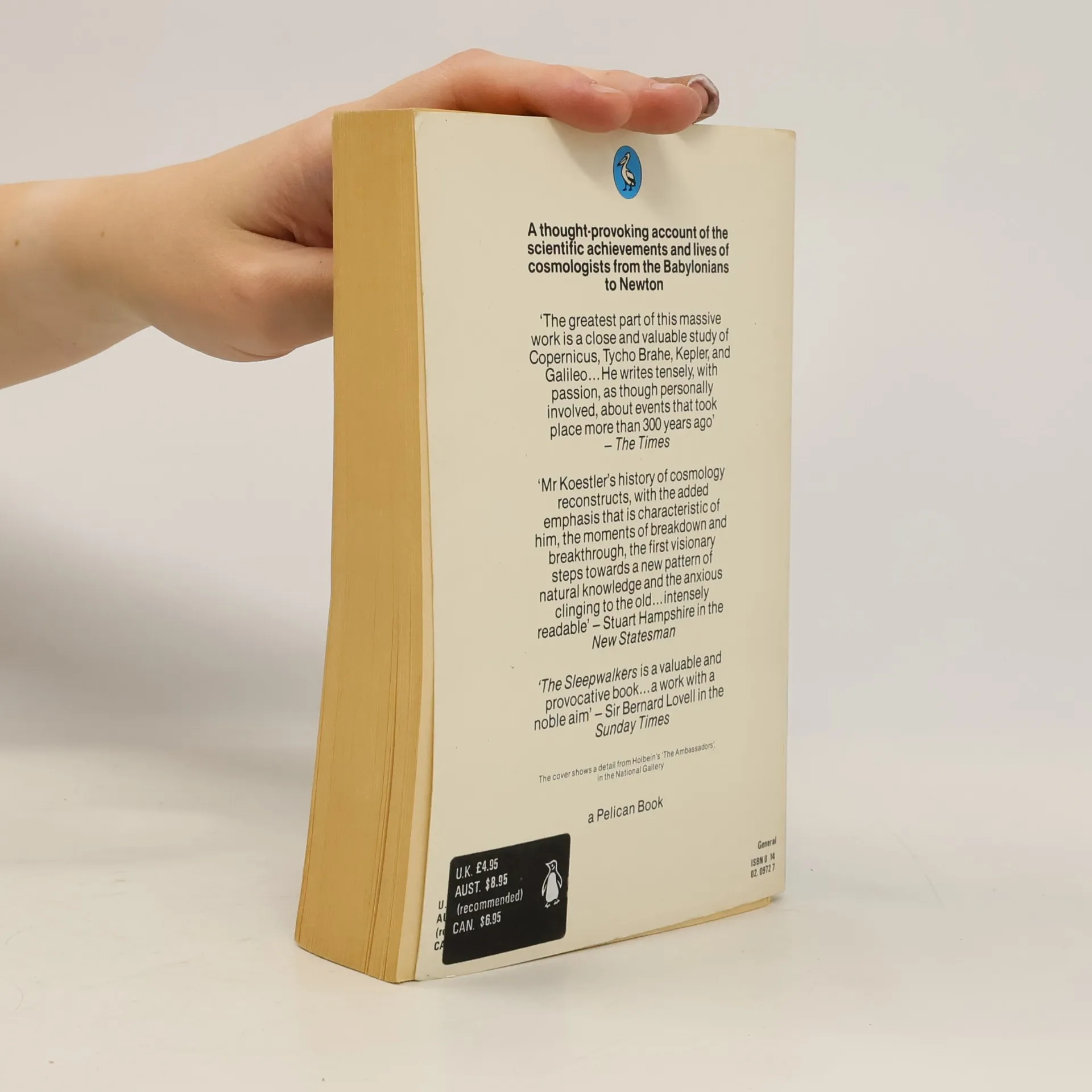
Arthur Koestler's extraordinary history of humanity's changing vision of the universe In this masterly synthesis, Arthur Koestler cuts through the sterile distinction between 'sciences' and 'humanities' to bring to life the whole history of cosmology from the Babylonians to Newton. He shows how the tragic split between science and religion arose and how, in particular, the modern world-view replaced the medieval world-view in the scientific revolution of the seventeenth century. He also provides vivid and judicious pen-portraits of a string of great scientists and makes clear the role that political bias and unconscious prejudice played in their creativity.





Buchkauf
The Sleepwalkers, Arthur Koestler
- Sprache

- Erscheinungsdatum
- 1982
- Einband
- (Paperback),
- Buchzustand
- Beschädigt
- Preis
- € 5,59
Hier könnte deine Bewertung stehen.
- Titel
- The Sleepwalkers
- Untertitel
- A History of Man's Changing Vision of the Universe
- Sprache
- Englisch
- Autor*innen
- Arthur Koestler
- Verlag
- Penguin Books
- Erscheinungsdatum
- 1982
- Einband
- Paperback
- Seitenzahl
- 623
- ISBN10
- 0140209727
- ISBN13
- 9780140209723
- Reihe
- Schlagwörter
- Naturwissenschaften
- Originaltitel
- The sleepwalkers
- Bewertung
- 4,3 von 5 Sternen
- Beschreibung
- Arthur Koestler's extraordinary history of humanity's changing vision of the universe In this masterly synthesis, Arthur Koestler cuts through the sterile distinction between 'sciences' and 'humanities' to bring to life the whole history of cosmology from the Babylonians to Newton. He shows how the tragic split between science and religion arose and how, in particular, the modern world-view replaced the medieval world-view in the scientific revolution of the seventeenth century. He also provides vivid and judicious pen-portraits of a string of great scientists and makes clear the role that political bias and unconscious prejudice played in their creativity.