

Parameter
- 240 Seiten
- 9 Lesestunden
Mehr zum Buch
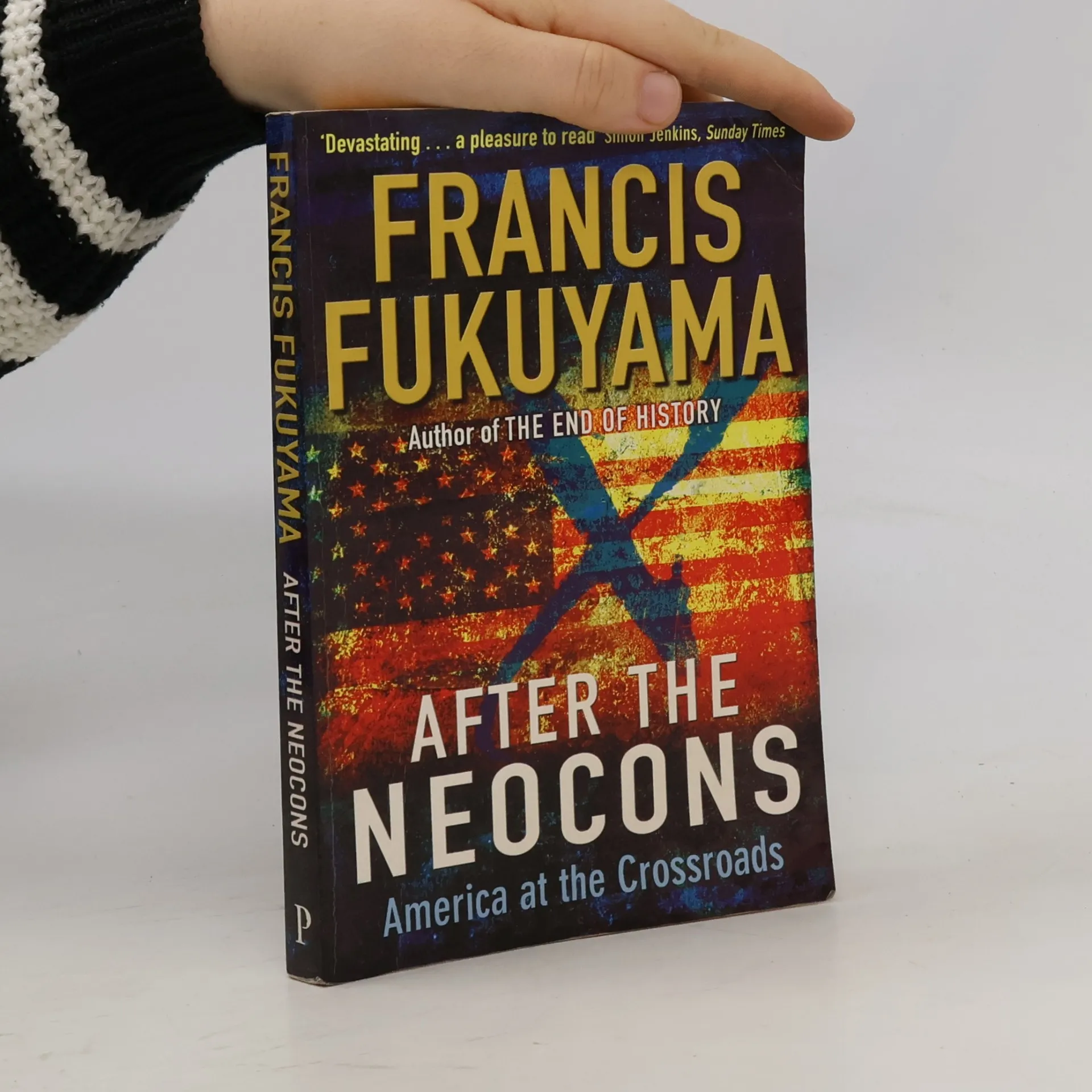
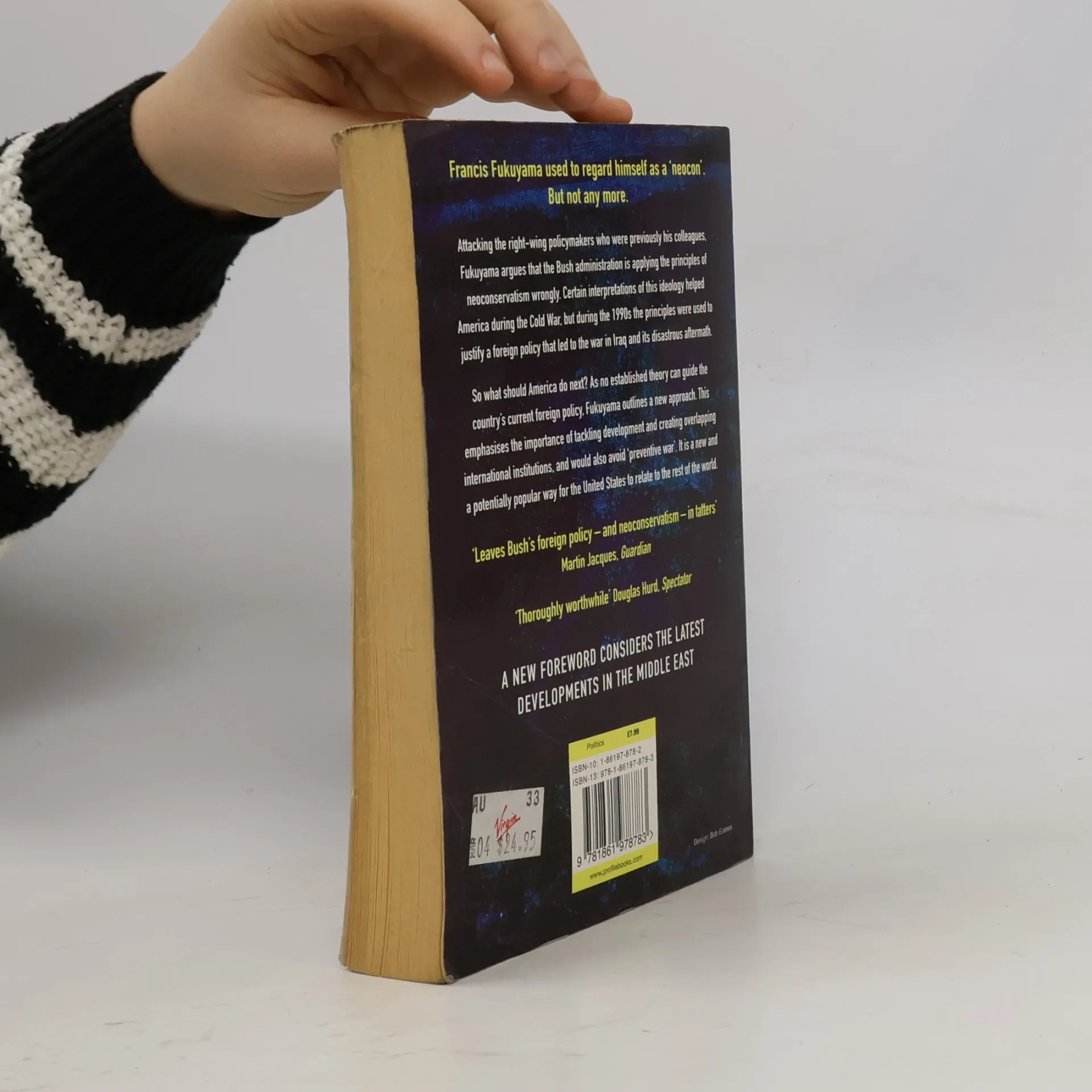
Francis Fukuyama used to regard himself as a 'neocon'. But, attacking the right-wing policymakers he had previously worked with, he argues here that the Bush administration, in the war in Iraq, has wrongly applied the principles of neoconservatism - a philosophy that is vital to the arguments about Iraq, but rarely explored, and whose history he carefully untangles. He explains why the US did not realize how much foreign hostility there would be towards the war, or how difficult reconstruction would be. Showing that there is no established tradition in international relations theory that can help guide American foreign policy today, he then outlines a new approach, in his usual clear and penetrating style.
Sprache


Buchkauf
After the Neocons, Francis Fukuyama
- Sprache

- Erscheinungsdatum
- 2007
- Einband
- (Paperback),
- Buchzustand
- Gebraucht - Gut
- Preis
- € 4,89
Hier könnte deine Bewertung stehen.
- Titel
- After the Neocons
- Sprache
- Englisch
- Autor*innen
- Francis Fukuyama
- Verlag
- Profile books LTD
- Erscheinungsdatum
- 2007
- Einband
- Paperback
- Seitenzahl
- 240
- ISBN10
- 1861978782
- ISBN13
- 9781861978783
- Reihe
- Kategorien
- Schlagwörter
- Historisches Thema, Philosophisches Thema, Politik, USA, Amerikanische Literatur, Internationale Beziehungen, Irak, Washington, Invasion, Präsidenten der USA, Amerikanische Politik
- Originaltitel
- America at the crossroads
- Bewertung
- 3,55 von 5 Sternen
- Beschreibung
- Francis Fukuyama used to regard himself as a 'neocon'. But, attacking the right-wing policymakers he had previously worked with, he argues here that the Bush administration, in the war in Iraq, has wrongly applied the principles of neoconservatism - a philosophy that is vital to the arguments about Iraq, but rarely explored, and whose history he carefully untangles. He explains why the US did not realize how much foreign hostility there would be towards the war, or how difficult reconstruction would be. Showing that there is no established tradition in international relations theory that can help guide American foreign policy today, he then outlines a new approach, in his usual clear and penetrating style.