

Mehr zum Buch
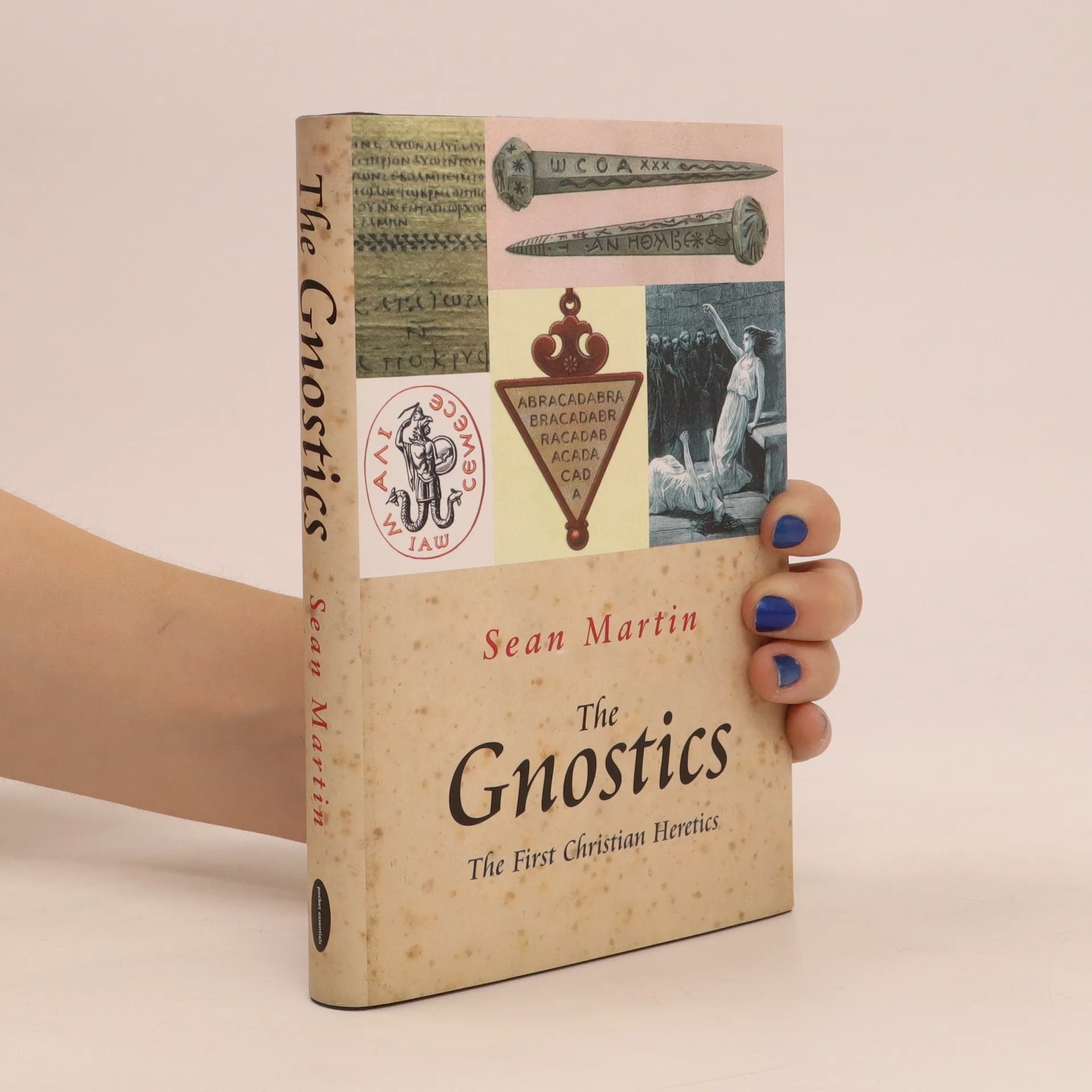
Gnosticism is the name given to various religious schools that proliferated in the first centuries after Christ, nearly becoming the dominant form of Christianity, but eventually branded as heretical by the emerging Christian church. The long and diverse history of Gnosticism is recounted here, as well as reasons for its continued relevance today. Although some Gnostic beliefs are close to mainstream Christianity, others examined here include that the world is imperfect because it was created by an evil god who was constantly at war with the true, good God; that Christ and Satan were brothers; that reincarnation exists; and that women are the equal of men. Also covered is the influence Gnostics had on the Renaissance, the Enlightenment, the psychologist Carl Jung, the Existentialists, the New Age movement, and writers as diverse as William Blake, W. B. Yeats, Albert Camus, and Philip K. Dick.
Buchkauf
The gnostics : the first Christian heretics, Sean Martin
- Sprache

- Erscheinungsdatum
- 2006
- Einband
- (Hardcover)
Hier könnte deine Bewertung stehen.
- Titel
- The gnostics : the first Christian heretics
- Sprache
- Englisch
- Autor*innen
- Sean Martin
- Verlag
- Pocket Essentials
- Erscheinungsdatum
- 2006
- Einband
- Hardcover
- Seitenzahl
- 160
- ISBN10
- 1904048560
- ISBN13
- 9781904048565
- Reihe
- Schlagwörter
- Historisches Thema, Religiöse Themen, Spiritualität, Christliche Themen, Theologie, Gnostizismus
- Bewertung
- 3,6 von 5 Sternen
- Beschreibung
- Gnosticism is the name given to various religious schools that proliferated in the first centuries after Christ, nearly becoming the dominant form of Christianity, but eventually branded as heretical by the emerging Christian church. The long and diverse history of Gnosticism is recounted here, as well as reasons for its continued relevance today. Although some Gnostic beliefs are close to mainstream Christianity, others examined here include that the world is imperfect because it was created by an evil god who was constantly at war with the true, good God; that Christ and Satan were brothers; that reincarnation exists; and that women are the equal of men. Also covered is the influence Gnostics had on the Renaissance, the Enlightenment, the psychologist Carl Jung, the Existentialists, the New Age movement, and writers as diverse as William Blake, W. B. Yeats, Albert Camus, and Philip K. Dick.