

Ausverkauft
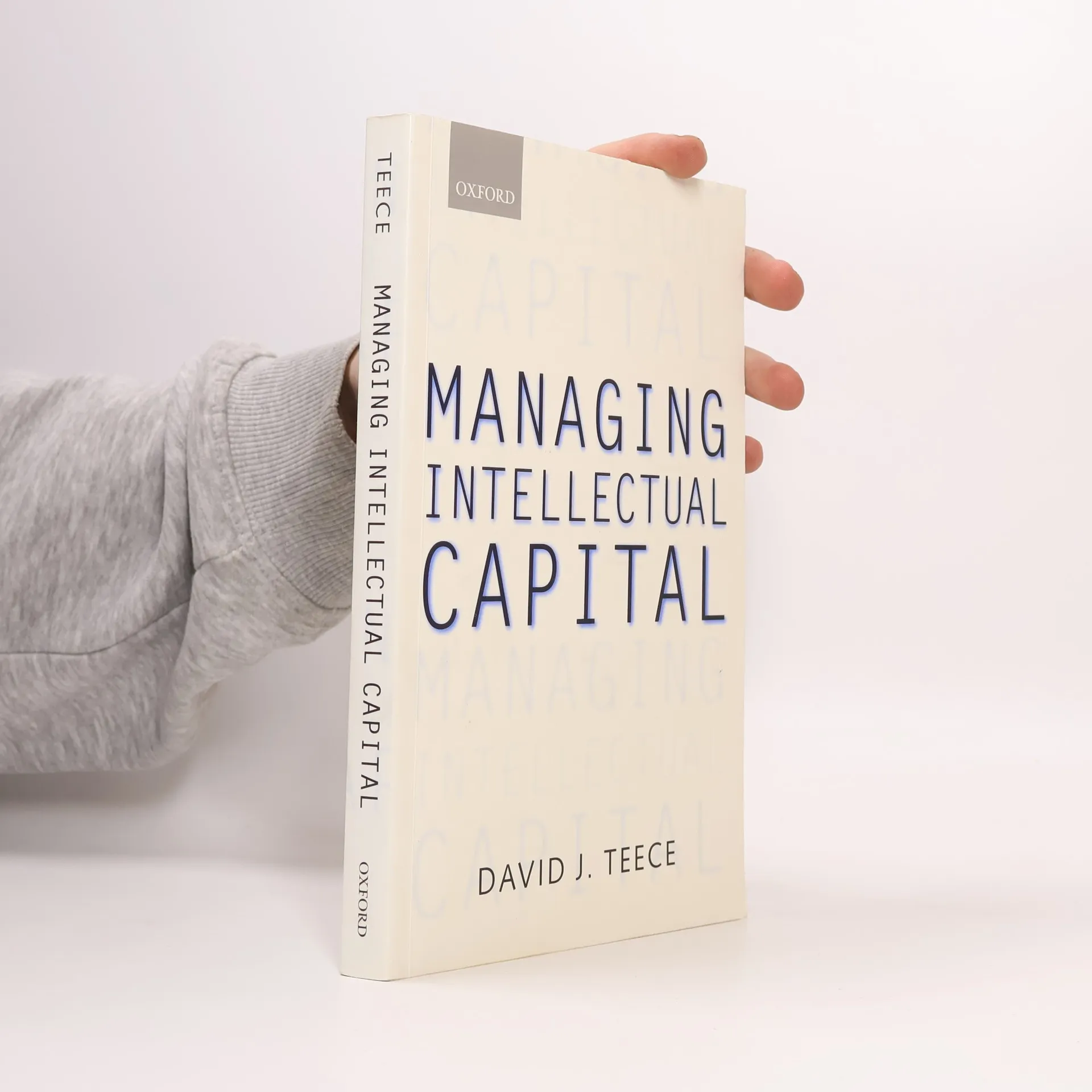
Clarendon Lectures in Management Studies: Managing Intellectual Capital
Organizational, Strategic, And Policy Dimensions
Autor*innen
Buchbewertung
Mehr zum Buch
Managers are keenly aware that in today's economy the astute management of technology can advance not only the fortunes of the innovators, but also of society at large. In this book David Teece considers how firms can exploit technological innovation and protect their intellectual capital while staying ahead of the competition. He provides theoretical frameworks as well as practical advice, looking in particular at the organizational structures most likely to support innovation, and how managerial decisions and strategy affect the division of the gains.
Publikation

Buchkauf
Clarendon Lectures in Management Studies: Managing Intellectual Capital, David J. Teece
- Sprache

- Erscheinungsdatum
- 1986
- Einband
- (Paperback)
Wir benachrichtigen dich per E-Mail.
Hier könnte deine Bewertung stehen.
- Titel
- Clarendon Lectures in Management Studies: Managing Intellectual Capital
- Untertitel
- Organizational, Strategic, And Policy Dimensions
- Sprache
- Englisch
- Autor*innen
- David J. Teece
- Verlag
- Oxford University Press
- Erscheinungsdatum
- 1986
- Einband
- Paperback
- Seitenzahl
- 312
- ISBN10
- 0198295421
- ISBN13
- 9780198295426
- Reihe
- Schlagwörter
- Bewertung
- 3,85 von 5 Sternen
- Beschreibung
- Managers are keenly aware that in today's economy the astute management of technology can advance not only the fortunes of the innovators, but also of society at large. In this book David Teece considers how firms can exploit technological innovation and protect their intellectual capital while staying ahead of the competition. He provides theoretical frameworks as well as practical advice, looking in particular at the organizational structures most likely to support innovation, and how managerial decisions and strategy affect the division of the gains.