

Mehr zum Buch
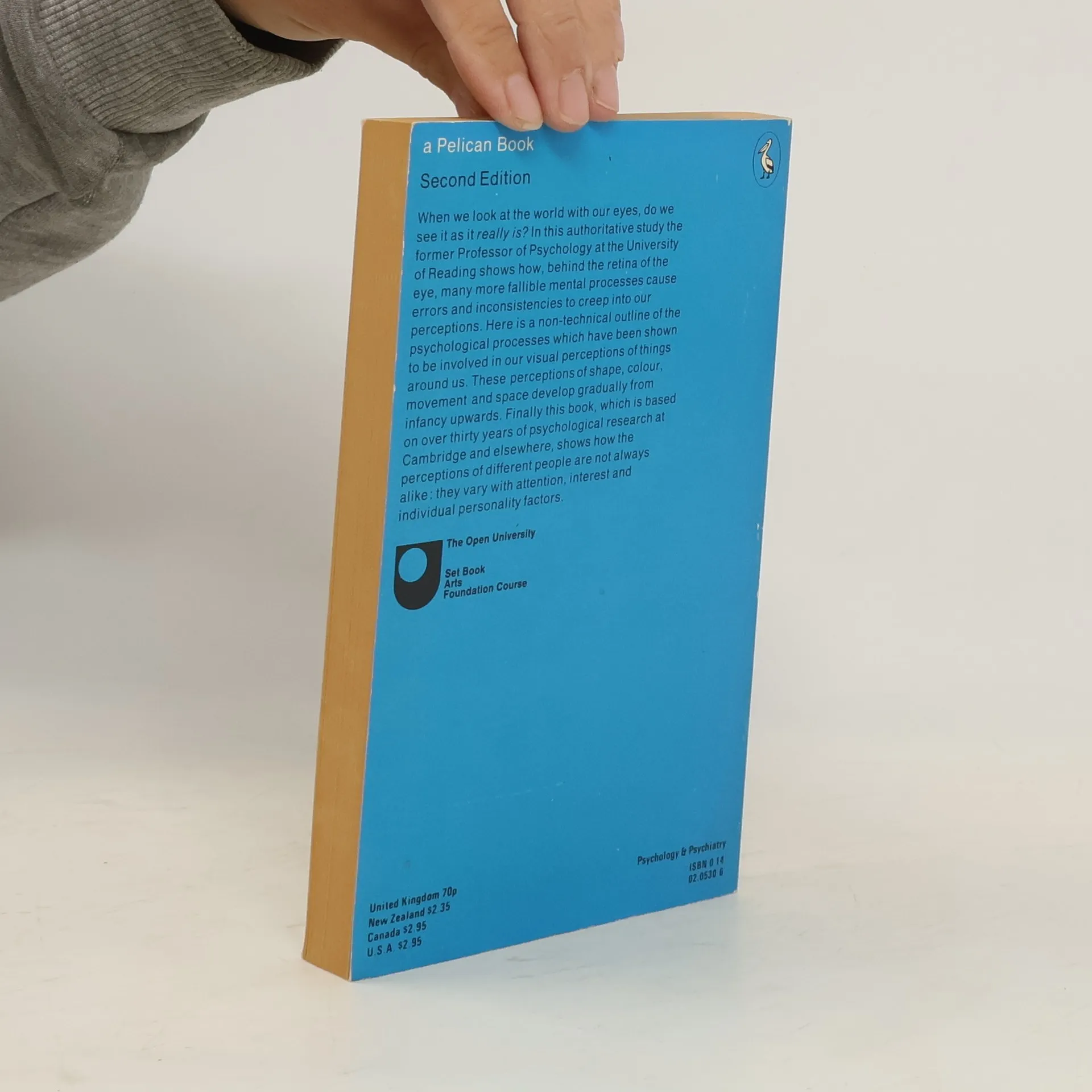
When we look at the world with our eyes, do we see it as it really is? In this authoritative study the former Professor of Psychology at the University of Reading shows how, behind the retina of the eye, many more fallible mental processes cause errors and inconsistencies to creep into our perceptions. Here is a non-technical outline of the psychological processes which have been shown to be involved in our visual perceptions of things around us. These perceptions of shape, colour, movement and space develop gradually from infancy upwards. Finally this book, which is based on over thirty years of psychological research at Cambridge and elsewhere, shows how the perceptions of different people are not always alike : they vary with attention, interest and individual personality factors.
Buchkauf
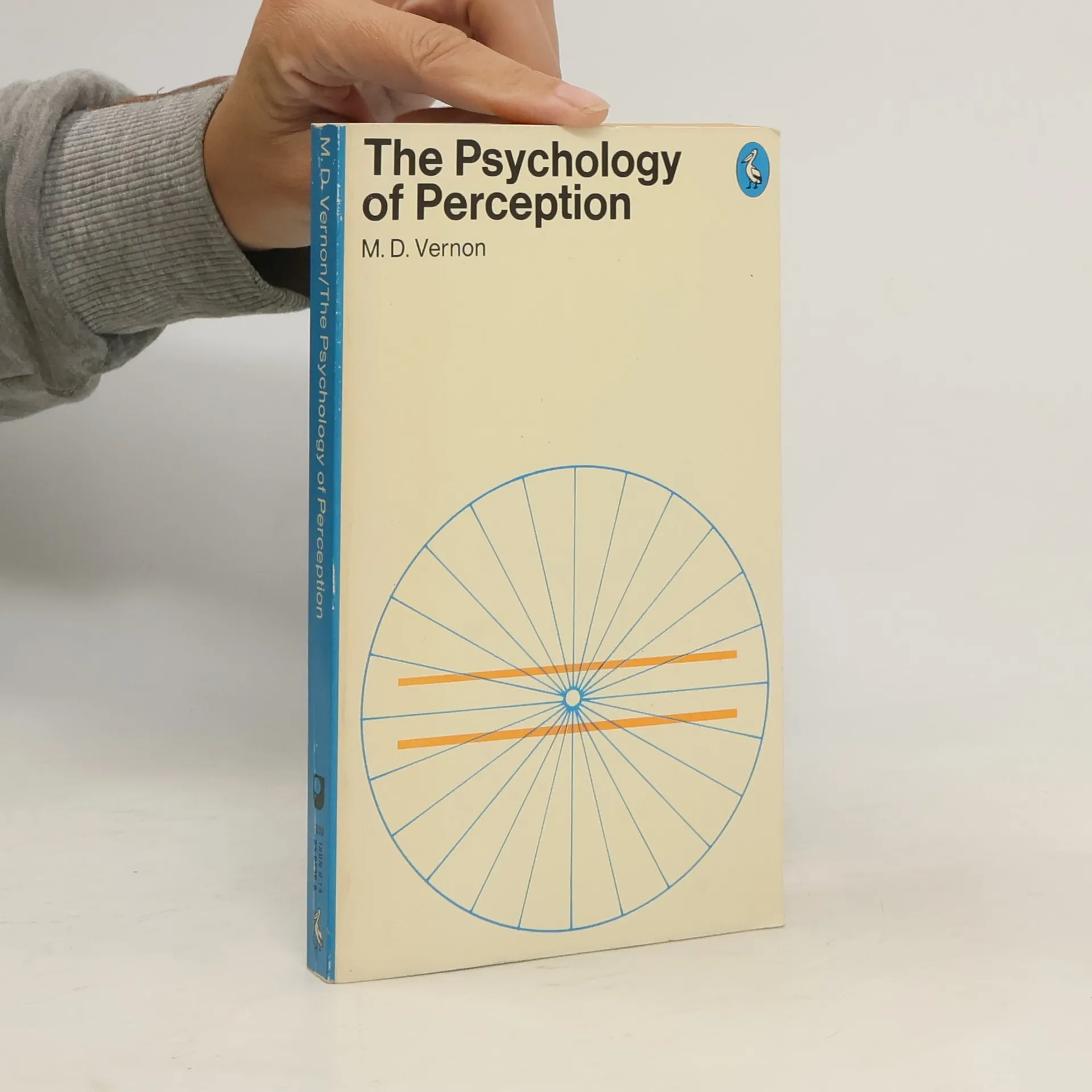
The Psychology of Perception, Magdalen Dorothea Vernon
- Sprache

- Erscheinungsdatum
- 1971
- Einband
- (Paperback)
Hier könnte deine Bewertung stehen.
- Titel
- The Psychology of Perception
- Sprache
- Englisch
- Autor*innen
- Magdalen Dorothea Vernon
- Verlag
- Penguin Group
- Erscheinungsdatum
- 1971
- Einband
- Paperback
- Seitenzahl
- 260
- ISBN10
- 0140205306
- ISBN13
- 9780140205305
- Reihe
- Schlagwörter
- Psychologische Thematik, Sinneswahrnehmung
- Bewertung
- 3,3 von 5 Sternen
- Beschreibung
- When we look at the world with our eyes, do we see it as it really is? In this authoritative study the former Professor of Psychology at the University of Reading shows how, behind the retina of the eye, many more fallible mental processes cause errors and inconsistencies to creep into our perceptions. Here is a non-technical outline of the psychological processes which have been shown to be involved in our visual perceptions of things around us. These perceptions of shape, colour, movement and space develop gradually from infancy upwards. Finally this book, which is based on over thirty years of psychological research at Cambridge and elsewhere, shows how the perceptions of different people are not always alike : they vary with attention, interest and individual personality factors.