

Buchbewertung
Mehr zum Buch
Twelve leading Italian scientists, researchers, economists, and theologians explain why the use of genetically modified organisms (GMOs) is necessary. Each year, the area cultivated with GMOs increases worldwide, reaching 150 million hectares this year. GMOs contribute to economic growth in developing countries like China, India, and Brazil, approaching 10% GDP growth, as they encompass not only agriculture but also innovative pharmaceuticals, industry, and especially scientific research and innovation. The collection of essays curated by Elio Cadelo highlights the benefits that GMOs could bring to the Italian economy if utilized. Additionally, psychiatrists like Vittorino Andreoli analyze why people fear GMOs, while Rosella Franconi discusses the pharmaceuticals being developed in laboratories, and the false myths surrounding "natural" and organic products are examined.
Buchkauf
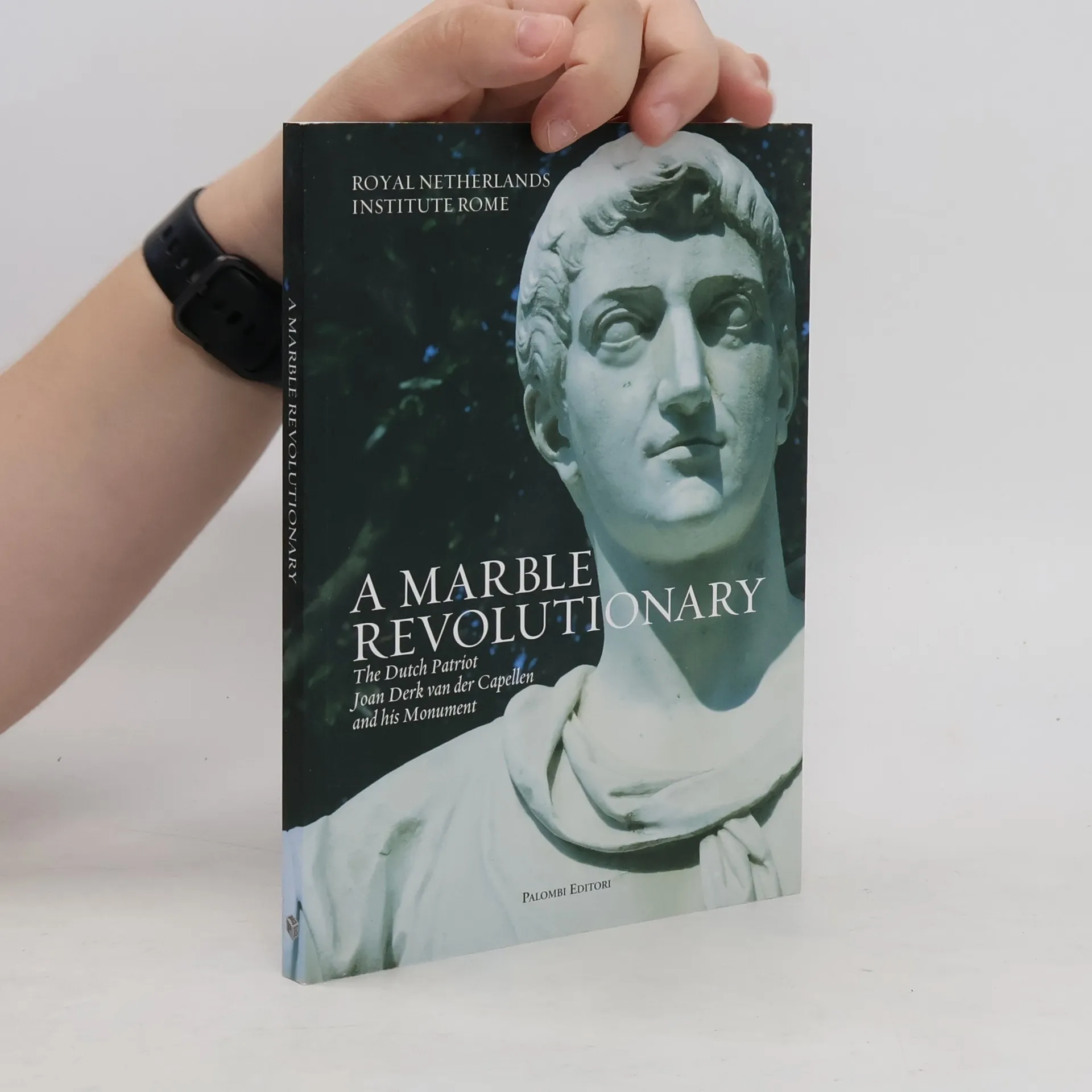
A Marble Revolutionary, Arthur Weststeijn
- Sprache

- Erscheinungsdatum
- 2011
- Einband
- (Paperback)
Hier könnte deine Bewertung stehen.
- Titel
- A Marble Revolutionary
- Untertitel
- The Dutch Patriot Joan Derk Van Der Capellen And His Monument
- Sprache
- Englisch
- Autor*innen
- Arthur Weststeijn
- Verlag
- Palombi Editori
- Erscheinungsdatum
- 2011
- Einband
- Paperback
- Seitenzahl
- 132
- ISBN10
- 8860603692
- ISBN13
- 9788860603692
- Reihe
- Kategorien
- Schlagwörter
- Handel, Medizin & Gesundheit, Psychologische Thematik
- Bewertung
- 3 von 5 Sternen
- Beschreibung
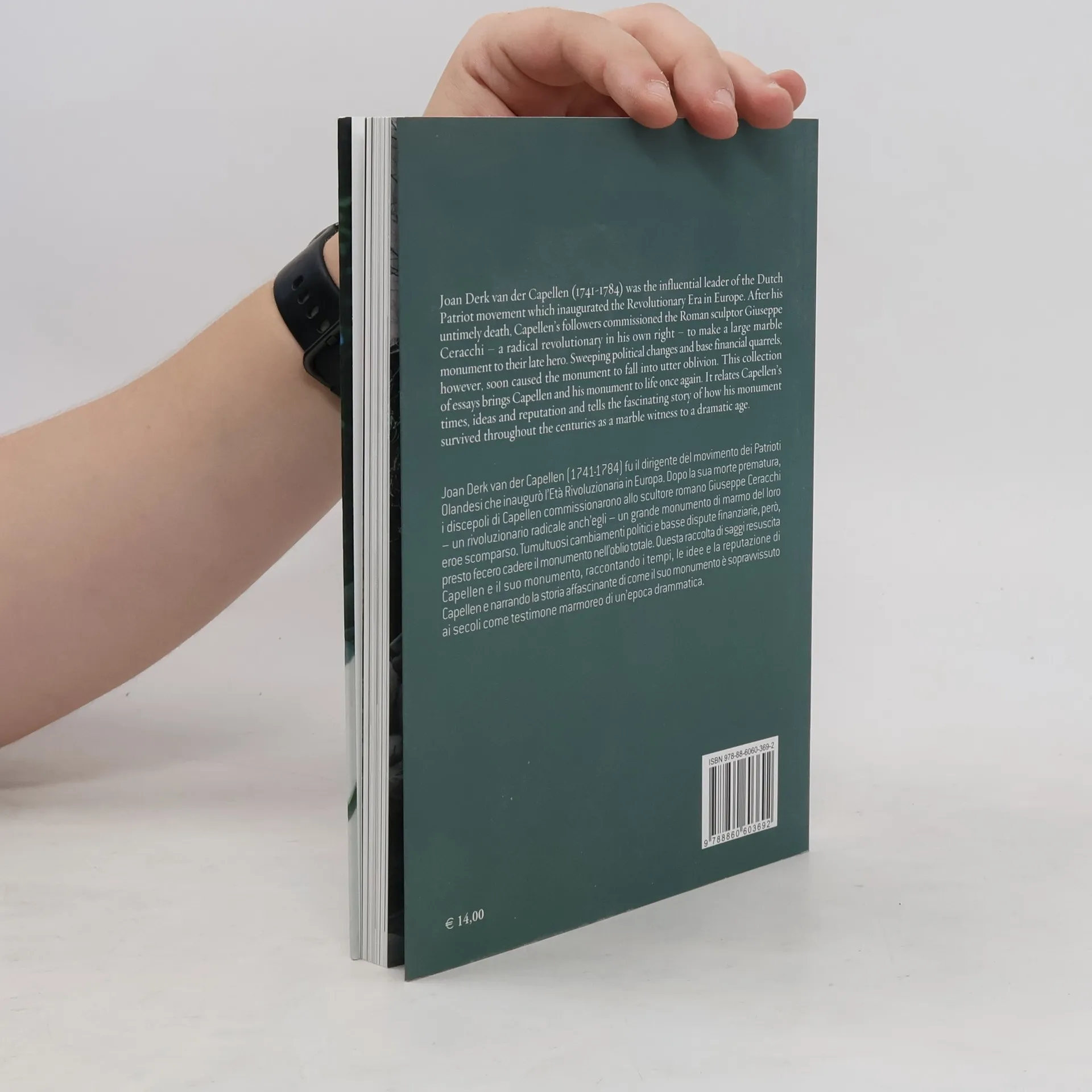
- Twelve leading Italian scientists, researchers, economists, and theologians explain why the use of genetically modified organisms (GMOs) is necessary. Each year, the area cultivated with GMOs increases worldwide, reaching 150 million hectares this year. GMOs contribute to economic growth in developing countries like China, India, and Brazil, approaching 10% GDP growth, as they encompass not only agriculture but also innovative pharmaceuticals, industry, and especially scientific research and innovation. The collection of essays curated by Elio Cadelo highlights the benefits that GMOs could bring to the Italian economy if utilized. Additionally, psychiatrists like Vittorino Andreoli analyze why people fear GMOs, while Rosella Franconi discusses the pharmaceuticals being developed in laboratories, and the false myths surrounding "natural" and organic products are examined.