

Mehr zum Buch
Unfairly reviled and often misunderstood, private equity stands apart from other asset classes, particularly in its fund mechanisms and return analysis. High-level asset allocation decisions are often influenced by prejudice rather than facts. Drawing on over twenty years of experience in the private equity industry, Guy Fraser-Sampson offers a practical guide to navigating this specialized asset class. This guide caters to investors, professionals, and business school students, beginning with fundamental questions like "what is private equity?" and advancing to detailed discussions on various private equity activities, including venture capital and buyouts. The recent financial crisis has necessitated a new edition, which includes separate chapters on growth and development capital, as well as secondary investing. Emerging issues such as lengthening holding periods and potential declining returns are also explored, along with the critical distinction between private equity and hedge funds. The glossary has been expanded to enhance understanding. Overall, this edition elevates readers' comprehension of private equity, covering key topics such as venture capital, buyouts, growth capital, fund investment planning, and industry performance analysis.
Publikation

Buchkauf
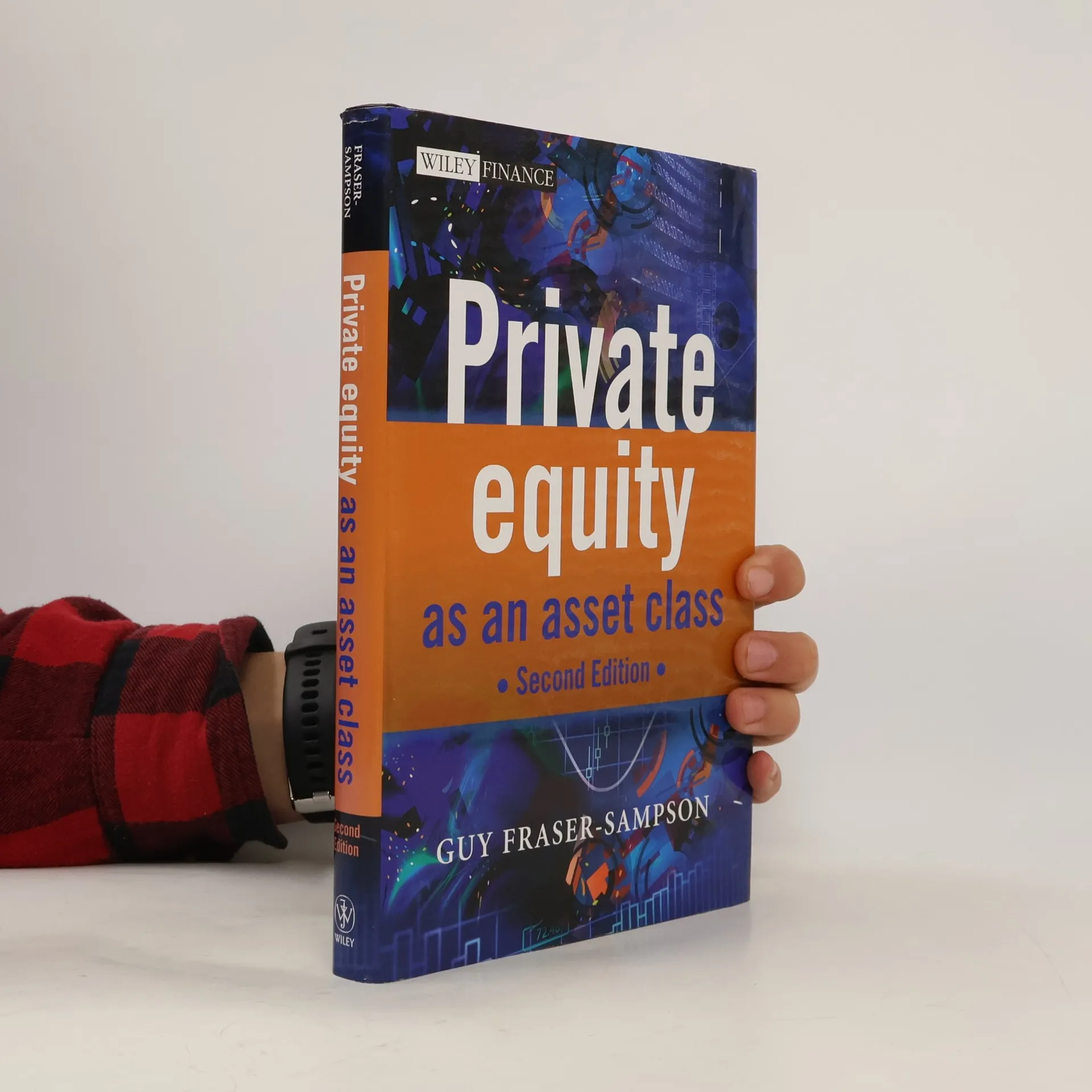
Private Equity as an Asset Class, Guy Fraser-Sampson
- Sprache

- Erscheinungsdatum
- 2010
- Einband
- (Hardcover)
Hier könnte deine Bewertung stehen.
- Titel
- Private Equity as an Asset Class
- Sprache
- Englisch
- Autor*innen
- Guy Fraser-Sampson
- Verlag
- WILEY
- Erscheinungsdatum
- 2010
- Einband
- Hardcover
- Seitenzahl
- 288
- ISBN10
- 0470661380
- ISBN13
- 9780470661383
- Reihe
- Bewertung
- 3,5 von 5 Sternen
- Beschreibung
- Unfairly reviled and often misunderstood, private equity stands apart from other asset classes, particularly in its fund mechanisms and return analysis. High-level asset allocation decisions are often influenced by prejudice rather than facts. Drawing on over twenty years of experience in the private equity industry, Guy Fraser-Sampson offers a practical guide to navigating this specialized asset class. This guide caters to investors, professionals, and business school students, beginning with fundamental questions like "what is private equity?" and advancing to detailed discussions on various private equity activities, including venture capital and buyouts. The recent financial crisis has necessitated a new edition, which includes separate chapters on growth and development capital, as well as secondary investing. Emerging issues such as lengthening holding periods and potential declining returns are also explored, along with the critical distinction between private equity and hedge funds. The glossary has been expanded to enhance understanding. Overall, this edition elevates readers' comprehension of private equity, covering key topics such as venture capital, buyouts, growth capital, fund investment planning, and industry performance analysis.