

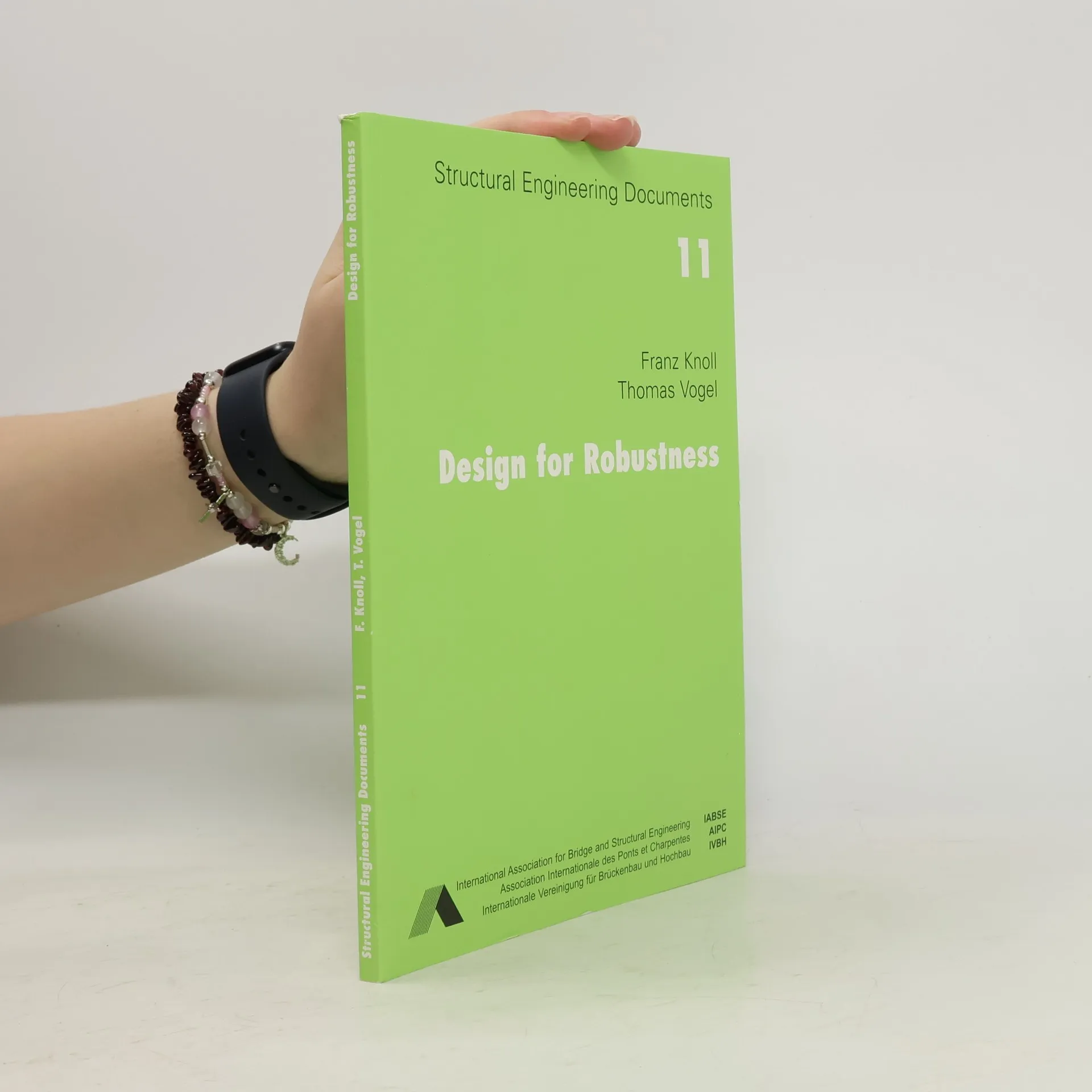
Structural Engineering Documents - 11: Design for Robustness
Autor*innen
Mehr zum Buch
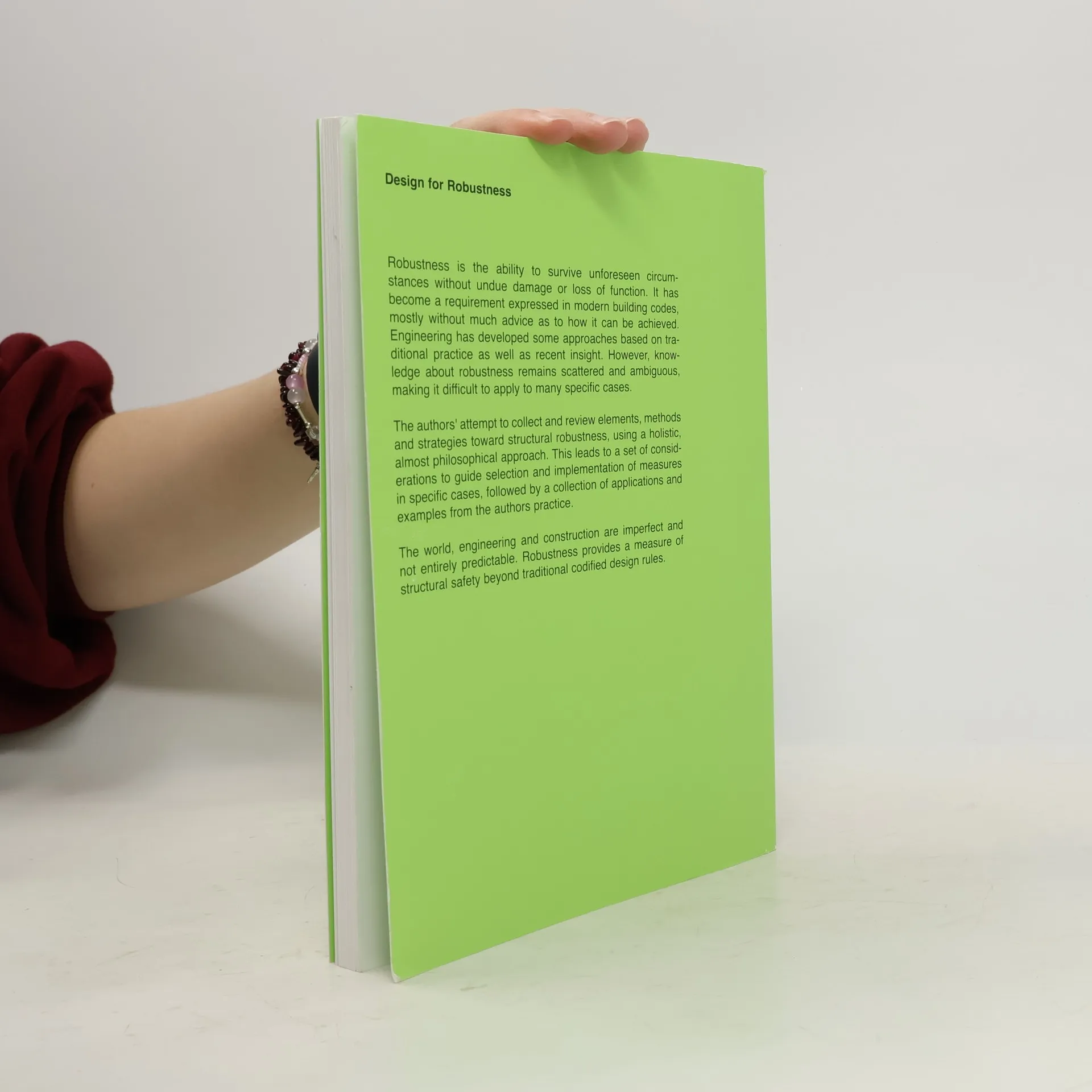
Robustness is the ability to survive unforeseen circumstances without undue damage or loss of function. It has become a requirement expressed in modern building codes, mostly without much advice as to how it can be achieved. Engineering has developed some approaches based on traditional practice as well as recent insight. However, knowledge about robustness remains scattered and ambiguous, making it difficult to apply to many specific cases. The author's attempt to collect and review elements, methods and strategies toward structural robustness, using a holistic, almost philosophical approach. This leads to a set of considerations to guide selection and implementation of measures in specific cases, followed by a collection of applications and examples from the authors practice. The world, engineering and construction are imperfect and not entirely predictable. Robustness provides a measure of structural safety beyond traditional codified design rules.
Buchkauf
Structural Engineering Documents - 11: Design for Robustness, Thomas Vogel, Franz Knoll
- Sprache

- Erscheinungsdatum
- 2009
Keiner hat bisher bewertet.
- Titel
- Structural Engineering Documents - 11: Design for Robustness
- Sprache
- Englisch
- Autor*innen
- Thomas Vogel, Franz Knoll
- Erscheinungsdatum
- 2009
- Seitenzahl
- 99
- ISBN10
- 385748120X
- ISBN13
- 9783857481208
- Reihe
- Kategorien
- Schlagwörter
- Architektur, Sicherheit
- Beschreibung
- Robustness is the ability to survive unforeseen circumstances without undue damage or loss of function. It has become a requirement expressed in modern building codes, mostly without much advice as to how it can be achieved. Engineering has developed some approaches based on traditional practice as well as recent insight. However, knowledge about robustness remains scattered and ambiguous, making it difficult to apply to many specific cases. The author's attempt to collect and review elements, methods and strategies toward structural robustness, using a holistic, almost philosophical approach. This leads to a set of considerations to guide selection and implementation of measures in specific cases, followed by a collection of applications and examples from the authors practice. The world, engineering and construction are imperfect and not entirely predictable. Robustness provides a measure of structural safety beyond traditional codified design rules.