



Mehr zum Buch
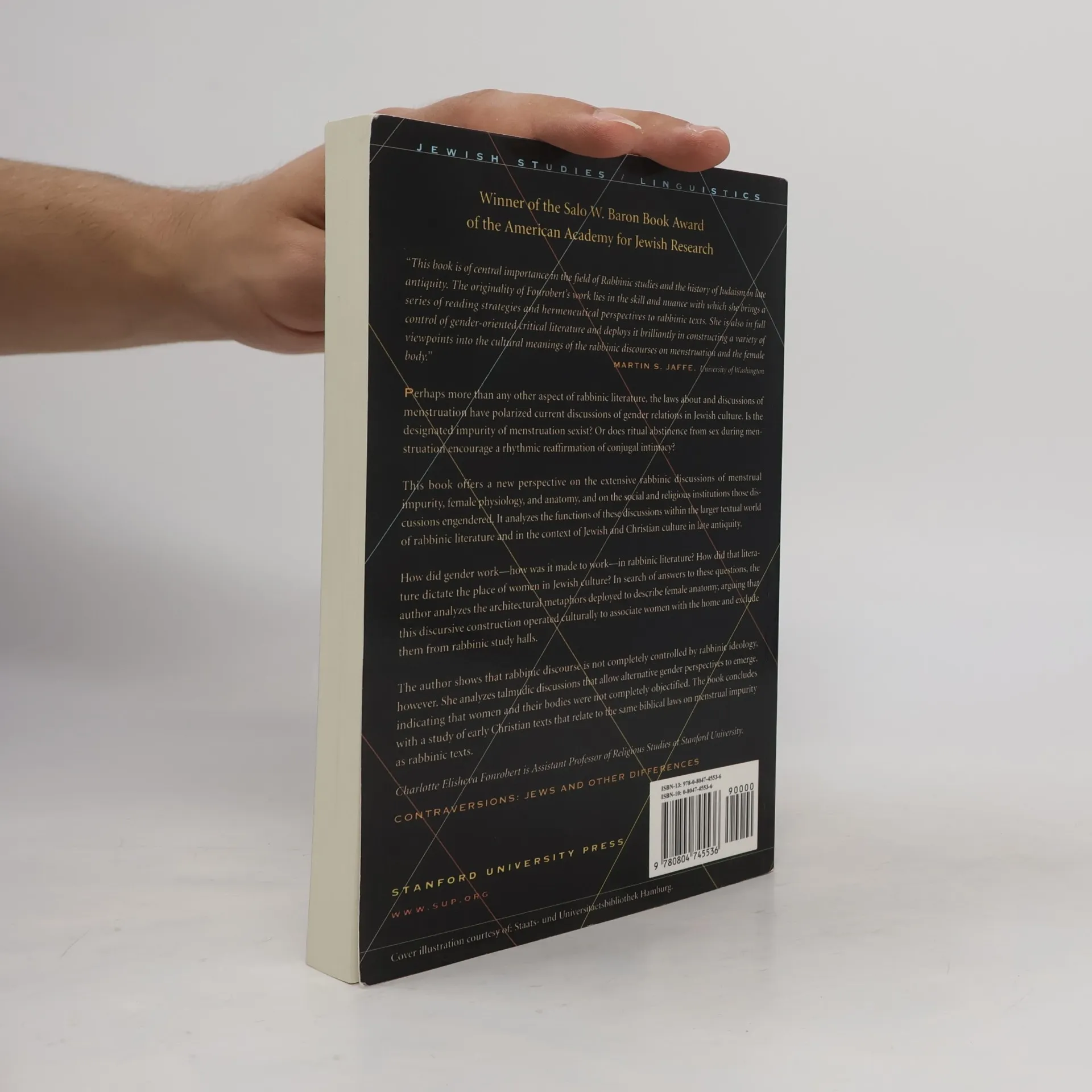
The laws and discussions surrounding menstruation in rabbinic literature have sparked polarized debates about gender relations in Jewish culture. Is the concept of menstrual impurity inherently sexist, or does it serve to enhance conjugal intimacy through ritual absence? This work provides a fresh perspective on rabbinic discussions regarding menstrual impurity, female physiology, and the resulting social and religious institutions. It examines how these discussions function within the broader context of rabbinic literature and late antique Jewish and Christian culture. The author explores the mechanisms of gender in rabbinic texts and their implications for women's roles in Jewish society. By analyzing architectural metaphors used to describe female anatomy, the author argues that such constructs culturally associate women with the home and marginalize them from rabbinic study. However, the discourse is not entirely dominated by rabbinic ideology; the author highlights talmudic discussions that allow for alternative gender perspectives, suggesting that women and their bodies were not wholly objectified. The analysis reveals a complex gender structure within the Babylonian Talmud, containing various, sometimes conflicting, viewpoints. The book concludes with a study of early Christian texts that address the same biblical laws on menstrual impurity, particularly a Jewish-Christian text that critiques Jewish women converts for a
Buchkauf
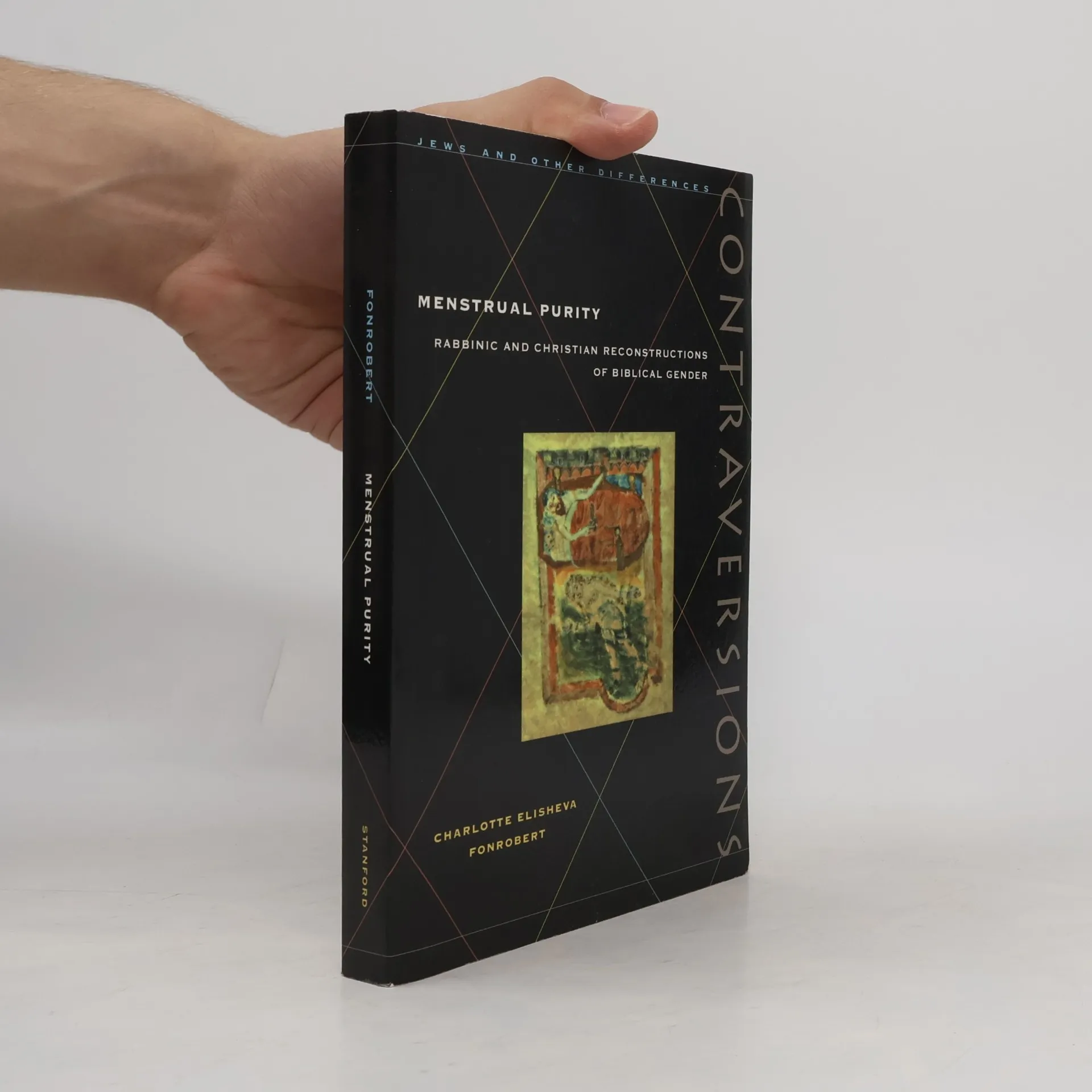
Contraversions: Jews and Other Differences: Menstrual Purity, Charlotte Elisheva Fonrobert
- Sprache

- Erscheinungsdatum
- 2002
- Einband
- (Paperback)
Keiner hat bisher bewertet.
- Titel
- Contraversions: Jews and Other Differences: Menstrual Purity
- Untertitel
- Rabbinic and Christian Reconstructions of Biblical Gender
- Sprache
- Englisch
- Autor*innen
- Charlotte Elisheva Fonrobert
- Erscheinungsdatum
- 2002
- Einband
- Paperback
- Seitenzahl
- 340
- ISBN10
- 0804745536
- ISBN13
- 9780804745536
- Reihe
- Schlagwörter
- Feminismus, Jüdische Literatur, Gender
- Beschreibung
- The laws and discussions surrounding menstruation in rabbinic literature have sparked polarized debates about gender relations in Jewish culture. Is the concept of menstrual impurity inherently sexist, or does it serve to enhance conjugal intimacy through ritual absence? This work provides a fresh perspective on rabbinic discussions regarding menstrual impurity, female physiology, and the resulting social and religious institutions. It examines how these discussions function within the broader context of rabbinic literature and late antique Jewish and Christian culture. The author explores the mechanisms of gender in rabbinic texts and their implications for women's roles in Jewish society. By analyzing architectural metaphors used to describe female anatomy, the author argues that such constructs culturally associate women with the home and marginalize them from rabbinic study. However, the discourse is not entirely dominated by rabbinic ideology; the author highlights talmudic discussions that allow for alternative gender perspectives, suggesting that women and their bodies were not wholly objectified. The analysis reveals a complex gender structure within the Babylonian Talmud, containing various, sometimes conflicting, viewpoints. The book concludes with a study of early Christian texts that address the same biblical laws on menstrual impurity, particularly a Jewish-Christian text that critiques Jewish women converts for a