

Mehr zum Buch
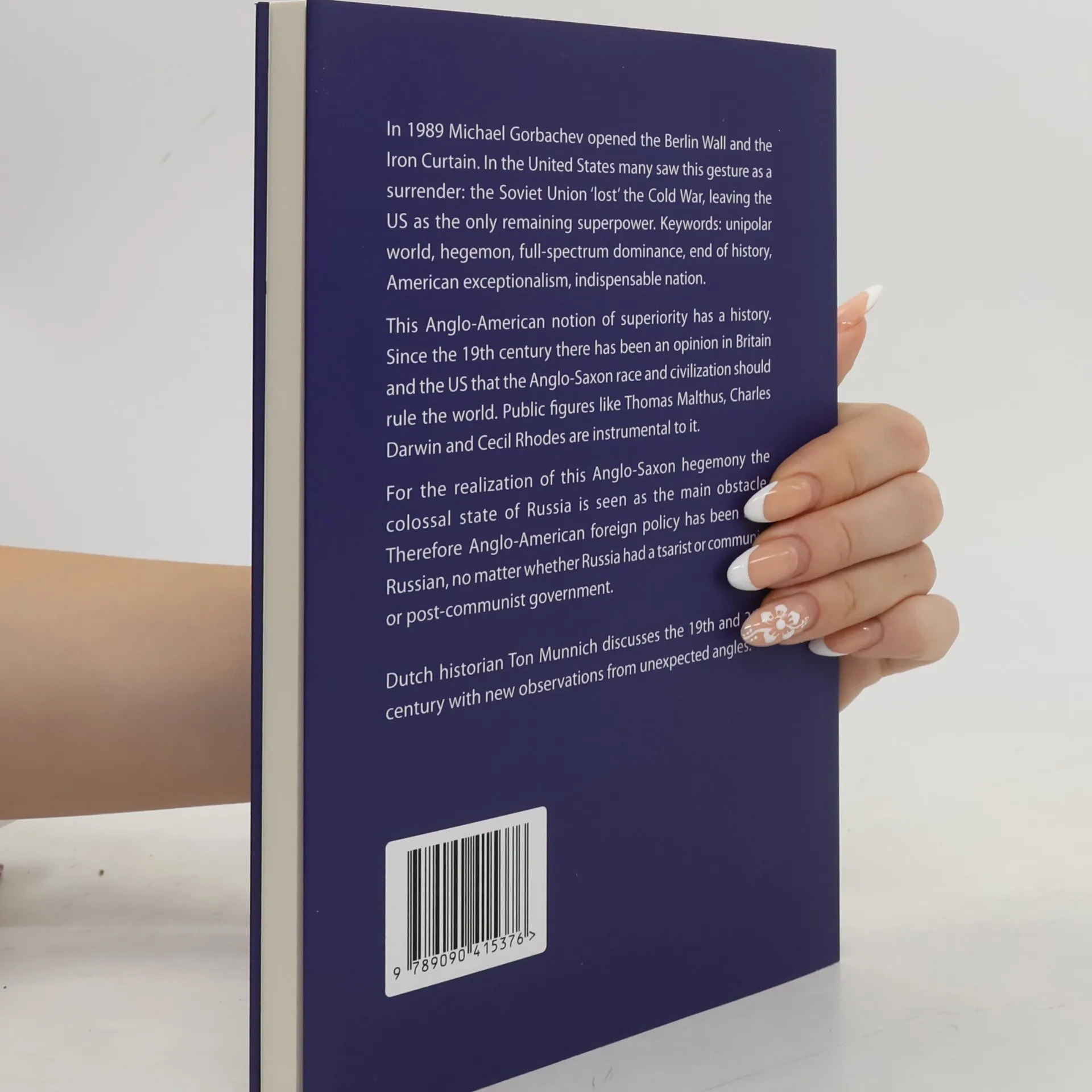
In 1989 Michael Gorbachev opened the Berlin Wall and the Iron Curtain. In the United States many saw this gesture as a surrender: the Soviet Union 'lost' the Cold War, leaving the US as the only remaining superpower. Keywords: unipolar world, hegemon, full-spectrum dominance, end of history, American exceptionalism, indispensable nation. This Anglo-American notion of superiority has a history. Since the 19th century there has been an opinion in Britain and the US that the Anglo-Saxon race and civilization should rule the world. Public figures like Thomas Malthus, Charles Darwin and Cecil Rhodes are instrumental to it. For the realization of this Anglo-Saxon hegemony the colossal state of Russia is seen as the main obstacle. Therefore Anglo-American foreign policy has been Russian, no matter whether Russia had a tsarist or communist or post-communist government. Dutch historian Ton Munnich discusses the 19th and century with new observations from unexpected angles.
Von The Anglo-Saxon Bias (2026) sind aktuell auf Lager verfügbar.
Buchkauf
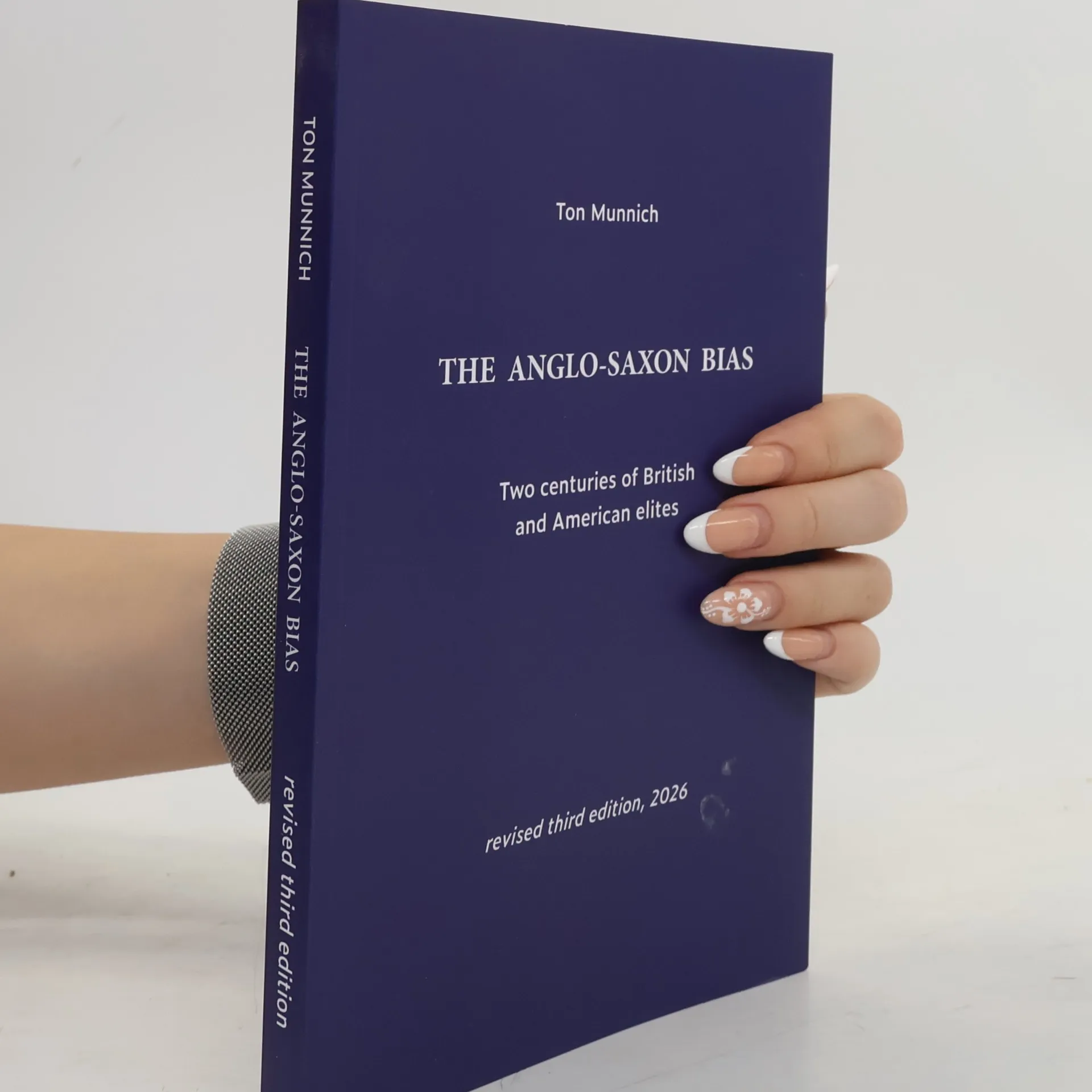
The Anglo-Saxon Bias, Ton Munnich
- Sprache

- Erscheinungsdatum
- 2026
- Einband
- (Hardcover),
- Buchzustand
- Gebraucht - Gut
- Preis
- € 11,99
Keiner hat bisher bewertet.
- Titel
- The Anglo-Saxon Bias
- Untertitel
- Two Centuries of British and American Elites
- Sprache
- Englisch
- Autor*innen
- Ton Munnich
- Erscheinungsdatum
- 2026
- Einband
- Hardcover
- ISBN10
- 9090415378
- ISBN13
- 9789090415376
- Reihe
- Schlagwörter
- Beschreibung
- In 1989 Michael Gorbachev opened the Berlin Wall and the Iron Curtain. In the United States many saw this gesture as a surrender: the Soviet Union 'lost' the Cold War, leaving the US as the only remaining superpower. Keywords: unipolar world, hegemon, full-spectrum dominance, end of history, American exceptionalism, indispensable nation. This Anglo-American notion of superiority has a history. Since the 19th century there has been an opinion in Britain and the US that the Anglo-Saxon race and civilization should rule the world. Public figures like Thomas Malthus, Charles Darwin and Cecil Rhodes are instrumental to it. For the realization of this Anglo-Saxon hegemony the colossal state of Russia is seen as the main obstacle. Therefore Anglo-American foreign policy has been Russian, no matter whether Russia had a tsarist or communist or post-communist government. Dutch historian Ton Munnich discusses the 19th and century with new observations from unexpected angles.