

Mehr zum Buch
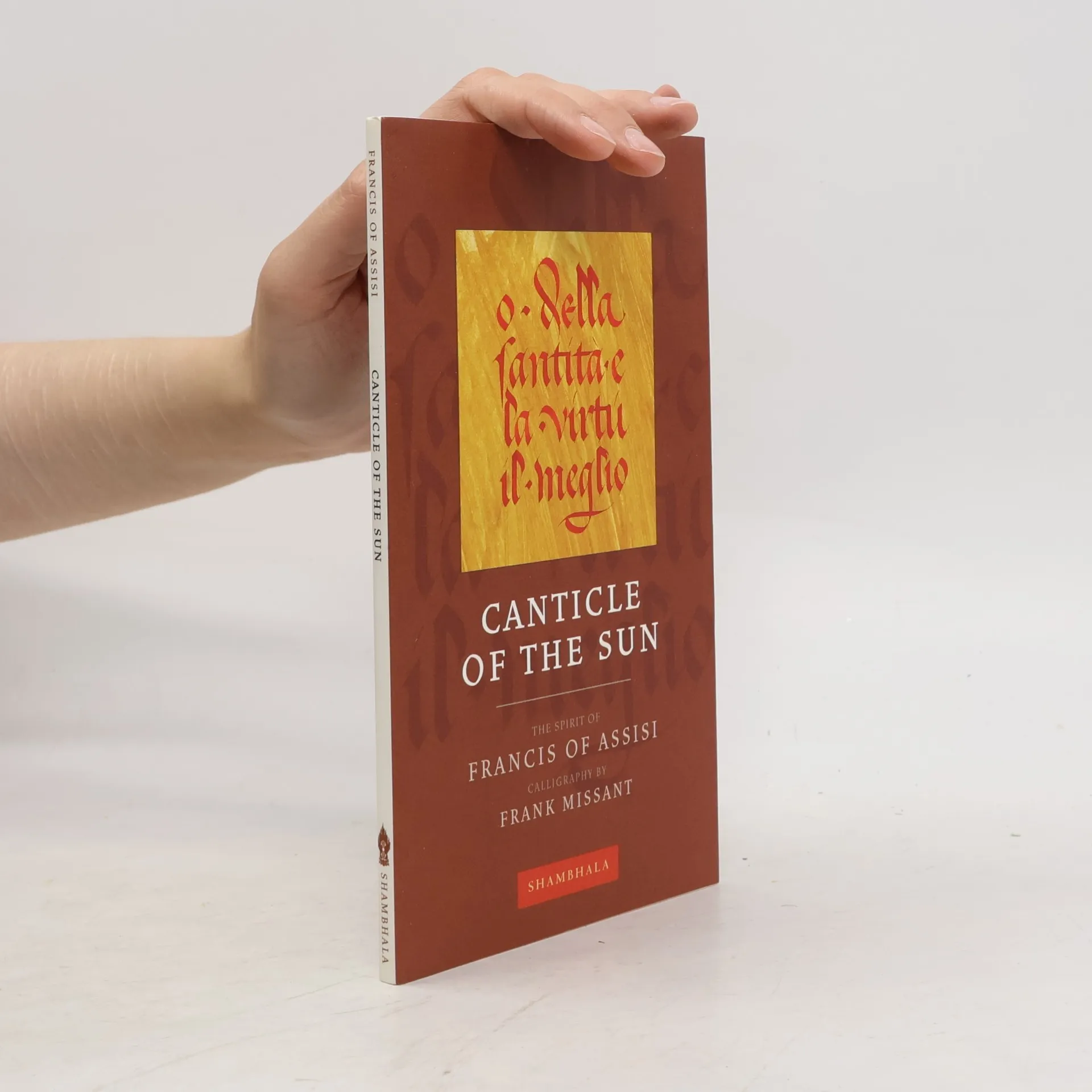
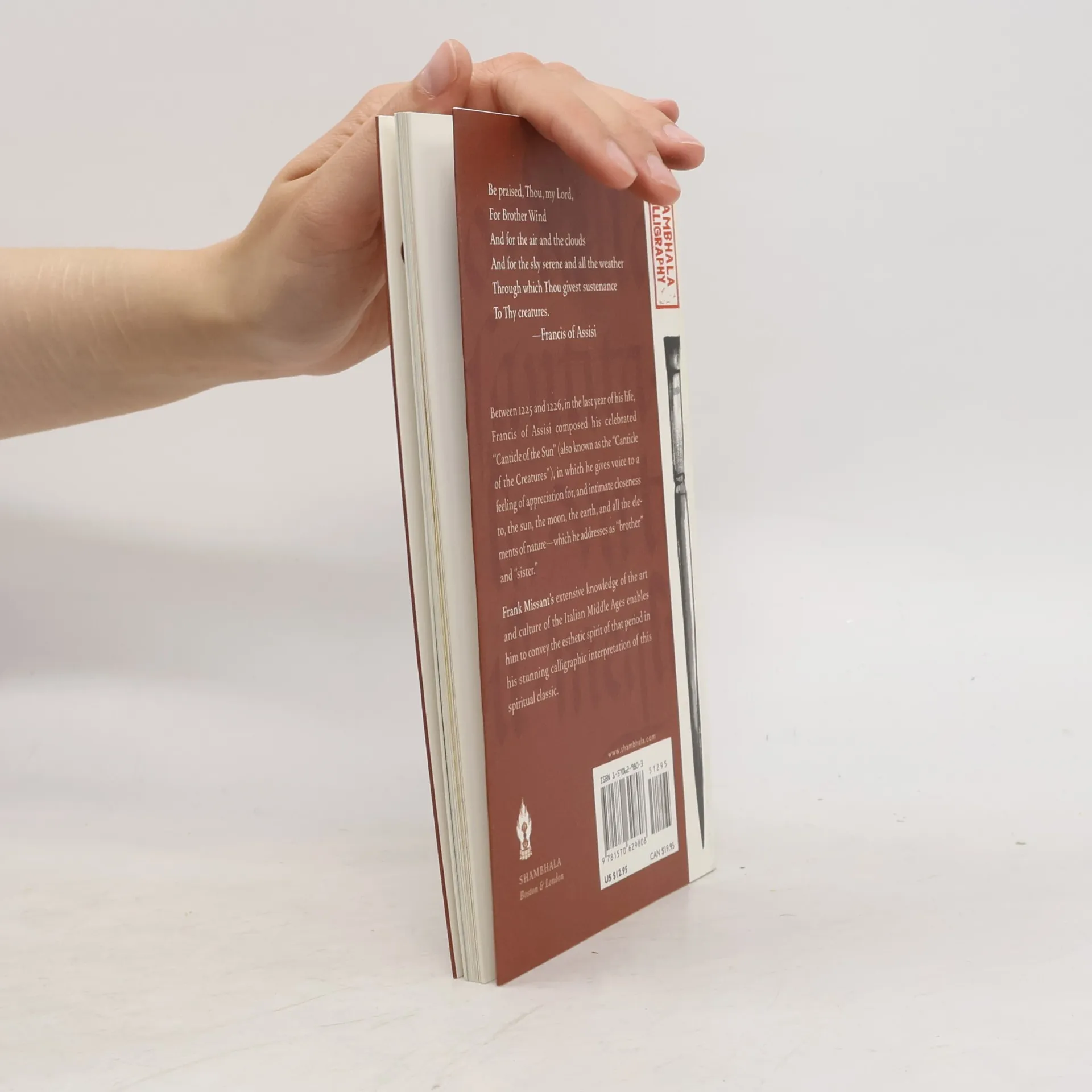
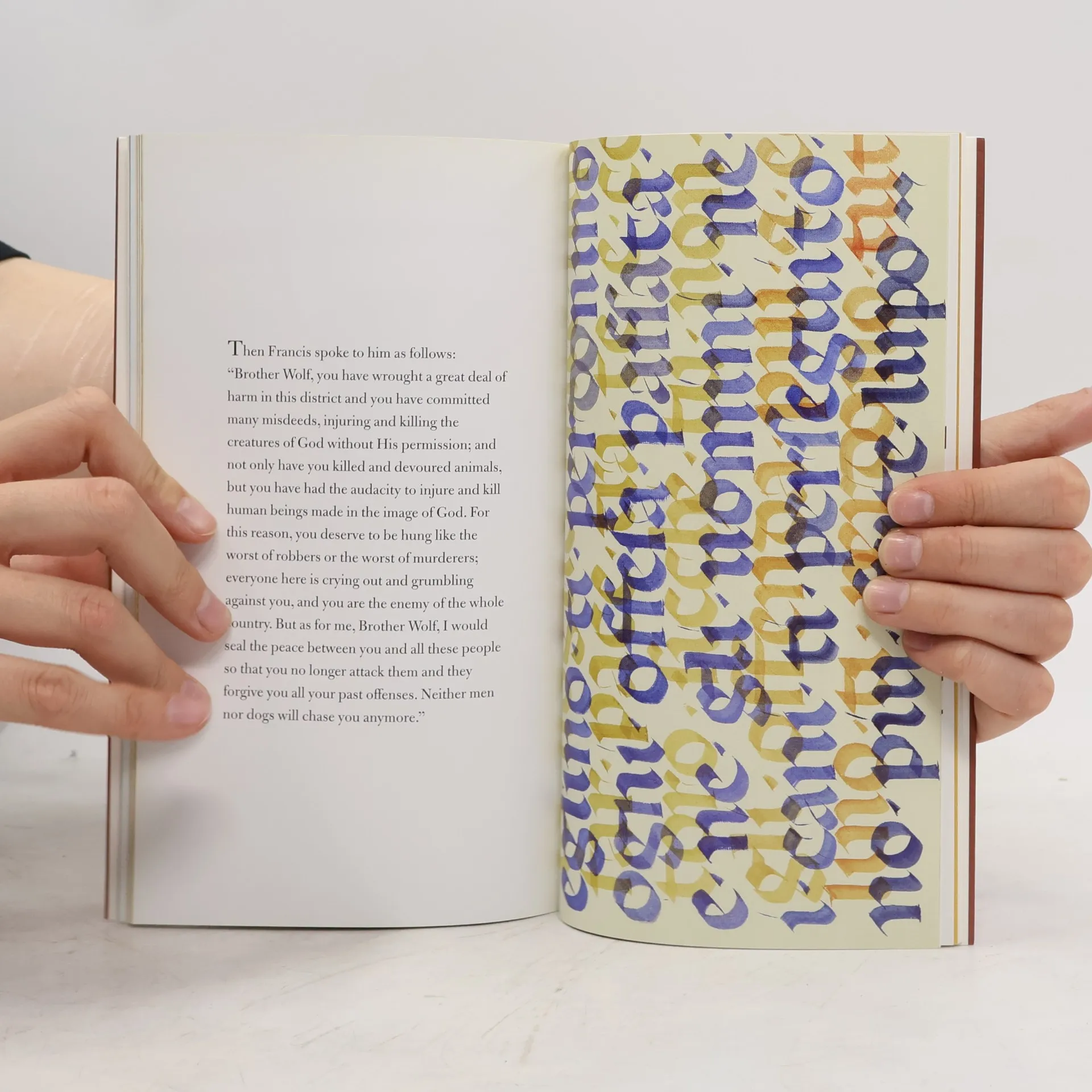
Between 1225 and 1226, in his final year, Francis of Assisi composed the "Canticle of the Sun," expressing deep appreciation for nature, addressing the sun, moon, earth, and elements as "brother" and "sister." Frank Missant, with his extensive knowledge of Italian Middle Ages art and culture, captures the aesthetic spirit of this era in his calligraphic interpretation of this spiritual classic. Calligraphy, derived from the Greek for "beautiful writing," merges word and image, allowing artists to visually express the meaning of words while remaining true to the text. This discipline has held spiritual significance across cultures and ages, appearing in nearly every language and religion. The Shambhala Calligraphy series showcases contemporary interpretations of traditional texts, featuring striking new works by modern calligraphers. In various scripts, including Arabic, Greek, Hebrew, Latin, and Chinese pictographs, characters and words are revitalized, creating a choreography of mind, hand, and heart that fuses letter and spirit in a single stroke.
Sprache

Buchkauf
The Calligrapher's Notebooks: Canticle of the Sun, Saint Francis, Frank Missant
- Sprache

- Erscheinungsdatum
- 2002
- Einband
- (Paperback),
- Buchzustand
- Gebraucht - Gut
- Preis
- € 6,89
Keiner hat bisher bewertet.
- Titel
- The Calligrapher's Notebooks: Canticle of the Sun
- Sprache
- Englisch
- Autor*innen
- Saint Francis, Frank Missant
- Verlag
- Shambhala
- Erscheinungsdatum
- 2002
- Einband
- Paperback
- Seitenzahl
- 64
- ISBN10
- 1570629803
- ISBN13
- 9781570629808
- Reihe
- Kategorien
- Beschreibung
- Between 1225 and 1226, in his final year, Francis of Assisi composed the "Canticle of the Sun," expressing deep appreciation for nature, addressing the sun, moon, earth, and elements as "brother" and "sister." Frank Missant, with his extensive knowledge of Italian Middle Ages art and culture, captures the aesthetic spirit of this era in his calligraphic interpretation of this spiritual classic. Calligraphy, derived from the Greek for "beautiful writing," merges word and image, allowing artists to visually express the meaning of words while remaining true to the text. This discipline has held spiritual significance across cultures and ages, appearing in nearly every language and religion. The Shambhala Calligraphy series showcases contemporary interpretations of traditional texts, featuring striking new works by modern calligraphers. In various scripts, including Arabic, Greek, Hebrew, Latin, and Chinese pictographs, characters and words are revitalized, creating a choreography of mind, hand, and heart that fuses letter and spirit in a single stroke.