



Parameter
- 450 Seiten
- 16 Lesestunden
Mehr zum Buch
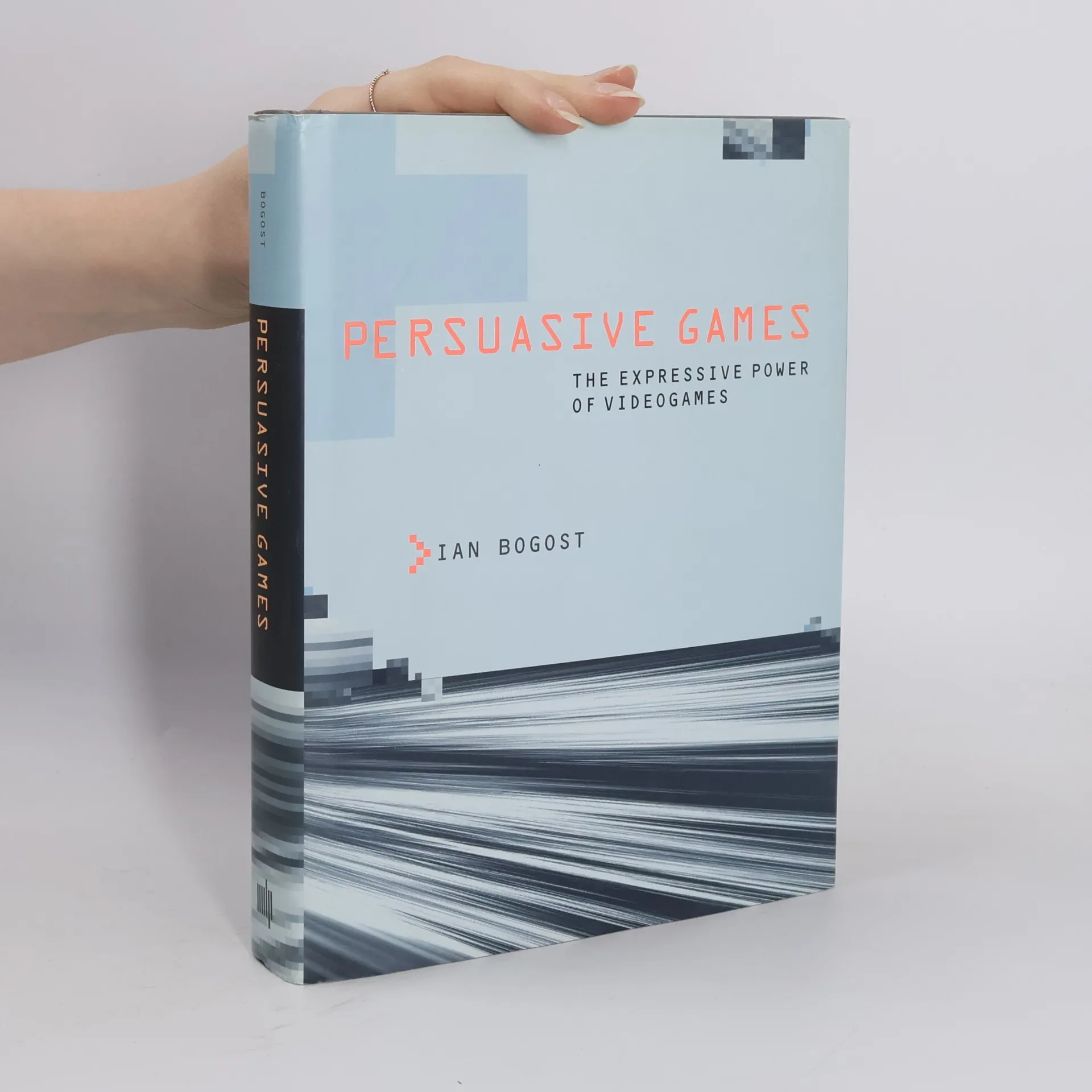
This exploration delves into how videogames construct arguments and express statements about the world, highlighting their unique persuasive power through their computational properties. As both expressive and persuasive mediums, videogames illustrate real and imagined systems, inviting players to engage and form judgments. Ian Bogost's innovative analysis draws on a 2,500-year history of rhetoric to examine its role in software and videogames. While media studies typically focus on visual rhetoric, Bogost introduces "procedural rhetoric," a new form tied to the rule-based representations and interactions inherent in videogames. He argues that this procedurality grants videogames a distinctive persuasive power that surpasses other computational forms. Videogames not only reinforce existing social and cultural positions but also have the potential to disrupt and transform them, fostering significant long-term social change. Bogost investigates three areas where videogame persuasion has emerged, demonstrating its impact on politics, advertising, and learning. Through this lens, the analysis reveals how videogames can influence perceptions and drive meaningful dialogue in society.
Buchkauf
Persuasive Games, Ian Bogost
- Sprache

- Erscheinungsdatum
- 2007
- Einband
- (Hardcover)
Keiner hat bisher bewertet.
- Titel
- Persuasive Games
- Untertitel
- The Expressive Power of Videogames
- Sprache
- Englisch
- Autor*innen
- Ian Bogost
- Verlag
- MIT Press
- Erscheinungsdatum
- 2007
- Einband
- Hardcover
- Seitenzahl
- 450
- ISBN10
- 0262026147
- ISBN13
- 9780262026147
- Reihe
- Kategorien
- Schlagwörter
- USA, Spiele, Wissenschaftliche Theorien, Medien und Medienkommunikation, Soziale Aspekte
- Beschreibung
- This exploration delves into how videogames construct arguments and express statements about the world, highlighting their unique persuasive power through their computational properties. As both expressive and persuasive mediums, videogames illustrate real and imagined systems, inviting players to engage and form judgments. Ian Bogost's innovative analysis draws on a 2,500-year history of rhetoric to examine its role in software and videogames. While media studies typically focus on visual rhetoric, Bogost introduces "procedural rhetoric," a new form tied to the rule-based representations and interactions inherent in videogames. He argues that this procedurality grants videogames a distinctive persuasive power that surpasses other computational forms. Videogames not only reinforce existing social and cultural positions but also have the potential to disrupt and transform them, fostering significant long-term social change. Bogost investigates three areas where videogame persuasion has emerged, demonstrating its impact on politics, advertising, and learning. Through this lens, the analysis reveals how videogames can influence perceptions and drive meaningful dialogue in society.