

Parameter
- 780 Seiten
- 28 Lesestunden
Mehr zum Buch
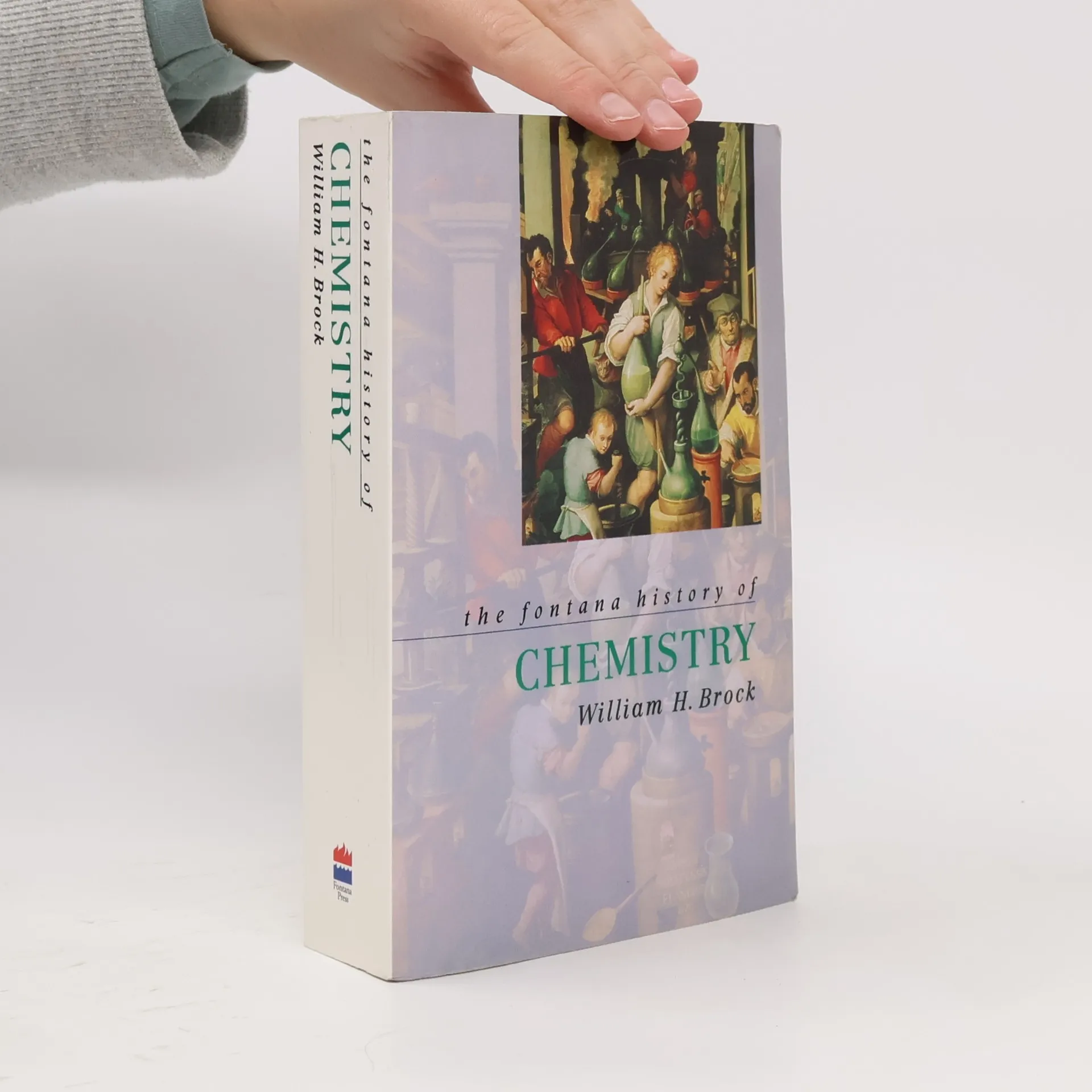
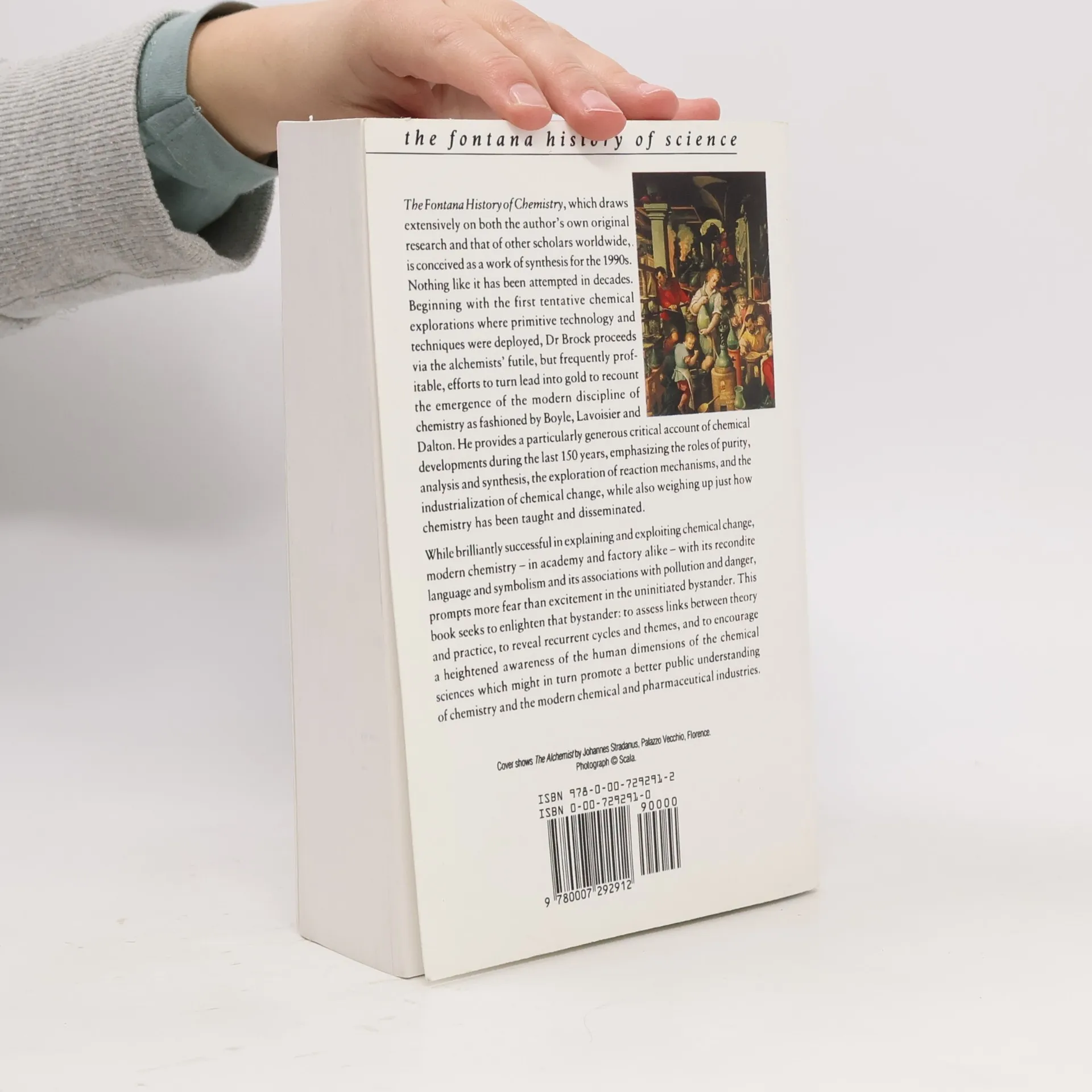
The Fontana History of Chemistry draws extensively on both the author's own original research and that of other scholars world wide. Beginning with the first tentative chemical explorations where primitive technology and techniques were deployed, Dr Brock proceeds via the alchemists' futile, but frequently profitable, efforts to turn lead into gold to recount the emergence of the modern discipline of chemistry as fashioned by Boyle, Lavoisier and Dalton. He provides a particularly generous critical account of chemical developments during the last 150 years, emphasizing the roles of purity, analysis and synthesis, the exploration of reaction mechanisms, and the industrialization of chemical change, while also weighing up just how chemistry has been taught and disseminated. While brilliantly successful in explaining and exploiting chemical change, modern chemistry with its recondite language and symbolism and its associations with pollution and danger, prompts more fear than excitement in the uninitiated bystander. This book seeks to enlighten that bystander: to assess links between theory and practice, to reveal recurrent cycles and themes, and to encourage a heightened awareness of the human dimensions of the chemical sciences which might in turn promote a better public understanding of chemistry and the modern chemical and phamaceutical industries.
Buchkauf
The Fontana History of Chemistry, William H. Brock
- Sprache

- Erscheinungsdatum
- 2008
- Einband
- (Paperback),
- Buchzustand
- Gebraucht - Gut
- Preis
- € 14,49
Keiner hat bisher bewertet.
- Titel
- The Fontana History of Chemistry
- Sprache
- Englisch
- Autor*innen
- William H. Brock
- Verlag
- Fontana Press
- Erscheinungsdatum
- 2008
- Einband
- Paperback
- Seitenzahl
- 780
- ISBN10
- 0007292910
- ISBN13
- 9780007292912
- Reihe
- Kategorien
- Schlagwörter
- Historisches Thema, Wissenschaft, Geschichte der Wissenschaft, Geisteswissenschaften, Wissenschaftsphilosophie
- Beschreibung
- The Fontana History of Chemistry draws extensively on both the author's own original research and that of other scholars world wide. Beginning with the first tentative chemical explorations where primitive technology and techniques were deployed, Dr Brock proceeds via the alchemists' futile, but frequently profitable, efforts to turn lead into gold to recount the emergence of the modern discipline of chemistry as fashioned by Boyle, Lavoisier and Dalton. He provides a particularly generous critical account of chemical developments during the last 150 years, emphasizing the roles of purity, analysis and synthesis, the exploration of reaction mechanisms, and the industrialization of chemical change, while also weighing up just how chemistry has been taught and disseminated. While brilliantly successful in explaining and exploiting chemical change, modern chemistry with its recondite language and symbolism and its associations with pollution and danger, prompts more fear than excitement in the uninitiated bystander. This book seeks to enlighten that bystander: to assess links between theory and practice, to reveal recurrent cycles and themes, and to encourage a heightened awareness of the human dimensions of the chemical sciences which might in turn promote a better public understanding of chemistry and the modern chemical and phamaceutical industries.