
Bookbot

Die Norton Library Geschichte von England

Diese umfassende Reihe führt die Leser durch die entscheidenden Momente und Epochen der englischen Geschichte, von ihren frühesten Anfängen bis in die Neuzeit. Jeder Band wird von führenden Historikern sorgfältig erarbeitet und bietet tiefe Einblicke in die politischen, sozialen und kulturellen Veränderungen, die die Nation geprägt haben. Sie stellt eine fundierte und dennoch zugängliche Erkundung für jeden dar, der von der britischen Geschichte fasziniert ist.

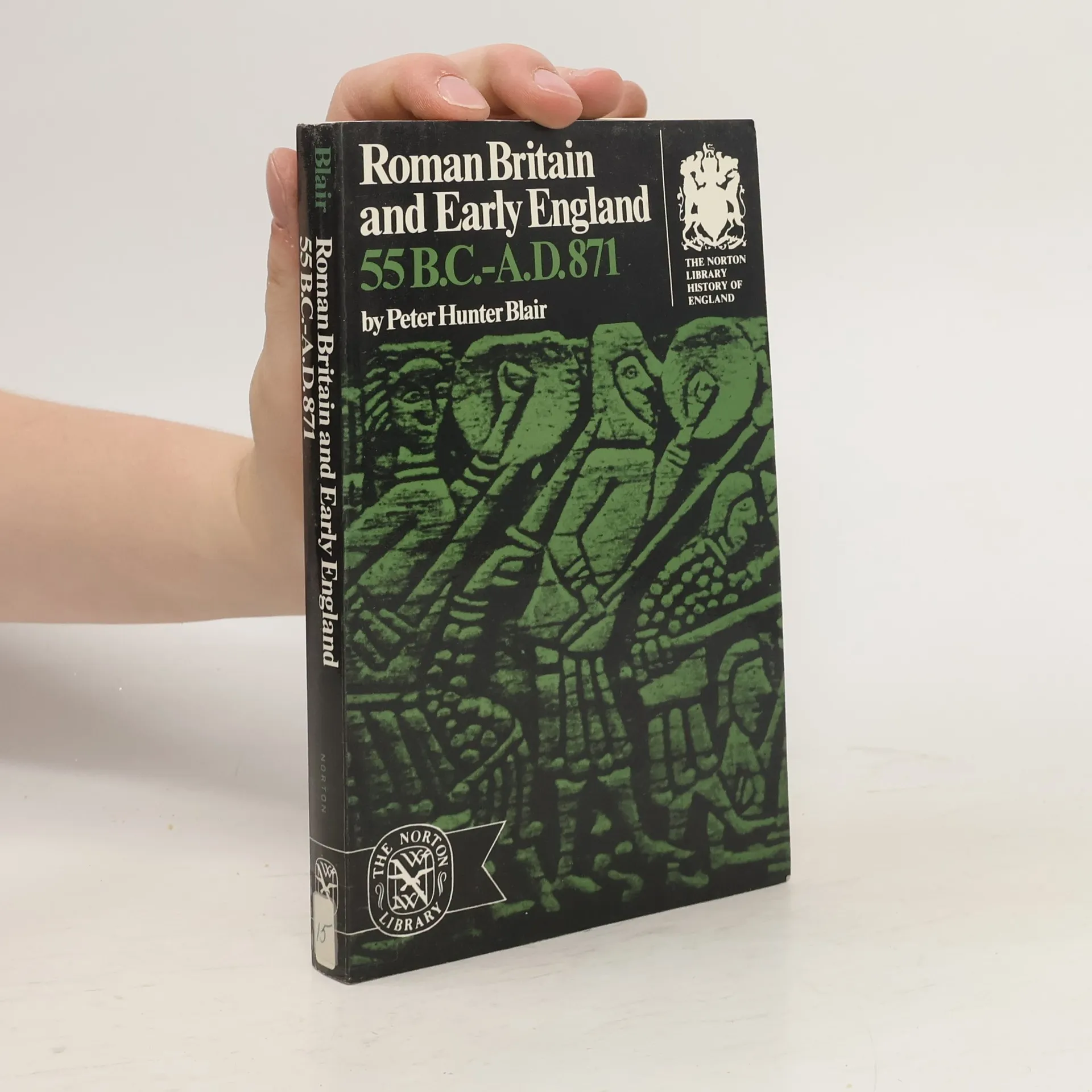
Roman Britain and Early England 55 B.C.-A.D. 871
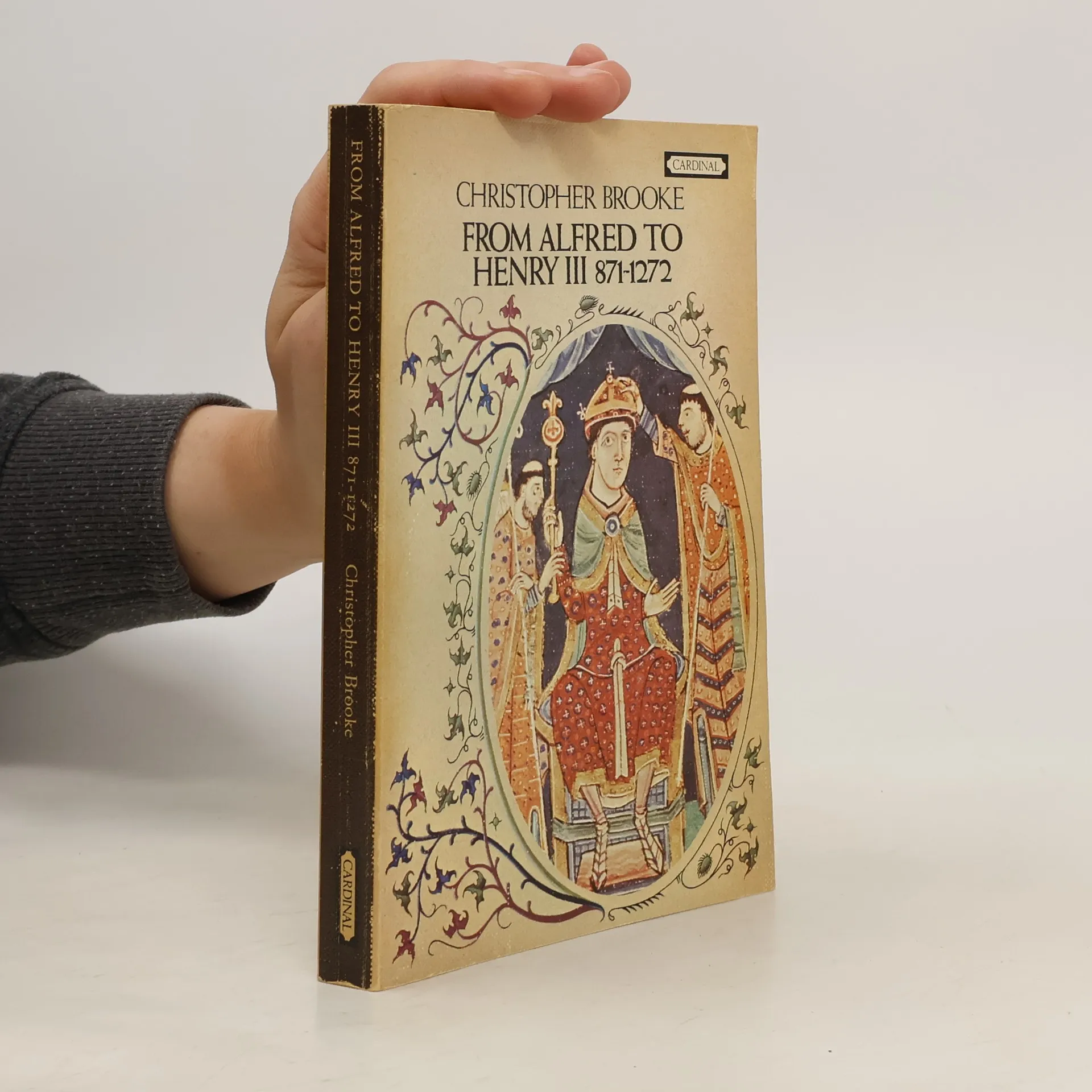
From Alfred to Henry III, 871 - 1272
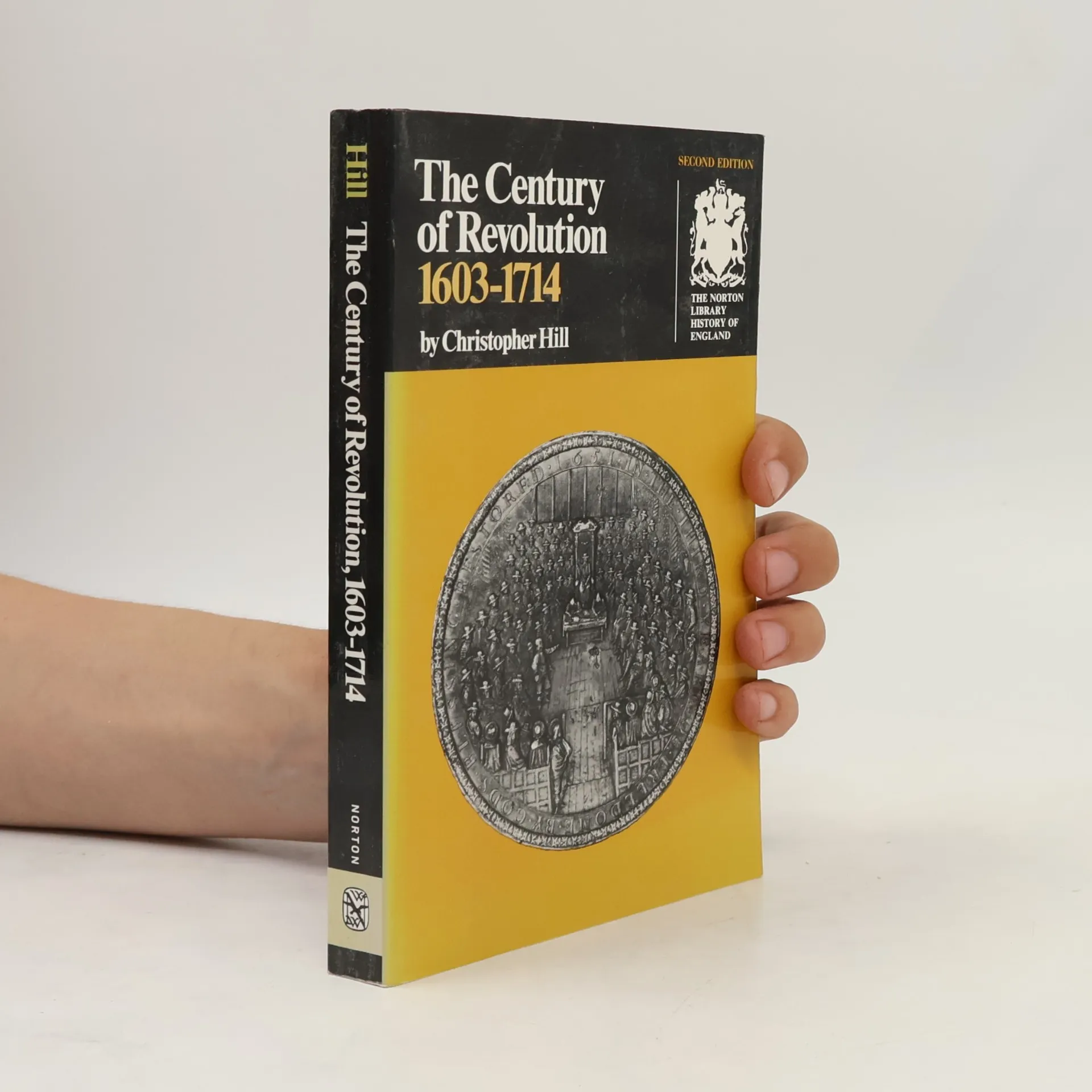
The Norton Library History of England: The Century of Revolution, 1603-1714
  • The years between 1603 and 1714 were perhaps the most decisive in English history. During this period modern English society and a modern state began to take shape, and England's position in the world was transformed. The Century of Revolution tries to penetrate below the familiar events to grasp what happened, both to ordinary English men and women as well as to kings and queens or abstractions like 'society' and 'the state'. The first edition of The Century of Revolution was published by Norton in 1966 as part of the Norton Library History of England. It has established itself as a classic and the outstanding book of the series. In this new edition, Dr. Hill includes the most important conclusions of recent research and has added postscripts drawing attention to especially significant books.

    The Norton Library History of England: The Century of Revolution, 1603-1714
    4,0
  • The 400 years covered by this volume saw two Danish invasions and the Norman Conquest of England. Each conquest carried with it extensive political and social changes. Alfred began the work of creating a unified kingdom out of the shambles of the smaller kingdoms that had fallen under Viking raids. The ninth and tenth centuries saw the settlement of the Danes and the eleventh the emergence of a strong monarchy under the Danish King Cnut. "With the English kingdom grew up the first semblance of national institutions," writes Professor Brooks--institutions of central and local government which made the English monarchy among the most mature in the Europe of its time.... These established institutions were not destroyed by the Normans; they adapted and developed them. Although England had had close ties with the continent before the Conquest, after 1066 English cultural and social life was greatly enriched through the French influence. During this time the Church was finding new inspiration in monastic and papal reform and a great intellectual revival culminated in the creation of universities. Professor Brooke describes all the cultural and political developments of these years and shows how the reign of Henry III ushered in a "great age of art and architecture" and a "new attitude to government," which began to work by consent of the governed.

    From Alfred to Henry III, 871 - 1272
    4,0
  • The special aim of this series is to provide serious and yet challenging books, not buried under a mountain of detail. Each volume is intended to provide a picture and an appreciation of its age, as well as a lucid outline, written by an expert who is keen to make available and alive the findings of modern research.

    Roman Britain and Early England 55 B.C.-A.D. 871
    3,8