

Bookbot

John Gower

Diese Reihe entführt die Leser in das geschäftige London des 14. Jahrhunderts, eine Zeit voller gesellschaftlicher Umwälzungen und politischer Intrigen. Sie werden den verwobenen Schicksalen von Charakteren aus allen Gesellschaftsschichten folgen, von edlen Rittern bis zu einfachen Bürgern. Tauchen Sie ein in eine Welt, die reich an historischen Details, moralischen Dilemmata und beständigen menschlichen Verbindungen ist. Diese Geschichten bieten einen fesselnden Einblick in eine komplexe und doch faszinierende Ära.

Invention of Fire
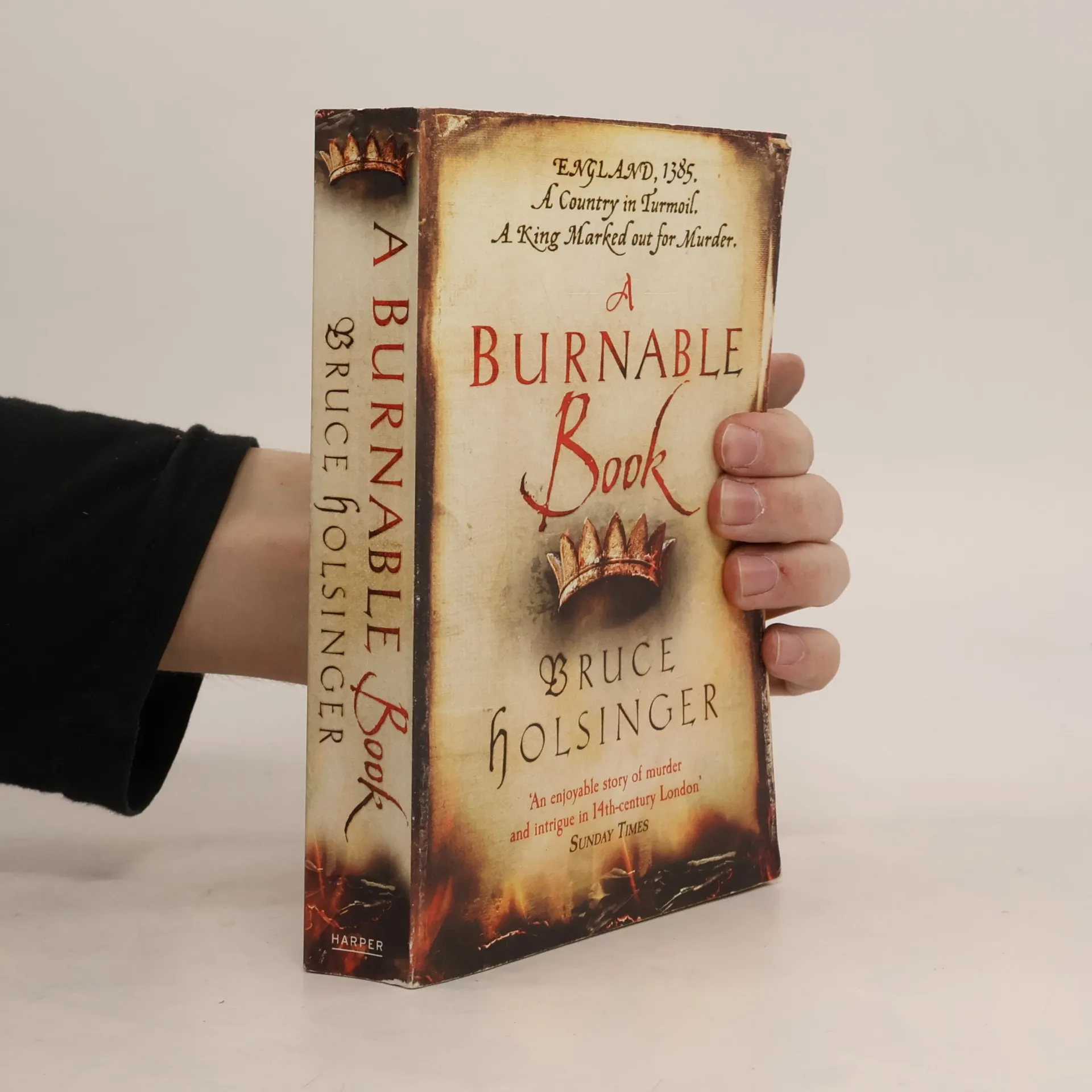
A Burnable Book

Empfohlene Lesereihenfolge

  1. A Burnable Book

    • 512 Seiten
    • 18 Lesestunden

    London, 1385. A city of shadows and fear, in a kingdom haunted by the spectre of revolt and ruled by the headstrong young King Richard II. A place of poetry and prophecy where power is bought by blood. For John Gower, part-time poet and full-time trader in information, secrets are his currency. When close confidant, fellow poet Geoffrey Chaucer, calls in an old debt, Gower cannot refuse. The request is simple: track down a missing book. It should be easy for a man of Gower's talents, who knows the back-alleys of Southwark as intimately as the courts and palaces of Westminster. But what Gower does not know is that htis book has already caused one murder, and that its contents could destroy his life. Because its words are behind the highest treason - a conspiracy to kill the king and reduce his reign to ashes...

    A Burnable Book1
    3,5
  2. Invention of Fire

    • 480 Seiten
    • 17 Lesestunden

    The author of the acclaimed medieval mystery A Burnable Book once again brings fourteenth-century London alive in all its color and detail in this riveting thriller featuring medieval poet and fixer John Gower--a twisty tale rife with intrigue, danger mystery, and murder. Though he is one of England's most acclaimed intellectuals, John Gower is no stranger to London's wretched slums and dark corners, and he knows how to trade on the secrets of the kingdom's most powerful men. When the bodies of sixteen unknown men are found in a privy, the Sheriff of London seeks Gower's help. The men's wounds--ragged holes created by an unknown object--are unlike anything the sheriff's men have ever seen. Tossed into the sewer, the bodies were meant to be found. Gower believes the men may have been used in an experiment--a test for a fearsome new war weapon his informants call the "handgonne," claiming it will be the "future of death" if its design can be perfected. Propelled by questions of his own, Gower turns to courtier and civil servant Geoffrey Chaucer, who is working on some poems about pilgrims that Gower finds rather vulgar. Chaucer thinks he just may know who commissioned this new weapon, an extremely valuable piece of information that some will pay a high price for--and others will kill to conceal. . .

    Invention of Fire2
    3,8