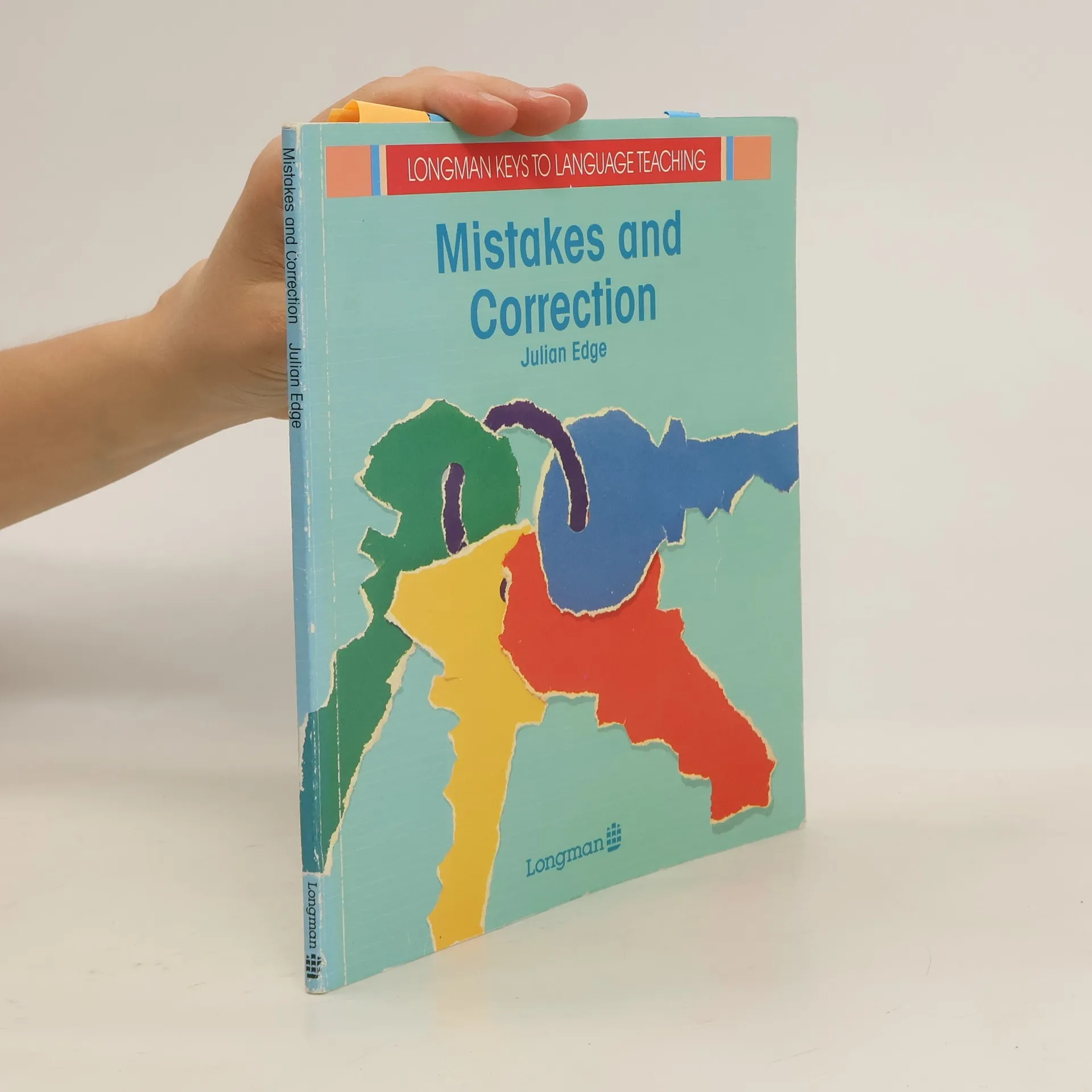
This book encourages the teacher to see mistakes as an important part of the learning process. It looks at the different kinds of mistakes that learners make and offers practical advice on when to correct mistakes and when to leave them, and on how best to correct them in both written and oral work. It includes chapters showing the teacher how to adopt a positive attitude towards mistakes and how to use them as a vital tool in encouraging the students' progress in English. The author looks at the need to balance accuracy and fluency and gives practical suggestions on how to correct students' mistakes whilst maintaining their enthusiasm for English and encouraging them to speak freely. The author gives advice on different correction techniques and activities to help teachers try out new techniques in their own classrooms. Examples of exercises and activities from coursebooks are given, together with student responses, and the author shows how these may be corrected with the maximum benefit to the student and the class as a whole.
Longman Keys to Language Teaching Reihe
Diese Reihe taucht tief in die Linguistik und Pädagogik ein und untersucht die effektivsten Methoden des Sprachunterrichts für moderne Lernende. Sie bietet Einblicke in theoretische Grundlagen und praktische Strategien für Lehrkräfte auf allen Ebenen. Ziel ist es, Innovationen zu inspirieren und Werkzeuge für die erfolgreiche Vermittlung von Sprachkenntnissen bereitzustellen.
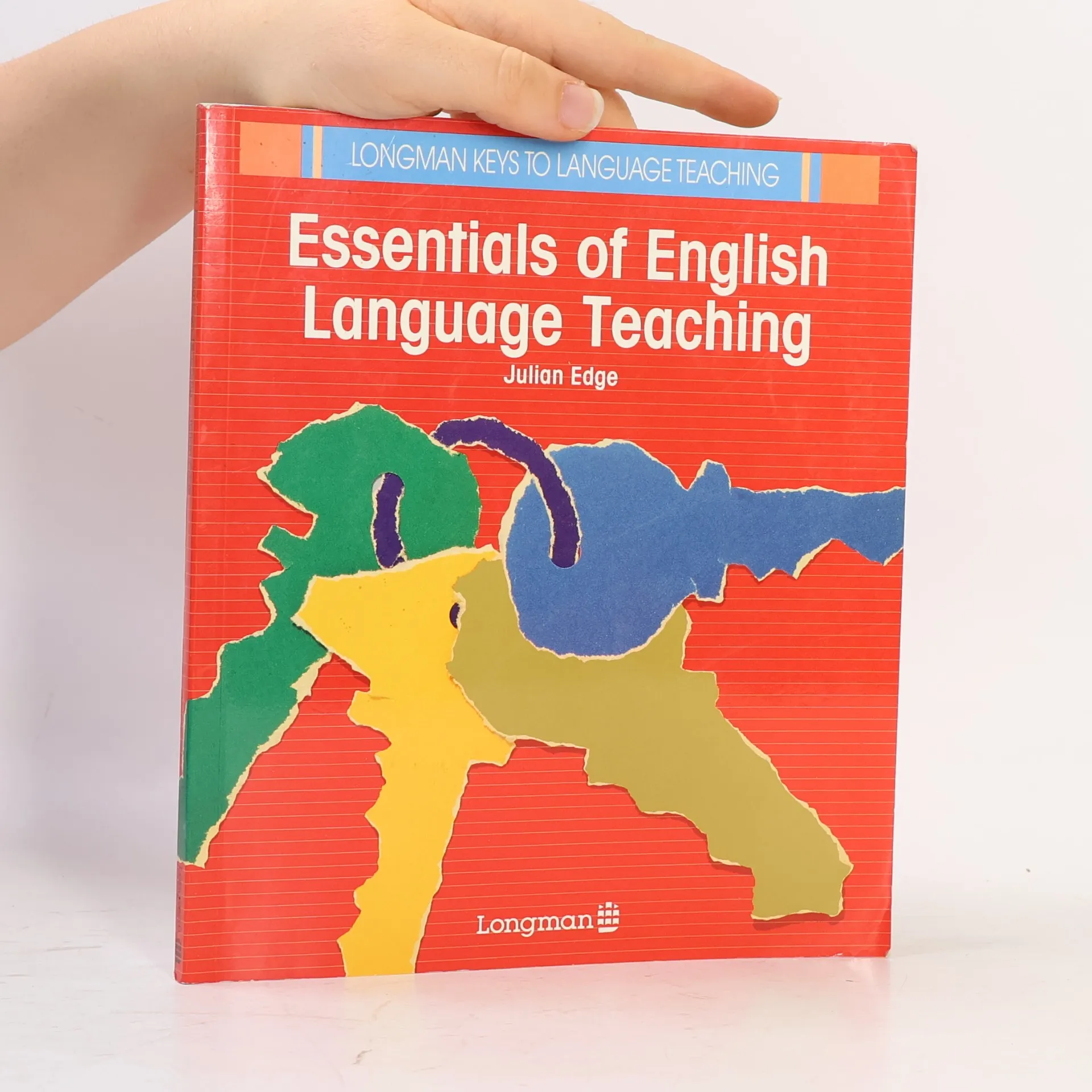
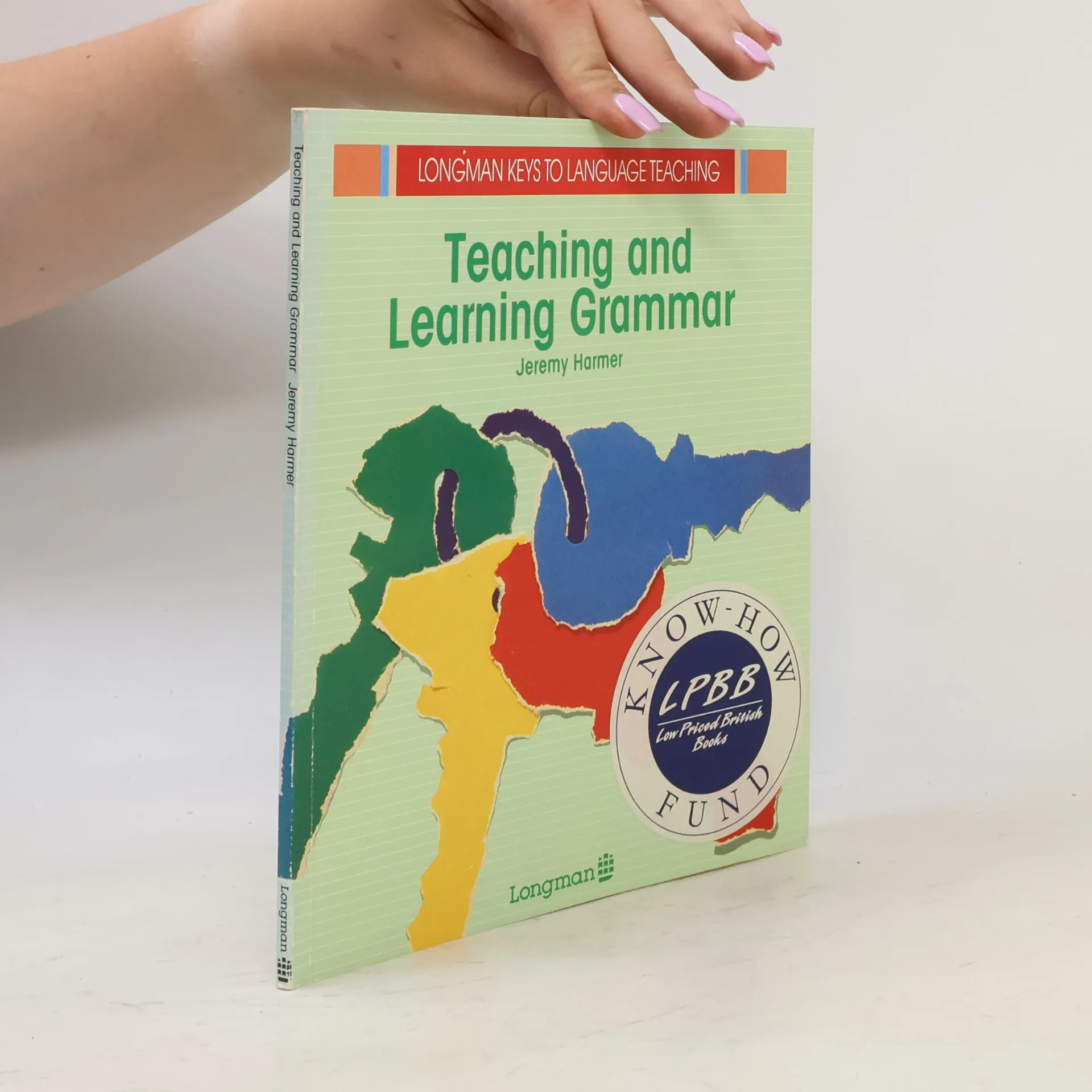
This series for teachers and teacher trainers gives sound, straightforward advice on good teaching methods, and practical suggestions for lessons and activities.This book shows how to use simple techniques to improve grammar teaching and increase students' motivation.
This series for teachers and teacher trainers gives sound, straightforward advice on good teaching methods, and practical suggestions for lessons and activities.Examples of teaching methods and materials show how they guide teachers in the decisions they must make for their own classrooms.
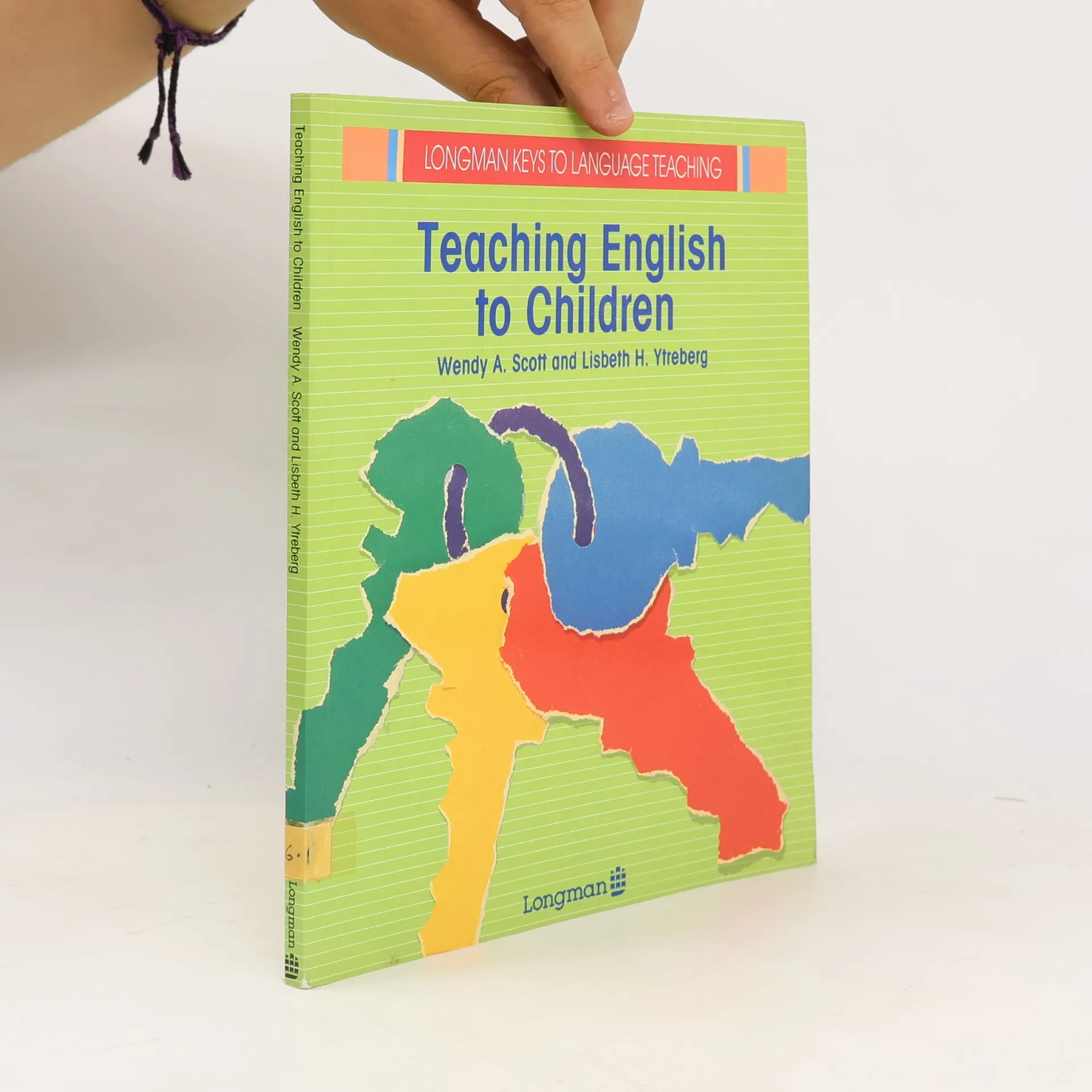
* Chapters on the four skills with useful games and activities which children will enjoy as they learn these skills * Helpful ideas for ways to organise your lessons , create the right atmosphere and what to do when things go wrong
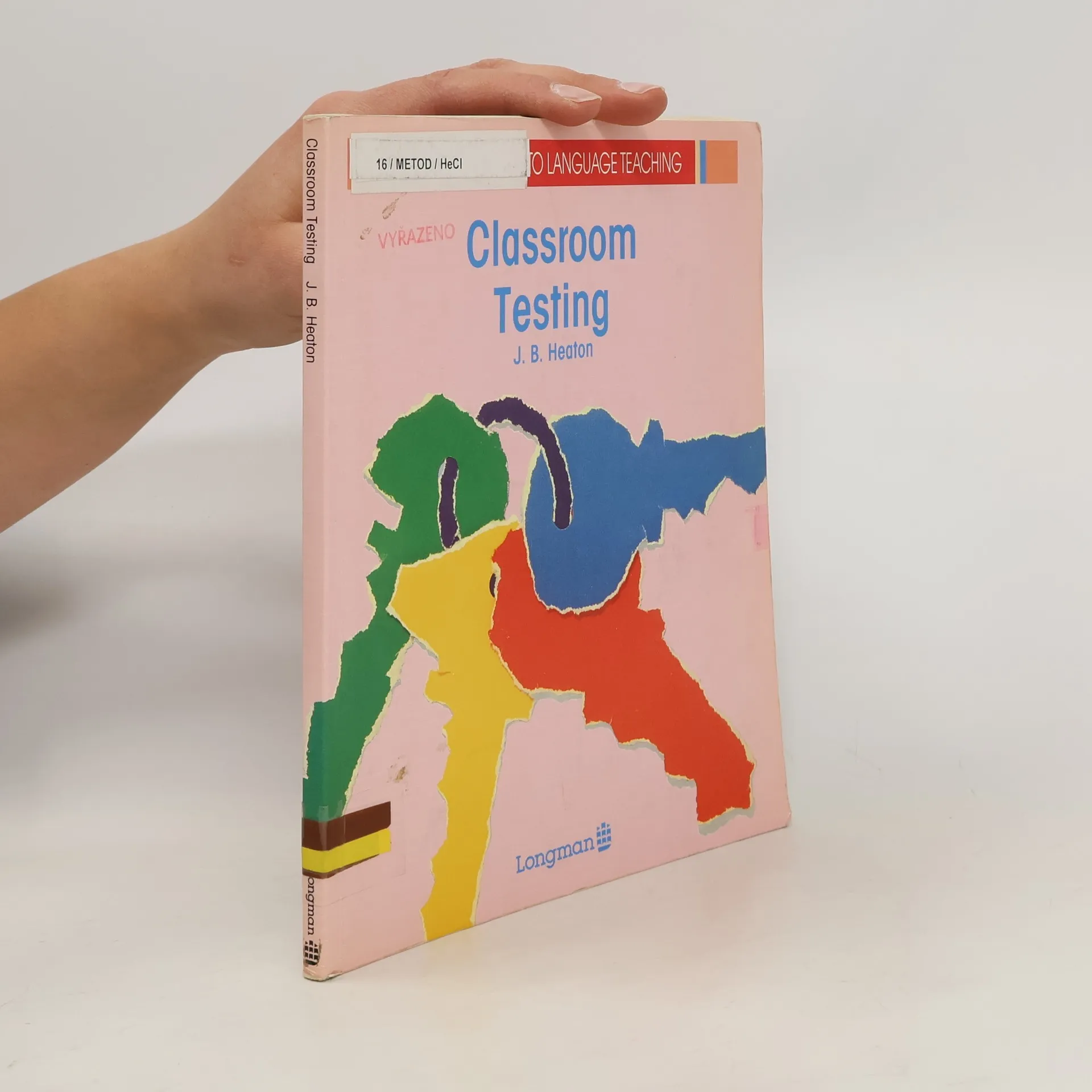
The Longman Keys to Language Teaching series is intended especially for ordinary teachers. The books in the "Keys" series offer realistic, practical, down-to-earth advice on useful techniques and approaches in the modern ELT classroom. Most of the activities suggested in these books can be adapted and used for almost any class, by any teacher. One of the subjects of most concern to all teachers is classroom testing. For what reasons should we do it? How should we do it? How often should we do it? How should we organise it? Can it be harmful? What is the relationship between teaching and testing? These are just some of the questions that Brian Heaton addresses in this book. With a minimum of jargon, a number of fundamental concepts are treated in an accessible manner. As well as a discussion of these important issues, the author includes a great many examples of tests that teachers can adapt and use in their own classrooms. In addition, he gives advice on the role of continuous assessment, in which there has been an increasing amount of interest in recent years. The book also contains some suggestions on oral testing - including how to cope with this in large classes
This book encourages the teacher to see mistakes as an important part of the learning process. It looks at the different kinds of mistakes that learners make and offers practical advice on when to correct mistakes and when to leave them, and on how best to correct them in both written and oral work. It includes chapters showing the teacher how to adopt a positive attitude towards mistakes and how to use them as a vital tool in encouraging the students' progress in English. The author looks at the need to balance accuracy and fluency and gives practical suggestions on how to correct students' mistakes whilst maintaining their enthusiasm for English and encouraging them to speak freely. The author gives advice on different correction techniques and activities to help teachers try out new techniques in their own classrooms. Examples of exercises and activities from coursebooks are given, together with student responses, and the author shows how these may be corrected with the maximum benefit to the student and the class as a whole.
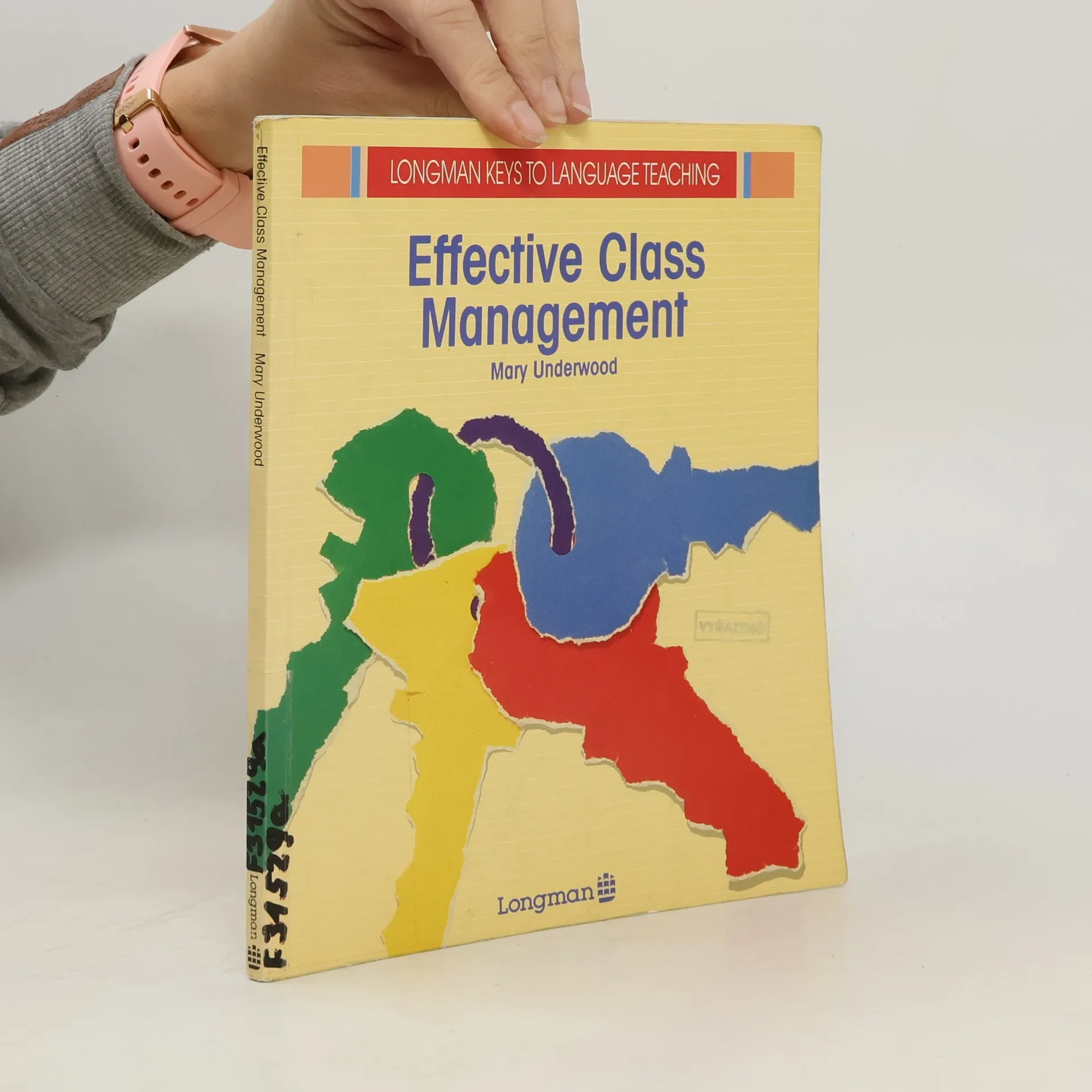
Keys to Language Teaching: Effective Class Management
- 96 Seiten
- 4 Lesestunden
Longman Keys to Language Teaching are full of pracficai suggestions for lessons and activities which will help you in your daily teaching. They are written in clear, jargon-tree English so you can read them quickly and refer to them easily as you need them. The authors are ail experienced teachers who give straightforward advice on basic teaching techniques. Effective Class Management provides practical advice on basic organisational skills which you will find invaluable if you are just starting to teach, or looking for a fresh approach. It Chapters covering the everyday practical problems which you face in the classroom - ranging from the use of audio-visual aids to persuading your students to use English in the classroom. Practical advice on lesson planning and the setting up of pair and group work with your students. Suggestions which show you how to reduce your workload simply through effective organisation. Examples which show you how to relate new ideas to your own teaching situation. Mary Underwood has many years' experience of teaching English and training teachers. She is an established author of ELT books and is perhaps best known for her listening materials.