Michael Beutler
- 200 Seiten
- 7 Lesestunden


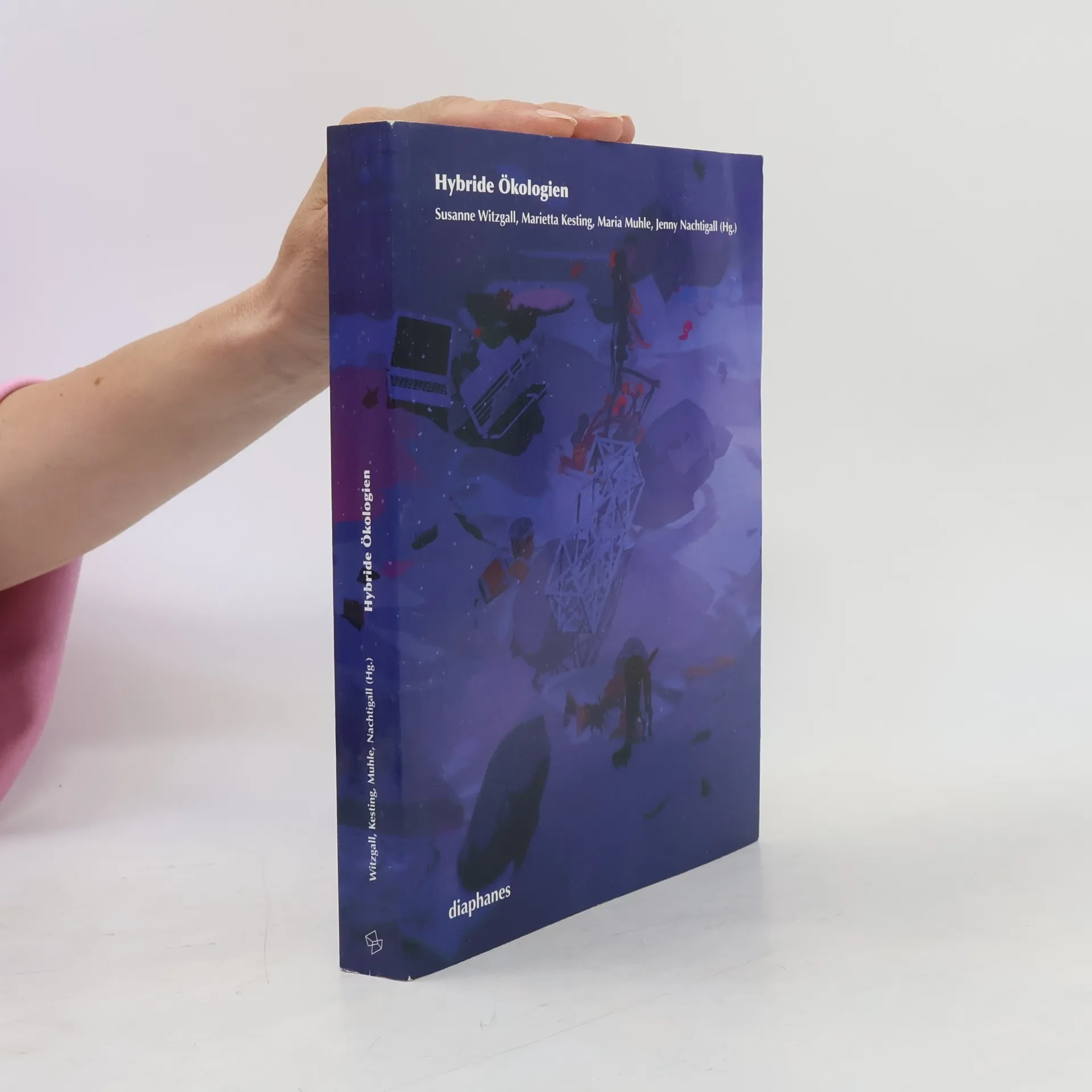

Im letzten Jahrzehnt rückte die Bedeutung von Emotionen und Affekten in gesellschaftlichen Dynamiken und Machtverhältnissen verstärkt in den Fokus des wissenschaftlichen und künstlerischen Interesses. Quer durch die Disziplinen wird die oppositionelle Trennung zwischen Vernunft und Gefühl torpediert und die zentrale Bedeutung von Emotionen und affektiven Atmosphären für die persönliche Urteils- und Entscheidungsfindung sowie den Bereich des Politischen hervorgehoben, in dem immer wieder die Konditionen des Zusammenlebens verhandelt werden. Die vorliegende Publikation versteht sich als vertiefender Beitrag zu diesen Diskursen und beleuchtet insbesondere künstlerische Position, die u.a. in Dialog mit philosophischen, gendertheoretischen oder neuro- und sozialwissenschaftlichen Ansätzen gebracht werden. Die ambivalenten politischen Dimensionen von Angst, Hoffnung und Mitgefühl sind dabei ebenso Thema wie die Beziehung von Affekt und Gewohnheit oder die Macht (medien)technischer Affizierungsprozesse
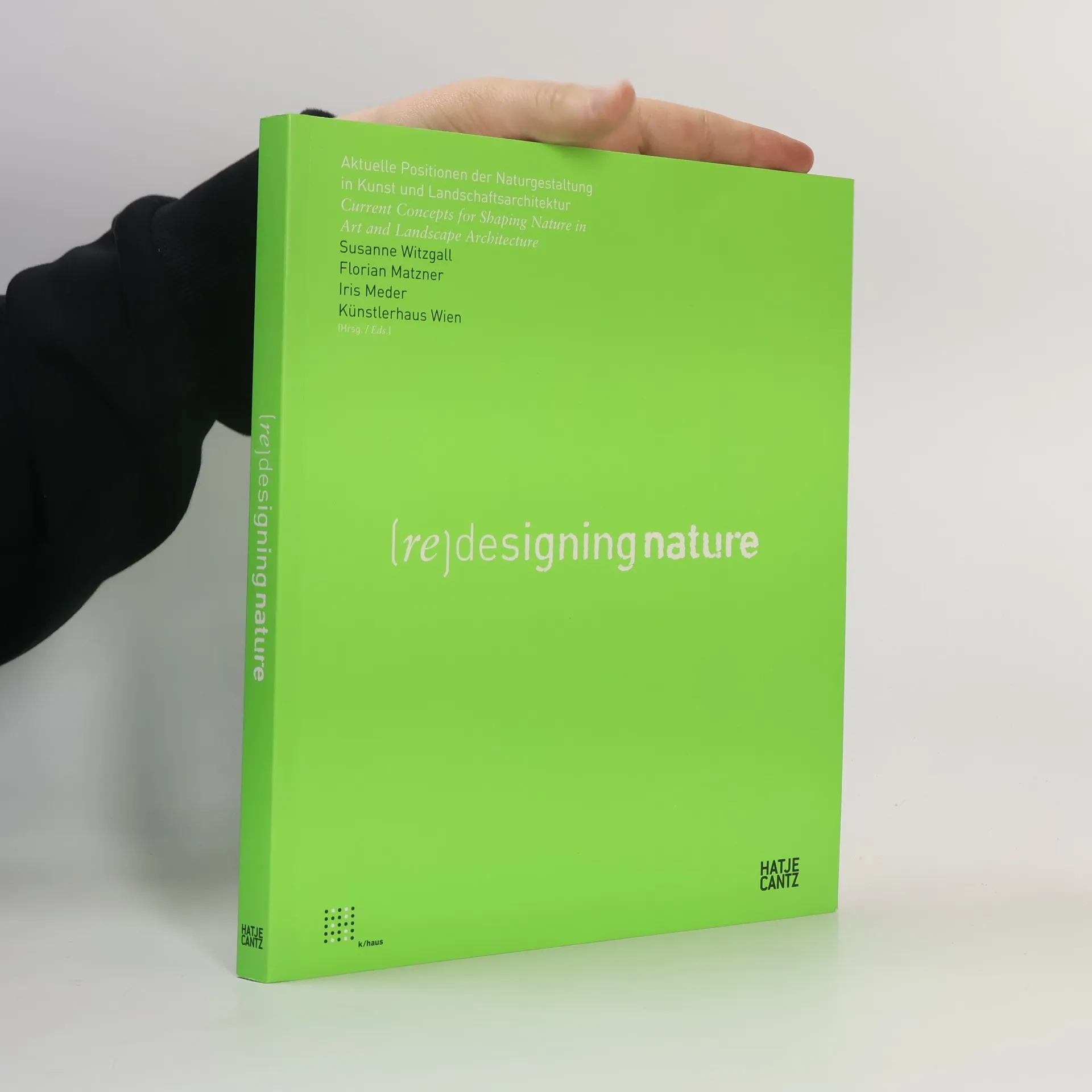
Zones in which nature can offset the tyranny of the built environment are an essential part of any satisfying urban experience, aesthetically and ecologically. ( Re)Designing Nature presents innovative design concepts for enhancing the presence and presentation of nature in cities. Inspiring its readers to contemplate our current relationship to nature, it animates debates about ecologically sustainable and aesthetically intelligent environmental design. In particular, the twin phenomena of rapidly shrinking cities and rapidly expanding megacities call for new models for the intercession and housing of urban nature. Artists and landscape architects offer proposals for alternative uses of empty city lots and old industrial areas, designing parasitical gardens in the middle of the city or utopian visions for a greater symbiosis of culture and nature. Maria Auböck, Susanne Hauser, Florian Matzner, Iris Meder, Bruno De Meulder, Kelly Shannon and Susanne Witzgall discuss various aspects of the project.
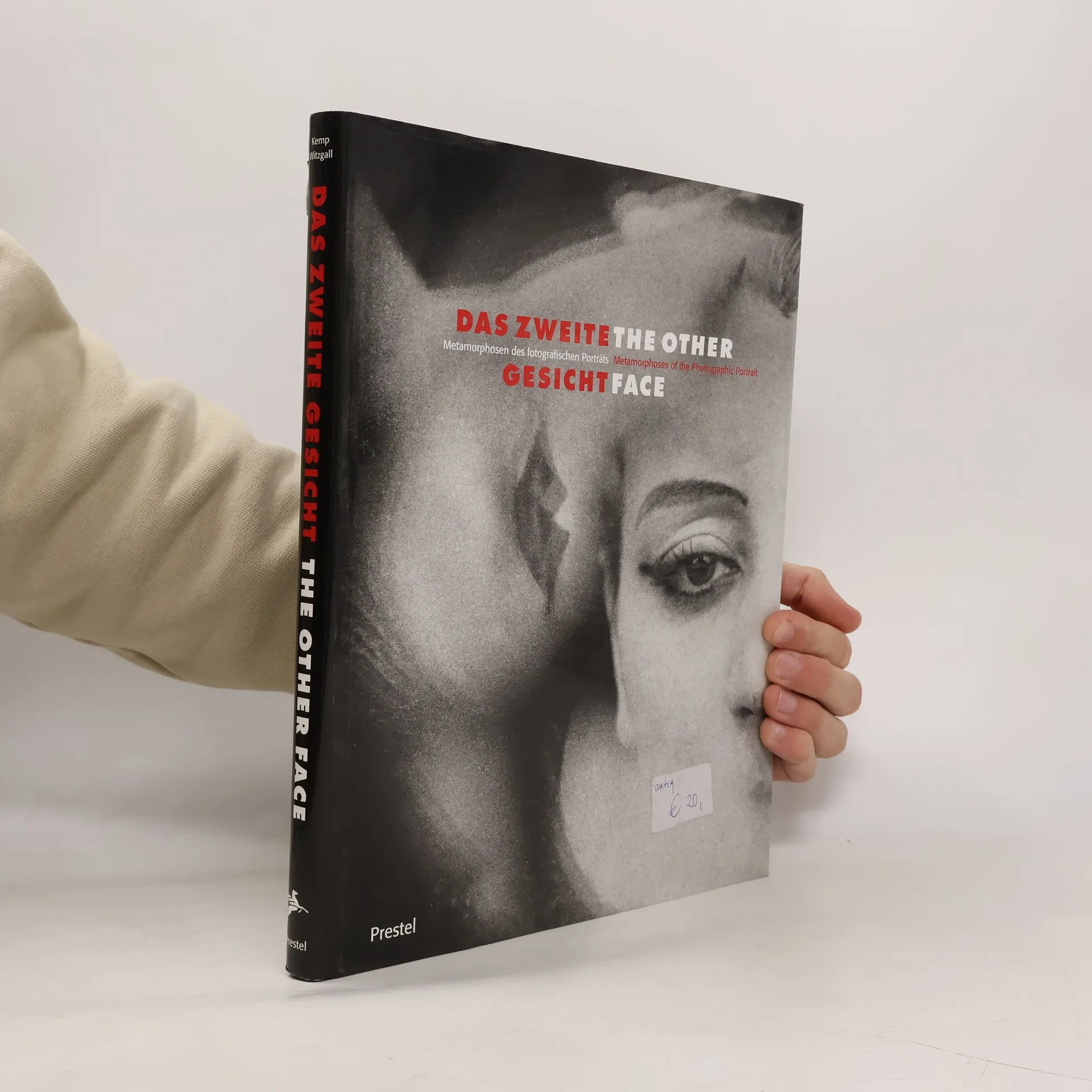
The human face has fascinated photographers and their audiences ever since the medium’s inception in the 19th century. And just as photography has changed since its invention, so has the way in which the human face is portrayed. Using the work of photography’s great pioneers to its contemporary innovators, this book traces the stunning technical possibilities of camera and film.