

Gratis Versand in ganz Österreich
Bookbot

Adam Tooze

    5. Juli 1967

    Adam Tooze ist ein britischer Historiker, dessen Werk sich mit Wirtschaftsgeschichte und ihren globalen Auswirkungen befasst. Seine Analysen dringen tief in komplexe Wirtschaftsstrukturen und deren Einfluss auf politische Ereignisse ein und enthüllen unerwartete Zusammenhänge zwischen scheinbar unzusammenhängenden Phänomenen. Tooze's Ansatz zeichnet sich durch sorgfältige Forschung und die Fähigkeit aus, komplexe Themen verständlich und fesselnd darzustellen. Seine Arbeiten bieten den Lesern eine neue Perspektive auf entscheidende Momente der Weltgeschichte durch die Brille der wirtschaftlichen Kräfte, die sie geformt haben.

    Statistics and the German State, 1900-1945
    The Deluge
    Sintflut
    Welt im Lockdown
    Crashed
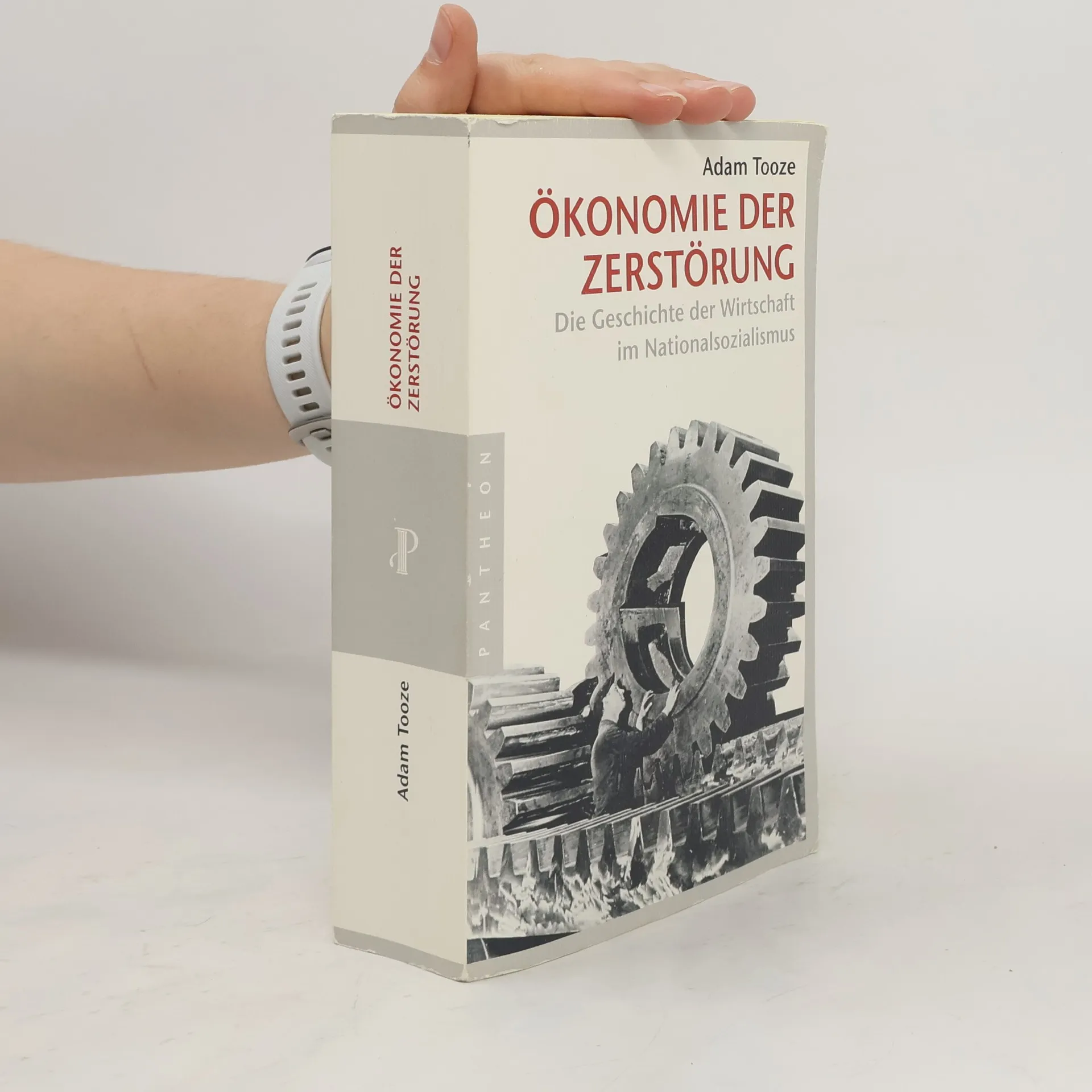
    Ökonomie der Zerstörung
    • 2021

      From the author of Crashed comes a gripping short history of how Covid-19 ravaged the global economy, and where it leaves us now When the news first began to trickle out of China about a new virus in December 2019, risk-averse financial markets were alert to its potential for disruption. Yet they could never have predicted the total economic collapse that would follow in COVID-19's wake, as stock markets fell faster and harder than at any time since 1929, currencies across the world plunged, investors panicked, and even gold was sold. In a matter of weeks, the world's economy was brought to an abrupt halt by governments trying to contain a spiralling public health catastrophe. Flights were grounded; supply chains broken; industries from tourism to oil to hospitality collapsed overnight, leaving hundreds of millions of people unemployed. Central banks responded with unprecedented interventions, just to keep their economies on life-support. For the first time since the second world war, the entire global economic system contracted. This book tells the story of that shutdown. We do not yet know how this story ends, or what new world we will find on the other side. In this fast-paced, compelling and at times shocking analysis, Adam Tooze surveys the wreckage, and looks at where we might be headed next.

      Shutdown : How Covid Shook the World´s Economy
    • 2021

      Welt im Lockdown

      Die globale Krise und ihre Folgen

      4,0(38)Abgeben

      CORONA CUT - DIE PANDEMIE UND DIE ZUKUNFT DER GLOBALISIERTEN WELT Adam Tooze erzählt in seinem atemberaubenden Buch die Geschichte der zwölf Monate vom Januar 2020 bis Januar 2021. Am Anfang gibt Xi Jinping der Weltöffentlichkeit bekannt, dass sich in China ein tödliches neues Virus ausbreitet. Am Ende zieht Joe Biden als Nachfolger von Donald Trump ins Weiße Haus ein. Dazwischen liegen die Schockwellen einer Pandemie, die keinen Kontinent, kein Land und keine Bevölkerung ungeschoren lässt. Der brillante Wirtschaftshistoriker Tooze schildert nicht nur, wie und warum Staaten und nationale Ökonomien auf jeweils eigene Weise und mit sehr unterschiedlichen Resultaten auf das Geschehen reagiert haben. Er analysiert die Pandemie auch im Kontext der anderen großen Krisen unserer Zeit, von der Finanzkrise über die Klimakrise bis zur Flüchtlingskrise. Welt im Lockdown ist eine tiefenscharfe Diagnose der Gegenwart und ein Buch, aus dem man lernen kann, wie die globalisierte Welt funktioniert, in der wir heute leben. Spannend wie ein Thriller - Adam Tooze beschreibt unsere Welt im radikalen Wandel Wie gehen die Regierungen weltweit mit der nie dagewesenen Krise um und welche Konsequenzen hat das? Eine tiefgreifende Analyse unserer Gegenwart weit über die Corona-Krise hinaus Tooze gilt als einer der besten Wirtschaftshistoriker seiner Generation

      Welt im Lockdown
    • 2018

      Der Finanzcrash und seine dramatischen Folgen Als die US-Großbank Lehman Brothers im September 2008 zusammenbrach, war dies der Tiefpunkt der Banken- und Finanzkrise. Und obwohl der totale Kollaps der Weltwirtschaft damals verhindert wurde, ist die Finanzkrise noch lange nicht Geschichte, wie der britische Historiker Adam Tooze zeigt. Er schildert, wie es zu dieser Krise der Finanzmärkte kam und welche dramatischen Folgen sie bis heute hat. Denn nicht nur ist durch die Finanzkrise die Stabilität Europas ins Wanken geraten, sie hat auch das Vertrauen in die Kraft der globalen Wirtschaftsordnung erschüttert – und so zum Aufstieg der Populisten beigetragen.

      Crashed
    • 2017

      Teza, że nazistowskie Niemcy były niepowstrzymaną, niszczycielską siłą, wspartą przez wysoce uprzemysłowioną gospodarkę jest podstawą wszystkich opisów drugiej wojny światowej. A co, jeśli tak nie było? Jeśli tragedia XX- wiecznej Europy miała swoje korzenie raczej w niemieckiej słabości niż sile? Adam Tooze dał pierwszy w ostatnich latach radykalnie nowy opis drugiej wojny światowej. Zrobił to poprzez umieszczenie w sercu tej historii ekonomii na równi z kwestiami rasowymi i politycznymi. Intuicyjne rozumienie realiów światowej gospodarki było fundamentalne dla światopoglądu Hitlera. Zrozumiał, że względne ubóstwo Niemiec w roku 1933 było rezultatem nie tylko Wielkiej Depresji, ale także ograniczonego terytorium i niewielkich zasobów naturalnych. Przewidywał narodziny nowego, zglobalizowanego świata, w którym Europa zostanie zmiażdżona przez przytłaczającą potęgę Ameryki. Była tylko jedna, ostatnia szansa: europejskie superpaństwo pod rządami Niemiec. Globalny układ gospodarczy i wojskowy był jednak od samego początku wymierzony w Hitlera i właśnie w celu zapobieżenia niebezpieczeństwu ze strony Zachodu wysłał swoje niedoposażone armie, aby na bezprecedensową skalę, ale ostatecznie daremnie, siały zniszczenie w całej Europie. Nawet latem 1940 roku, w momencie największego triumfu Niemiec, ciągle dręczyło go zbliżające się zagrożenie ze strony anglo-amerykańskiej potęgi powietrznej i morskiej, uknute, jak uważał, przez światowy spisek żydowski. Kiedy Wehrmacht osiadł na mieliźnie w Związku Radzieckim, wojna błyskawicznie przekształciła się w konflikt na wyczerpanie, w którym Niemcy nie mogli już mieć nadziei na zwycięstwo. Niezdolność Hitlera, Alberta Speera i innych do uznania tego faktu skutkowała zniszczeniem Trzeciej Rzeszy za cenę dziesiątek milionów ofiar. Książka Adama Tooze'a jest wciągającym i ożywczym opisem zadziwiających wydarzeń, na nowo określającym nasze spojrzenie na nazistowskie Niemcy i drugą wojnę światową. I kilka rekomendacji: To jedna z najważniejszych i najoryginalniejszych książek o Trzeciej Rzeszy, jakie wydano w ostatnich dwudziestu latach, i oczywiście najlepsza, jaką kiedykolwiek czytałem o nazistowskiej gospodarce. Tooze łączy znajomość zawiłych kwestii ekonomicznych z niezwykłą głębią i zakresem wiedzy historycznej. Słusznie podkreśla zasadnicze znaczenie zbrojeń i wojny dla wielkiego, katastrofalnego projektu Hitlera. Co więcej, opisuje to z rzadką jasnością i inteligentnym dowcipem. Niall Ferguson, autor The War of the World Cena zniszczenia Adama Tooze'a to wyjątkowa historia do przeczytania jednym tchem. Snuta przez autora nieznana opowieść o finansach hitlerowskich Niemiec zmienia nie tylko nasz pogląd na odrażający reżim Hitlera, ale wręcz na samą historię XX wieku. Świetnie napisana, z każdej strony bije jej nieodparta, oryginalna erudycja. Niezbędna lektura dla wszystkich badaczy tego okresu, będzie się jednak także podobać szerszemu gronu czytelników, ustanawiając nowy, przekonujący obraz samego Hitlera. John Cornwell, autor Hitler's Pope Niezwykła książka naukowa, prowokacyjna i ogromnie warta przeczytania która umieszcza nazizm, wojnę i Holocaust na ogólnym tle historii Europy. Przerażająca epopeja o wygórowanych ambicjach jednego człowieka, zmagającego się z pokonaniem ograniczeń gospodarki swojego kraju za cenę szokujących kosztów ludzkich. David Reynolds, autor In Command of History

      Cena zniszczenia. Wzrost i załamanie nazistowskiej
    • 2016

      To jedna z najważniejszych i najoryginalniejszych książek o Trzeciej Rzeszy, jakie wydano w ostatnich dwudziestu latach, i oczywiście najlepsza, jaką kiedykolwiek czytałem o nazistowskiej gospodarce. Tooze łączy znajomość zawiłych kwestii ekonomicznych z niezwykłą głębią i zakresem wiedzy historycznej. Słusznie podkreśla zasadnicze znaczenie zbrojeń i wojny dla wielkiego, katastrofalnego projektu Hitlera. Co więcej, opisuje to z rzadką jasnością i inteligentnym dowcipem.

      Cena zniszczenia
    • 2015

      The Deluge

      The Great War, America and the Remaking of the Global Order, 1916-1931

      • 688 Seiten
      • 25 Lesestunden
      4,2(54)Abgeben

      This book offers a profound and unique examination of the First World War and its painful consequences, delving into the economic and social ramifications that shaped the post-war era. The author, a renowned economist, draws on extensive research and analysis to provide insights into how the war influenced global dynamics and individual lives. With a compelling narrative, it challenges conventional perspectives and invites readers to reconsider the lasting impact of this pivotal conflict.

      The Deluge
    • 2015

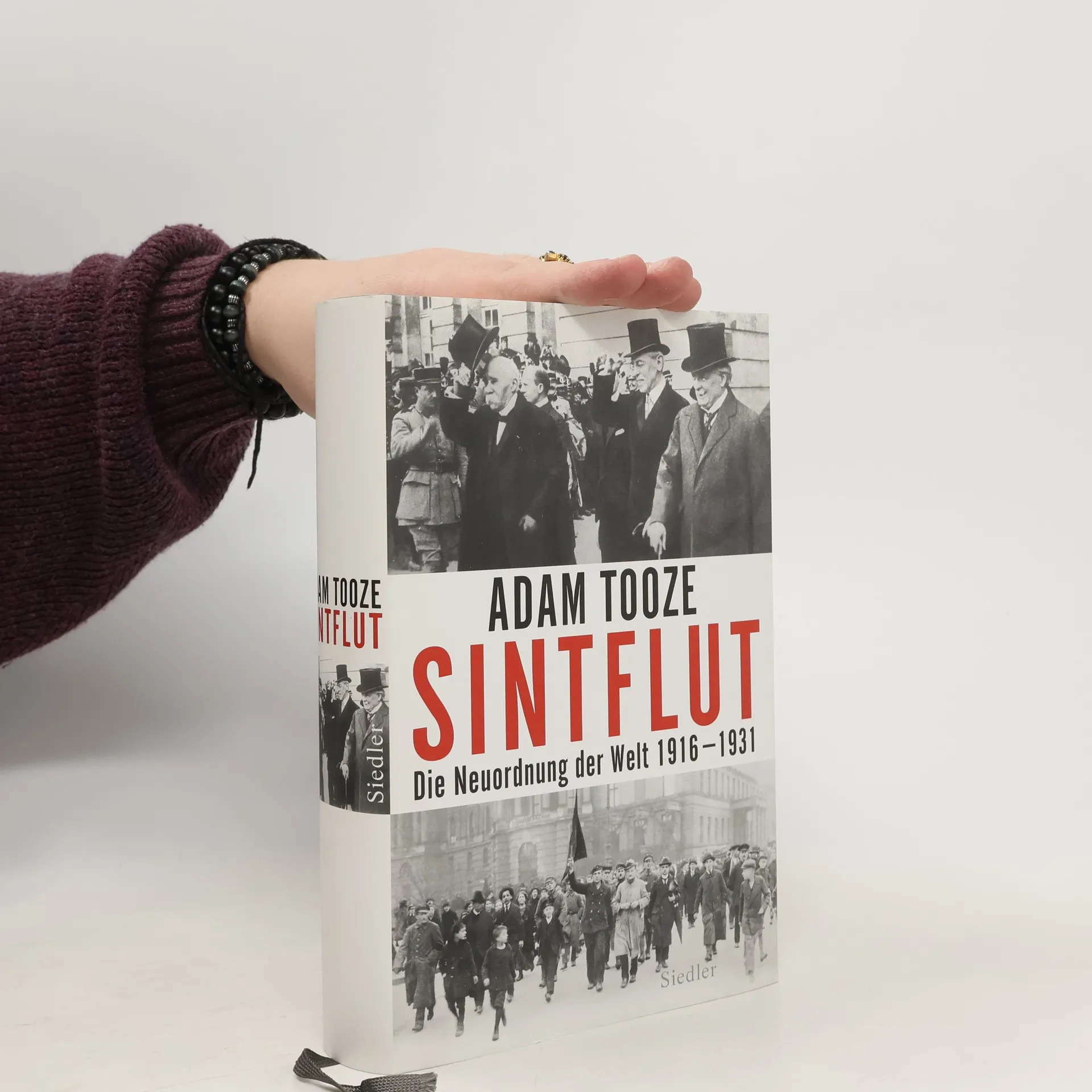
      Wie aus den Trümmern des Ersten Weltkriegs eine neue Welt entstand Wie eine Sintflut riss der Erste Weltkrieg die alte Ordnung hinweg, wirbelte gesellschaftliche, politische und ökonomische Vormachtstellungen durcheinander, ließ ganze Reiche zerbrechen und neu entstehen. In einem weltumspannenden Panorama beschreibt Adam Tooze die fundamentalen Verschiebungen der Zwischenkriegszeit und legt dar, wie fatal sich vor allem die Rolle der USA auswirkte: Die neue Weltmacht scheiterte letztlich daran, dauerhaft für Frieden zu sorgen. Ausstattung: mit Abbildungen

      Sintflut
    • 2015

      In the depths of the Great War, with millions of dead and no imaginable end to the conflict, societies around the world began to buckle. A new global order was being born. Adam Tooze's panoramic book tells the radical story of the struggle for global mastery from the battles of the Western Front in 1916 to the Great Depression of the 1930s

      The Deluge
    • 2014

      Focusing on the period between 1900 and 1945, the book examines the evolution of statistical innovation within the contexts of the Weimar Republic and the Third Reich. It explores how statistical methods and practices were developed and utilized during these tumultuous times, highlighting their implications for governance, society, and the shaping of public policy. The analysis provides insights into the intersection of statistics with political and ideological agendas in early 20th-century Germany.

      Statistics and the German State, 1900-1945