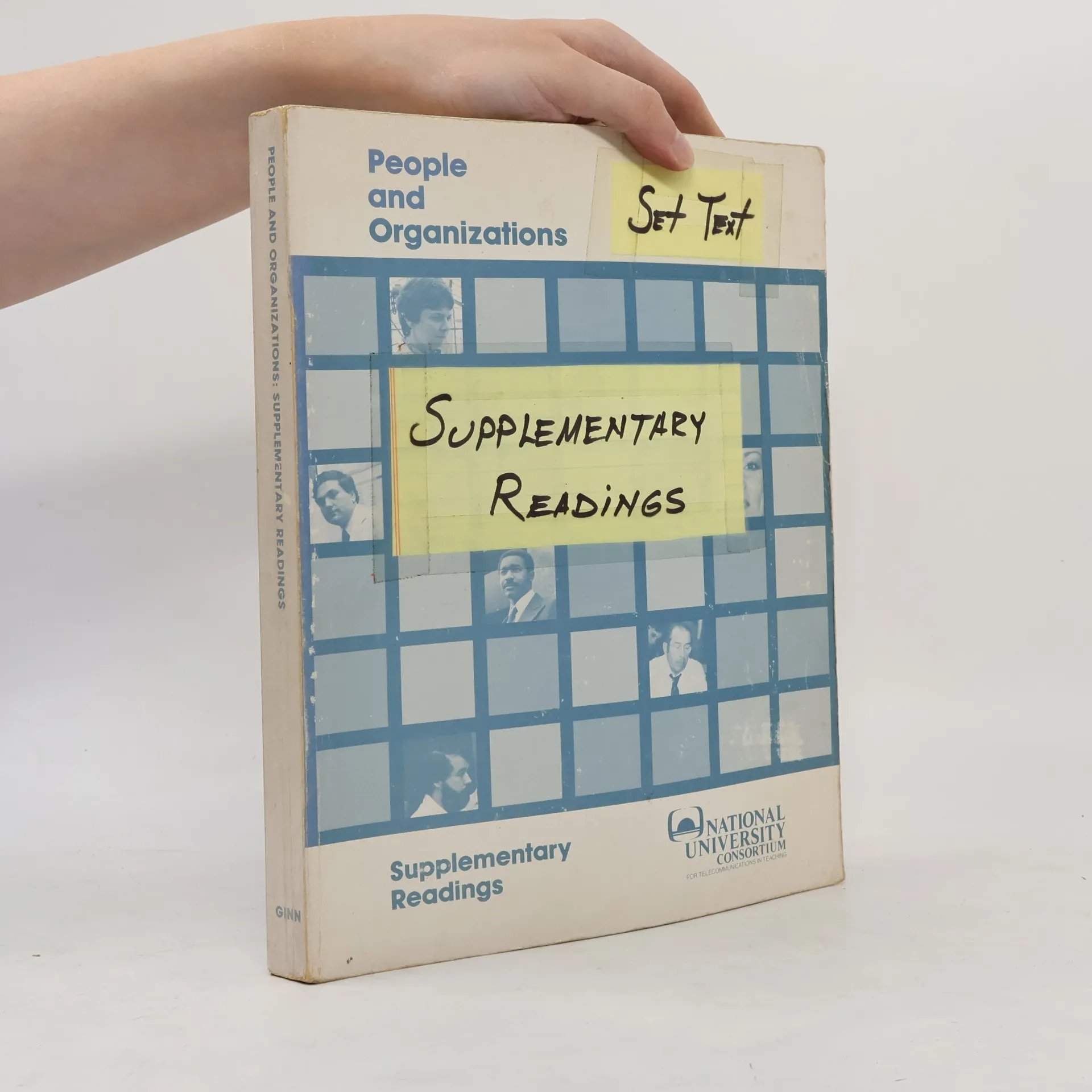


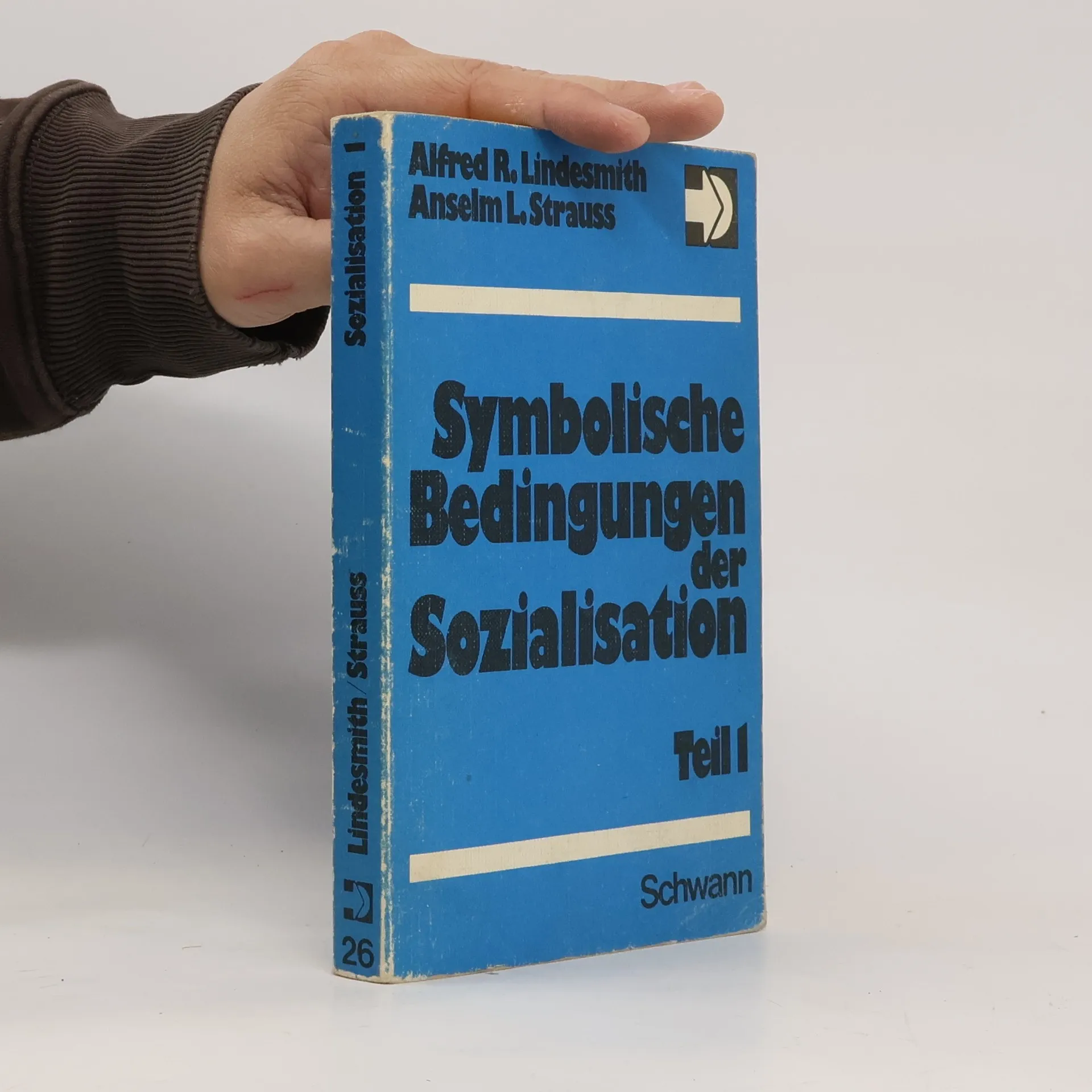
Anselm L. Strauss Bücher
Anselm Leonard Strauss war ein amerikanischer Soziologe, der für seinen innovativen Ansatz zur qualitativen Analyse bekannt ist. Zusammen mit Barney Glaser entwickelte er die Grounded-Theory-Methode, die in vielen Disziplinen weit verbreitet ist. Seine Arbeit befasste sich mit Themen wie chronischen Krankheiten und dem Sterben, aber auch mit der Arbeitssoziologie und urbanen Bildern. Strauss war bekannt für seine tiefe Auseinandersetzung mit symbolischem Interaktionismus und wurde zu einer Schlüsselfigur der „Zweiten Chicagoer Schule“.


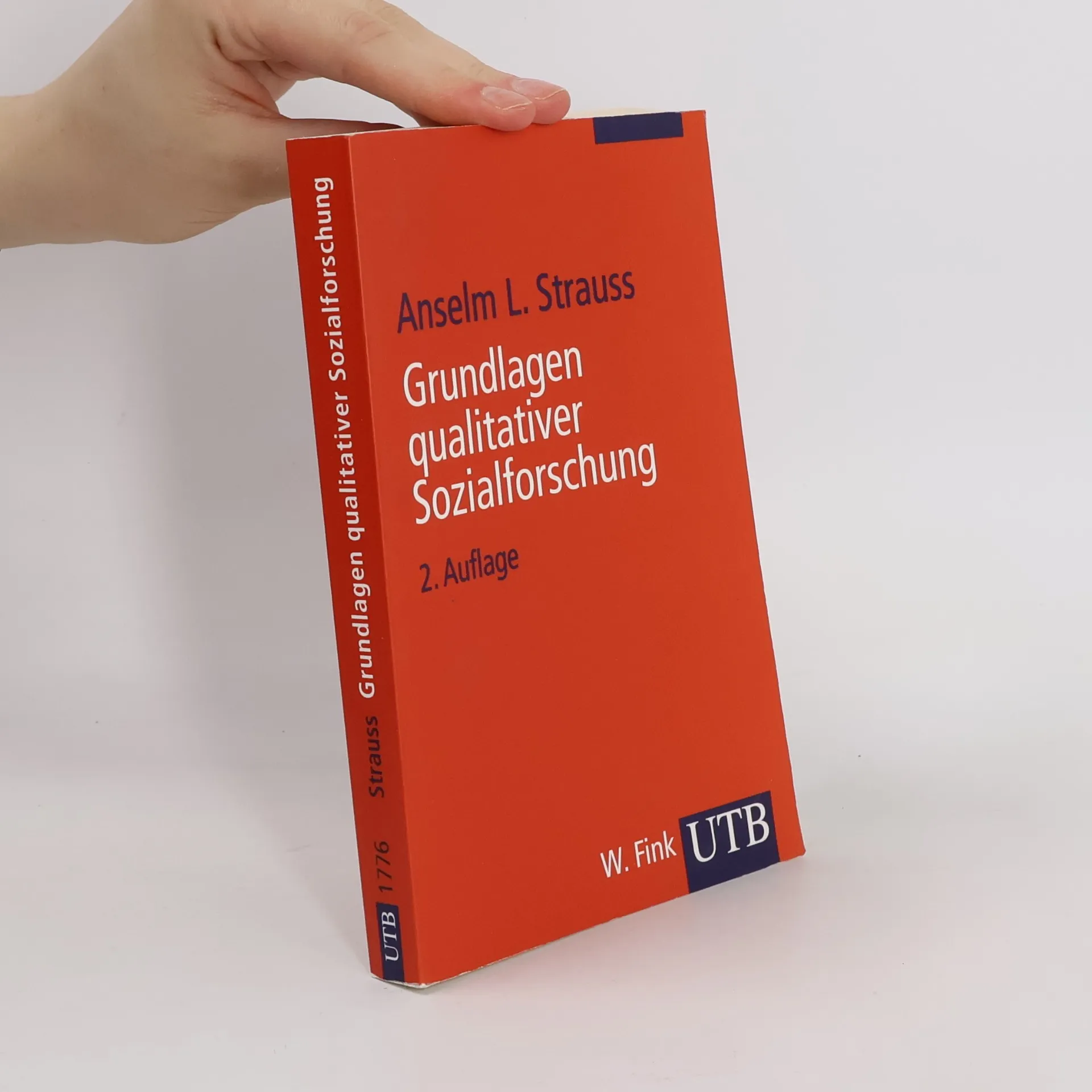
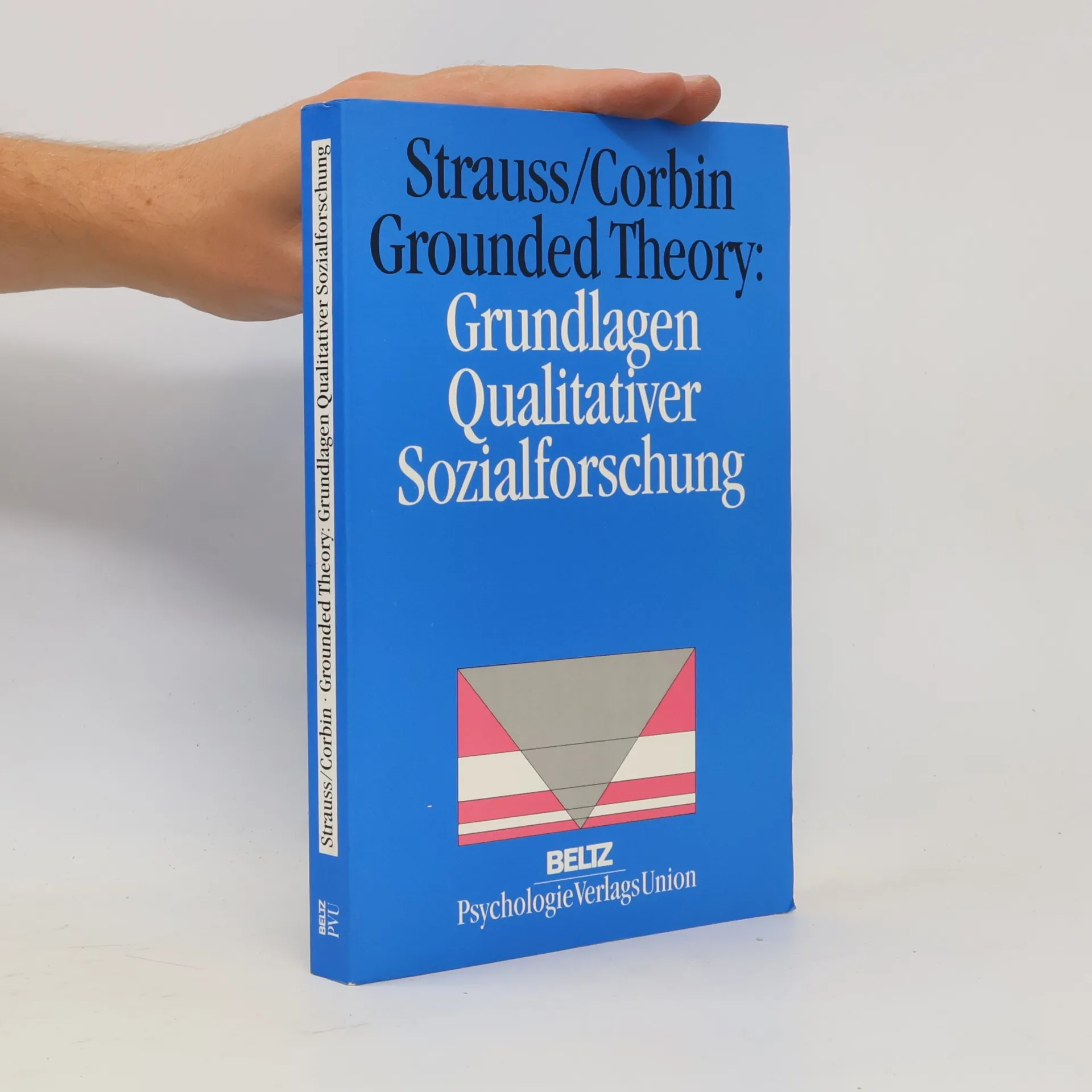
Grundlagen qualitativer Sozialforschung
- 372 Seiten
- 14 Lesestunden
Auch in den traditionellen Sozialwissenschaften gewinnt das Verstehen sozialer Phänomene durch qualitative Datenanalyse zunehmend an Bedeutung. Anselm Strauss, der zusammen mit Barney Glaser deren Grundlagentheorie (grounded theory) geschaffen hat, legt nun ein Handbuch für ihre Lehre und Forschung vor, das seine 'Datenanalyse' lehr- und lernbar macht. Indem er bis ins Detail den Forschungs-, Lehr- und Lernprozeß selbst an einer Fülle gut ausgewählten Materials aufzeigt, macht er den Weg von der Datenerhebung bis zur Theoriebildung transparent.
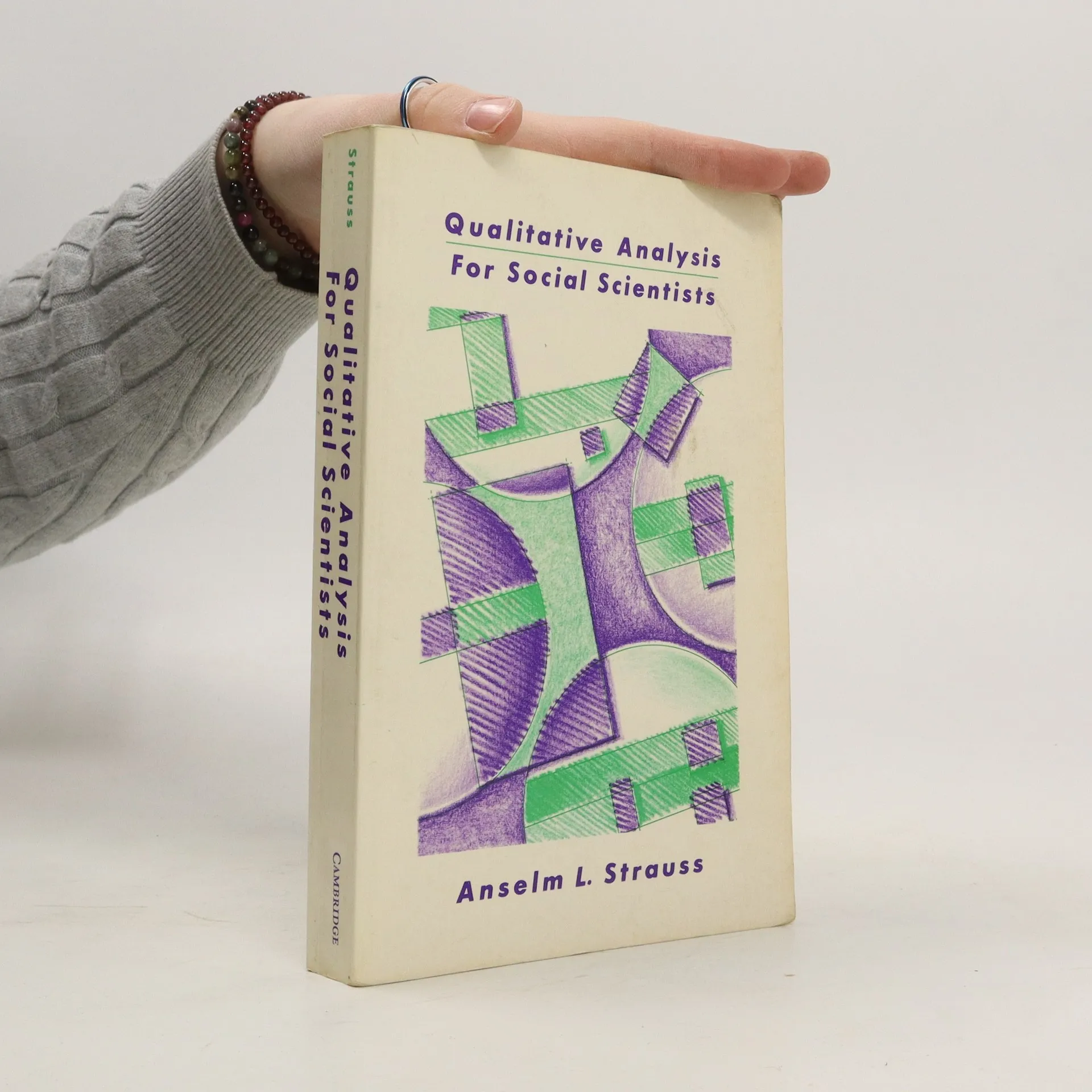
The teaching of qualitative analysis in the social sciences is often unstructured. This handbook aims to provide students and researchers with a systematic approach to interpreting qualitative data from interviews, field notes, or documents, with a strong focus on developing theory through qualitative analysis. It offers essential tools such as codes, memos, memo sequences, theoretical sampling, comparative analysis, and diagrams, all illustrated with examples from the author's extensive qualitative research and seminars. Procedural discussions include practical rules of thumb to assist researchers in their analytic processes. The book addresses common challenges faced by beginners in qualitative analysis and explores persistent questions they may have, including how to integrate analyses effectively. Additionally, it features a chapter on teaching qualitative analysis and offers valuable advice for research consultations, along with guidance on preparing material for publication. This resource is intended not only for sociologists but also for all social science researchers in fields like education, public health, nursing, and administration who utilize qualitative methods in their work.
Describes the comparative advantages of locating the dying patient in a hospital and at home and discusses methods of dealing with the moment of death