Aufstand
Widerstand gegen Fremdherrschaft: Vom Amerikanischen Unabhängigkeitskrieg bis zum Irak
- 340 Seiten
- 12 Lesestunden


William R. Polk konzentrierte sich in seiner akademischen Laufbahn auf arabische Literatur und Geschichte und brachte seine Expertise an Institutionen wie der Harvard University und der University of Chicago ein. Über die akademische Welt hinaus erstreckte sich sein Einfluss auf die Politikgestaltung, wo er im Policy Planning Council unter Präsident Kennedy tätig war und sich aktiv an der Aushandlung des Waffenstillstands zwischen Ägypten und Israel nach dem Suez-Krieg beteiligte. Er gründete auch das Adlai Stevenson Institute of International Affairs, was sein Engagement für den internationalen Diskurs unterstreicht. Polks produktives Schaffen, belegt durch neunzehn Bücher, zeugt von seiner tiefen Auseinandersetzung mit seinen ausgewählten Fachgebieten.
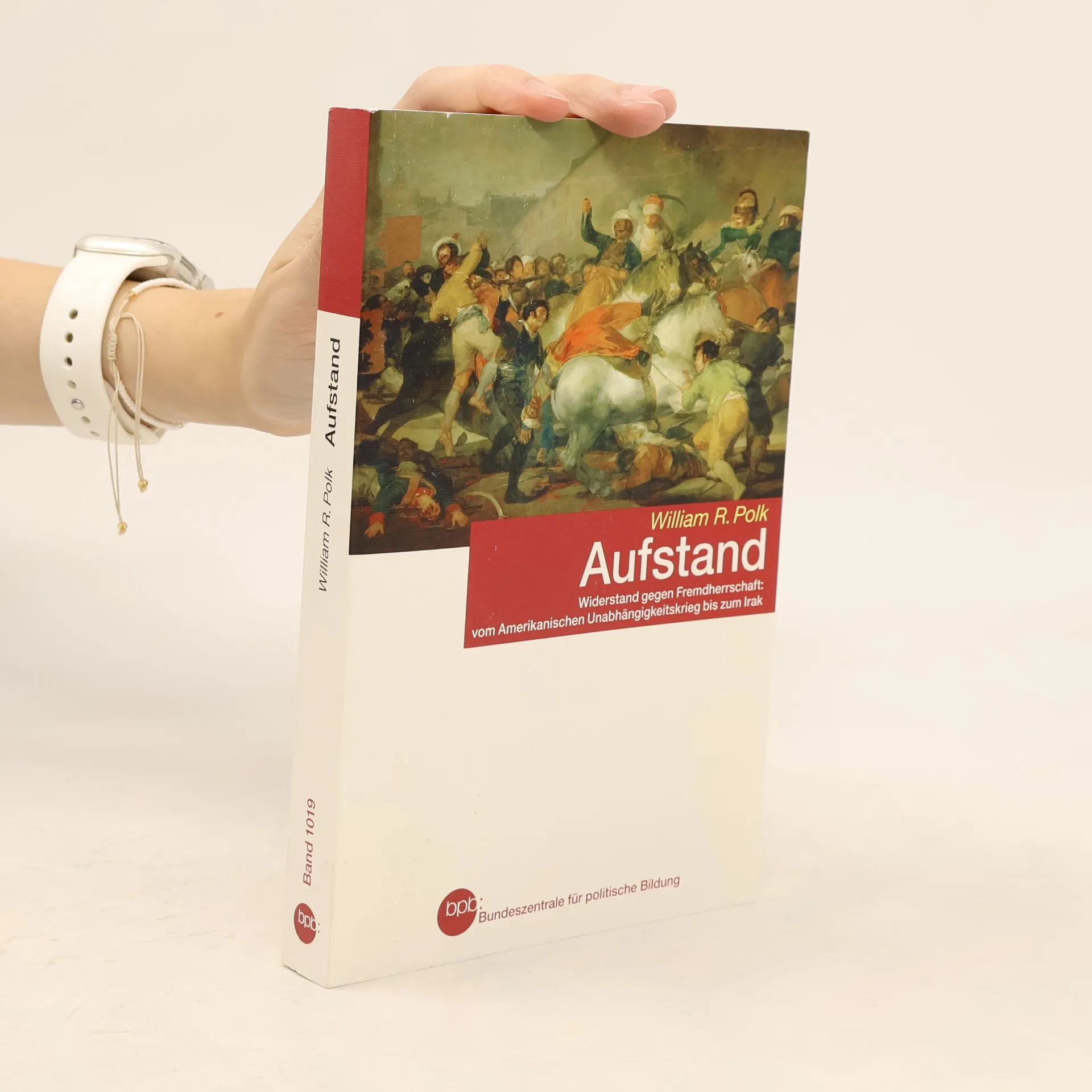
Widerstand gegen Fremdherrschaft: Vom Amerikanischen Unabhängigkeitskrieg bis zum Irak
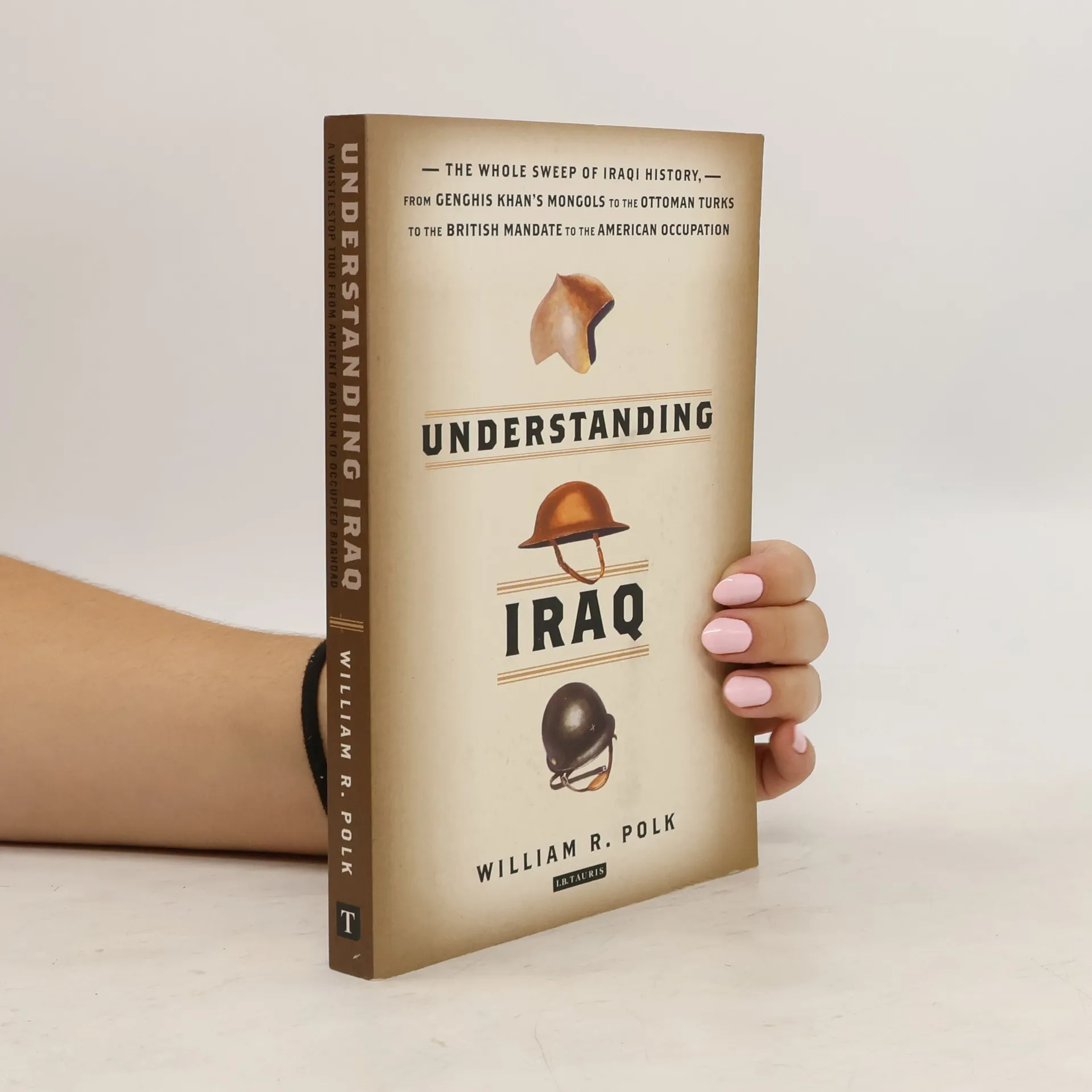
Helps the reader comprehend Iraq, its diversities and contradictions, namely Arab and Kurd, Shia and Sunni, traditionalist and modern, secular and religious, pragmatic and radical. This book culminates in an indictment of the US for failing to learn the lessons of history in Iraq.
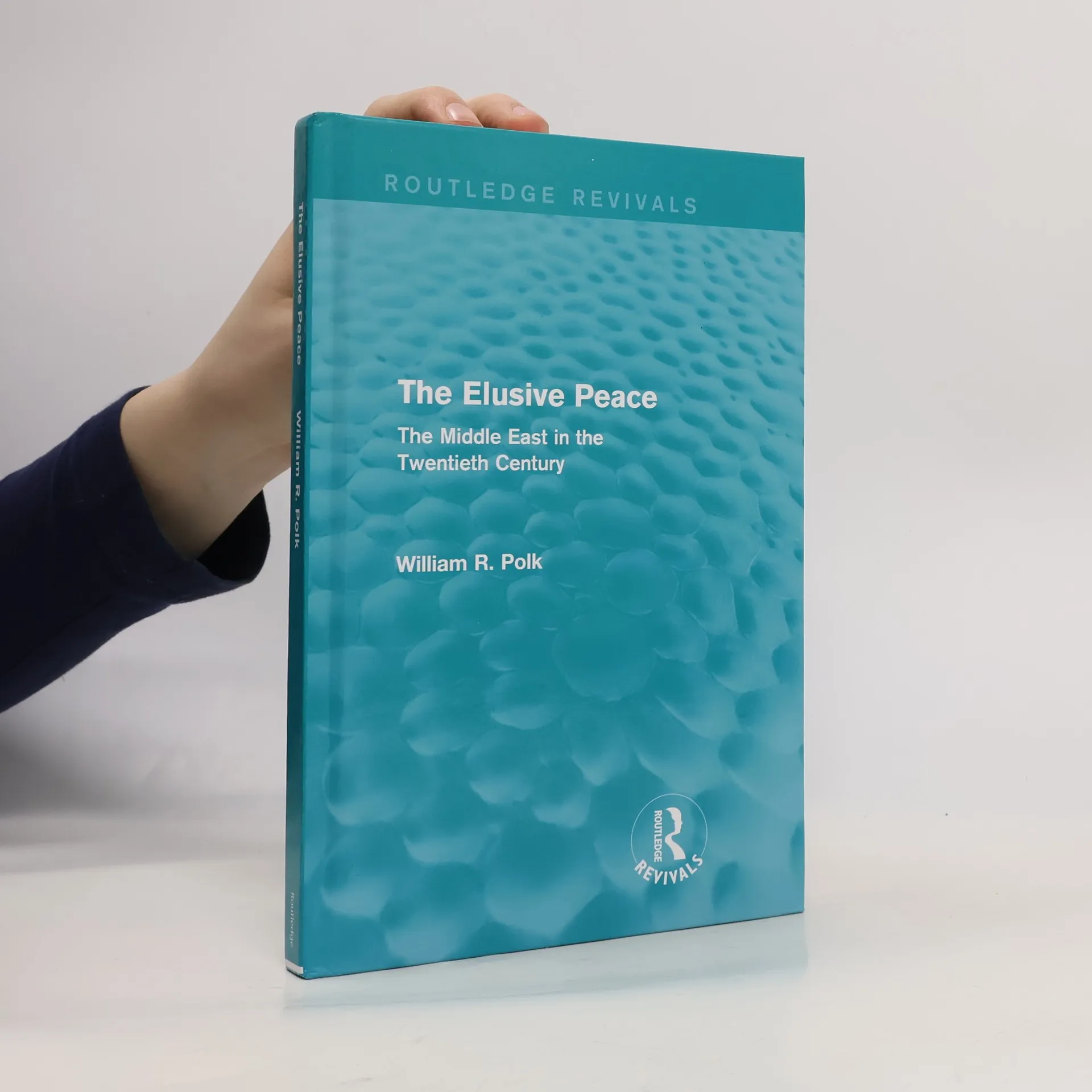
The Middle East in the Twentieth Century
The Elusive Peace, first published in 1979, highlights the crucial developments in the Middle East during the twentieth century: the coming of nationalism, the struggle for independence, the effects of the Cold War and the four hot wars in the Middle East. The numerous attempts to solve the conflicts, and the ultimate failure of such attempts, are discussed with particular reference to the war in Lebanon, and its relation to larger conflicts. As an American emissary during the Kennedy, Johnston and Nixon years, William Polk is unique in his ability to assess the key personalities and provide thorough analysis, considering Sadat and Begin, and the American policies of Dulles and Kissinger. This is a fascinating and inclusive study which provides essential background to the on-going turmoil in the Middle East.