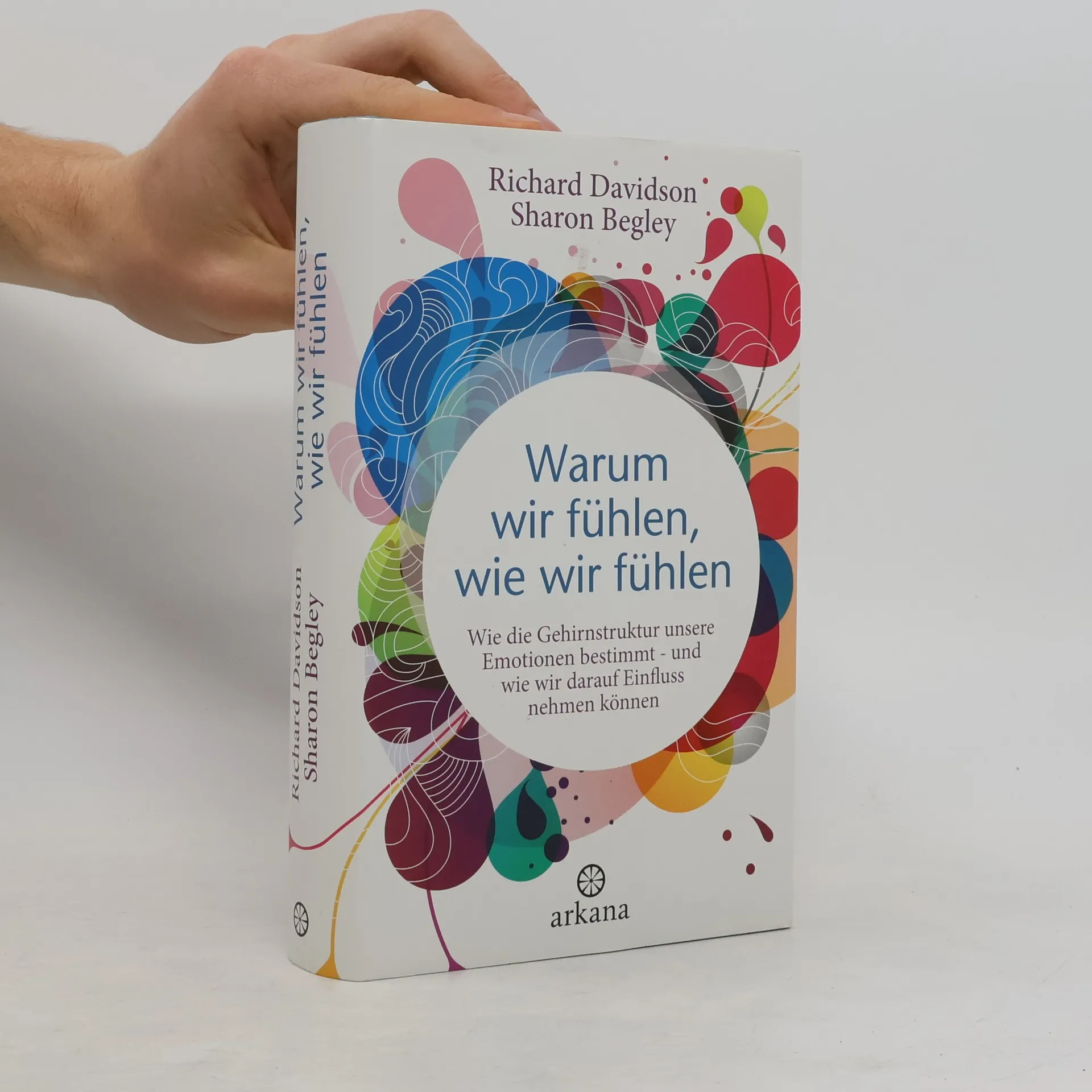
Das bunte Gefühlsleben unserer grauen Zellen Was hat Neuroplastizität mit unseren Gefühlen zu tun? Richard Davidson ist einer der weltweit führenden Gehirnforscher und beschäftigt sich seit vielen Jahren mit der Frage, wie die Vorgänge im Gehirn unsere Gefühle beeinflussen. Zusammen mit der Wissenschaftsjournalistin Sharon Begley stellt er ein faszinierendes Modell über den Ursprung, die Macht und die Formbarkeit unserer Emotionen vor. Im Zuge seiner Forschungen hat Davidson sechs emotionale Stile analysiert, die spezifische, exakt lokalisierbare neuronale Netze zur Grundlage haben. Diese Stile beschreiben die Art und Weise, wie Menschen auf das Leben reagieren – und bestimmen, ob jemand mitfühlend, positiv gestimmt, ängstlich oder schüchtern ist. Davidsons wichtigste Erkenntnis ist: Aufgrund der Neuroplastizität unseres Gehirns können wir mit Übungen und durch Meditation unsere Gefühle ändern – und damit entscheidend unser Wohlbefinden und unsere Lebensqualität beeinflussen. Ein spannendes Wissenschaftsbuch, das uns zeigt, wie ein klügerer Umgang mit unseren Emotionen gelingen kann. Der Titel ist auch als Taschenbuch-Ausgabe unter dem Titel »Warum regst du dich so auf?« bei Goldmann erschienen.
Richard J. Davidson Bücher
Richard Davidson schafft Erzählungen, die spannende Mysterien mit tiefgründiger Kontemplation verbinden. Seine Kriminalromane, Teil einer fortlaufenden Serie, tauchen in komplexe moralische Zwickmühlen ein und bieten den Lesern verschlungene Handlungsstränge. Jenseits der Fiktion erweitert Davidson seine Erkundungen in den Bereich der Selbsthilfe und gibt Anleitungen für verbesserte Entscheidungsfindung im Leben. Sein Schreiben zeigt eine vielfältige Bandbreite von Interessen und einen scharfen Einblick in die menschliche Verfassung.


Geboren, um zu wachsen
Wie neue Wissenschaft und alte Weisheit einen einfachen Weg zeigen, um Herausforderungen zu meistern
- 320 Seiten
- 12 Lesestunden
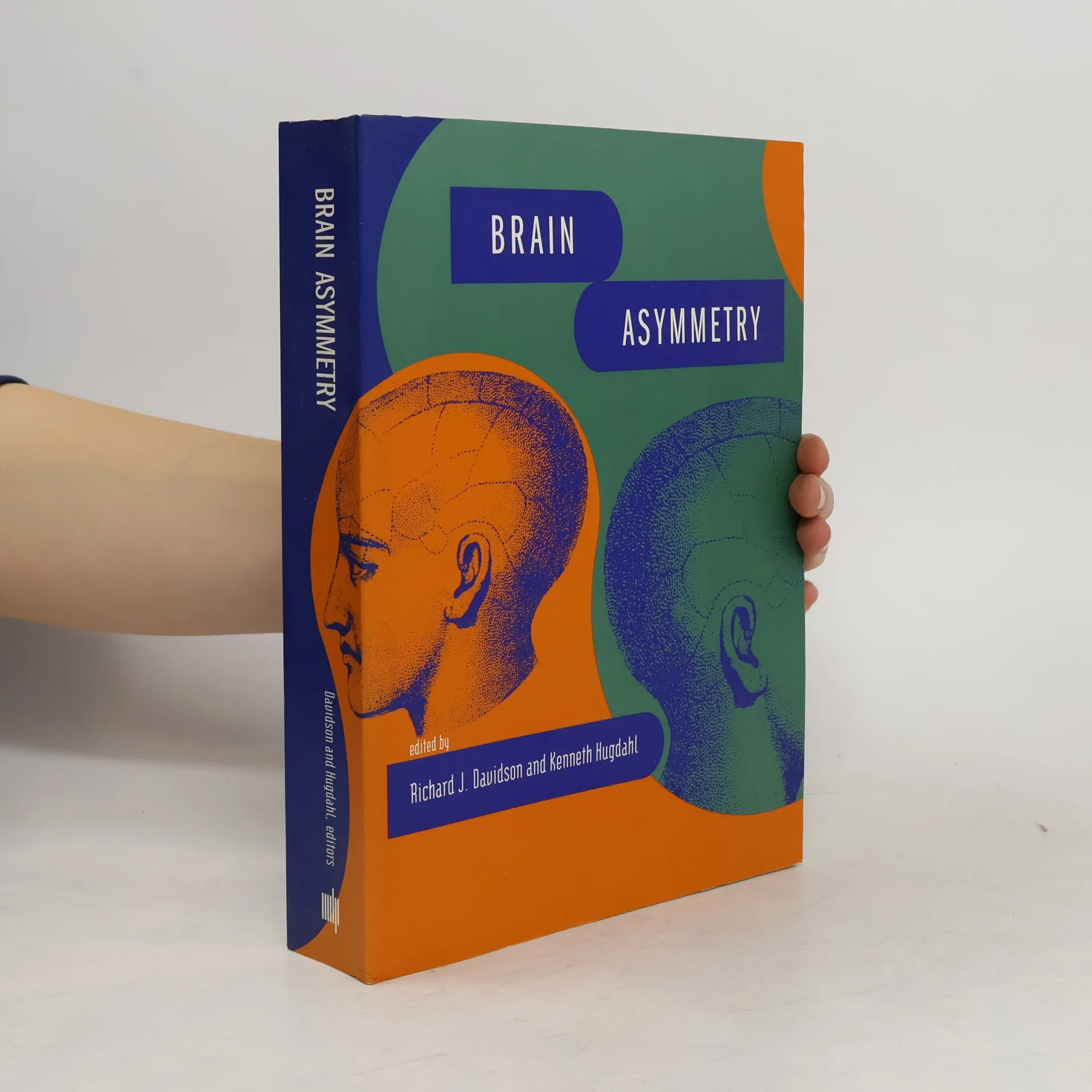
Brain Asymmetry
- 752 Seiten
- 27 Lesestunden
The twenty-three contributions in Brain Asymmetry provide a comprehensive survey of modern research on laterality and brain asymmetry, showcasing new approaches and novel domains in which knowledge of the asymmetrical functioning of the brain is a key issue for the complete understanding of the phenomenon. Of particular note is the inclusion of material on laterality, learning, attention, and emotion and their relation to subcortical and peripheral structures and processes. In addition, the clinical relevance of brain asymmetry for neuropsychological and psychopathological practice is surveyed.
Furniture
- 192 Seiten
- 7 Lesestunden
This is an illustrated pocket guide to identifying and dating furniture for collectors. Each double-page spread is devoted to a particular item and gives a question-and-answer guide to identification, followed by a detailed analysis. There are notes on fakes and restorations. The guide features analyses of individual types of furniture, organized by category and period, from America, England and the continent. Special spreads are given over to woods, legs and feet, handles, pediments and mouldings. Special categories include drawered furniture, seat furniture, tables, writing furniture, bookcases and cabinets, mirrors and beds. A companion checklist of art deco antiques is published simultaneously.
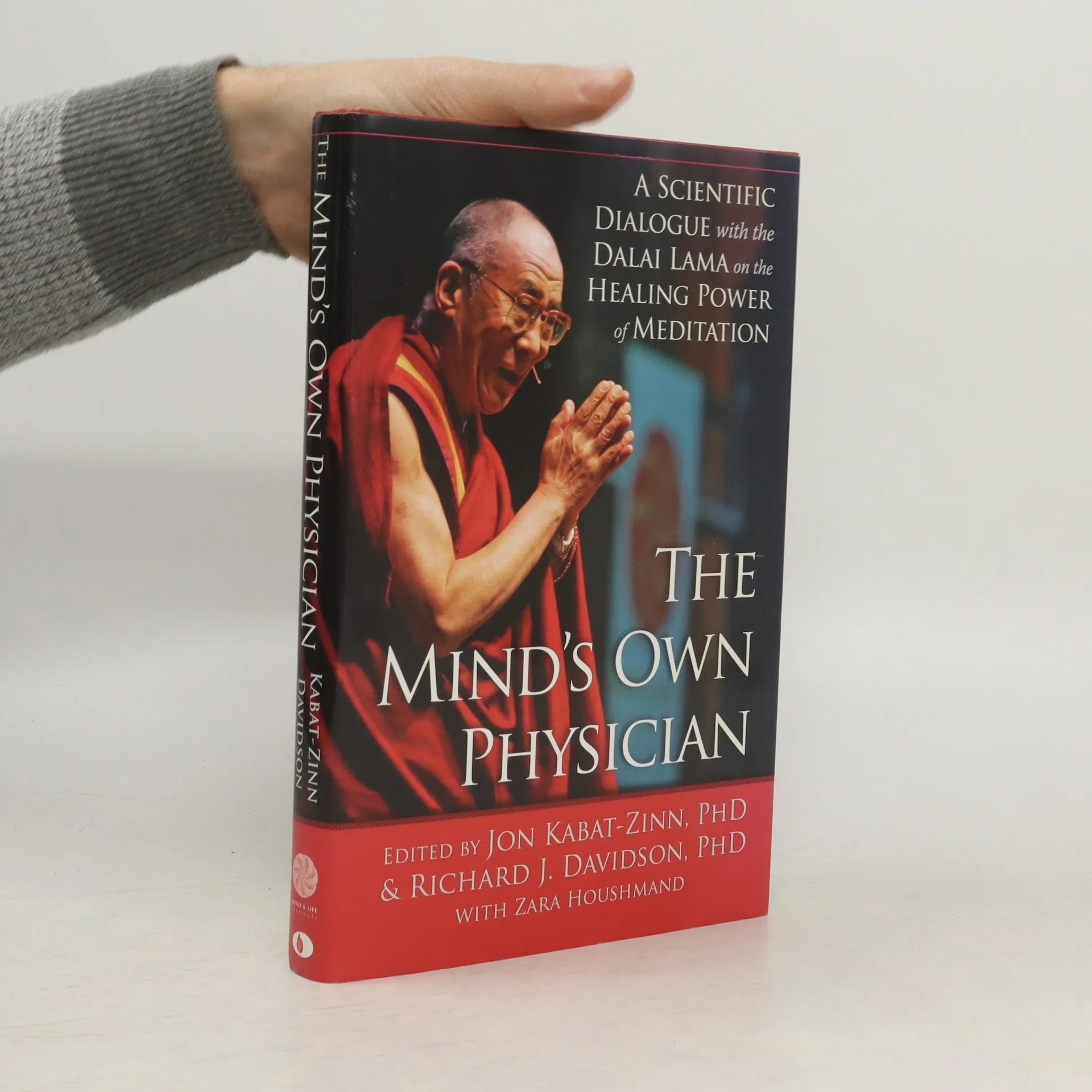
Draws on studies with leading neuroscience researchers and the Dalai Lama to examine the health benefits of meditation, in a transcript of a scientific conference at Washington, D.C.'s Mind and Life Institute that explores the mind's capacity for influencing physical disease.
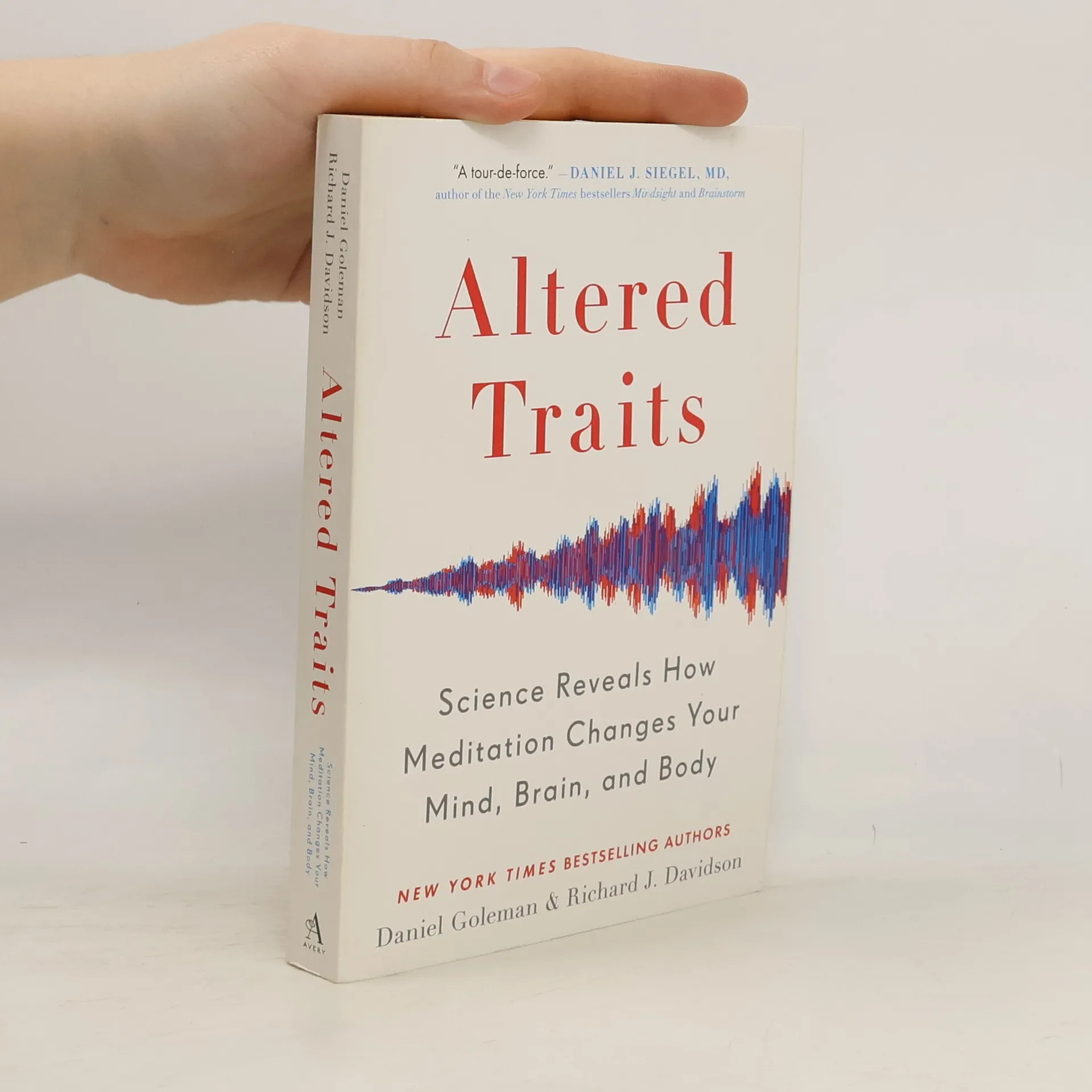
Altered traits: Science reveals how meditation changes your mind, brain, and body
- 336 Seiten
- 12 Lesestunden
Sweeps away the misconceptions around mindfulness and other forms of meditation, showing how smart practice can change our personal traits and even our genome for the better. Goleman and Davidson reveal what we can learn from a one-of-a-kind data pool that includes world-class meditators. They share for the first time findings that show how meditation--without drugs or high expense--can cultivate qualities such as selflessness, equanimity, love and compassion, and redesign our neural circuitry
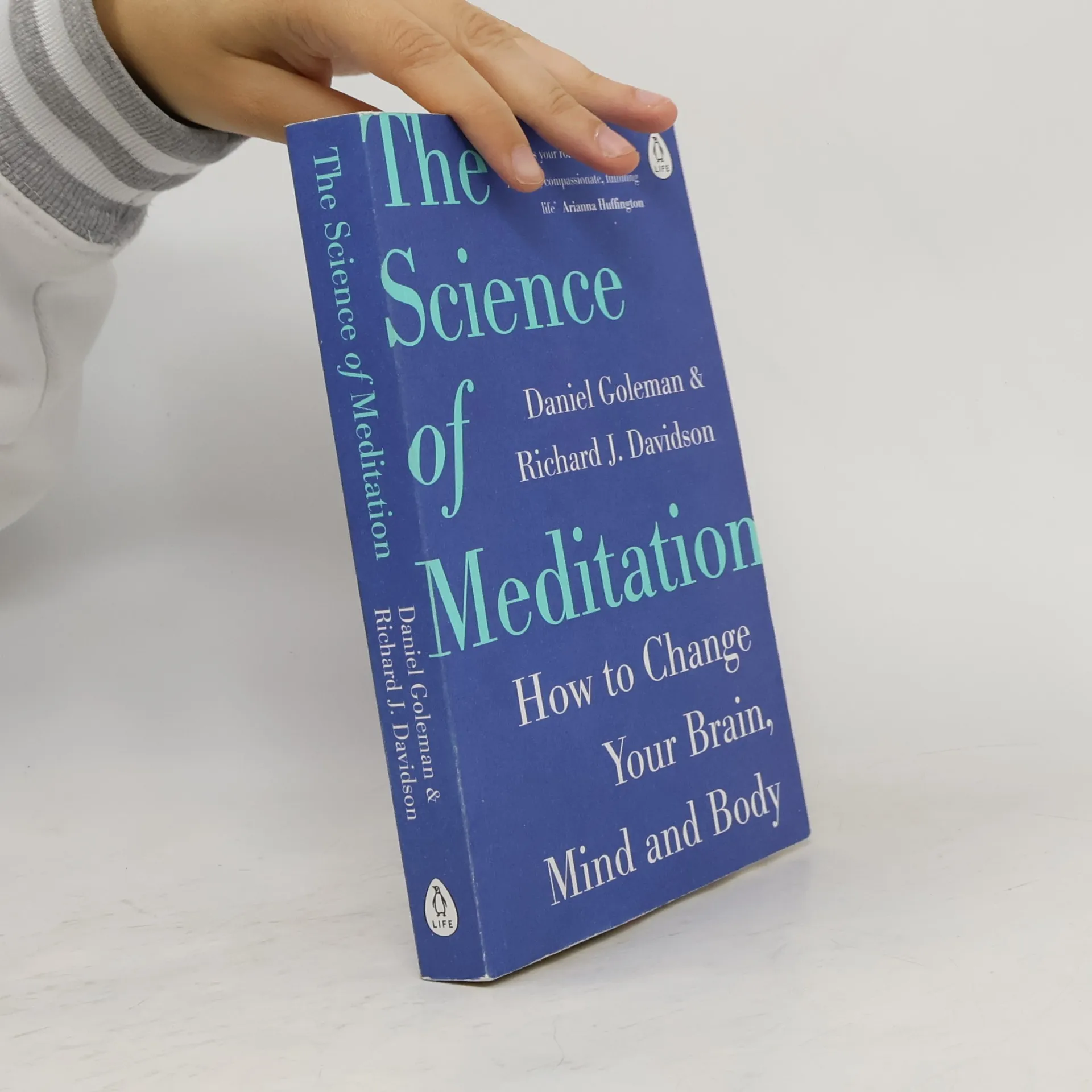
The Science of Meditation
- 336 Seiten
- 12 Lesestunden
Drawing on cutting-edge research, friends and Harvard collaborators Daniel Goleman and Richard Davidson expertly reveal what we can learn from a one-of-a-kind data pool that includes world-class meditators. They share for the first time remarkable findings that show how meditation - without drugs or high expense - can cultivate qualities such as selflessness, equanimity, love and compassion, and redesign our neural circuitry. Demonstrating two master thinkers at work,The Science of Meditationexplains precisely how mind training benefits us. More than daily doses or sheer hours, we need smart practice, including crucial ingredients such as targeted feedback from a master teacher and a more spacious worldview. These two bestselling authors sweep away the misconceptions around these practices and show how smart practice can change our personal traits and even our genome for the better. Gripping in its storytelling and based on a lifetime of thought and action, this is one of those rare books that has the power to change us at the deepest level.
Destruktivní emoce : rozhovory vědců s dalajlamou
- 423 Seiten
- 15 Lesestunden
Zášť, závist a fanatismus provází lidstvo již od samého počátku. Kde se v člověku tyto destruktivní emoce vlastně berou? Je vůbec v lidských schopnostech je překonat? Zdá se, že čím více lidé sledují pouze hmotný prospěch a přehlíží uspokojení pocházející z vnitřního růstu, tím rychleji ze společnosti mizí etické hodnoty. Buddhistická filozofie se otázkou transformace destruktivních emocí zabývá již po staletí (transformace destruktivních emocí je zde tradičně klíčovým momentem duchovní praxe). Pohled dnešních špičkových odborníků, kteří s pomocí nejnovějších vysoce specializovaných přístrojů zkoumají lidský mozek a jeho funkce, dává duchovním naukám v mnohém za pravdu....
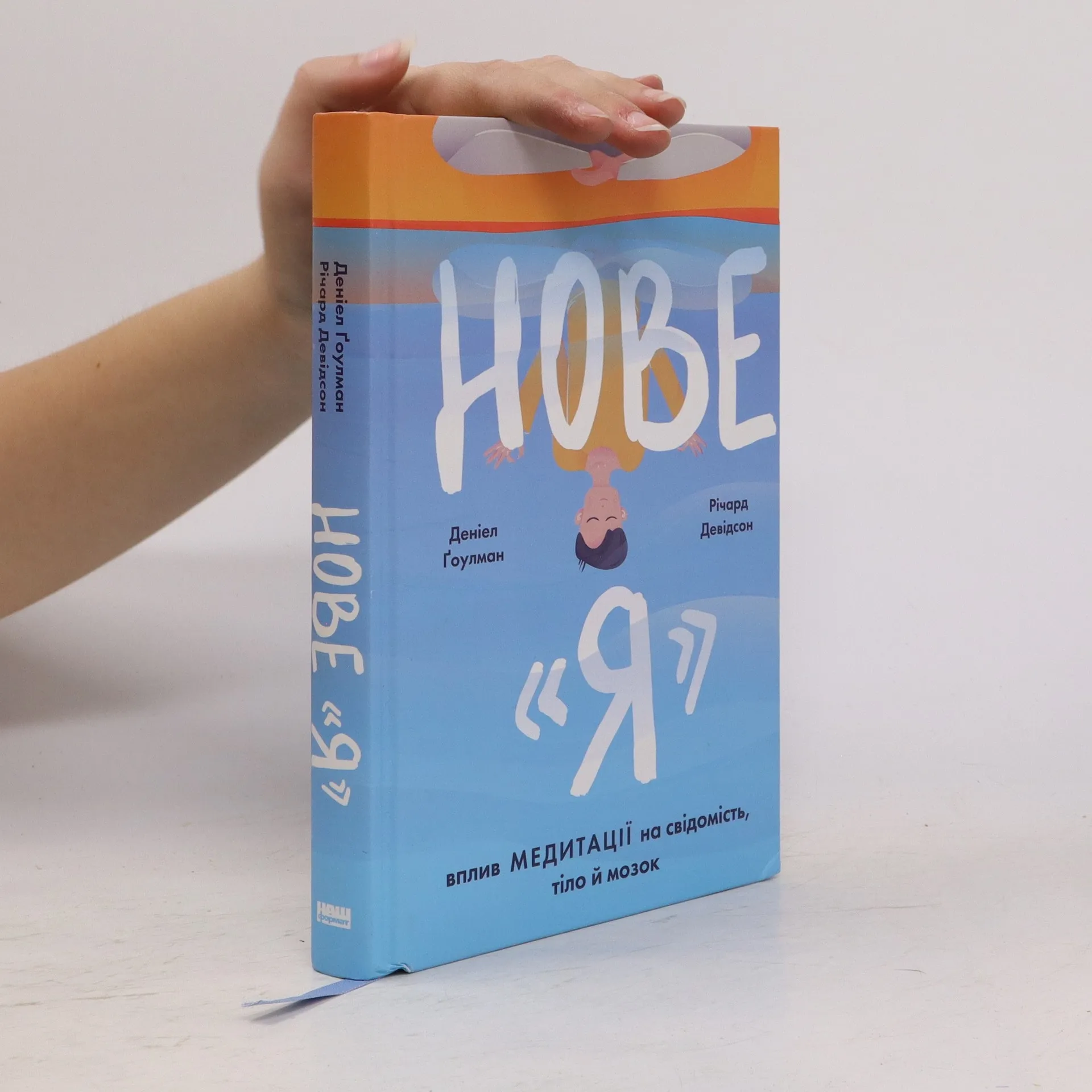
Медитація дає нам не лише приємне відчуття спокою, а й допомагає сформувати нові риси, які залишаються з нами надовго. Однак вона оповита міфами, поверховими знаннями й упередженнями. Науковий журналіст Деніел Ґоулман і нейронауковець Річард Девідсон багато років вивчали медитацію через призму науки, аналізуючи, який вплив може мати медитація не лише на психологічний стан, а й на фізіологію. Автори показують, як тривала практика впливає на нашу свідомість і функції мозку, аналізуючи коли медитація працює, а коли — ні, і чи допоможе цей метод абсолютно всім.
Dalai Lama
La meditazione come medicina