Der Sprung in die Leere, 1960: Ein Bild und seine Geschichte
- 64 Seiten
- 3 Lesestunden



An exploration of two artists' creative dialogue with gardens and nature: French post-impressionist painter Pierre Bonnard (1867-1947) and contemporary American artist Jennifer Bartlett (b. 1941).
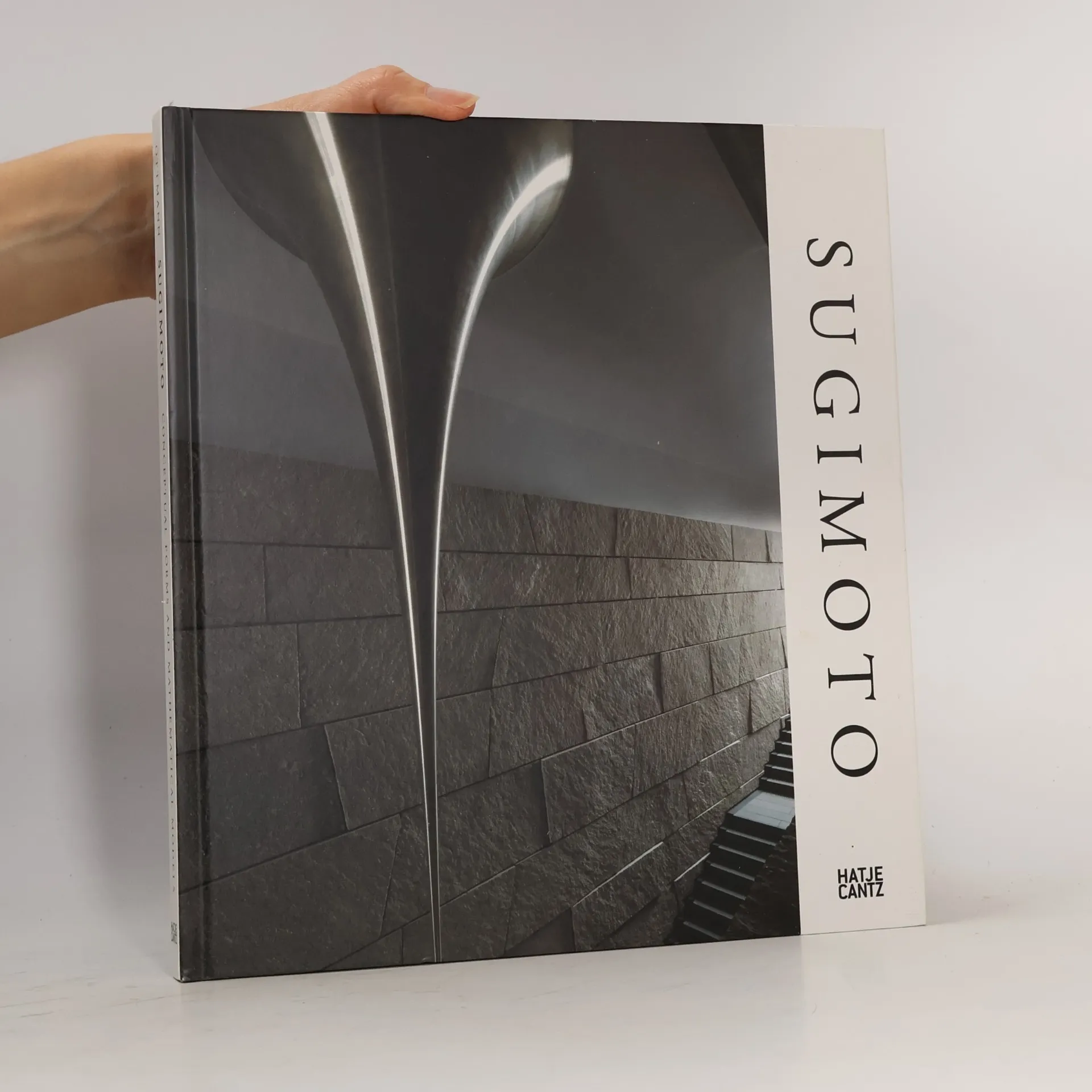
The meticulous photographic practice of Japanese artist Hiroshi Sugimoto (*1948 in Tokyo) is like that of a painter’s. Inspired both by Marcel Duchamp’s obsession with the mechanics of space and the mathematical foundations of his works and Man Ray’s photographs of nineteenth-century mathematical models, Sugimoto photographed similar models at the University of Tokyo, creating starkly beautiful images, printed larger than life to invoke monumental Greek sculpture or architecture. This is the first publication to compare and contrast Sugimoto’s mathematical photographs with his own aluminum or stainless-steel mathematical models crafted with computer-controlled, precision milling machines. Exhibition: The Phillips Collection, Washington, D. C., February 7–May 10, 2015
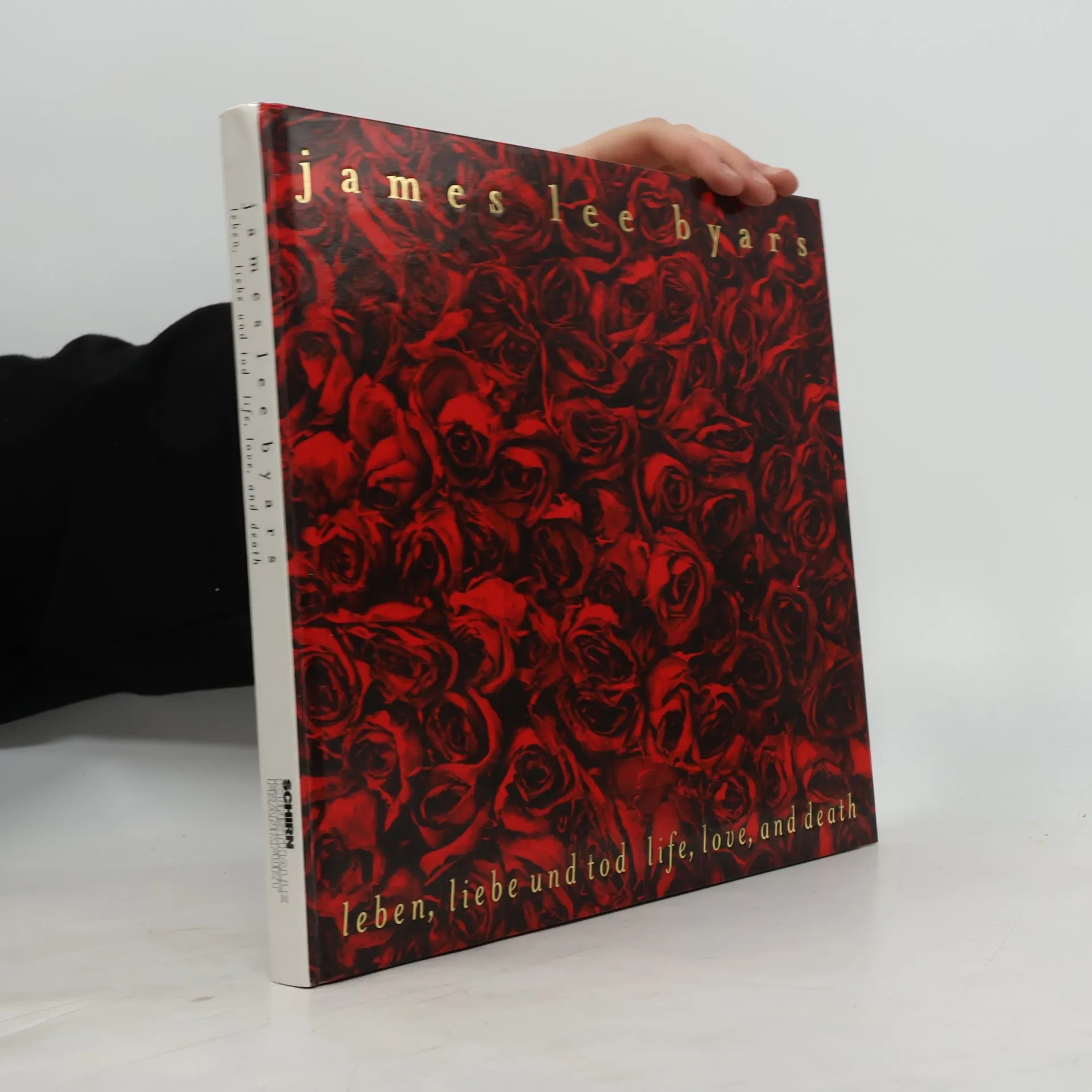
In 1956, James Lee Byars rented a sod farm for a midnight, full moon exhibition of his abstract figure sculptures; guests viewed the work from sleds pulled over snow. In 1959, he abandoned durable materials for paper and fabric. In 1965, a nun performed his A 1,000-Foot Chinese Paper at the Carnegie International. The wondrous story of James Lee Byars begins in 1932 and ends in 1997, and its unique synthesis of Conceptual art, Minimalism, and Fluxus reflects an unending striving for beauty and perfection. The story passes by way of Japan, a place where Byars lived for many years, and where he combined the formal and symbolic aspects of Noh theater and Shinto rituals with elements of Western science, art, and philosophy, developing an appreciation for the transient, ceremonial character of performance as an essential quality of his art. Over his lifetime, he was known for works characterized by an extreme simplicity of form and material that simultaneously appeared astonishingly luxurious. Life, Love, and Death presents a critical review of Byars' oeuvre and traces his development as an artist from his formative period in Japan to his later years in New York--ranging from his performances and works on paper and fabric devoted to the theme of life, to his splendid late sculptures in gold, marble, and velvet which deal with death as the embodiment of perfection.