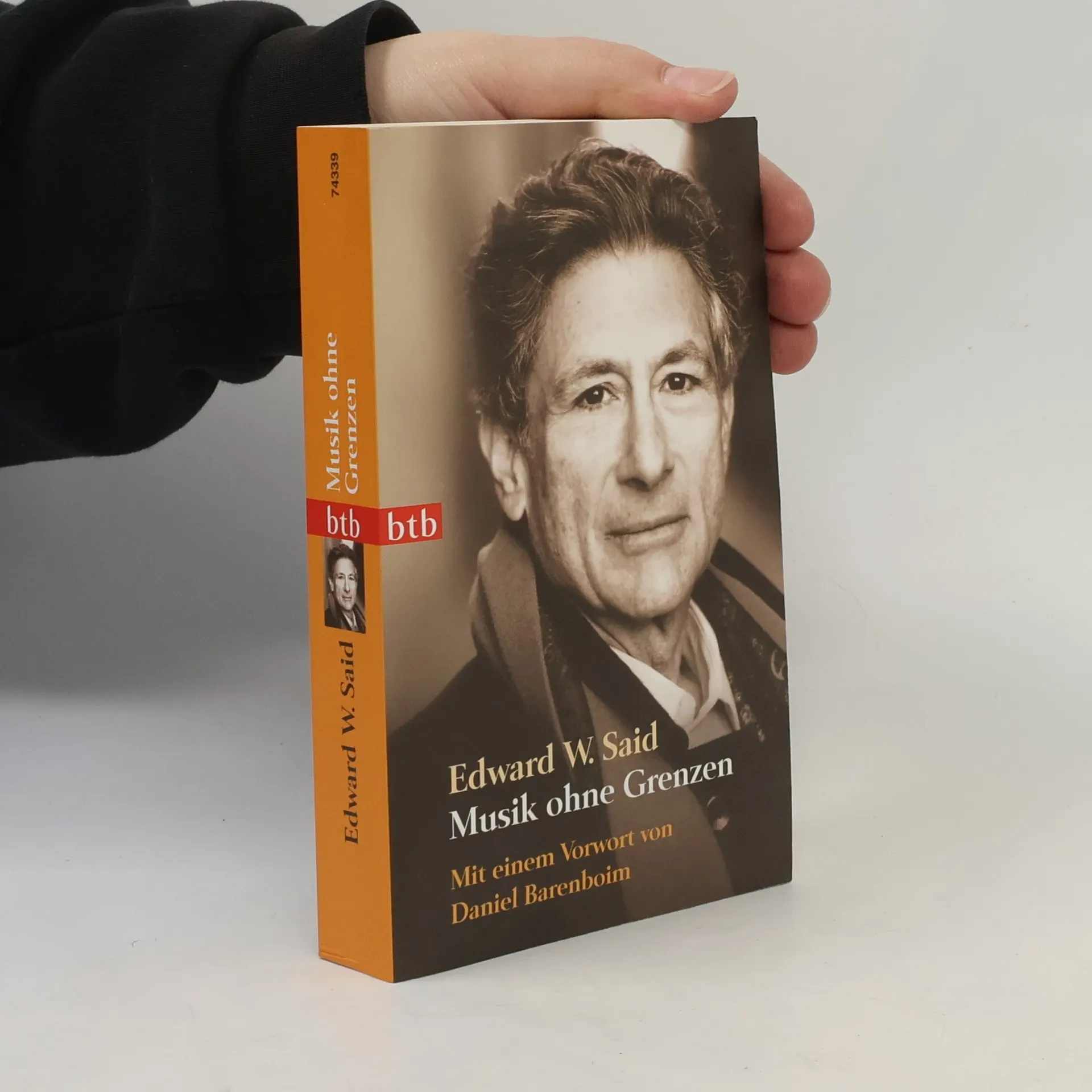
Edward Said war Literaturprofessor, öffentlicher Intellektueller und Begründer der postkolonialen Studien. Mit seinem Werk verband er westliche und östliche Perspektiven und analysierte kritisch kulturelle Repräsentationen und politische Beziehungen zwischen Ost und West. Seine Methode der Textanalyse beeinflusste maßgeblich die Literaturtheorie und die Nahoststudien. Said setzte sich für die Gleichberechtigung und das Rückkehrrecht der Palästinenser in ihre Heimat ein und betonte die Rolle des Intellektuellen als kritische Stimme in der Gesellschaft.
This book presents Edward W. Said’s insightful and elegant analyses of four
major operas—originally delivered as the Empson Lectures at Cambridge
University in 1997—showcasing the power of his critical acumen to unsettle
canonical interpretations.
A definitive volume expanded and updated to do justice to the four decade career of one of the most important cultural and intellectual thinkers of the 21st century The renowned literary and cultural critic and political thinker Edward Said was one of our era's most provocative and important thinkers. This comprehensive collection of his work, expanded from the earlier Edward Said Reader, now draws from across his entire four-decade career, including his posthumously published books, making it a definitive one-volume source. The Selected Works includes key sections from all of Said's books, including his groundbreaking Orientalism; his memoir, Out of Place; and his last book, On Late Style. Whether writing of Zionism or Palestinian self-determination, Jane Austen or Yeats, or of music or the media, Said's uncompromising intelligence casts urgent light on every subject he undertakes. The Selected Works is a joy for the general reader and an indispensable resource for scholars in the many fields that his work has influenced and transformed.
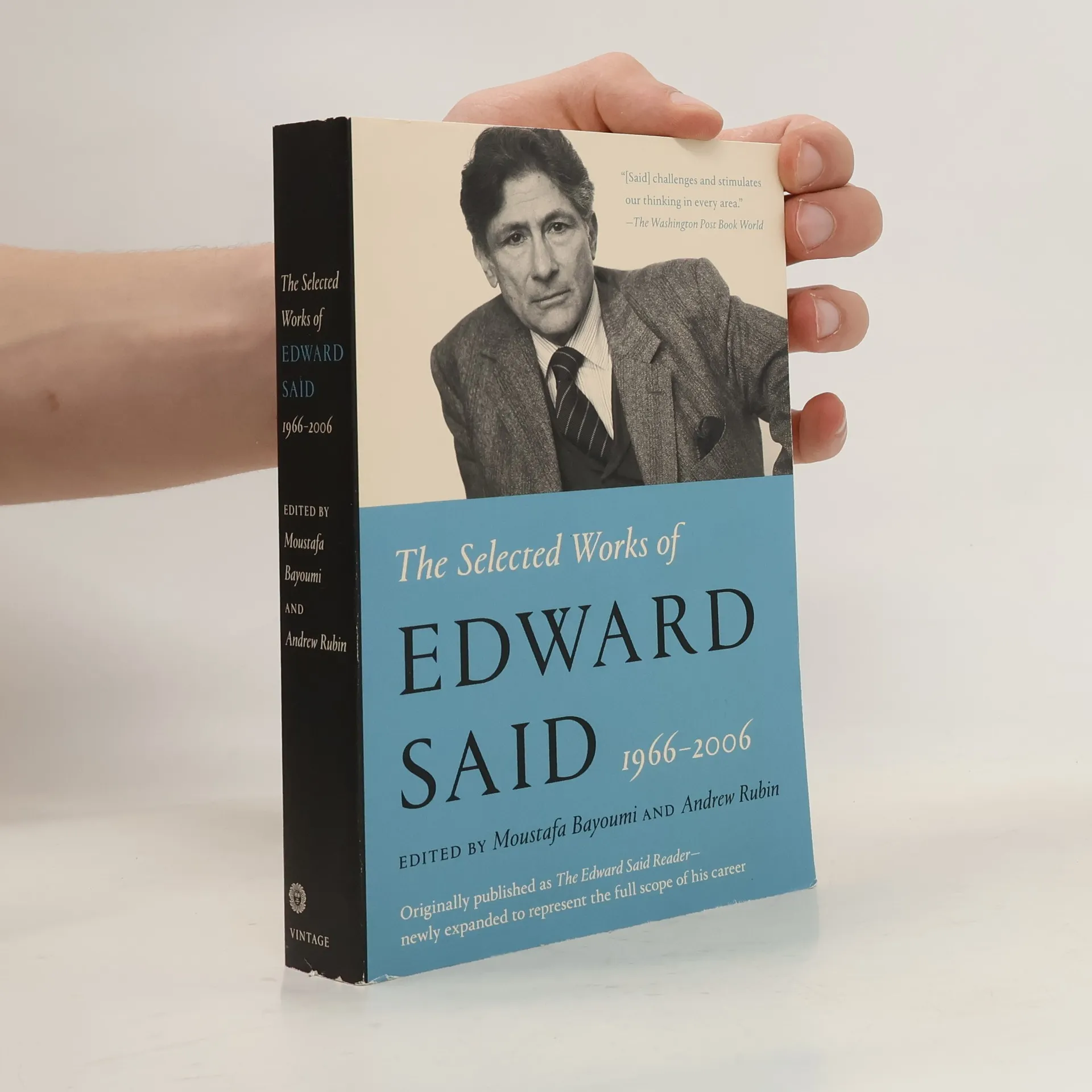
The renowned literary and cultural critic Edward Said was one of our era’s most provocative and important thinkers. This comprehensive collection of his work draws from across his entire four-decade career, including his posthumously published books, making it a definitive one-volume source. "Said is a brilliant and unique amalgam of scholar, aesthete, and political activist...[He] challenges and stimulates our thinking in every area." --Washington Post Book World The Selected Works includes key sections from all of Said’s books, including his groundbreaking Orientalism; his memoir, Out of Place; and his last book, On Late Style. Whether writing of Zionism or Palestinian self-determination, Jane Austen or Yeats, or of music or the media, Said’s uncompromising intelligence casts urgent light on every subject he undertakes. The Selected Works is a joy for the general reader and an indispensable resource for scholars in the many fields that his work has influenced and transformed.
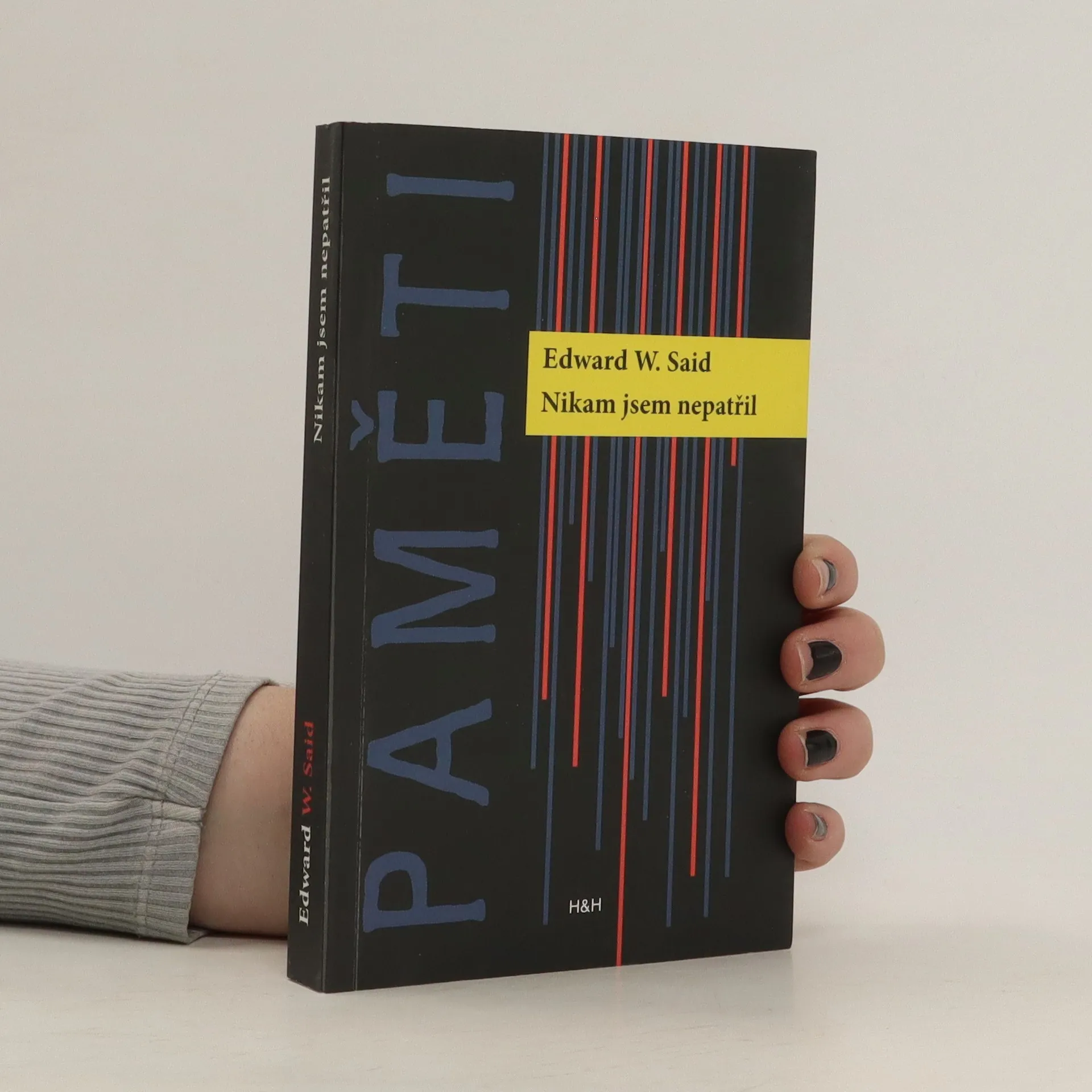
Vzpomínky Edwarda Saida politologa, historika, novináře a spisovatele (1. 11. 1935 Jeruzalém – 25. 9. 2003 New York) popisují dětství a mládí v mezitím zmizelém arabském světě. S autentickým pocitem osamělosti a vyřazenosti líčí, jak navštěvoval britské a americké školy v Káhiře, kde byl Edward, Arab narozený v palestinském Jeruzalému spolužáky vnímán jako cizinec, a nedokázal mezi ně zapadnout. Frustrace a vnitřní nejistota jsou Saidovy dominantní pocity, které ho provázejí nejen při pobytu v Jeruzalémě, Káhiře, New Yorku a palestinském Dhúru, ale i v značně uzavřené rodině. Tam vládne patriarchální otec a emocionálně nevyrovnaná matka a rodiče nevědomky ambivalentní vztahy uvnitř rodiny i mezi Edwardem a vnějším světem ještě umocňují. Saidovo povědomí vyloučenosti a nepatřičnosti má však svůj zdroj zejména v jinakosti, způsobené jeho příslušností k palestinskému etniku a v pocitu historické křivdy spáchané na Palestincích.
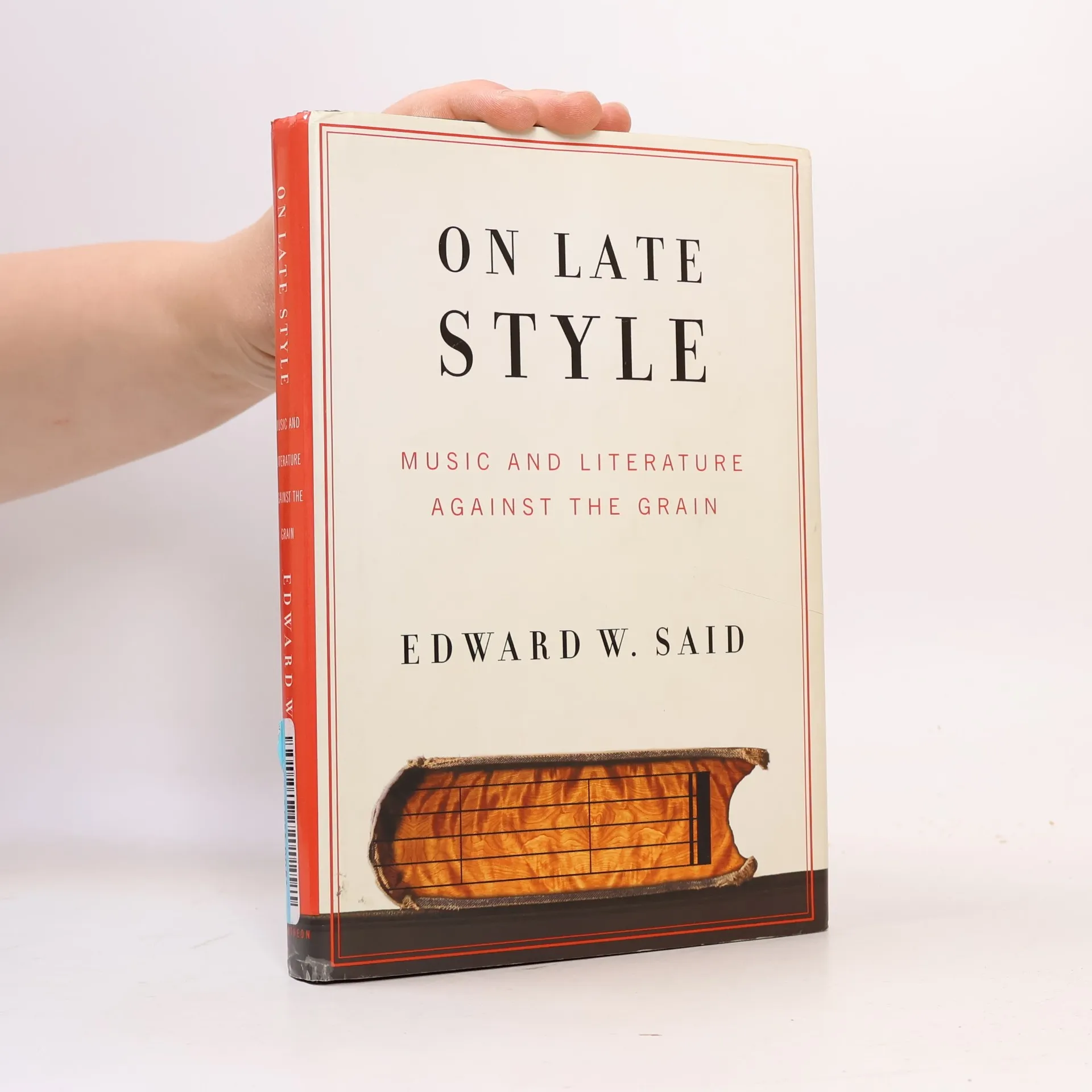
Edward W. Said, jeden z najwybitniejszych intelektualistów XX wieku, prowadził w latach dziewięćdziesiątych seminarium poświęcone dziełom wielkich muzyków i pisarzy. Temat zasługiwał na książkę, jednak prace przerwała jego śmierć. Tom „On Late Style: Music and Literature Against the Grain” (2006) powstał dzięki żonie i współpracownikom, którzy zebrali jego wykłady i notatki. Fragmentaryczność książki nie umniejsza jej wartości; czytelnik odczuwa jedynie żal, że Said nie zdążył na analizy kolejnych „późnych” dzieł. Książka ukazuje Saida jako znawcę sztuki oraz stylistę, a jego interpretacje dzieł Beethovena, Manna, Kawafisa, Geneta, Becketta czy Goulda są dowodem na wszechstronny rozwój duchowy i intelektualny, którego znaczenie w kulturze często kwestionuje się. „O stylu późnym” ma także osobisty wymiar, ponieważ Said, wiedząc o swojej chorobie, pisał o sobie. „Późny styl to mądrość doświadczenia, smutek przemijania i opanowanie rzemiosła”. Książka kwestionuje utarte przekonania, oferując głębię przeżycia w obliczu śmierci. Edward W. Said (1935–2003) był amerykańsko-palestyńskim krytykiem i teoretykiem kultury, autorem ponad dwudziestu książek, znanym z krytyki polityki USA i Izraela. Zmarł w Nowym Jorku.
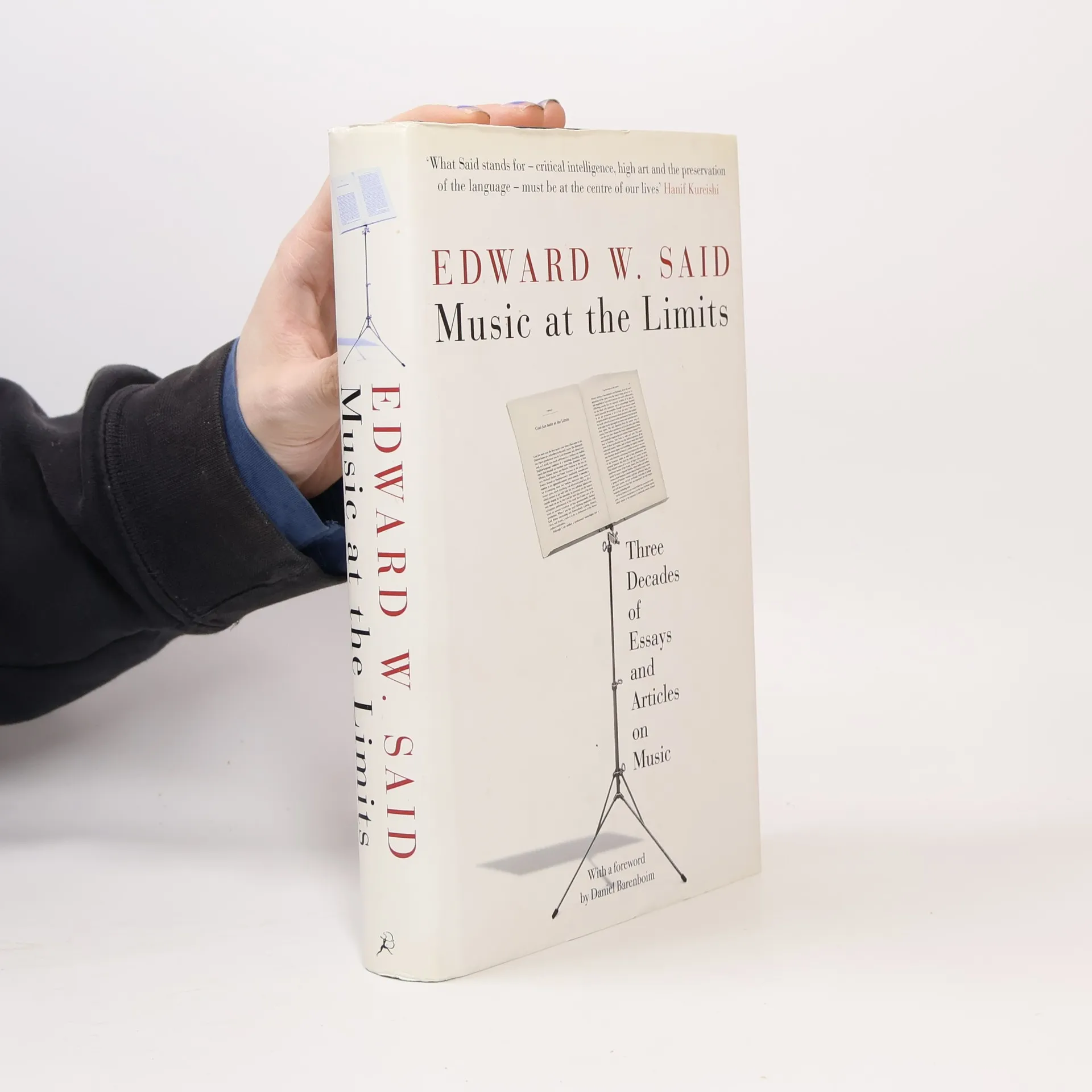
Der Literaturtheoretiker Edward Said war nicht nur einer der wichtigsten Intellektuellen des ausgehenden 20. Jahrhunderts, der sich mit dem Orientalismus beschäftigte und maßgebliche Debatten über den israelisch-palästinensischen Konflikt anstieß. Als ausgebildeter Pianist war er auch ein leidenschaftlicher und hoch geschätzter Musikkritiker. Dieser Band versammelt Texte zur Musik, die er in 30 Jahren für „The Nation“ und andere Zeitungen schrieb. Ob er nun über Mozart, das Verbot, in Israel Wagner zu spielen, seinen Lieblingspianisten Glenn Gould oder seinen Freund und Weggefährten Daniel Barenboim schreibt, immer ist sein Ansatz aufregend, provokant und unterhaltsam.
Druhý díl série Postkoloniální myšlení I–IV, navazující na překlad knihy Frantze Fanona, se zaměřuje na historické východisko postkoloniálního myšlení jako emancipačního programu druhé vlny dekolonizace. Tento proces, probíhající v Asii a Africe od konce druhé světové války do poloviny sedmdesátých let, byl na Západě vnímán jako rozklad evropských imperiálních říší. Autoři v knize vyjadřují perspektivu osvobození od koloniální nadvlády a systémů útlaku. Klíčovou otázkou je postkoloniální identita a konstrukce nové politiky identity: bude vycházet z národního esencialismu, nebo z konstruktivistického pohledu na národ jako myšlené společenství? Tyto nekompatibilní koncepce reflektují problémy, které se objevují i v kontextu postsocialistické transformace po roce 1989. Publikace zahrnuje klasické texty, které definují témata univerzality, diference, rezistence a jazyka jako struktury moci. Specifikum výběru spočívá v dvou místních aspektech pohledu na postkoloniální situaci: roli autora a dědictví totalitního režimu, které formovalo stereotypy ideologií.
With a foreword by Daniel BarenboimMusic at the Limits is the first book to bring together three decades of Edward Said's essays and articles on music.
D'Eschyle à Kissinger, de Marx à Barrès, l'Occident a tenu un discours sur l'Orient. Mais, puisque "l'Orient " n'existe pas, d'où vient ce discours et comment expliquer son étonnante stabilité à travers les âges et les idéologies ? " L'Orient " est une création de l'Occident, son double, son contraire, l'incarnation de ses craintes et de son sentiment de supériorité tout à la fois, la chair d'un corps dont il ne voudrait être que l'esprit. À étudier l'orientalisme, présent en politique et en littérature, dans les récits de voyage et dans la science, on apprend donc peu de choses sur l'Orient, et beaucoup sur l'Occident. Le portrait que nous prétendons taire de l'Autre est, en réalité, tantôt une caricature, tantôt un complément de notre propre image. L'idéologie orientaliste s'est échappée depuis longtemps déjà du cabinet des savants pour précéder Napoléon dans sa conquête de l'Égypte ou suivre la guerre du Liban. C'est de ce discours qu'on trouvera ici la magistrale archéologie, augmentée de la préface que l'auteur rédigea en 2003 pour le vingt-cinquième anniversaire de la publication originale de l'ouvrage.
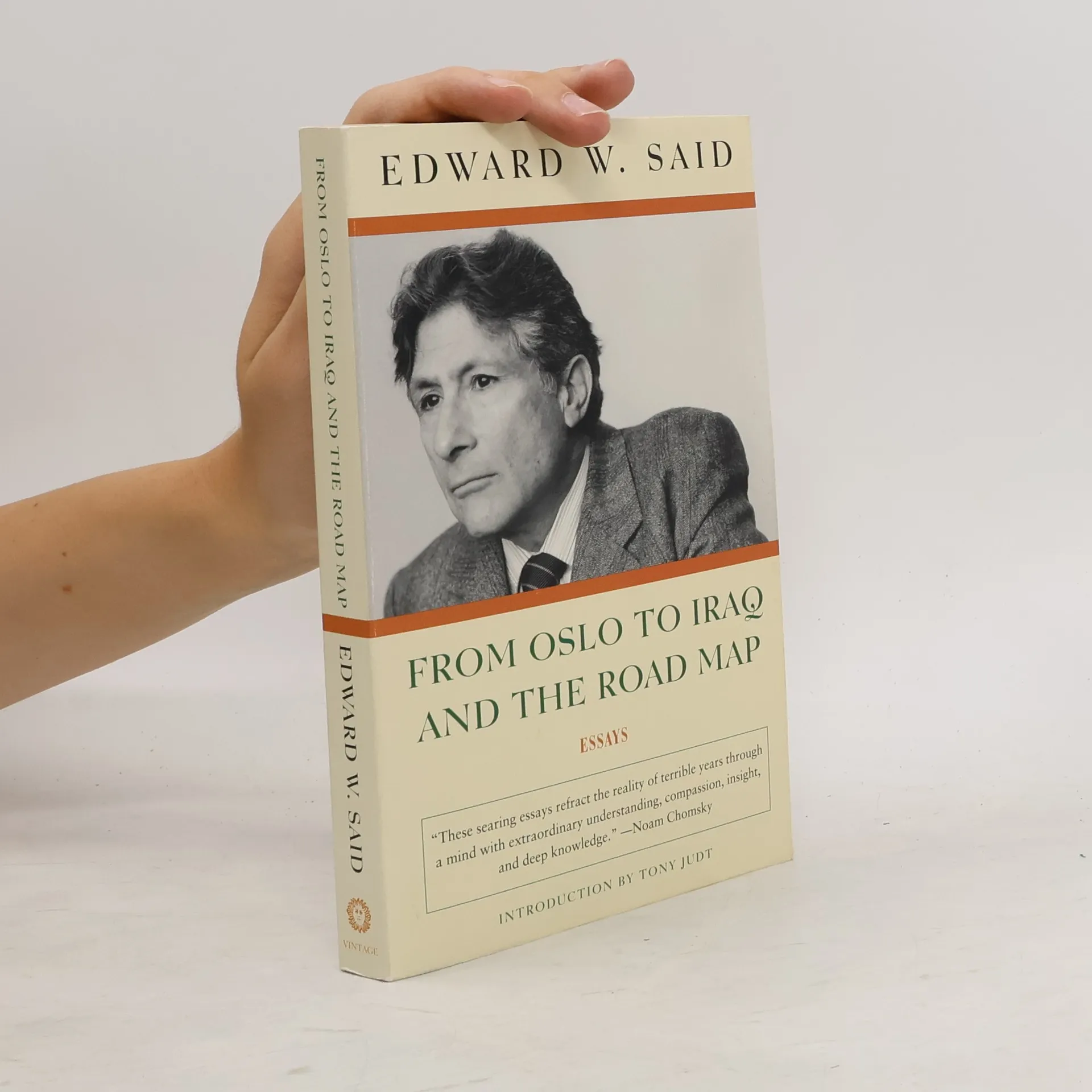
Focusing on the Palestinian cause, Edward W. Said's final collection of essays passionately advocates for truth and justice regarding Israel's occupation and the plight of Palestinians. Drawing from various international publications, he critiques the Oslo Accords and the U.S. invasion of Iraq while highlighting underrepresented perspectives in America. Said calls for improved dialogue between progressive Israelis and Palestinians and critiques the shortcomings of Arab leadership, emphasizing the urgent need for genuine change in the region.
brought on by advances in technological communication, intellectual specialization, and cultural sensitivity -- has eroded the former primacy of the humanities, Edward Said argues that a more democratic form of humanism -- one that aims to incorporate, emancipate, and enlighten --
The book, originally published in 2003, explores themes of social justice and activism, presenting a critical analysis of contemporary issues. It delves into the historical context of movements for change, offering insights into the struggles and triumphs of marginalized communities. Through a blend of personal narratives and scholarly research, it aims to inspire readers to engage with and challenge societal norms. The work serves as both a call to action and a resource for understanding the complexities of activism today.
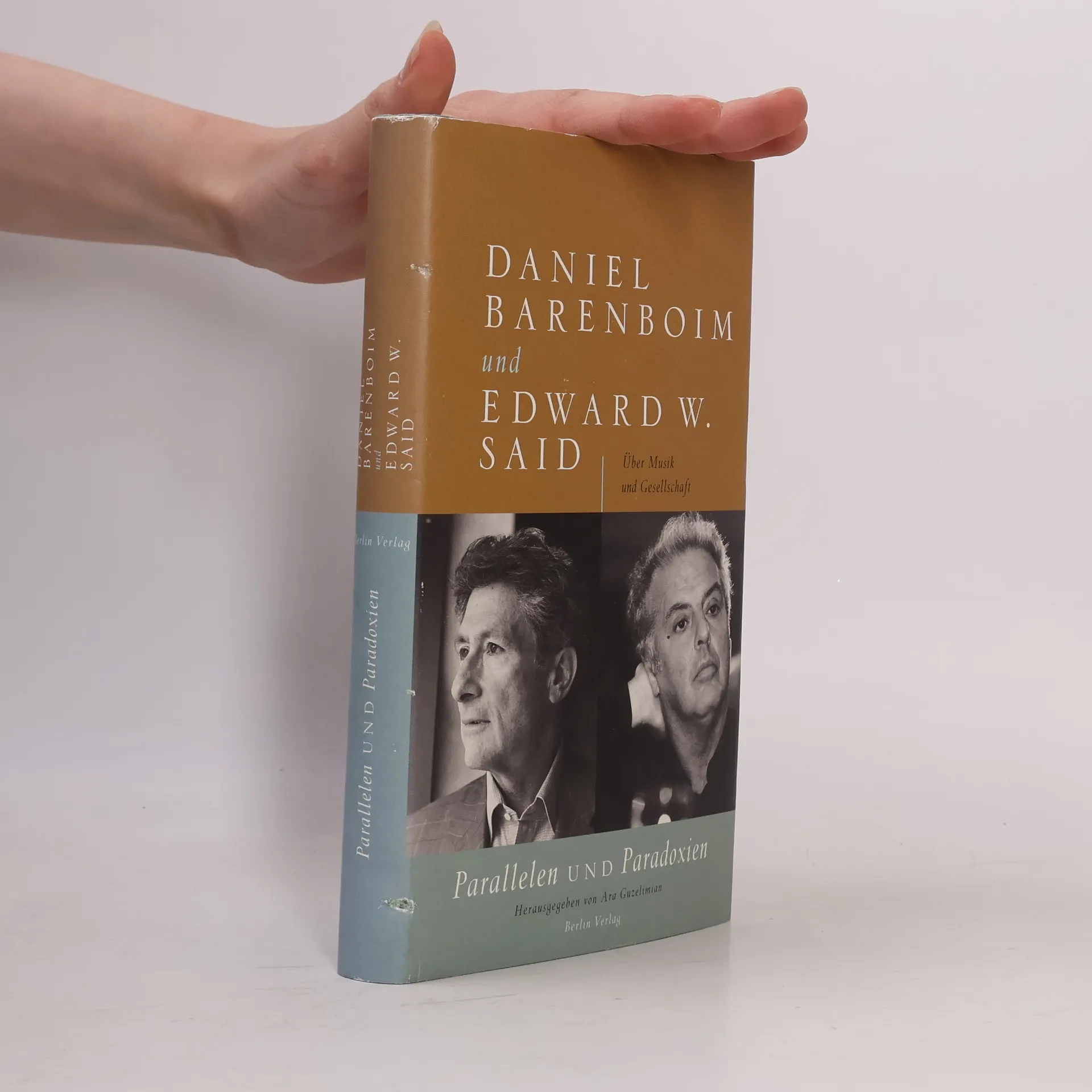
Israeli Daniel Barenboim - director of the Chicago Symphony Orchestra and of the Berlin State Opera - and Palestinian Edward Said - eminent literary critic and leading expert on the Middle East - have been close friends for years. Parallels and Paradoxes is a series of discussions between the two friends about music, politics, literature and society. Barenboim and Said talk about, among other subjects, the differences between writing prose and music; the compromising politician versus the uncompromising artist; Beethoven as the ultimate sonata composer; Wagner; great teachers; and the power of culture to transcend national differences. Parallels and Paradoxes is an affectionate and impassioned exchange of ideas that is deeply informed, profound and yet completely accessible.
This original and deeply provocative book, first published in 1978, was the first to make Palestine the subject of a serious debate - one that remains as critical as ever.
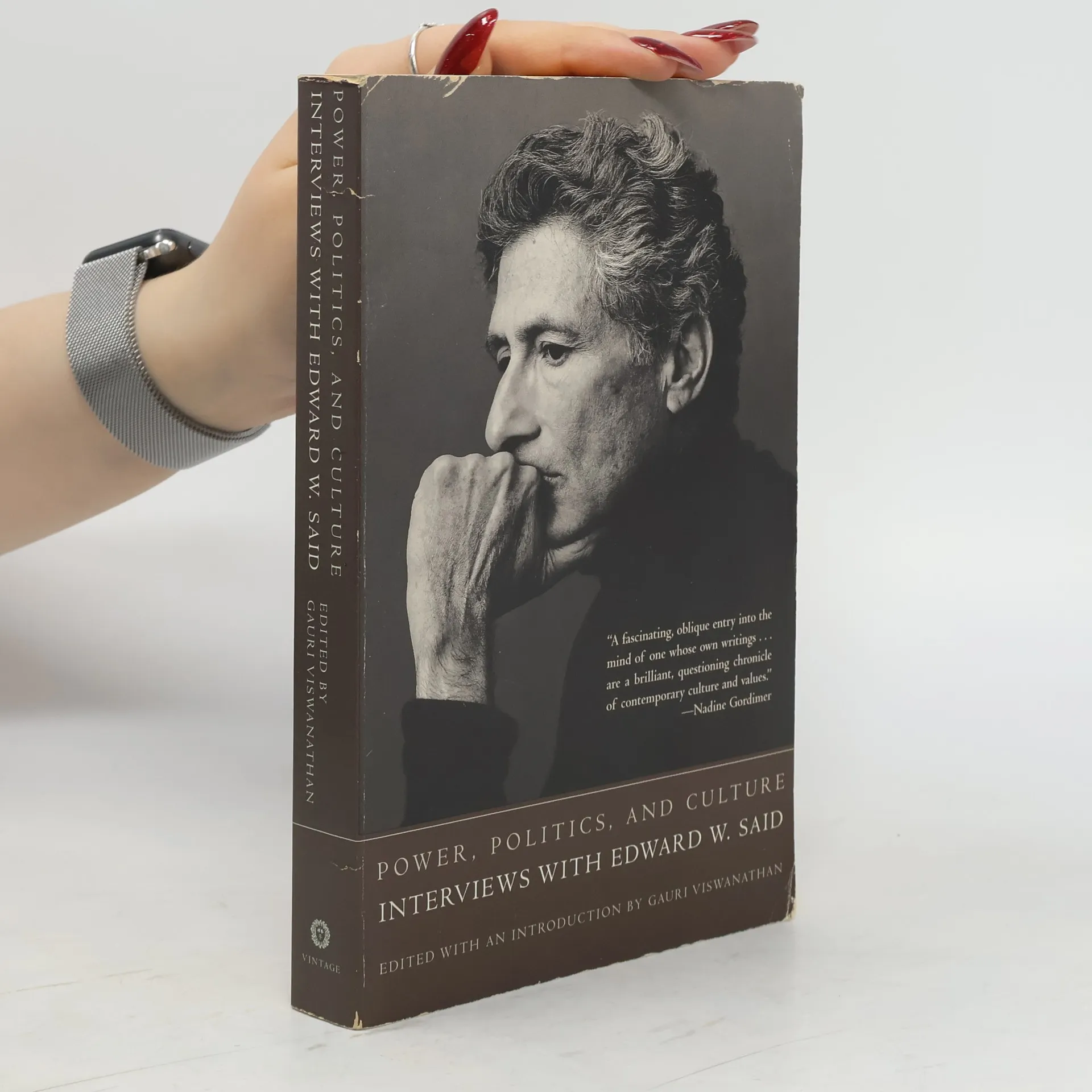
Spanning more than thirty years, a collection of twenty-five interviews with the middle Eastern scholar and critic shares his thoughts on a variety of subjects, including politics, literary and cultural criticism, and the Gulf War.
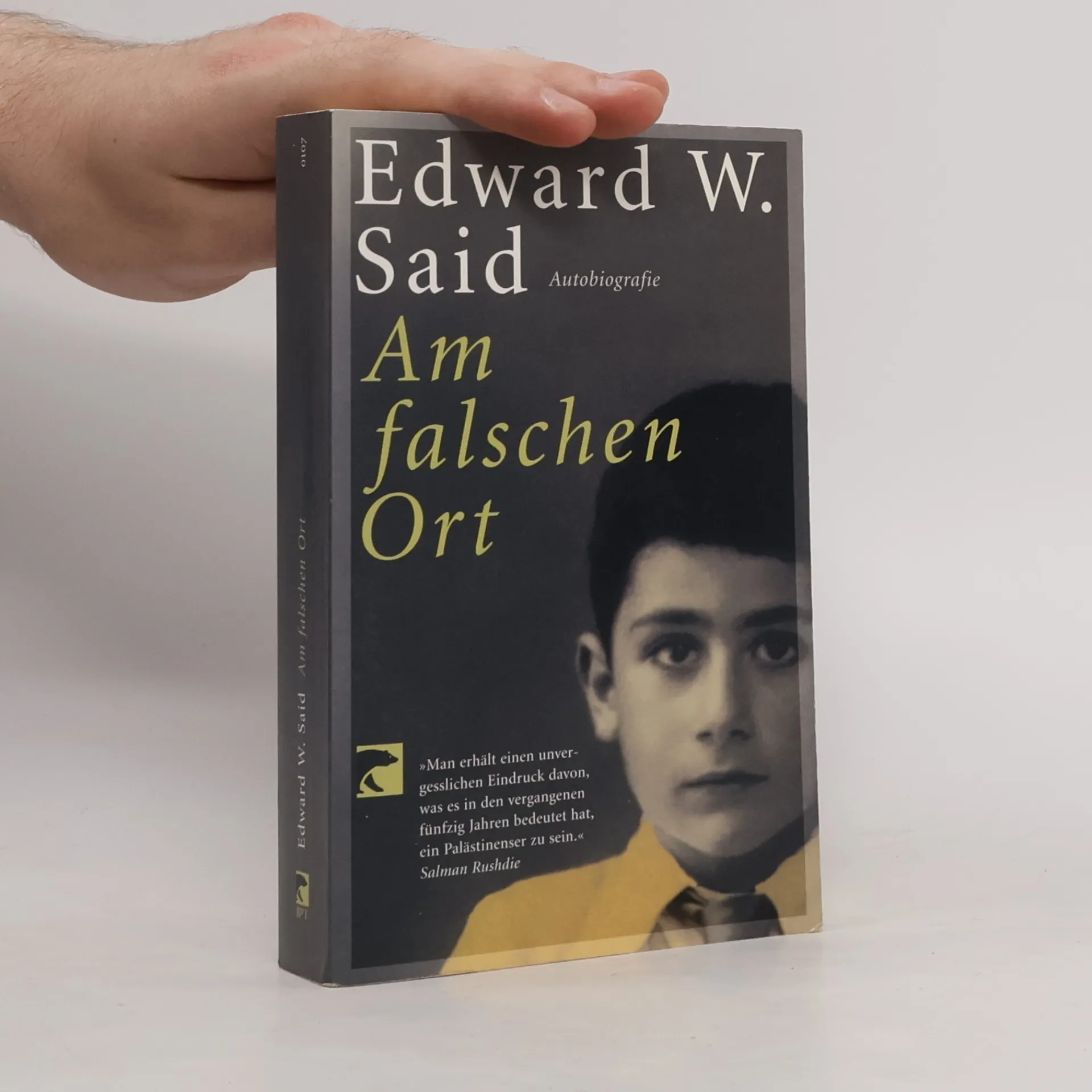
Palestinian American intellectual Edward Said presents an account of the life he lived as a child in the Arab world, and in the U.S. where he attended school, college, and university.
Edward Said, geboren 1935 in Jerusalem, verbrachte einen Großteil seiner Jugend in Kairo und Libanon. "Am falschen Ort" ist ein Akt emotionaler Archäologie dieser Zeit, der Menschen und Orte zum Leben erweckt, von denen viele nicht mehr existieren. In diesem unerschütterlich ehrlichen Memoir, geprägt von seinem fordernden 'viktorianischen' Vater und seiner geliebten, inspirierenden, aber ambivalenten Mutter, verfolgt Said sein wachsendes Bewusstsein als Außenseiter: Araber, aber Christ, Palästinenser, aber Inhaber eines US-Passes, mit einem unwahrscheinlichen britischen Vornamen, der mit einem arabischen Nachnamen verbunden ist.
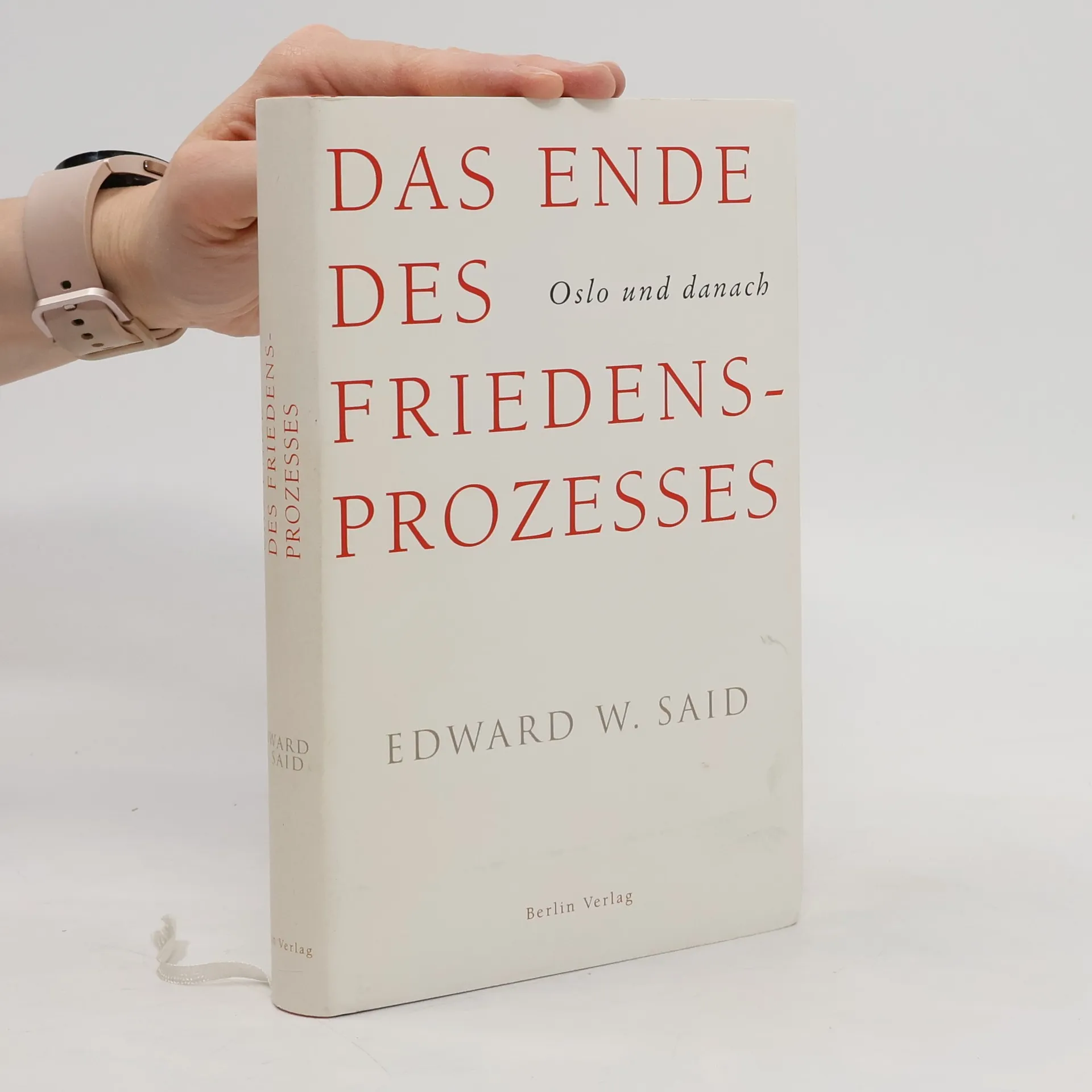
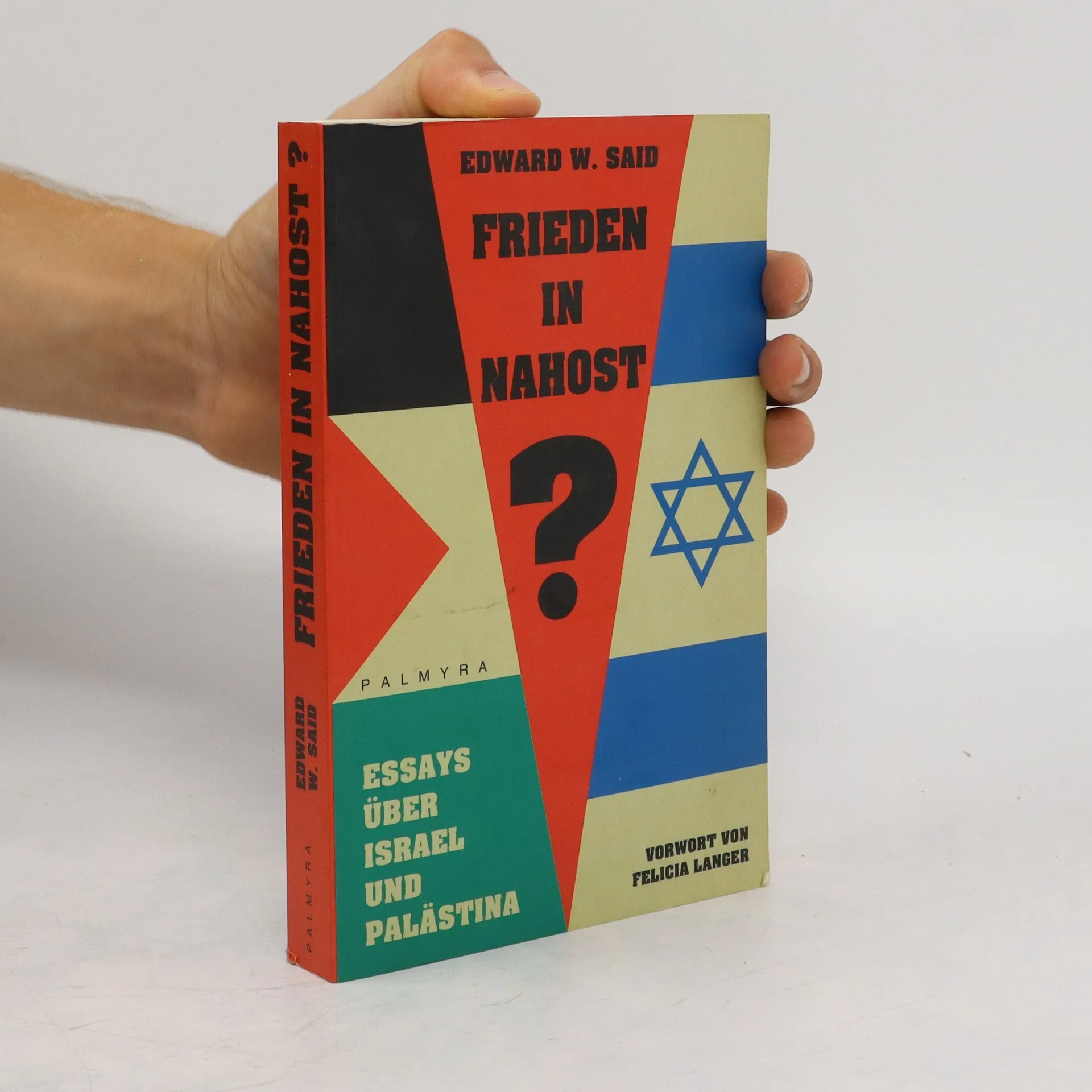
Die Essays untersuchen die politischen Dynamiken nach den Oslo-Abkommen und zeigen, wie die Fassade der Versöhnung im Nahen Osten oft die Abwesenheit echten Friedens verschleiert. Edward Said kritisiert die Mechanismen, die Konflikte aufrechterhalten, und stützt sich dabei auf seine Erkenntnisse aus verschiedenen arabischen und europäischen Publikationen. Durch seine Analyse hinterfragt er die vorherrschenden Narrative und hebt die Komplexität der Kämpfe in der Region hervor, wobei er die Diskrepanz zwischen politischen Vereinbarungen und den Realitäten vor Ort betont.
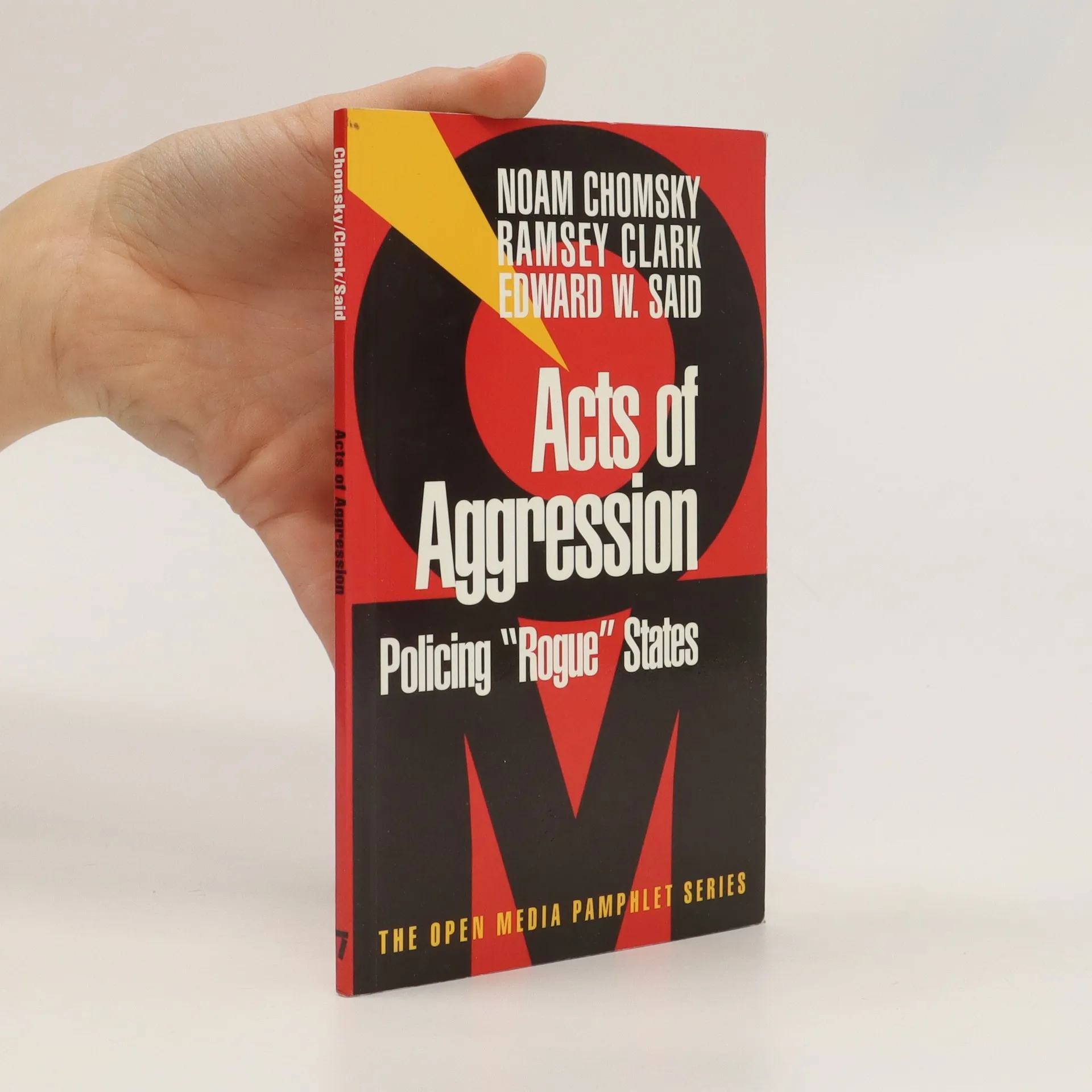
Three distinguished scholars, Noam Chomsky, Edward Said, and Ramsey Clark examine the background and ramifications of the US conflict with Iraq. These essays provide an analysis of US Arab relations, the contradictions and consequences of US foreign policy towards 'rogue states', and how hostile American actions abroad conflict with UN resolutions and international law.
Edward W. Said zieht eine kritische Bilanz des nahöstlichen Friedensprozesses seit 1993 und analysiert die Oslo-Abkommen. Seine Einschätzung ist ernüchternd: Die israelische Siedlungspolitik schreitet ungehindert voran, die palästinensischen Gebiete sind territorial zersplittert, und den Palästinensern bleibt der eigene Staat verwehrt. Überzeugt von der Notwendigkeit einer friedlichen Koexistenz zwischen Israelis und Palästinensern, plädiert Said für eine Zweistaatenlösung. Das Buch versammelt seine bedeutendsten politischen Artikel aus den Jahren 1993 bis 1997. Said betont, dass es unerlässlich ist, Dinge auszusprechen, die oft ignoriert werden. Solange keine echte Begegnung auf Augenhöhe stattfindet, wird das Problem Palästinas und Israels in Gewalt und Elend fortbestehen. Dennoch bleibt er optimistisch, dass Wandel möglich ist. Said hat sich stets für Frieden und Verständigung eingesetzt, mit dem Ziel, Dialog und Versöhnung mit Juden und Israelis zu fördern. In Übereinstimmung mit seinem Gewissen und seiner Integrität schreibt er die Wahrheit. Edward W. Said, 1935 in Jerusalem geboren, war Professor für Vergleichende Literaturwissenschaft an der Columbia Universität und ein angesehener Kulturkritiker. Bekannt wurde er durch sein Buch „Orientalismus“, das die westliche Wahrnehmung orientalischer Gesellschaften hinterfragt. Er gilt als einer der profiliertesten Anwälte der Palästinafrage und knüpfte bereits 1979 erste Kontakt
Essays on Palestine in the Middle East Peace Process
224 Seiten
8 Lesestunden
Challenging the official narrative of the Middle East peace process, this book presents a critical examination of cultural myths and political realities. The author, a prominent Palestinian-American intellectual, encourages readers to rethink widely accepted beliefs about the region. With incisive arguments and a passionate tone, the work stimulates thought on complex issues, making it a significant contribution to discussions on culture and imperialism.
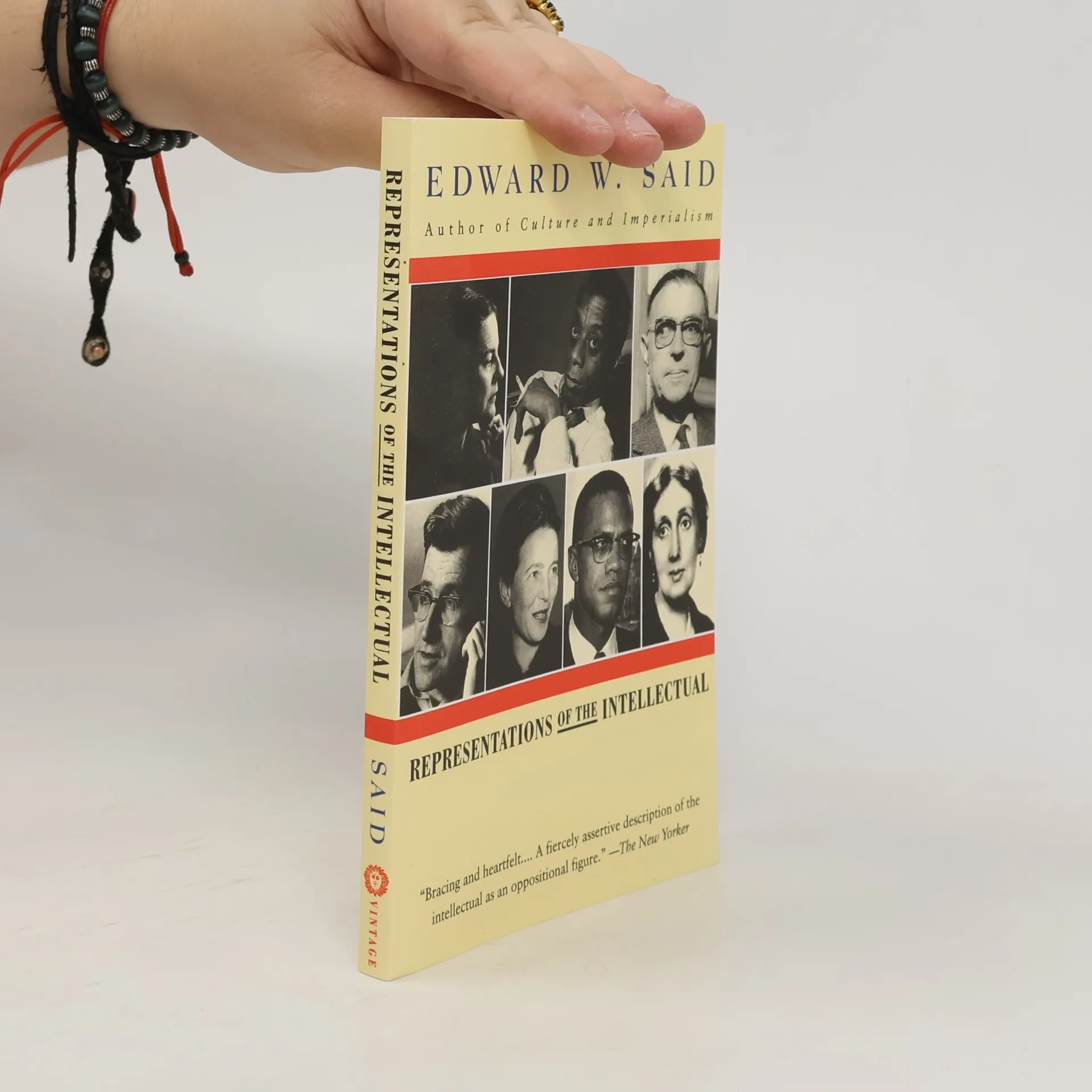
Celebrated humanist, teacher, and scholar, Edward W. Said here examines the ever-changing role of the intellectual today. In these six stunning essays - delivered on the BBC as the prestigious Reith Lectures - Said addresses the ways in which the intellectual can best serve society in the light of a heavily compromised media and of special interest groups who are protected at the cost of larger community concerns. Said suggests a recasting of the intellectual's vision to resist the lures of power, money, and specialization. in these powerful pieces, Said eloquently illustrates his arguments by drawing on such writers as Antonio Gramsci, Jean-Paul Sartre, Regis Debray, Julien Benda, and Adorno, and by discussing current events and celebrated figures in the world of science and politics: Robert Oppenheimer, Henry Kissinger, Dan Quayle, Vietnam, and the Gulf War. Said sees the modern intellectual as an editor, journalist, academic, or political adviser - in other words, a highly specialized professional - who has moved from a position of independence to an alliance with powerful institutional organizations. He concludes that it is the exile-immigrant, the expatriate, and the amateur who must uphold the traditional role of the intellectual as the voice of integrity and courage, able to speak out against those in power.BBC episodes presented by Edward Said: http://www.bbc.co.uk/programmes/p00gm...
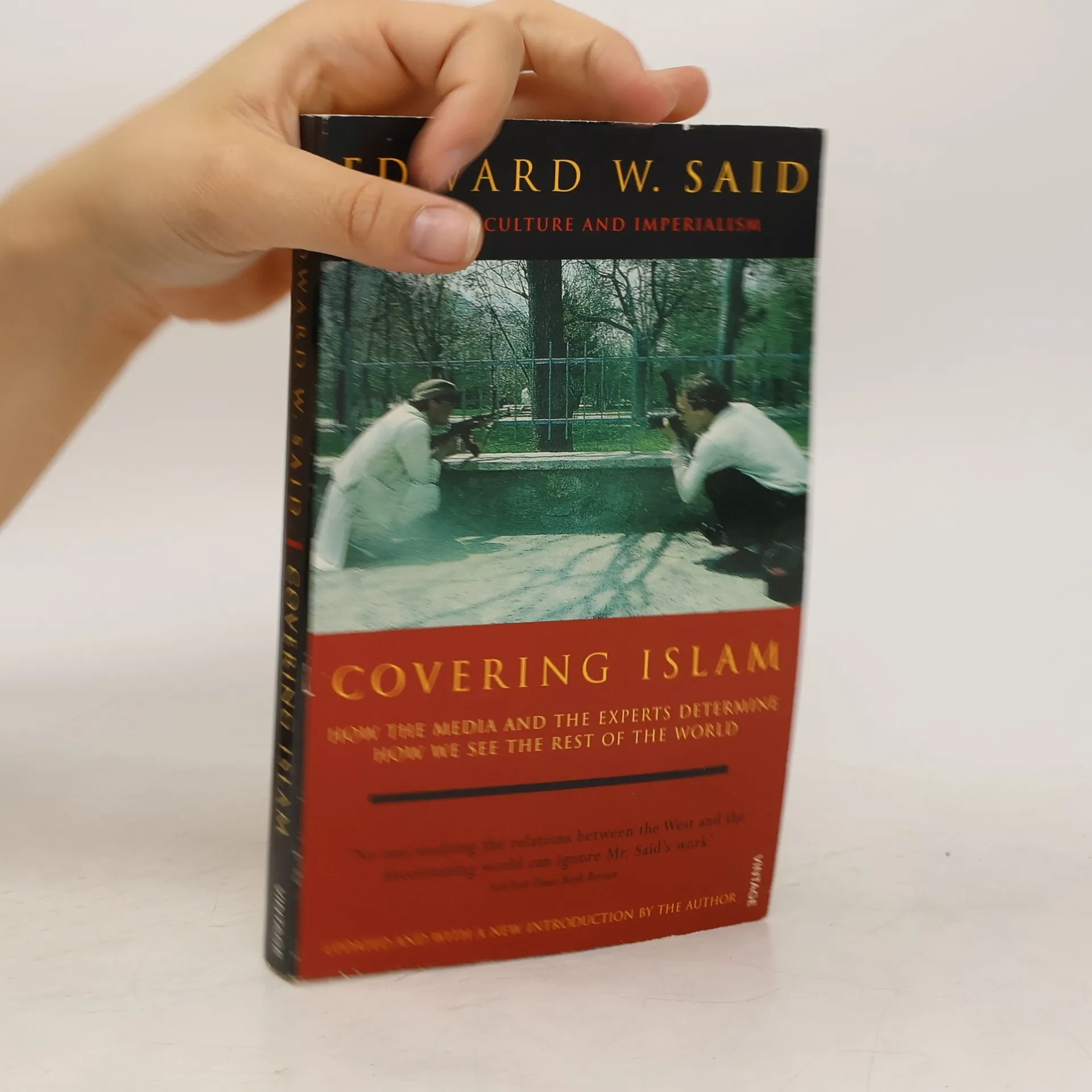
From the Iranian hostage crisis through the Gulf War and the World Trade
Centre bombing, the West has been haunted by a spectre called 'Islam'. As
portrayed by the news media - and by a chorus of government, academic and
corporate experts - 'Islam' is synonymous with terrorism and religious
hysteria.
Eine besondere Vorlesungsreihe widmete der amerikanische Literaturwissenschaftler Edward W. Said seinem Lieblingsthema: der Musik. Saids wohltemperiertes Buch spannt einen weiten Bogen über Kultur- und Musikgeschichte, erzählt ebenso fesselnd wie allgemeinverständlich vom Wandel der musikalischen Aufführungspraxis, der Individualität einer Melodie und der Geschichte konzertanter Grenzüberschreitungen.
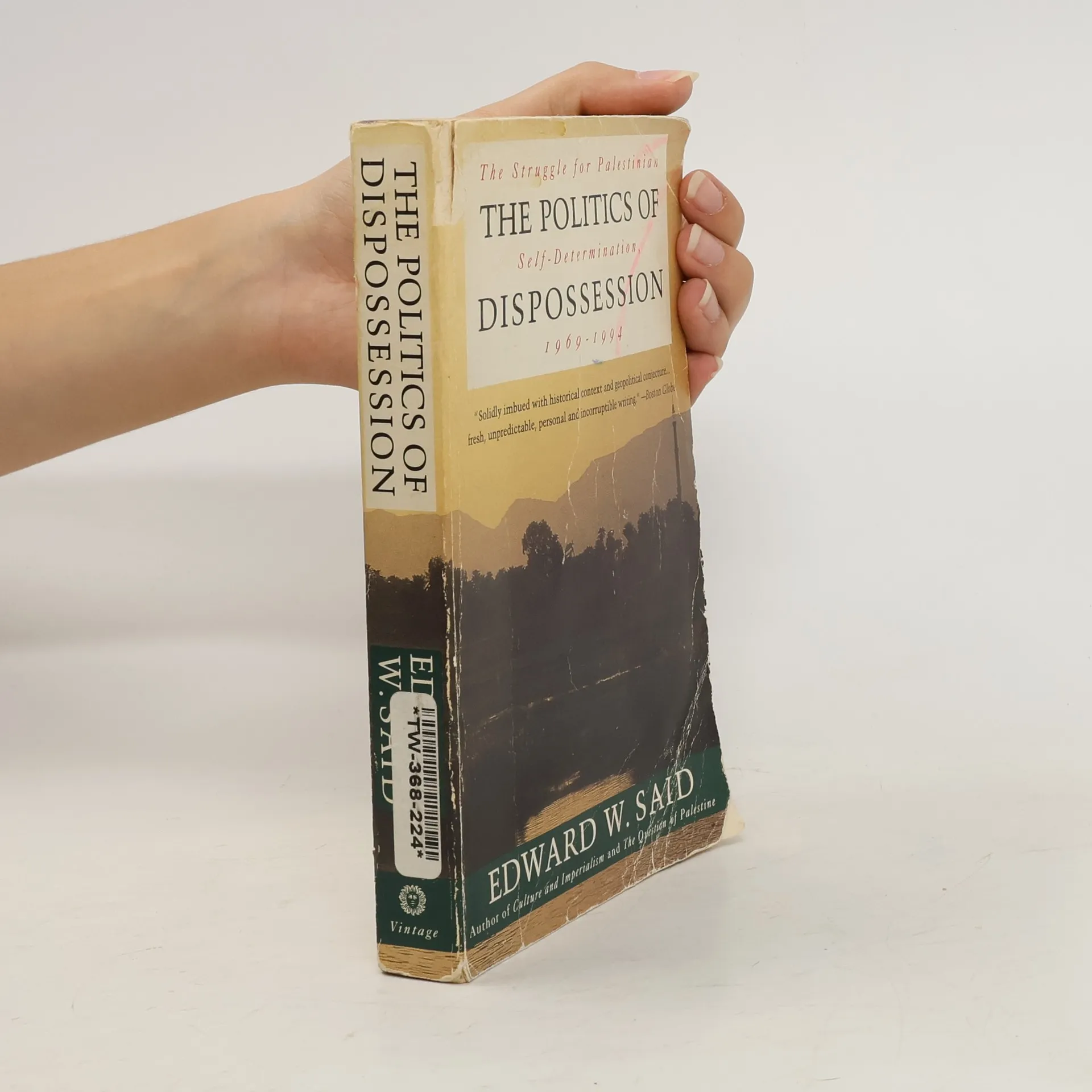
Ever since the appearance of his groundbreaking The Question of Palestine, Edward Said has been America's most outspoken advocate for Palestinian self-determination. As these collected essays amply prove, he is also our most intelligent and bracingly heretical writer on affairs involving not only Palestinians but also the Arab and Muslim worlds and their tortuous relations with the West.In The Politics of Dispossession Said traces his people's struggle for statehood through twenty-five years of exile, from the PLO's bloody 1970 exile from Jordan through the debacle of the Gulf War and the ambiguous 1994 peace accord with Israel. As frank as he is about his personal involvement in that struggle, Said is equally unsparing in his demolition of Arab icons and American shibboleths. Stylish, impassioned, and informed by a magisterial knowledge of history and literature, The Politics of Dispossession is a masterly synthesis of scholarship and polemic that has the power to redefine the debate over the Middle East.
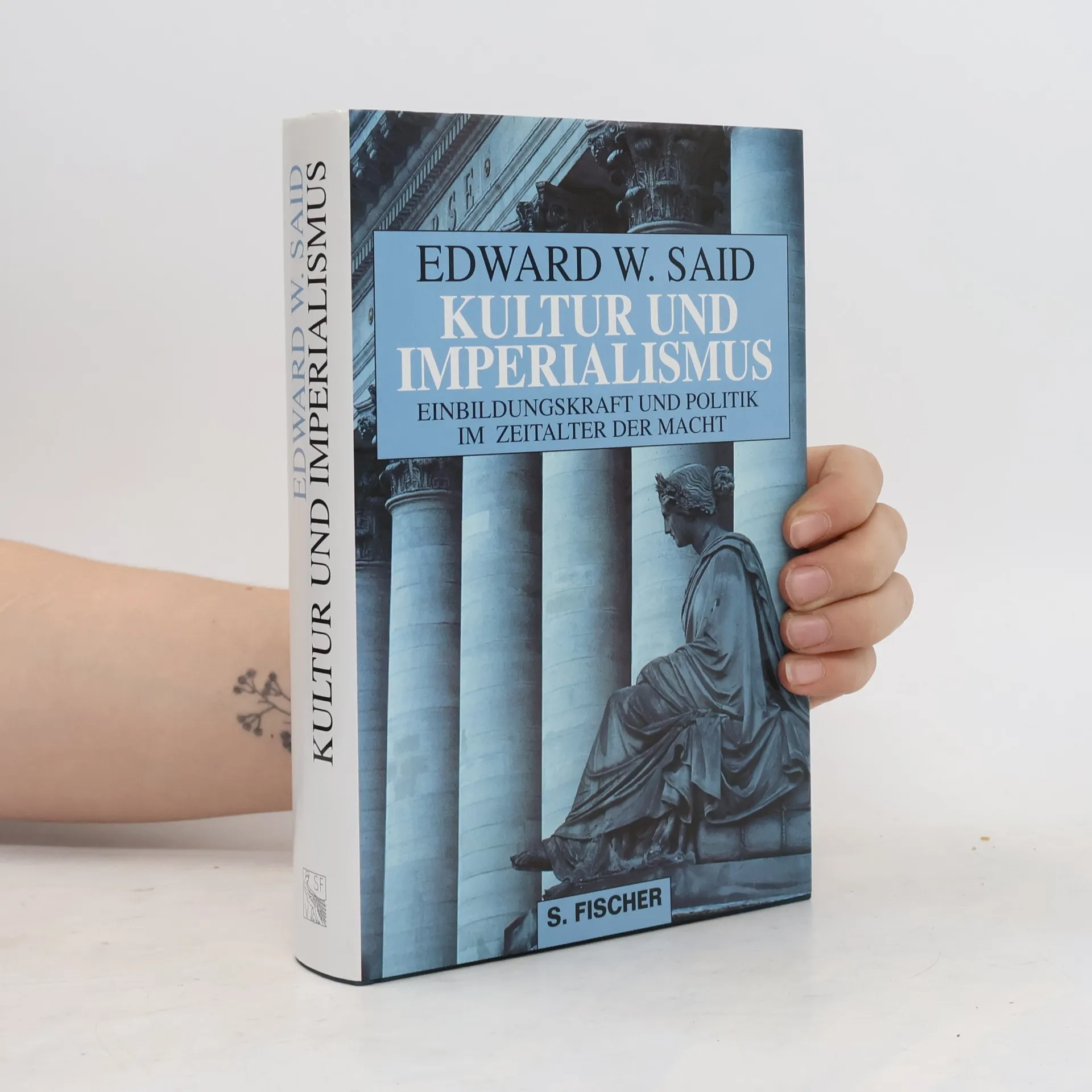
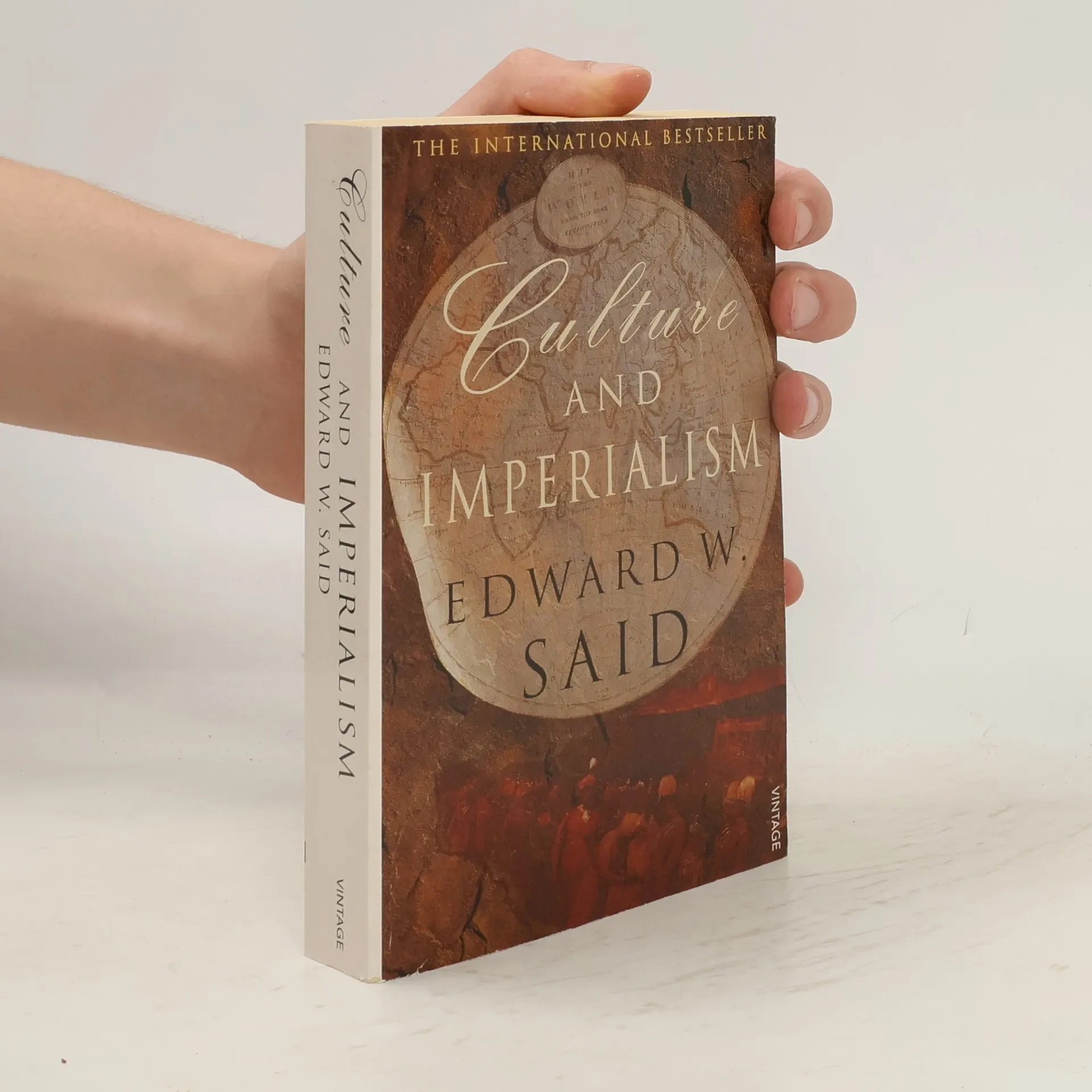
A landmark work from the intellectually auspicious author of Orientalism that explores the long-overlooked connections between the Western imperial endeavor and the culture that both reflected and reinforced it.
A landmark work from the intellectually auspicious author of Orientalism that explores the long-overlooked connections between the Western imperial endeavor and the culture that both reflected and reinforced it. Culture and Imperialism, by Edward Said, is a collection of thematically related essays that trace the connection between imperialism and culture throughout the 18th, 19th, and 20th centuries.
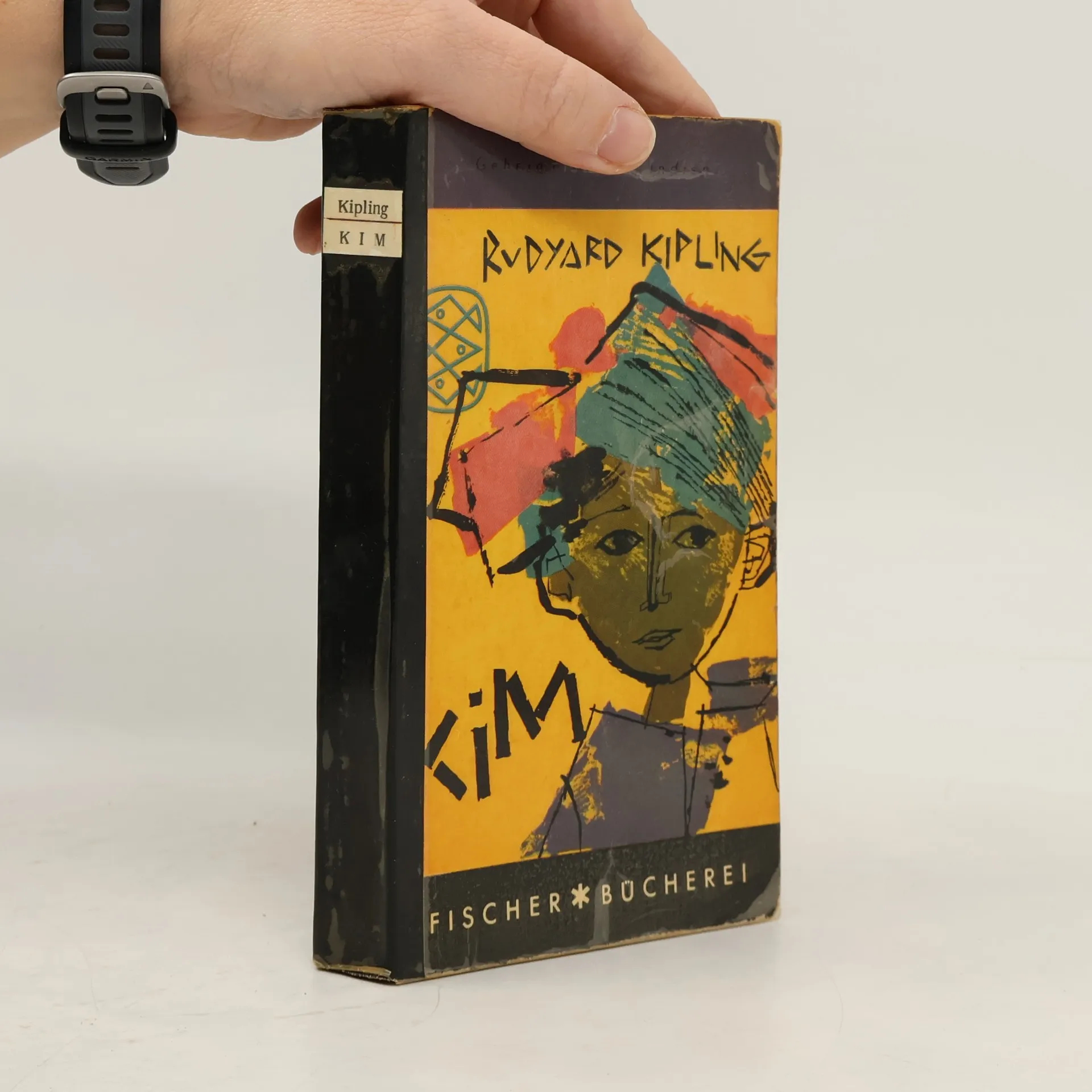
Neben dem »Dschungelbuch« ist »Kim« der berühmteste Roman Rudyard Kiplings, ein Abenteuer- und Kindheitsroman und einer der schönsten, die über Indien geschrieben worden sind. Kim ist ein Waisenjunge aus Lahore, ein Herumtreiber voller Charme und Witz, der auf der Suche nach seinem Namen mit einem tibetanischen Lama den Subkontinent durchstreift - ein Land voller Farben, Menschen und Gerüche. Mit Biographie, ausführlichem Kommentar und detaillierter Zeittafel.
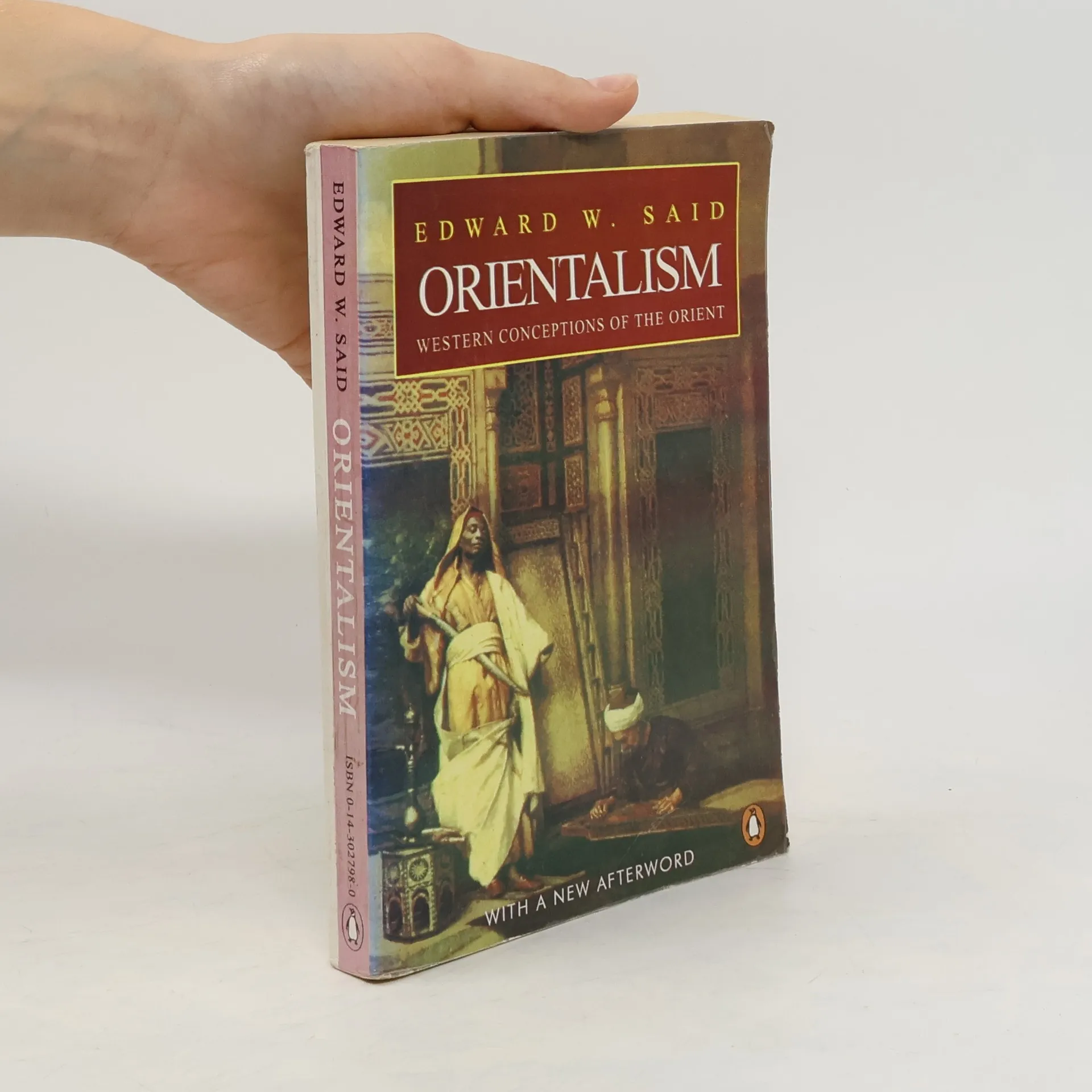
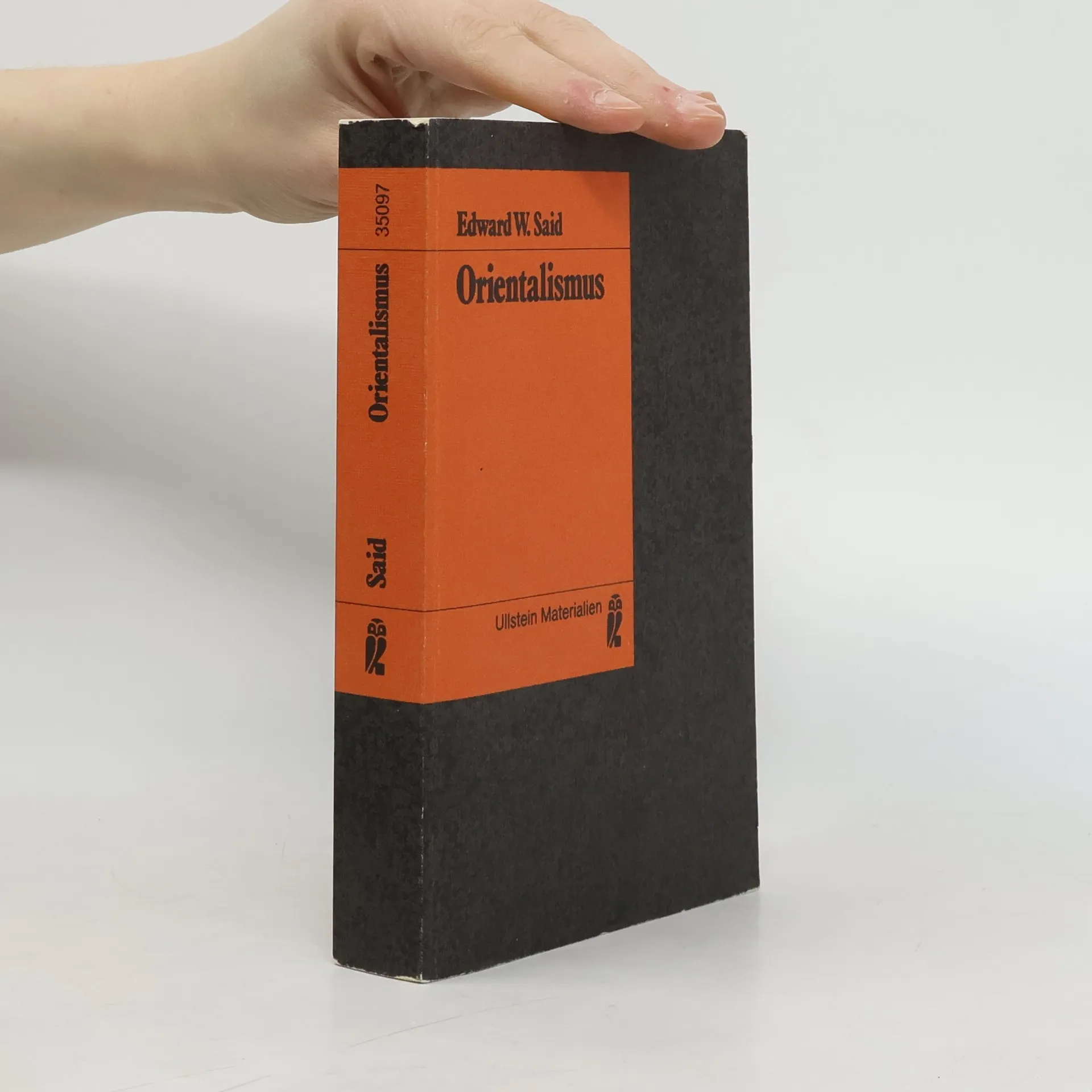
Endlich: Die Neuausgabe des Klassiker in einer neuen Übersetzung. Aktueller denn je. In seiner aufsehenerregenden Studie entlarvt Edward Said das Bild des Westens vom Orient als zutiefst einseitig und als eine Projektion, indem der »Orient« schlicht als »anders als der Okzident« verstanden wurde. Er verfolgt die Tradition dieses Missverständnisses durch die Jahrhunderte, in denen Europa den nahen und mittleren Osten dominierte, und zeigt, wie auch heute noch dieses Bild den Westen beherrscht. Weil es dem Orient dadurch verwehrt wird, sich selbst zu repräsentieren, wird ein wahres Verständnis der Kulturen verhindert. Gerade heute, dreißig Jahre nach seinem ersten Erscheinen, hat dieser Klassiker der Kulturgeschichtsschreibung nichts an Aktualität eingebüßt – ganz im Gegenteil.