

Claudia Schmuckli Bücher
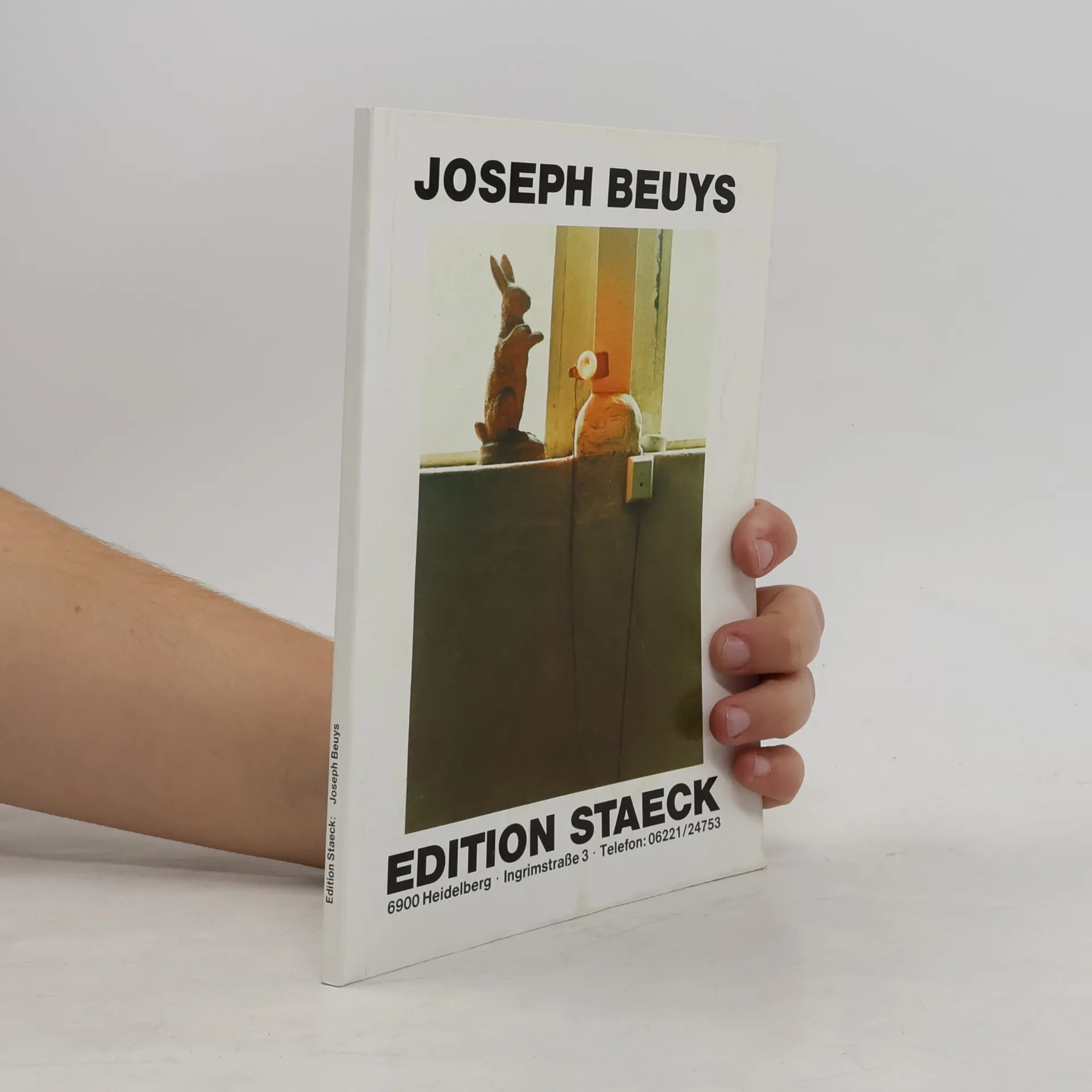

Die Sammlung Joseph Beuys basiert auf der persönlichen Sammlung des Medizinhistorikers Prof. Dr. Dr. Axel Hinrich Murken, der sich seit den frühen 1970er Jahren intensiv mit dem Werk von Joseph Beuys auseinandersetzte. Diese Freundschaft führte zur Herausgabe des Buches „Beuys + die Medizin“ im Jahr 1979. Murken sammelte über die Jahre Originalobjekte, Zeichnungen, Multiples, Grafiken und mehr von Beuys, wobei gemeinsame Themen wie die Heilkräfte der Kunst und Schmerzforschung im Mittelpunkt standen. Im Museum Wiesbaden umfasst das Konvolut „Joseph Beuys“ etwa 150 Positionen, darunter zahlreiche empfindliche Schriftstücke und Handzeichnungen, die nicht dauerhaft ausgestellt werden können. Daher sind nur rund 50 Objekte in der Präsentation zu sehen. Eine umfassende begleitende Publikation enthält ein Werkverzeichnis aller Objekte sowie einen einleitenden Text von Jörg Daur und sechs Aufsätze von Murken aus den Jahren 1972–2008. Diese Texte dokumentieren die fruchtbare Auseinandersetzung und persönliche Beziehung zwischen Murken und Beuys. Ein Typoskript eines Gesprächs aus dem Jahr 1973 mit handschriftlichen Kommentaren von Beuys ergänzt die Publikation.
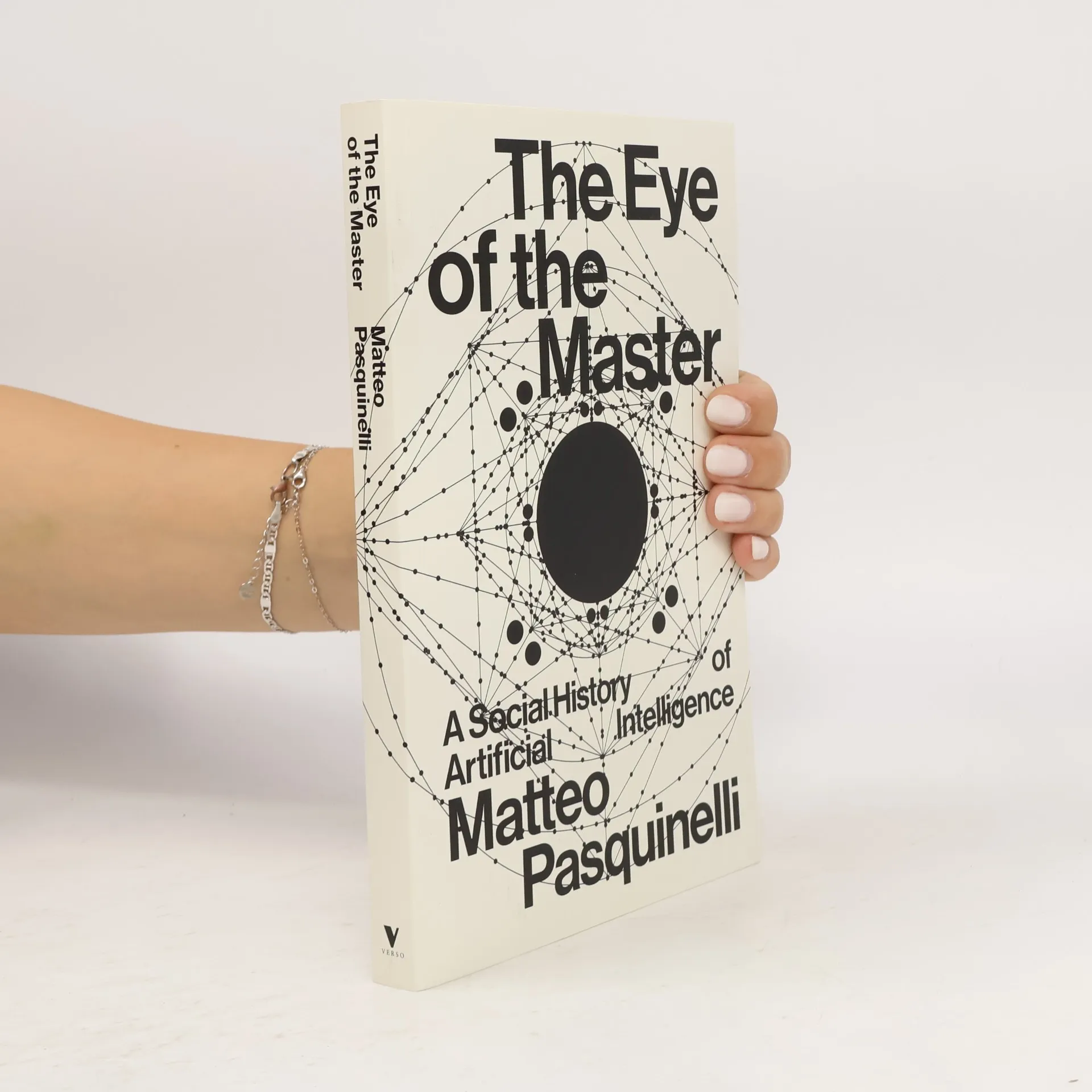
A social history of AI that finally reveals its roots in the spatial computation of industrial factories and the surveillance of collective behaviour. What is AI? A dominant view describes it as the quest "to solve intelligence," a solution supposedly to be found in the secret logic of the mind or in the deep physiology of the brain, such as in its complex neural networks. The Eye of the Master argues, to the contrary, that the inner code of AI is shaped not by the imitation of biological intelligence, but the intelligence of labour and social relations, as it is found in Babbage's "calculating engines" of the industrial age as well as in the recent algorithms for image recognition and surveillance. The idea that AI may one day become autonomous (or "sentient", as someone thought of Google's LaMDA) is pure fantasy. Computer algorithms have always imitated the form of social relations and the organisation of labour in their own inner structure and their purpose remains blind automation. The Eye of the Master urges a new literacy on AI for scientists, journalists and new generations of activists, who should recognise that the "mystery" of AI is just the automation of labour at the highest degree, not intelligence per se.