

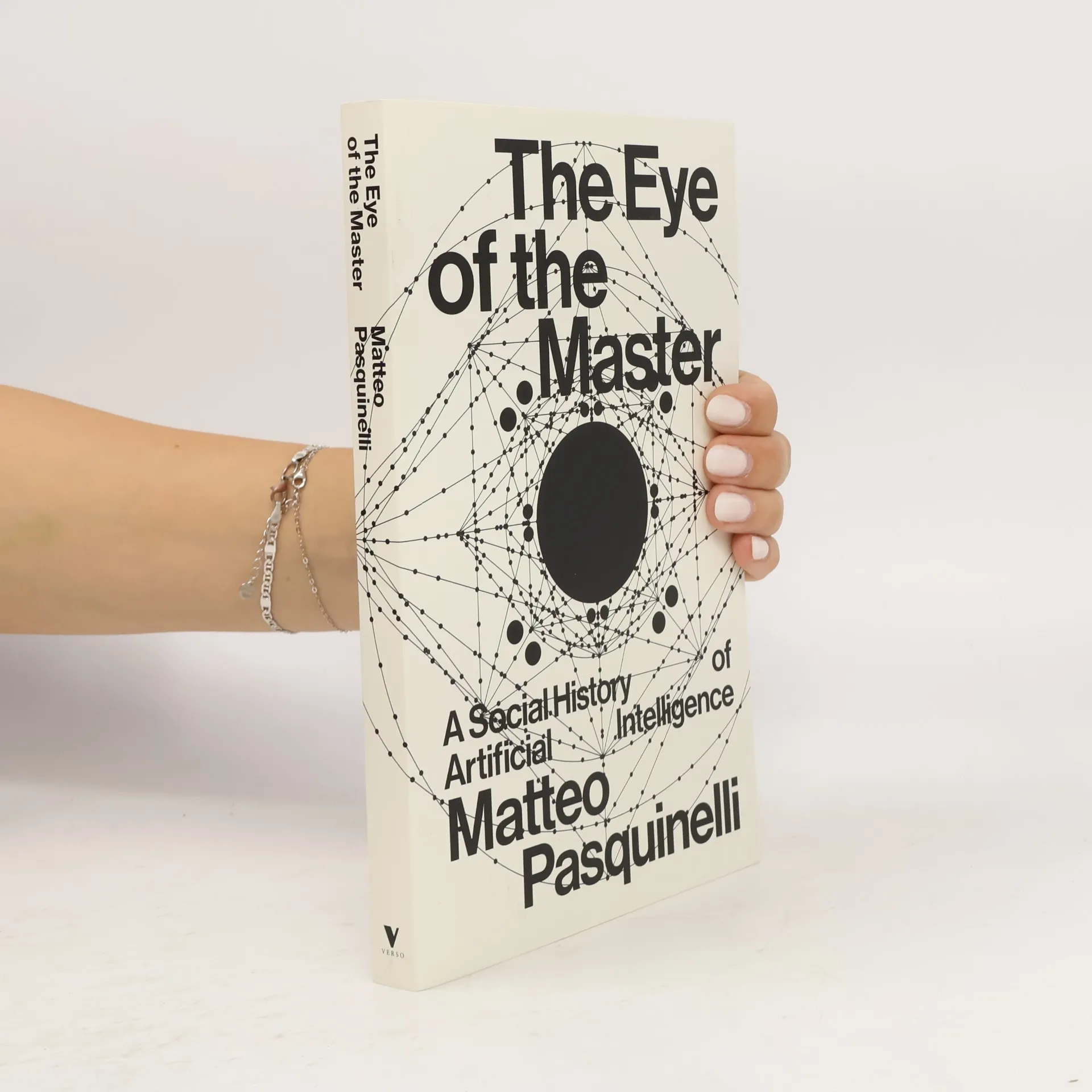
The Eye of the Master
Buchbewertung
Parameter
Mehr zum Buch
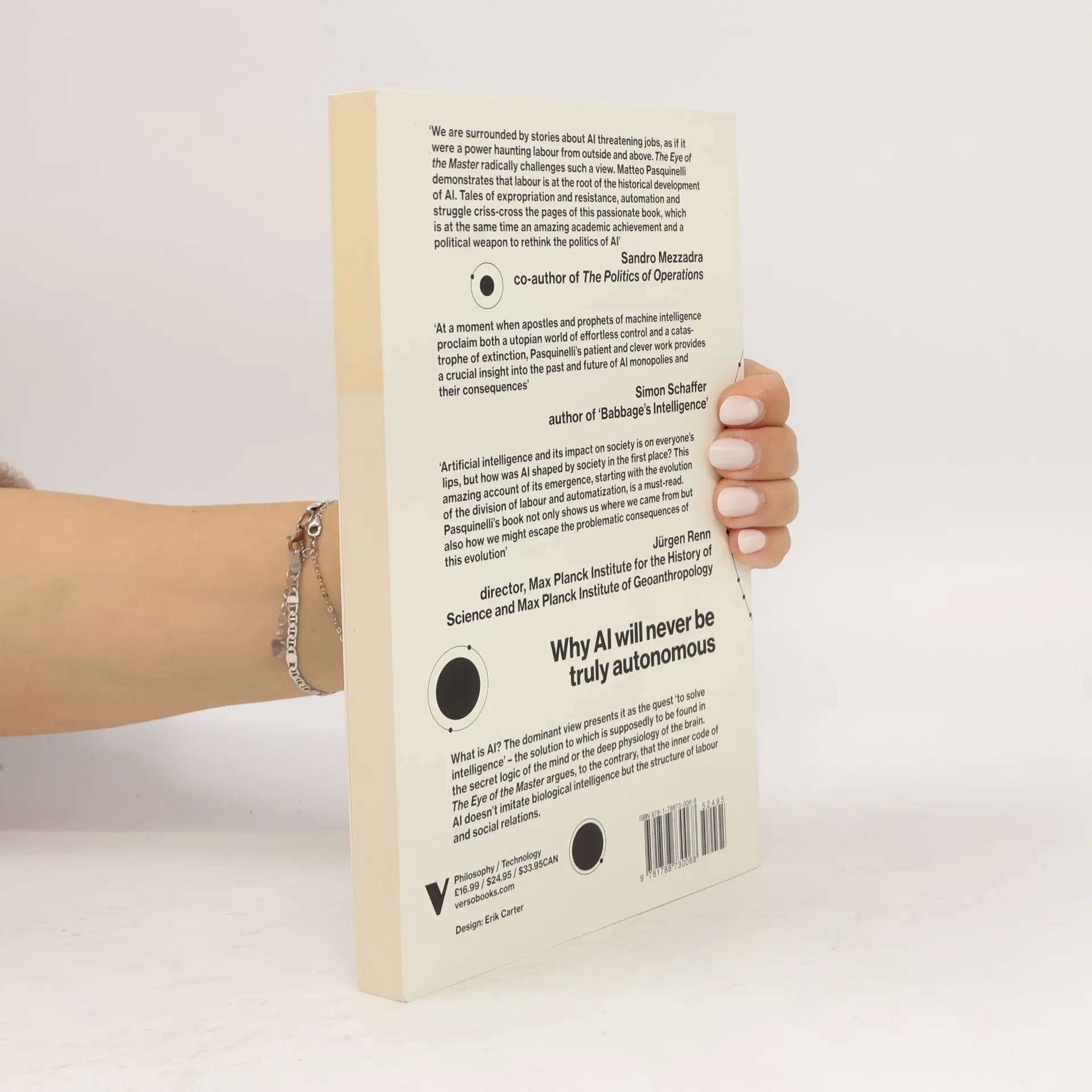
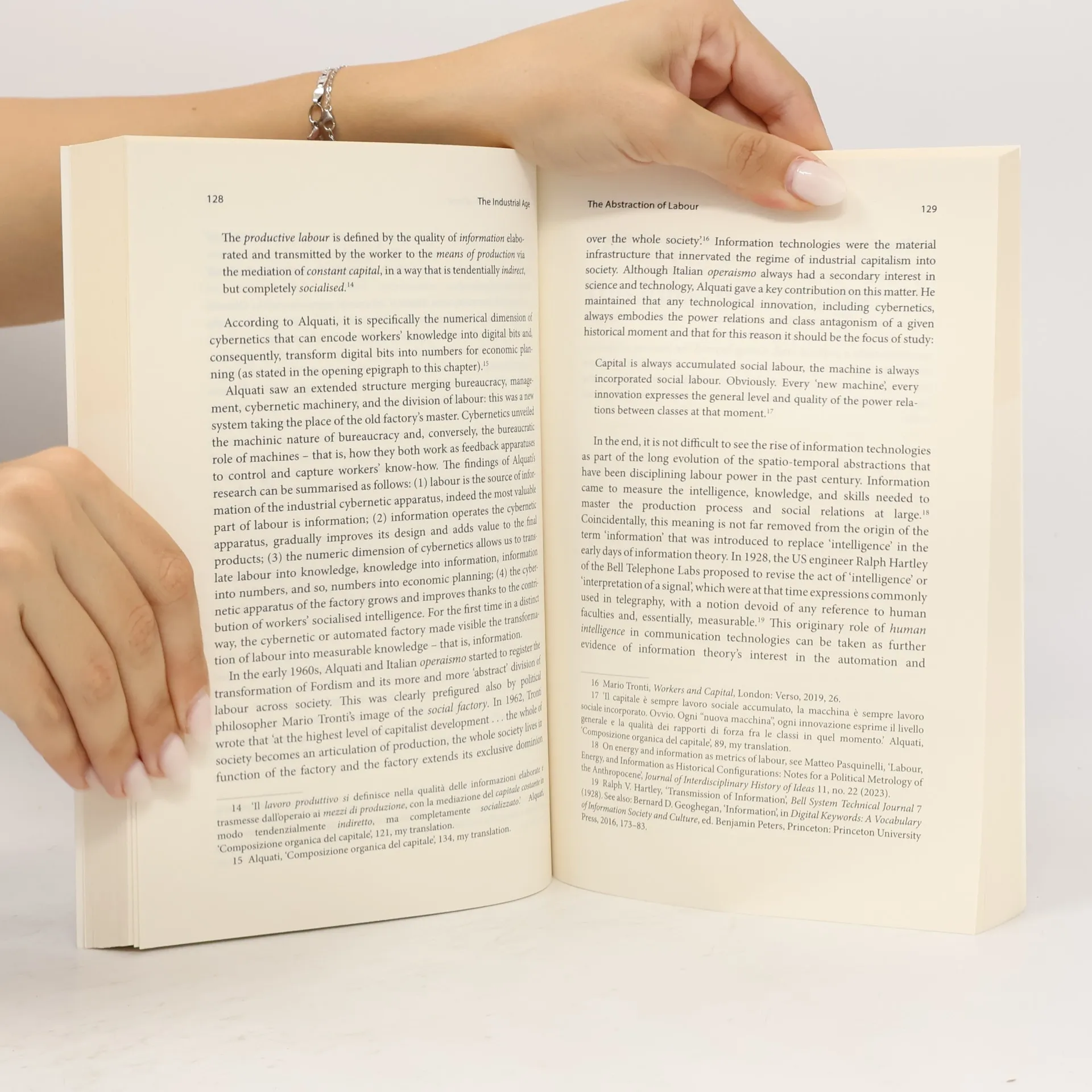
A social history of AI that finally reveals its roots in the spatial computation of industrial factories and the surveillance of collective behaviour. What is AI? A dominant view describes it as the quest "to solve intelligence," a solution supposedly to be found in the secret logic of the mind or in the deep physiology of the brain, such as in its complex neural networks. The Eye of the Master argues, to the contrary, that the inner code of AI is shaped not by the imitation of biological intelligence, but the intelligence of labour and social relations, as it is found in Babbage's "calculating engines" of the industrial age as well as in the recent algorithms for image recognition and surveillance. The idea that AI may one day become autonomous (or "sentient", as someone thought of Google's LaMDA) is pure fantasy. Computer algorithms have always imitated the form of social relations and the organisation of labour in their own inner structure and their purpose remains blind automation. The Eye of the Master urges a new literacy on AI for scientists, journalists and new generations of activists, who should recognise that the "mystery" of AI is just the automation of labour at the highest degree, not intelligence per se.
Buchkauf
The Eye of the Master, Yuk Hui, Matteo Pasquinelli, Claudia Schmuckli, Janna Keegan, Tobias Rees
- Sprache

- Erscheinungsdatum
- 2023
- Einband
- (Paperback)
Hier könnte deine Bewertung stehen.
- Titel
- The Eye of the Master
- Sprache
- Englisch
- Autor*innen
- Yuk Hui, Matteo Pasquinelli, Claudia Schmuckli, Janna Keegan, Tobias Rees
- Verlag
- Verso Books
- Erscheinungsdatum
- 2023
- Einband
- Paperback
- ISBN10
- 1788730062
- ISBN13
- 9781788730068
- Reihe
- Schlagwörter
- Bewertung
- 4,1 von 5 Sternen
- Beschreibung
- A social history of AI that finally reveals its roots in the spatial computation of industrial factories and the surveillance of collective behaviour. What is AI? A dominant view describes it as the quest "to solve intelligence," a solution supposedly to be found in the secret logic of the mind or in the deep physiology of the brain, such as in its complex neural networks. The Eye of the Master argues, to the contrary, that the inner code of AI is shaped not by the imitation of biological intelligence, but the intelligence of labour and social relations, as it is found in Babbage's "calculating engines" of the industrial age as well as in the recent algorithms for image recognition and surveillance. The idea that AI may one day become autonomous (or "sentient", as someone thought of Google's LaMDA) is pure fantasy. Computer algorithms have always imitated the form of social relations and the organisation of labour in their own inner structure and their purpose remains blind automation. The Eye of the Master urges a new literacy on AI for scientists, journalists and new generations of activists, who should recognise that the "mystery" of AI is just the automation of labour at the highest degree, not intelligence per se.