Die Netz-Generation ist da, die „Generation N“. Sie wird fast vollkommen durch digitale Technologie und interaktive Medien geprägt. Don Tapscott beschreibt, wie Millionen Kinder und Jugendliche mit dem Internet aufwachsen: wie sie spielen, lernen und arbeiten, wie sie kommunizieren, einkaufen und kreativ sind. Ihr Verhalten in Wirtschaft und Gesellschaft ist schon jetzt vollkommen anders als das der Generation X und unser derzeit bestimmendes. Tapscott zeigt, warum es so grundlegend verschieden ist und was das für unser morgiges Leben und Lernen, Arbeiten und Wirtschaften bedeutet: eine Revolution, getragen von der digitalen Generation.
Don Tapscott Bücher
1. Juni 1947
Don ist eine weltweit führende Autorität für Innovation, Medien und die wirtschaftlichen und sozialen Auswirkungen von Technologie. Seine Arbeit untersucht tiefgreifend die transformative Kraft des Internets und führt Schlüsselkonzepte wie die „digitale Kluft“ und die „Net Generation“ ein. Seine Analysen von Massenkollaboration und einer vernetzten Welt bieten tiefe Einblicke in die Herausforderungen und Chancen unserer Zeit.







Unternehmen nutzen längst Online-Foren und Blogs zum Dialog mit ihren Kunden und schaffen sich so einen Wettbewerbsvorteil gegenüber ihren Konkurrenten. Ein buch für alle, die sich dafür interessieren, wie sich das Web auf die Wirtschaft auswirkt.
Die digitale Revolution
- 383 Seiten
- 14 Lesestunden
„Tapscott, ganz praxisbezogen, wendet sich an den erfolgreichen Unternehmer oder Manager von morgen - und schlägt folgerichtig einen optimistisch-zuratenden Grundton an ...“ Die Zeit
Die Blockchain-Revolution
Wie die Technologie hinter Bitcoin nicht nur das Finanzsystem, sondern die ganze Welt verändert
Blockchain ermöglicht Peer-to-Peer-Transaktionen ohne jede Zwischenstelle wie eine Bank. Die Teilnehmer bleiben anonym und dennoch sind alle Transaktionen transparent und nachvollziehbar. Somit ist jeder Vorgang fälschungssicher. Dank Blockchain muss man sein Gegenüber nicht mehr kennen und ihm vertrauen – das Vertrauen wird durch das System als Ganzes hergestellt. Und digitale Währungen wie Bitcoins sind nur ein Anwendungsgebiet der Blockchain-Revolution. In der Blockchain kann jedes wichtige Dokument gespeichert werden: Urkunden von Universitäten, Geburts- und Heiratsurkunden und vieles mehr. Die Blockchain ist ein weltweites Register für alles. In diesem Buch zeigen die Autoren, wie sie eine fantastische neue Ära in den Bereichen Finanzen, Business, Gesundheitswesen, Erziehung und darüber hinaus möglich machen wird.
Digital capital
- 315 Seiten
- 12 Lesestunden
Erstmalig stellen die Autoren systematisch die erfolgreichsten Geschäftsmodelle vor, die die Wirtschaft langfristig revolutionieren werden. Um konkurrenzfähig zu bleiben, dürfen Unternehmen jetzt nicht zögern, den größten Teil ihrer Geschäftskommunikation und ihrer Transaktionen auf das Internet zu verlegen. Noch sind die Unternehmen der westlichen Welt in vertikalen Sparten strukturiert. Daran änderten auch die großen Trends der letzten Jahrzehnte (Lean Management, Business Reengineering oder TQM) nichts. Unternehmen der Zukunft werden durch die neuen Geschäftsmodelle der digitalen Wirtschaft geprägt. Es gelten neue Spielregeln im Wettbewerb. Gewinnen werden die, die die Chancen für sich nutzen können. Verlieren werden alle, die an ihren bisherigen Verfahrensweisen festhalten. Die Autoren berichten von zahlreichen Fallbeispielen, u. a. von Ford, Walmart, Cisco, PalmPilot, Linux, mp3. com, Monster. com, Enron, General Motors und FedEx.
MacroWikinomics
Rebooting Business and the World - International Edition
The global financial crisis of 2008 highlighted the need for a new approach to governing the economy, emphasizing transparency, integrity, and collaboration in financial services. As the crisis spread to other sectors, including environmental and sovereign debt issues, it became evident that traditional institutions were struggling to adapt. However, amidst the turmoil, there is optimism as a new model of economic and social innovation emerges worldwide. This model empowers individuals with passion and expertise to leverage Web-based tools for creating a more prosperous, just, and sustainable world. Drawing parallels to collaborative projects like Wikipedia and Linux, there is a historic opportunity to harness collective human ingenuity to reshape institutions for future generations. This follow-up to a best-selling management book presents a game plan for addressing global challenges through collaborative innovation across various fields such as healthcare, education, and energy. It showcases dynamic innovators and movements that are transforming industries and argues that the potential for collaboration extends beyond software and media to include government, education, and healthcare. These opportunities are not mere fantasies but tangible possibilities enabled by the principles of wikinomics.
The Talent Powered Organization
Strategies for Globalization, Talent Management and High Performance
- 288 Seiten
- 11 Lesestunden
Every day, workforce talent is becoming harder to gain and easier to lose. A mix of changing demographics, reduced engagement, and the need for new skills is forcing organizations to rethink their recruitment and retention strategies. Neglecting to manage and grow talent can lead to a significant decline in business performance. This book combines a strategic analysis of key issues with practical approaches to effectively recruit, manage, engage, and retain talent. The authors, experts from Accenture, draw on extensive international research to highlight trends impacting recruitment and retention, providing insights to help organizations secure the right talent. With the information provided, you will be able to place talent at the core of your business strategy, hold leaders accountable for employee engagement, build capabilities in learning and skills development, establish diversity as a strategic asset, and involve your entire organization in talent identification and nurturing. Featuring case studies, research findings, and practical tools, this book offers an objective platform for evaluating talent within your company. It empowers you to understand the forces affecting recruitment and retention, enabling you to leverage them for the long-term benefit of your organization and customers.
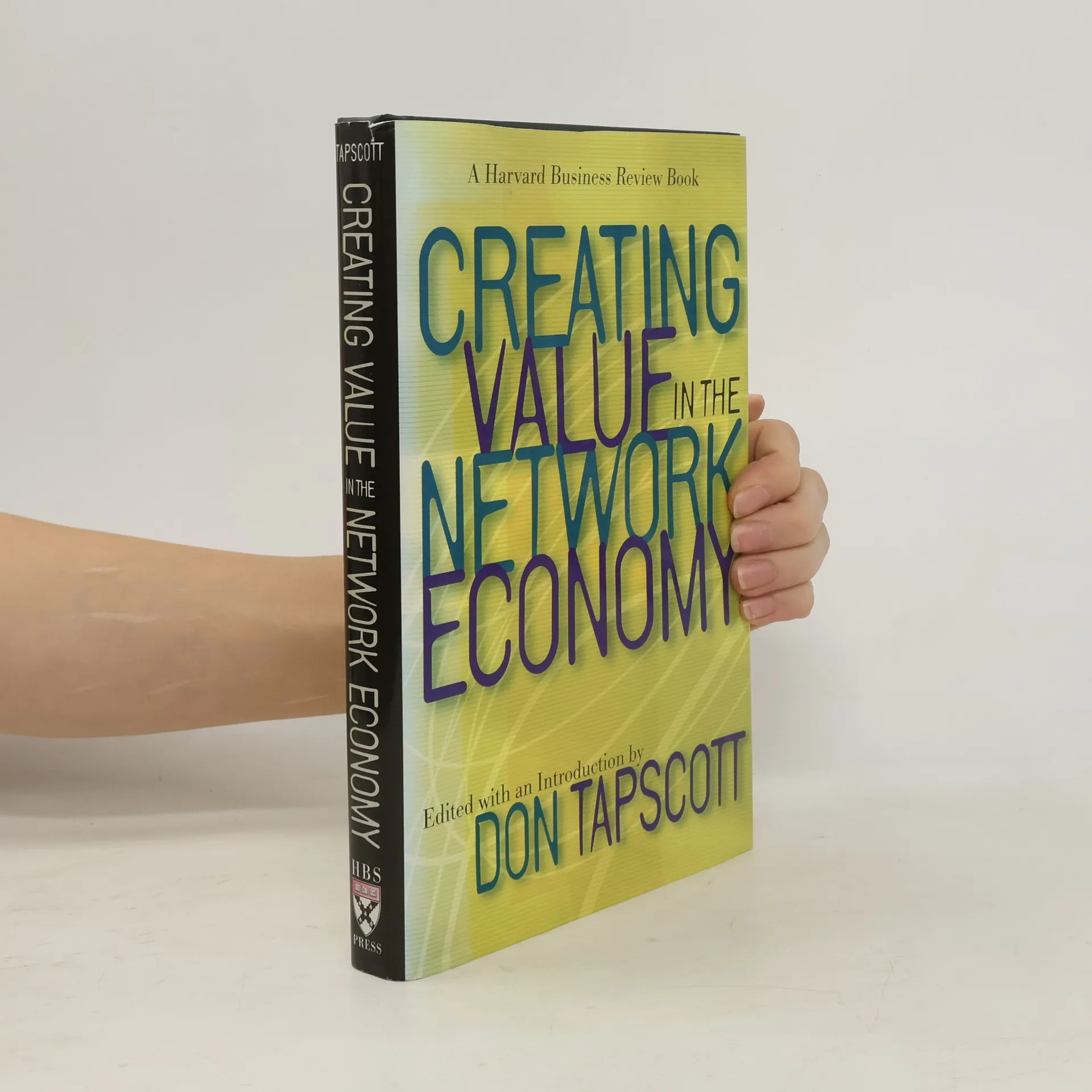
Creating Value in the Network Economy
- 229 Seiten
- 9 Lesestunden
Don Tapscott organizes some of the Harvard Business Review's most insightful articles into a framework for understanding the new dynamics of value and wealth in the networked world.A rich mix of ideas and insights, Creating Value in the Network Economy explores all aspects of the interconnected business environment, from the importance of trust in the virtual organization and the changing nature of customer relationships to new ways that companies can generate returns from their intellectual assets. The real-world examples from companies such as Amazon.com, eBay, The Wall Street Journal, and Auto-by-Tel help managers to see more clearly the opportunities for transfiguring their business around the Internet.
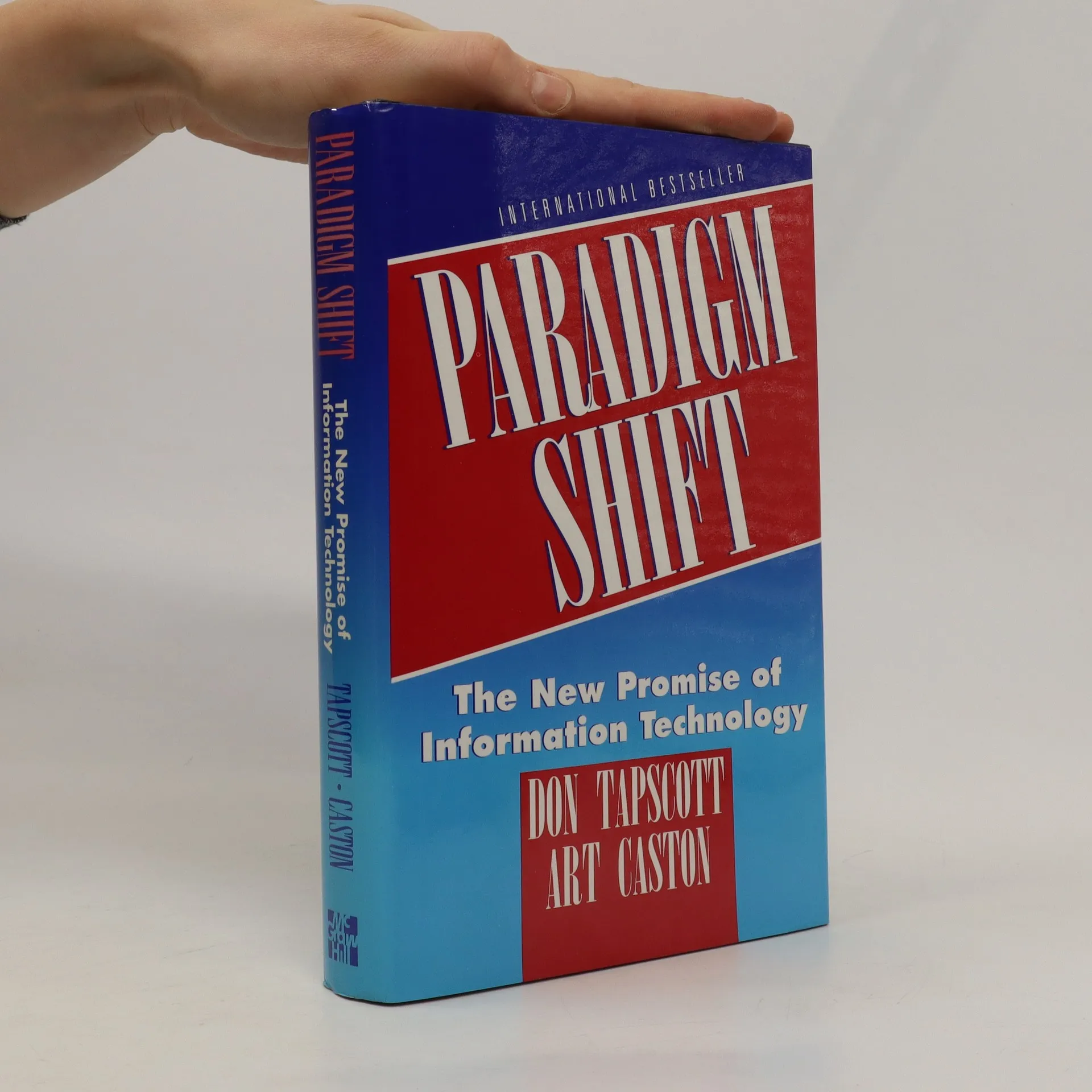
Paradigm Shift
- 288 Seiten
- 11 Lesestunden
Organizations are striving to reinvent themselves in response to today's volatile global business environment, but existing computing systems often hinder this transformation. These systems are limited, costly, and slow to adapt. This book outlines how a new era of technology can facilitate the transition to a more effective enterprise. It offers guidance for managers and professionals, regardless of technical expertise, on how to leverage technology for immediate benefits while positioning their organizations for long-term success. Based on extensive investigations of over 4,500 businesses and government entities, the text synthesizes the experiences of leading companies navigating this transition. It highlights the potential of new technology to create open, networked "client/server" enterprises, impacting various aspects of business operations. Key topics include work-group computing, business process reengineering, and enterprise computing, all aimed at fostering high-performance teams and enhancing integration with customers and partners. The book discusses significant shifts in information technology, such as the movement from proprietary to open systems, host-based to network-based systems, and software craft to manufacturing. Most importantly, it provides critical insights on successfully transitioning to a second-era enterprise, drawing on real-world examples from notable companies like Toys 'R' Us and Federal Expr
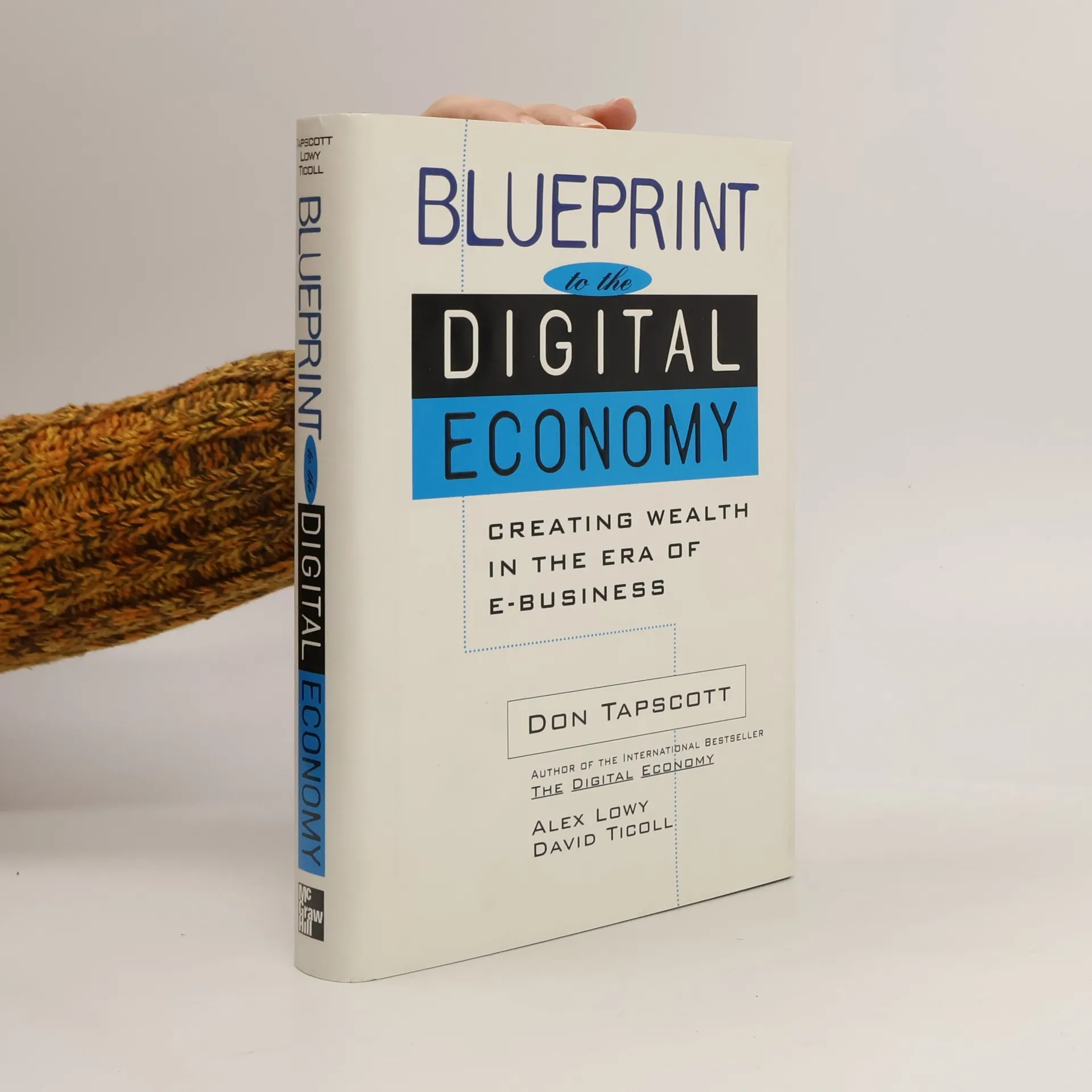
Blueprint to the Digital Economy
- 410 Seiten
- 15 Lesestunden
Shows examples of how network and multimedia technology is affecting business