
Gratis Versand ab € 9,99
Bookbot

Don Tapscott

    1. Juni 1947

    Don ist eine weltweit führende Autorität für Innovation, Medien und die wirtschaftlichen und sozialen Auswirkungen von Technologie. Seine Arbeit untersucht tiefgreifend die transformative Kraft des Internets und führt Schlüsselkonzepte wie die „digitale Kluft“ und die „Net Generation“ ein. Seine Analysen von Massenkollaboration und einer vernetzten Welt bieten tiefe Einblicke in die Herausforderungen und Chancen unserer Zeit.

    Don Tapscott
    MacroWikinomics
    Digital capital
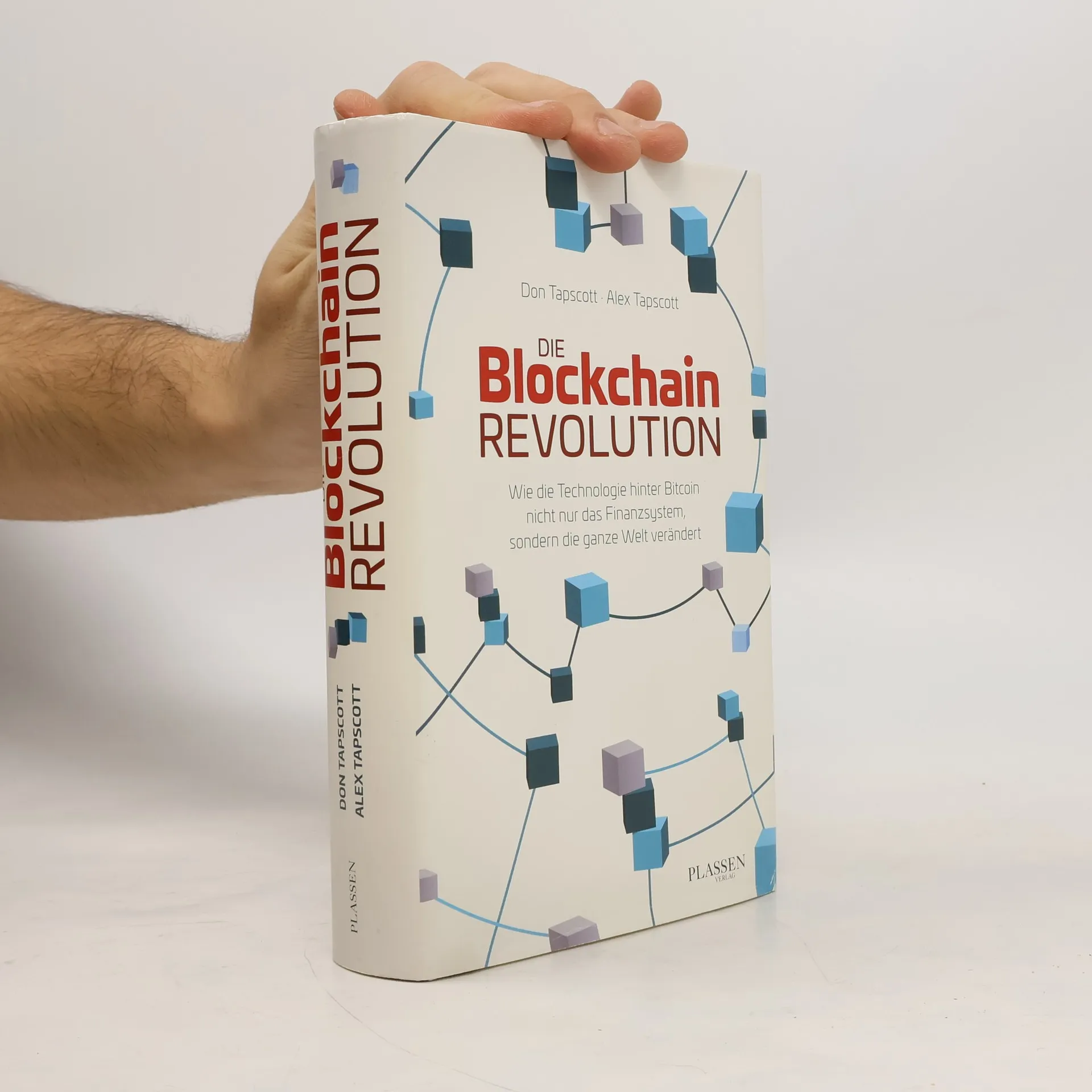
    Die Blockchain-Revolution
    Die digitale Revolution
    Wikinomics
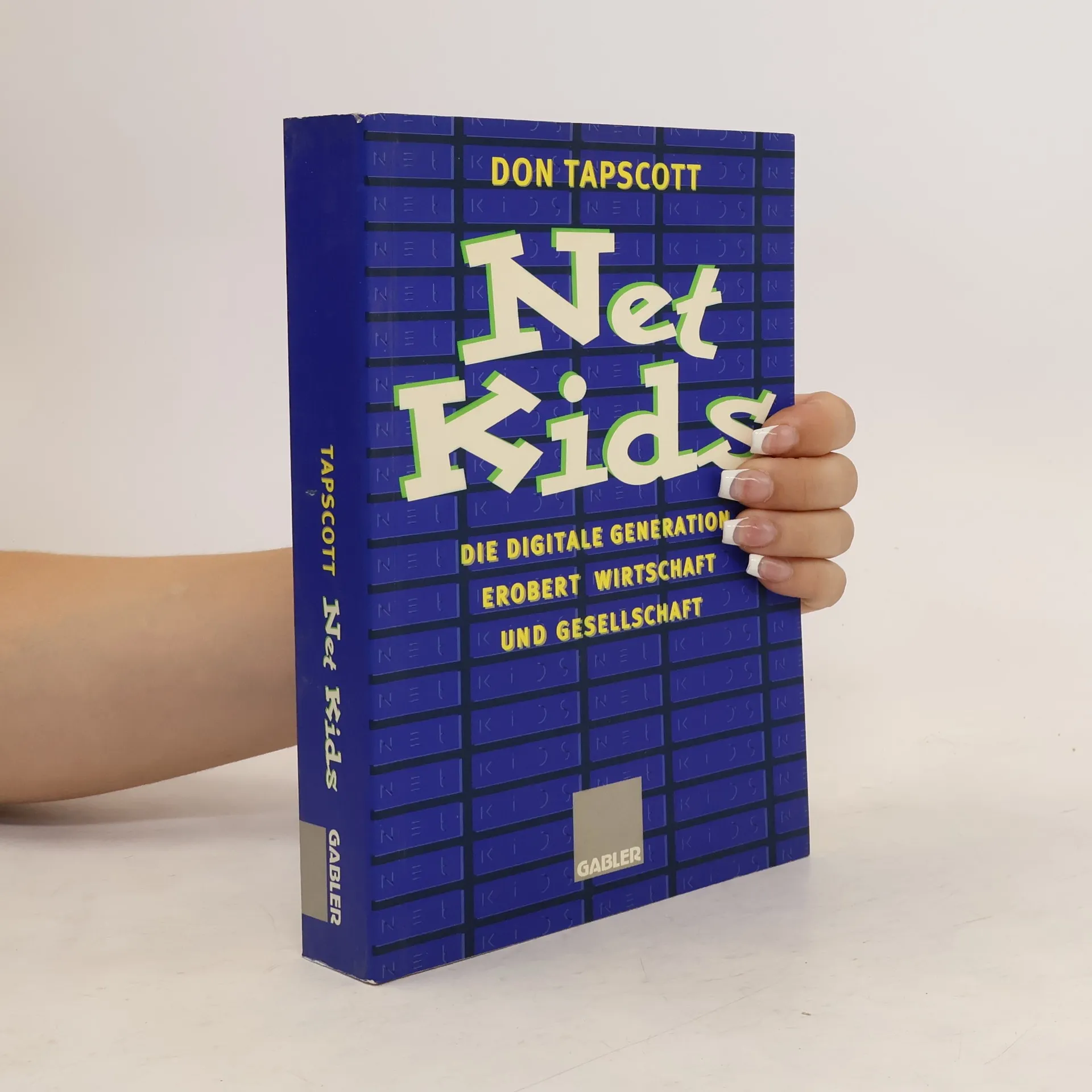
    Net Kids
    • 2023

      An essential introduction and guide to navigating the next Internet revolution-everything from the metaverse and NFTs to DAOs, decentralized finance, and self-sovereign identity-from the co-author of the international bestseller Blockchain Revolution. The Web, and with it the Internet, are entering a new age.

      Web3
    • 2021

      Don Tapscott, one of the world’s great thinkers on the Internet, became Chancellor of his alma mater, Trent University, in 2013. Over the next 6 years, he spoke to students about all kinds of things—designing their lives, the value of a Liberal arts education, how to thrive in the digital age, how to be resilient. Those delightful speeches have been compiled in this book. It also includes articles in Harvard Business Review, the Globe and Mail , and other journals about his ground-breaking ideas on the impact of the blockchain on higher education, the dark side of the digital economy, and the challenge that awaits young people graduating from university.

      Big Ideas: Chancellor Don Tapscott Speaks to a New Generation
    • 2020

      The COVID-19 pandemic has exposed vulnerabilities in global supply chains, leading to significant loss of life and economic disruption. Manufacturers struggled to find new suppliers when Asian sources shut down, resulting in widespread shortages of essential goods. Blockchain technology offers a solution to mitigate such disruptions. This book features insights from leading experts on how blockchain, alongside innovations like additive manufacturing, artificial intelligence, and the Internet of Things, can tackle persistent issues that slow down and complicate the delivery of goods, particularly during crises. Current supply chains rely on a complex web of documents and intermediaries, obscuring the status and custody of goods. This lack of clarity can lead to consumer panic, as seen with toilet paper shortages during the pandemic. Blockchain, known as the Internet of Value, allows for digital peer-to-peer management and trading of assets, promising to revolutionize global commerce. It will enhance operations, logistics, procurement, transportation, customs, trade finance, manufacturing, and inventory management. The book outlines what leaders must do now to prepare for a decentralized future, offering valuable ideas for executives and entrepreneurs to engage with stakeholders and embrace the blockchain revolution.

      Supply Chain Revolution: How Blockchain Technology Is Transforming the Global Flow of Assets
    • 2016

      Die Blockchain-Revolution

      Wie die Technologie hinter Bitcoin nicht nur das Finanzsystem, sondern die ganze Welt verändert

      3,4(102)Abgeben

      Blockchain ermöglicht Peer-to-Peer-Transaktionen ohne jede Zwischenstelle wie eine Bank. Die Teilnehmer bleiben anonym und dennoch sind alle Transaktionen transparent und nachvollziehbar. Somit ist jeder Vorgang fälschungssicher. Dank Blockchain muss man sein Gegenüber nicht mehr kennen und ihm vertrauen – das Vertrauen wird durch das System als Ganzes hergestellt. Und digitale Währungen wie Bitcoins sind nur ein Anwendungsgebiet der Blockchain-Revolution. In der Blockchain kann jedes wichtige Dokument gespeichert werden: Urkunden von Universitäten, Geburts- und Heiratsurkunden und vieles mehr. Die Blockchain ist ein weltweites Register für alles. In diesem Buch zeigen die Autoren, wie sie eine fantastische neue Ära in den Bereichen Finanzen, Business, Gesundheitswesen, Erziehung und darüber hinaus möglich machen wird.

      Die Blockchain-Revolution
    • 2016

      Blockchain Revolution

      • 348 Seiten
      • 13 Lesestunden
      3,4(3527)Abgeben

      The technology likely to have the greatest impact on the future of the world economy has arrived, and it's not self-driving cars, solar energy, or artificial intelligence. It's called the blockchain. The first generation of the digital revolution brought us the Internet of information. The second generaƯtion-powered by blockchain technology-is bringing us the Internet of value: a new, distributed platform that can help us reshape the world of business and transform the old order of human affairs for the better. Blockchain is the ingeniously simple, revolutionƯary protocol that allows transa.

      Blockchain Revolution
    • 2010

      MacroWikinomics

      Rebooting Business and the World - International Edition

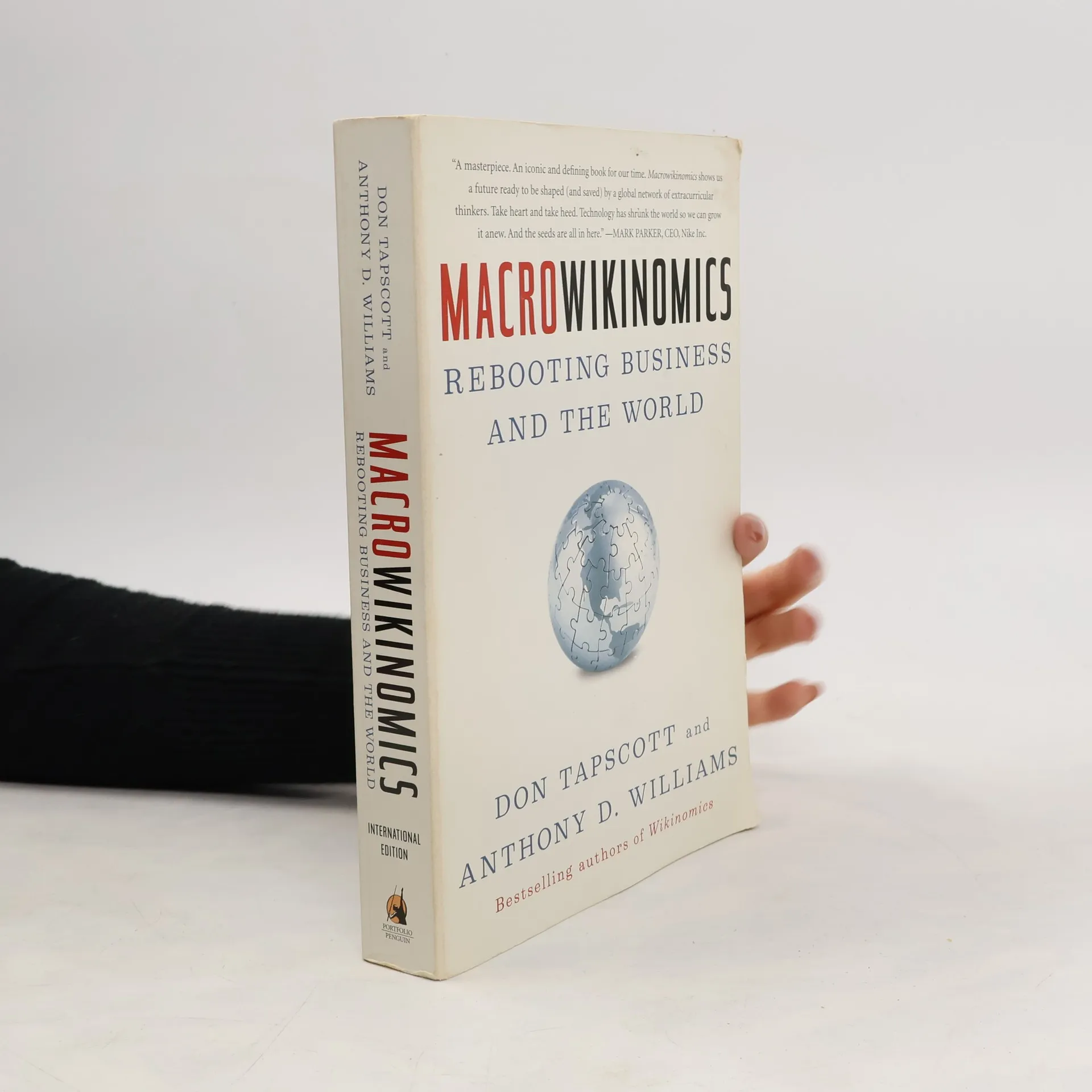
      The global financial crisis of 2008 highlighted the need for a new approach to governing the economy, emphasizing transparency, integrity, and collaboration in financial services. As the crisis spread to other sectors, including environmental and sovereign debt issues, it became evident that traditional institutions were struggling to adapt. However, amidst the turmoil, there is optimism as a new model of economic and social innovation emerges worldwide. This model empowers individuals with passion and expertise to leverage Web-based tools for creating a more prosperous, just, and sustainable world. Drawing parallels to collaborative projects like Wikipedia and Linux, there is a historic opportunity to harness collective human ingenuity to reshape institutions for future generations. This follow-up to a best-selling management book presents a game plan for addressing global challenges through collaborative innovation across various fields such as healthcare, education, and energy. It showcases dynamic innovators and movements that are transforming industries and argues that the potential for collaboration extends beyond software and media to include government, education, and healthcare. These opportunities are not mere fantasies but tangible possibilities enabled by the principles of wikinomics.

      MacroWikinomics
    • 2010

      Evaluates the ways in which the global marketplace has significantly changed in recent years, revealing how wikinomics philosophies can be applied to everything from government and finance to education and health care.

      MacroWikinomics. Rebooting Business and the World
    • 2010

      In 'Wikinomics' the authors showed how the Internet changed the way the very smartest business managers think about structures and strategies. Now, in 'MacroWikinomics', they demonstrate how this revolution in thinking can fix a broken world.

      MacroWikinomics
    • 2007

      Immer mehr Menschen nutzen Online-Foren, sind begeisterte Blogger, arbeiten aktiv mit bei Projekten wie Open Source oder Wikipedia - beruflich und privat. Ausgeschlafene Unternehmen erkennen die Zeichen der Zeit und nutzen die neue Macht der mündigen Kunden, die sich nicht länger alles vorsetzen lassen: Sie öffnen mutig die Unternehmensgrenzen und laden buchstäblich Zigtausende von Kunden und Nutzern zum Dialog ein. So erfahren sie früher als andere, welche Produkte die Menschen wirklich begeistern, von welchen Dienstleistungen sie träumen - und wofür sie bereit sind zu bezahlen. Doch die besten Unternehmen bleiben dabei nicht stehen: Sie binden einen riesigen Talent-Pool von Forschern, Produktentwicklern, Trendscouts aus aller Welt ein. Entscheidend ist nicht, ob sie zum Unternehmen gehören oder ob sie in Amerika, Europa oder Asien leben - entscheidend ist allein, dass sie eine gute Idee mitbringen. Wie wird dieser mächtige Trend unser Leben und unsere Wirtschaft verändern? Wie können wir diese Entwicklung für uns nutzen? Dieses Buch gibt die Antwort.

      Wikinomics
    • 2000

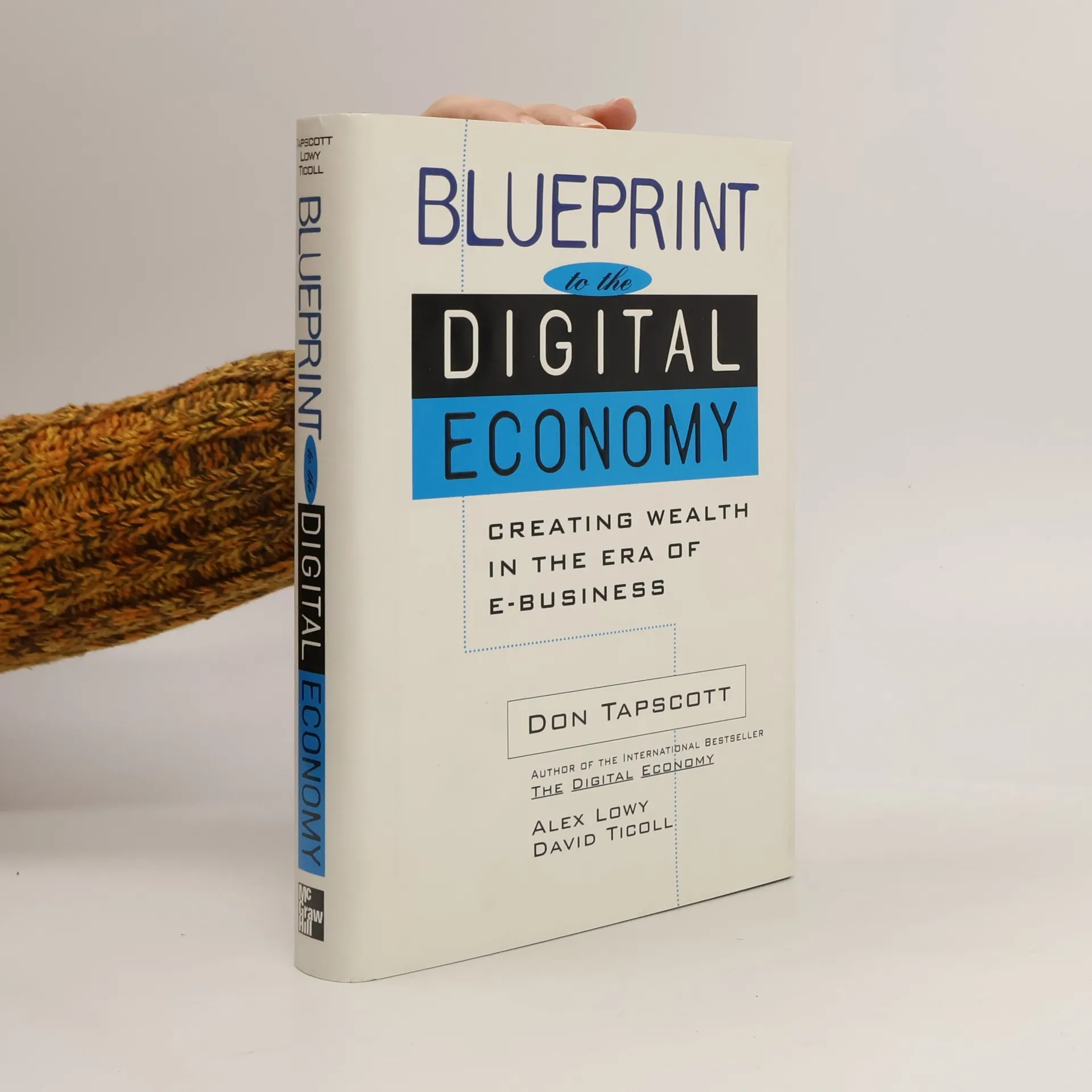
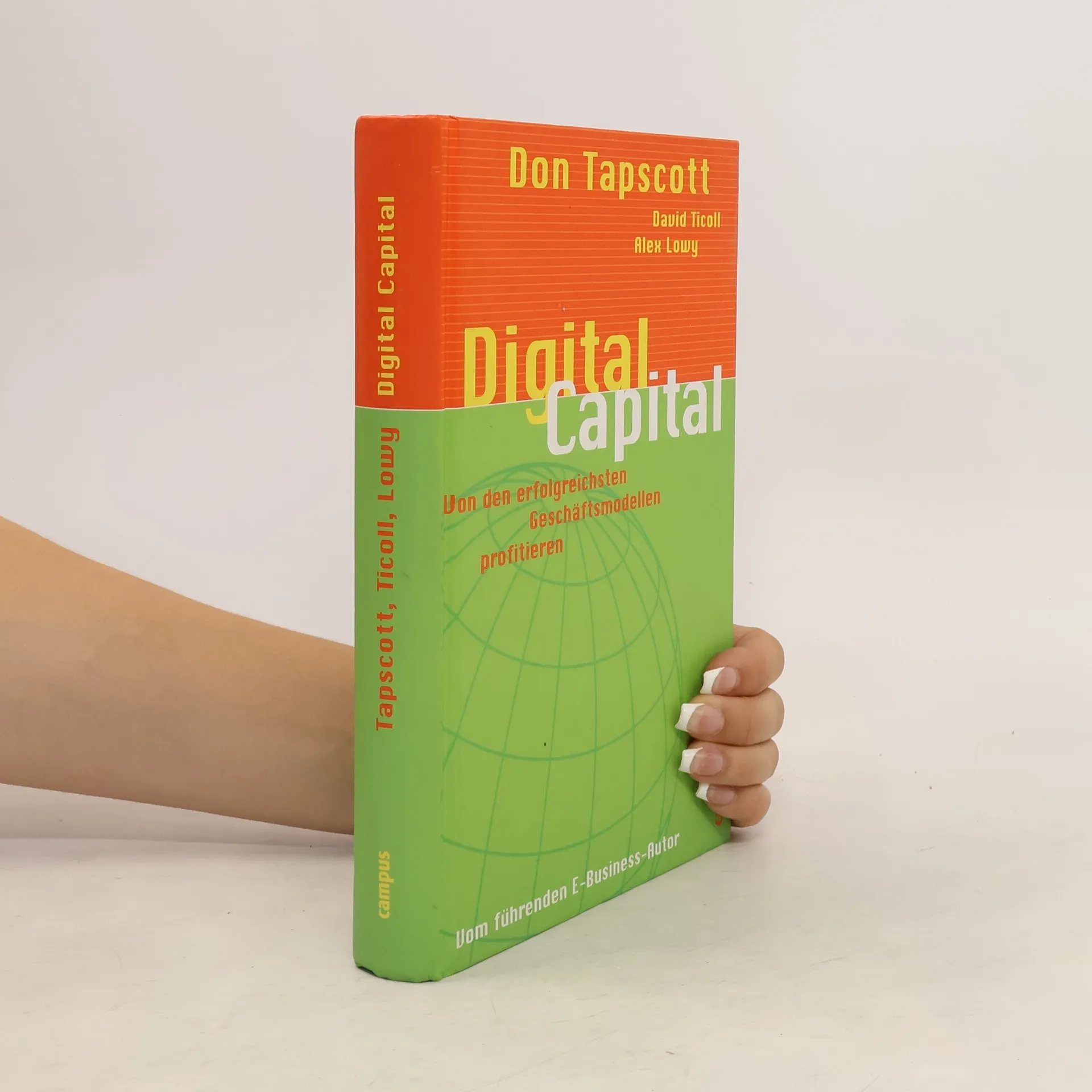
      Digital capital

      • 315 Seiten
      • 12 Lesestunden
      3,2(54)Abgeben

      Erstmalig stellen die Autoren systematisch die erfolgreichsten Geschäftsmodelle vor, die die Wirtschaft langfristig revolutionieren werden. Um konkurrenzfähig zu bleiben, dürfen Unternehmen jetzt nicht zögern, den größten Teil ihrer Geschäftskommunikation und ihrer Transaktionen auf das Internet zu verlegen. Noch sind die Unternehmen der westlichen Welt in vertikalen Sparten strukturiert. Daran änderten auch die großen Trends der letzten Jahrzehnte (Lean Management, Business Reengineering oder TQM) nichts. Unternehmen der Zukunft werden durch die neuen Geschäftsmodelle der digitalen Wirtschaft geprägt. Es gelten neue Spielregeln im Wettbewerb. Gewinnen werden die, die die Chancen für sich nutzen können. Verlieren werden alle, die an ihren bisherigen Verfahrensweisen festhalten. Die Autoren berichten von zahlreichen Fallbeispielen, u. a. von Ford, Walmart, Cisco, PalmPilot, Linux, mp3. com, Monster. com, Enron, General Motors und FedEx.

      Digital capital