Carl Maria von Weber Bücher
18. November 1786 – 5. Juni 1826

Attila Csampai, geboren 1949 in Budapest, Studium der Musikwissenschaft, Theatergeschichte, Philosophie, Soziologie und Mathematik in München. Seit 1983 Musikredakteur und Moderator beim Bayerischen Rundfunk; umfangreiche Rezensionstätigkeit in Musikzeitschriften und Schallplattenmagazinen, Juror bei Schallplattenpreisen und Musikwettbewerben, wissenschaftliche Leitung der Toblacher Mahler-Wochen, zahlreiche Zeitschriften- und Buchveröffentlichungen. Dietmar Holland, geboren 1949, Studium der Musikwissenschaften, Philosophie und Theatergeschichte in München. Freier Mitarbeiter beim Bayerischen Rundfunk sowie bei der «Neuen Musikzeitung». Zahlreiche Veröffentlichungen.
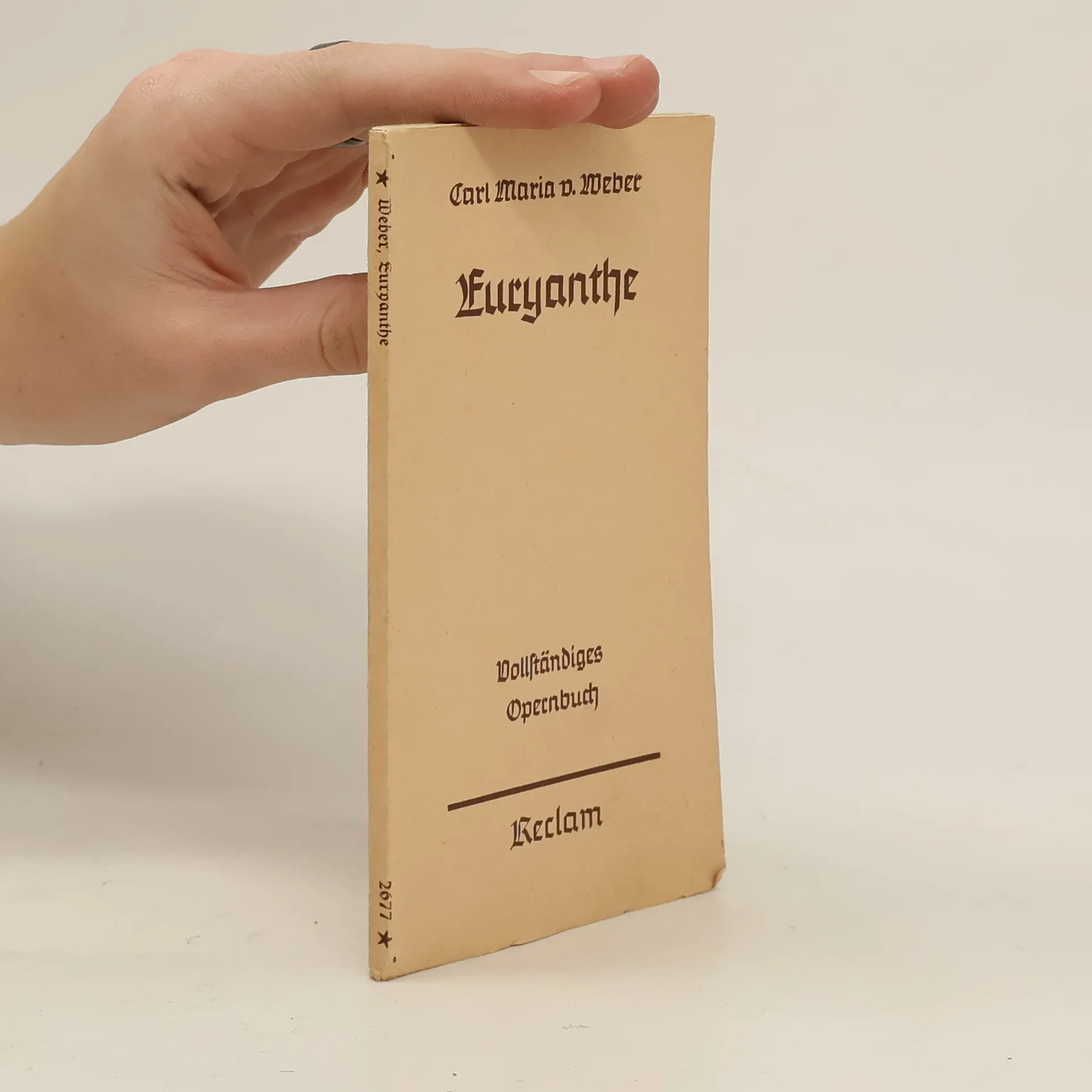
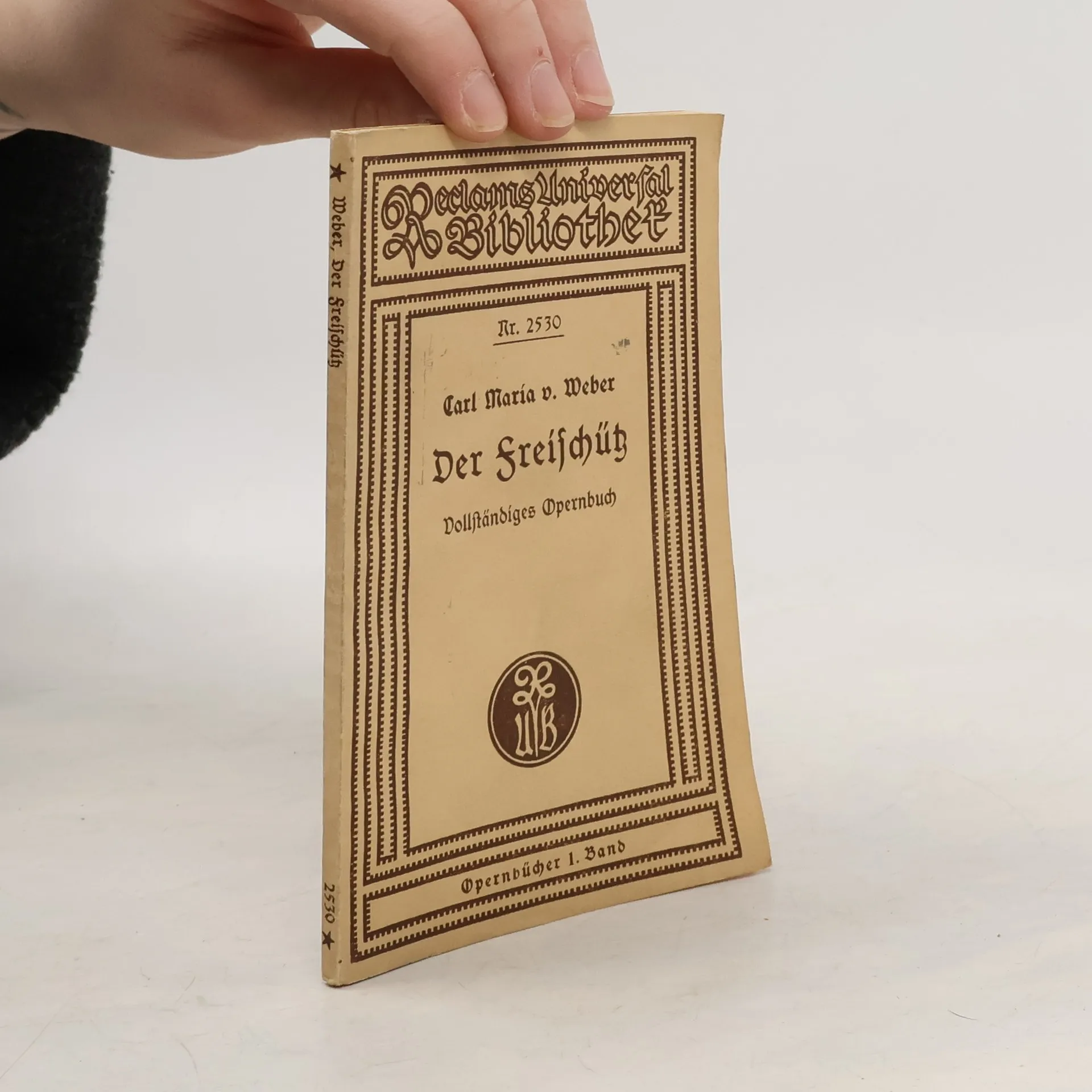
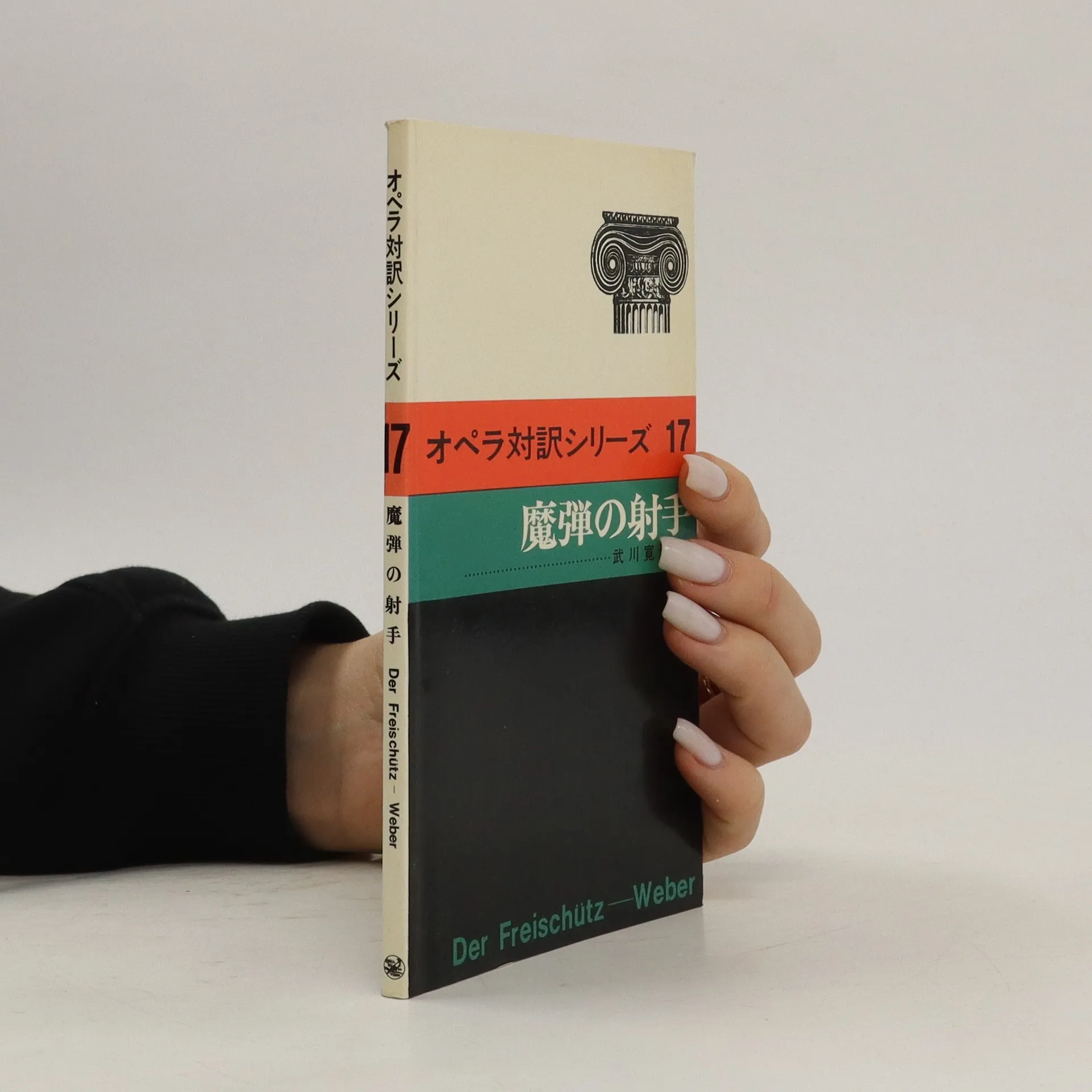
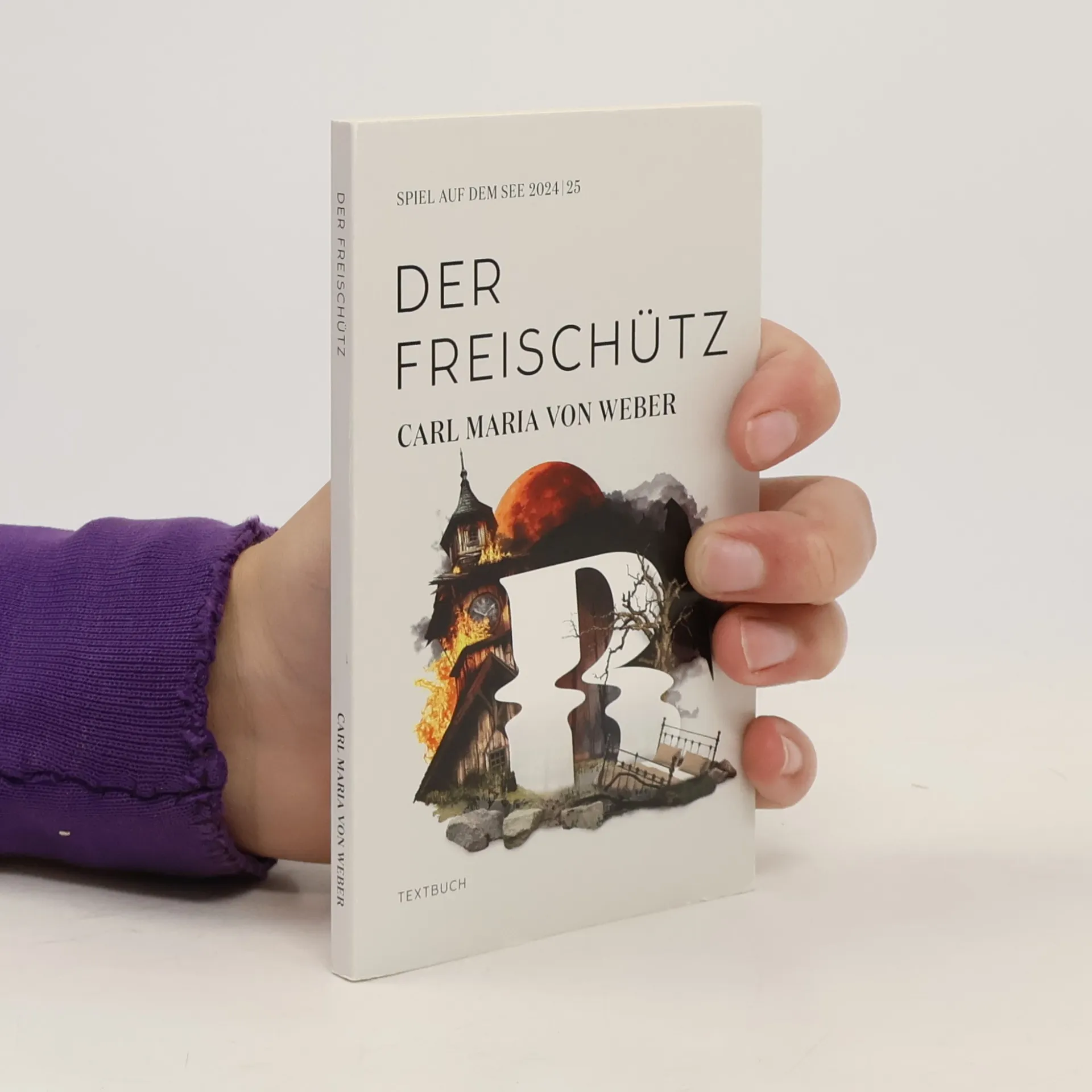
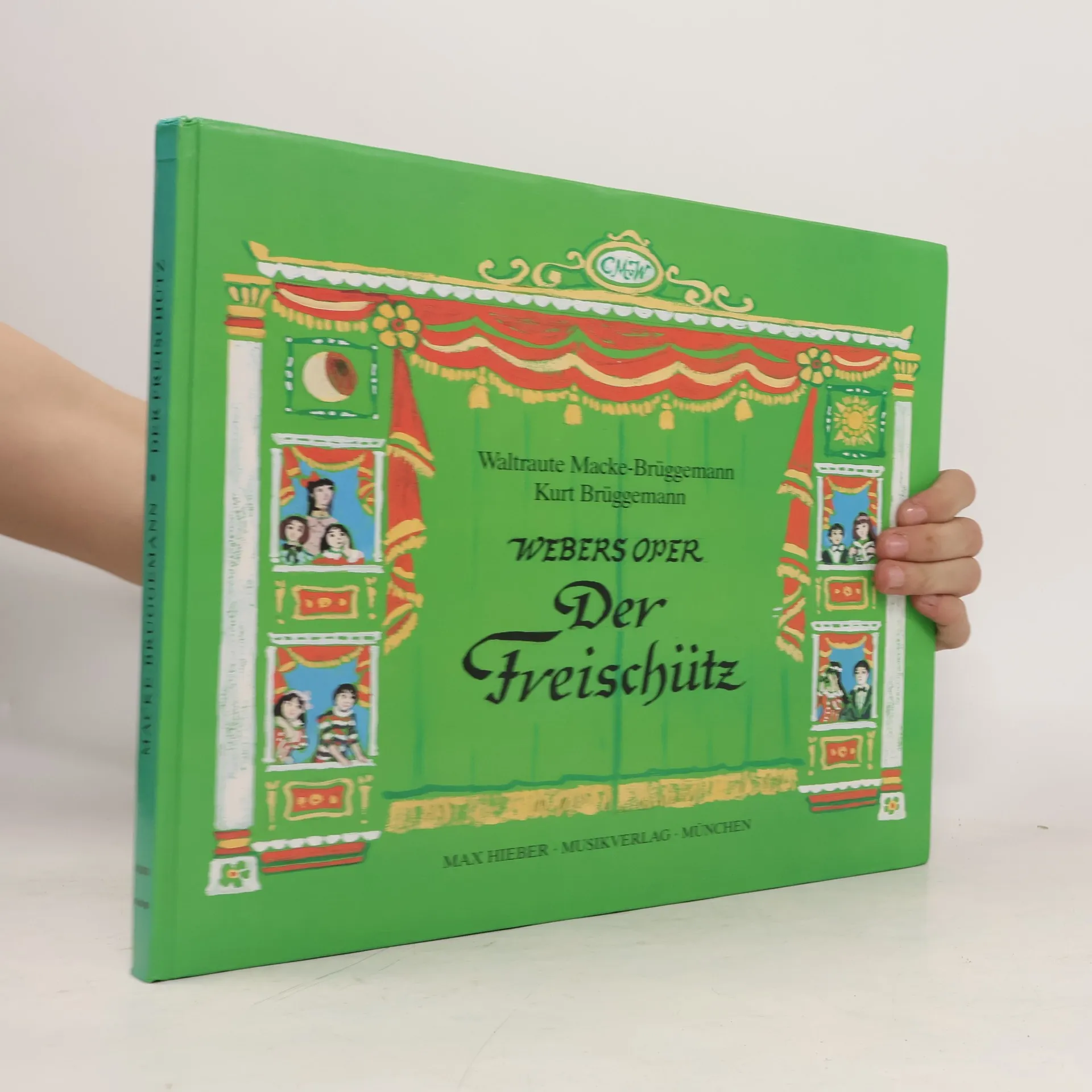
Der Freischütz
TEXTBUCH
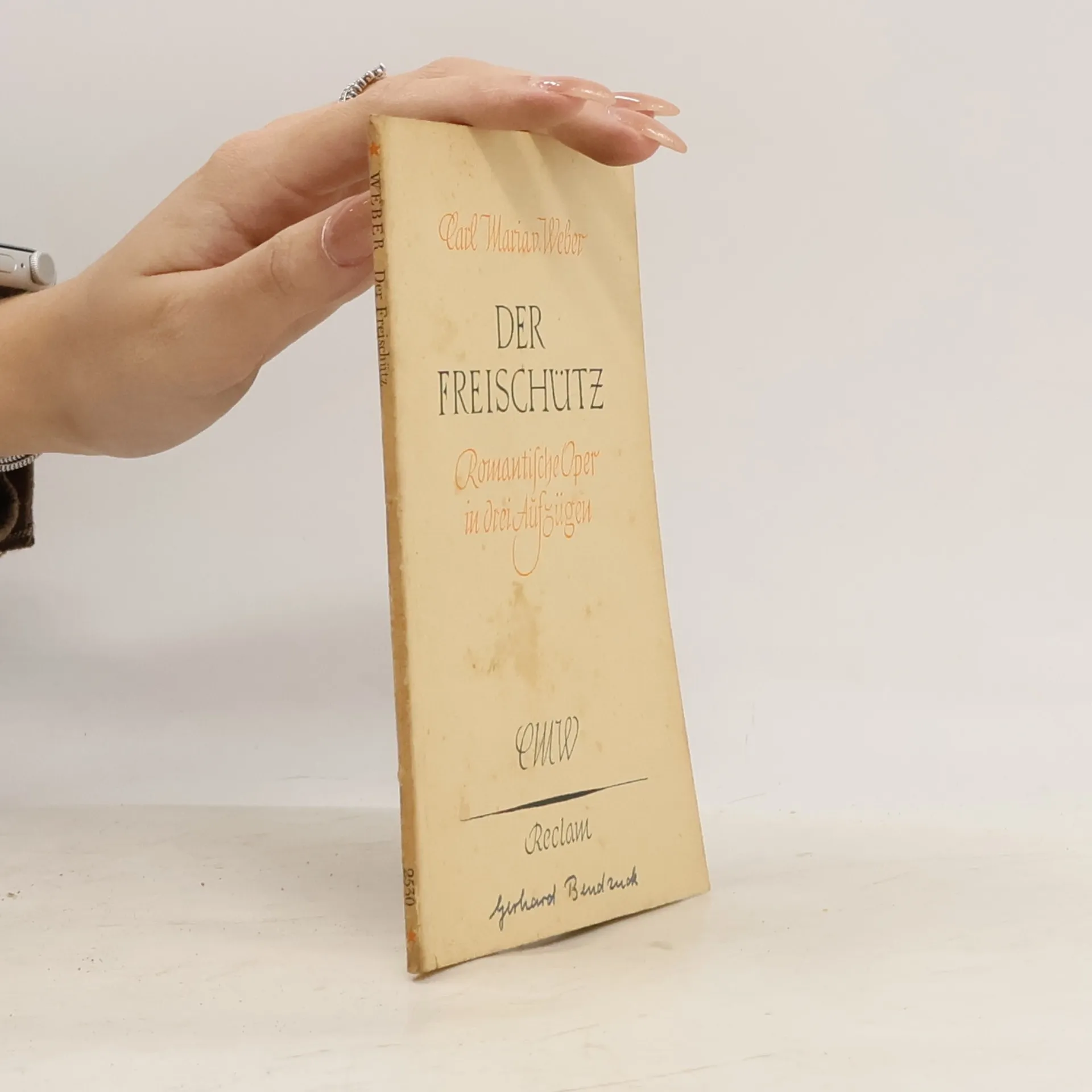
Der Freischütz
Romantische Oper in drei Aufzügen
Mein vielgeliebter Muks
- 653 Seiten
- 23 Lesestunden
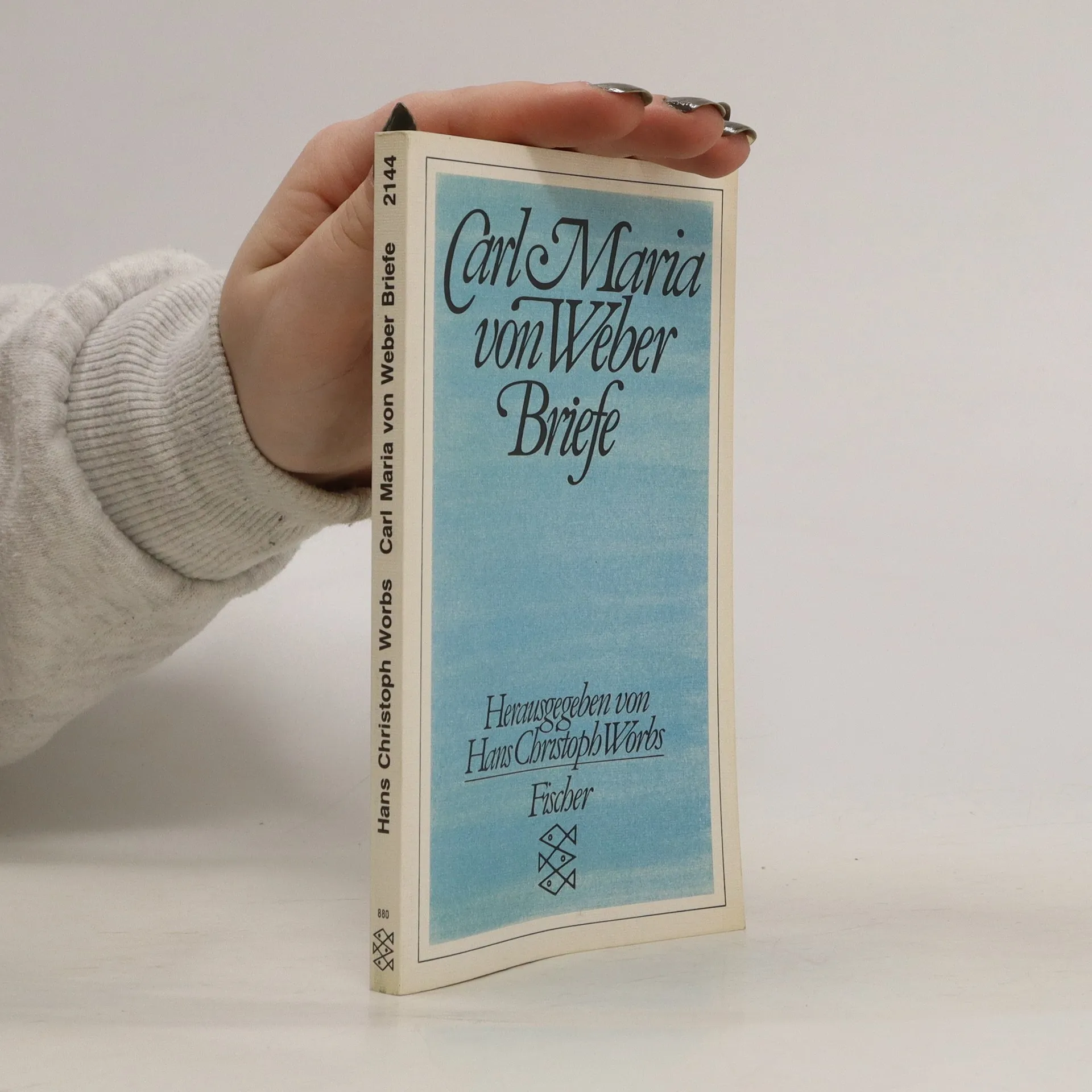
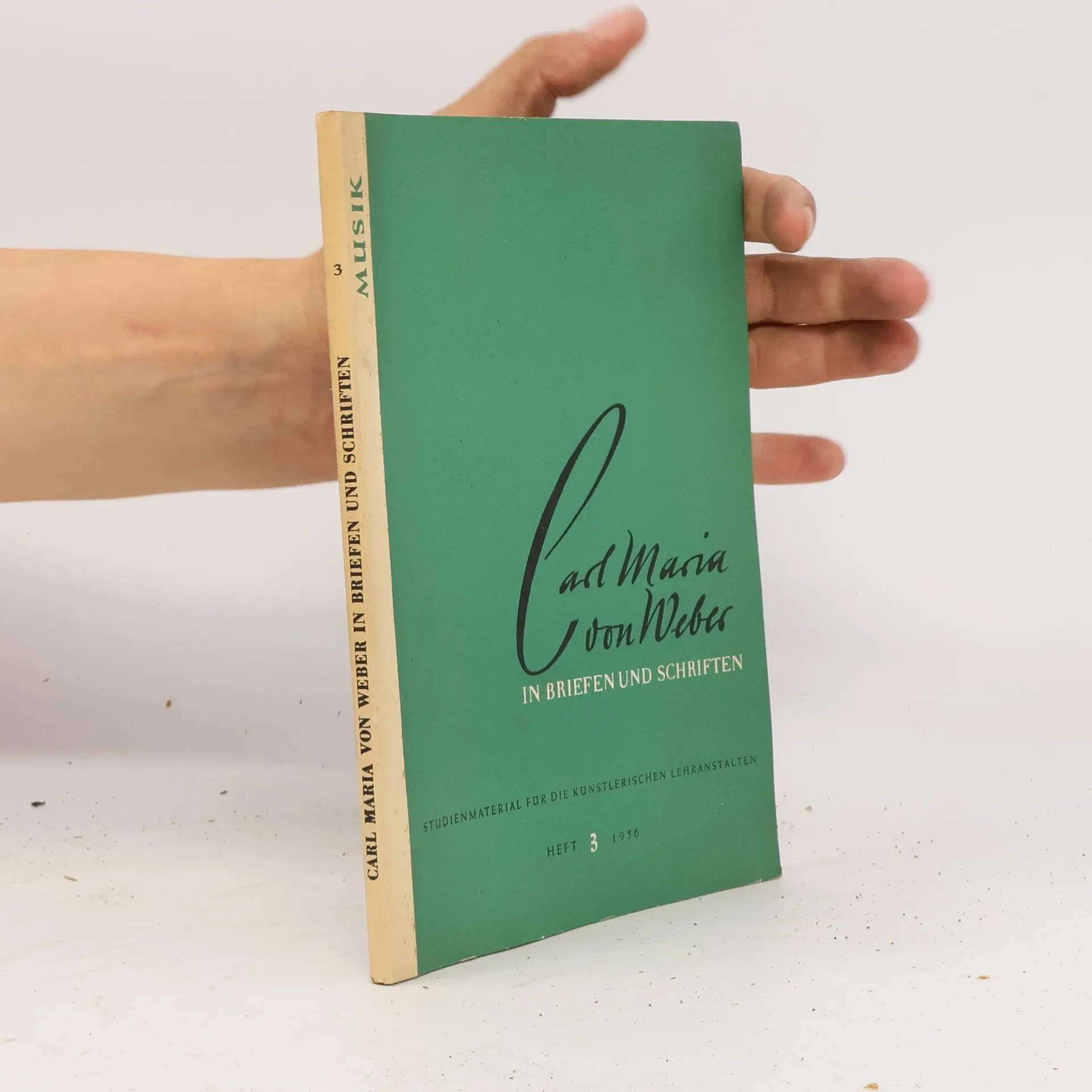
Briefe
- 174 Seiten
- 7 Lesestunden
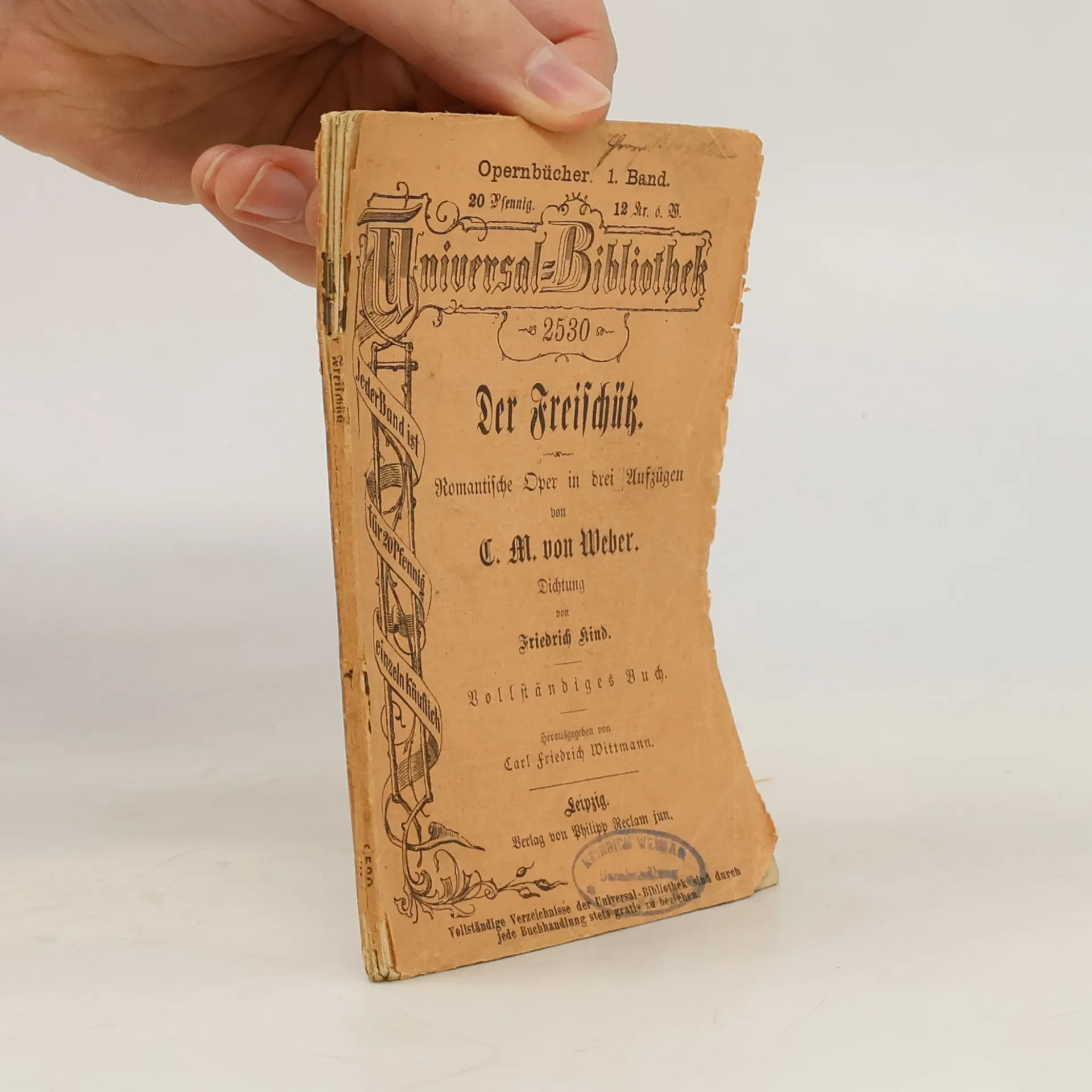
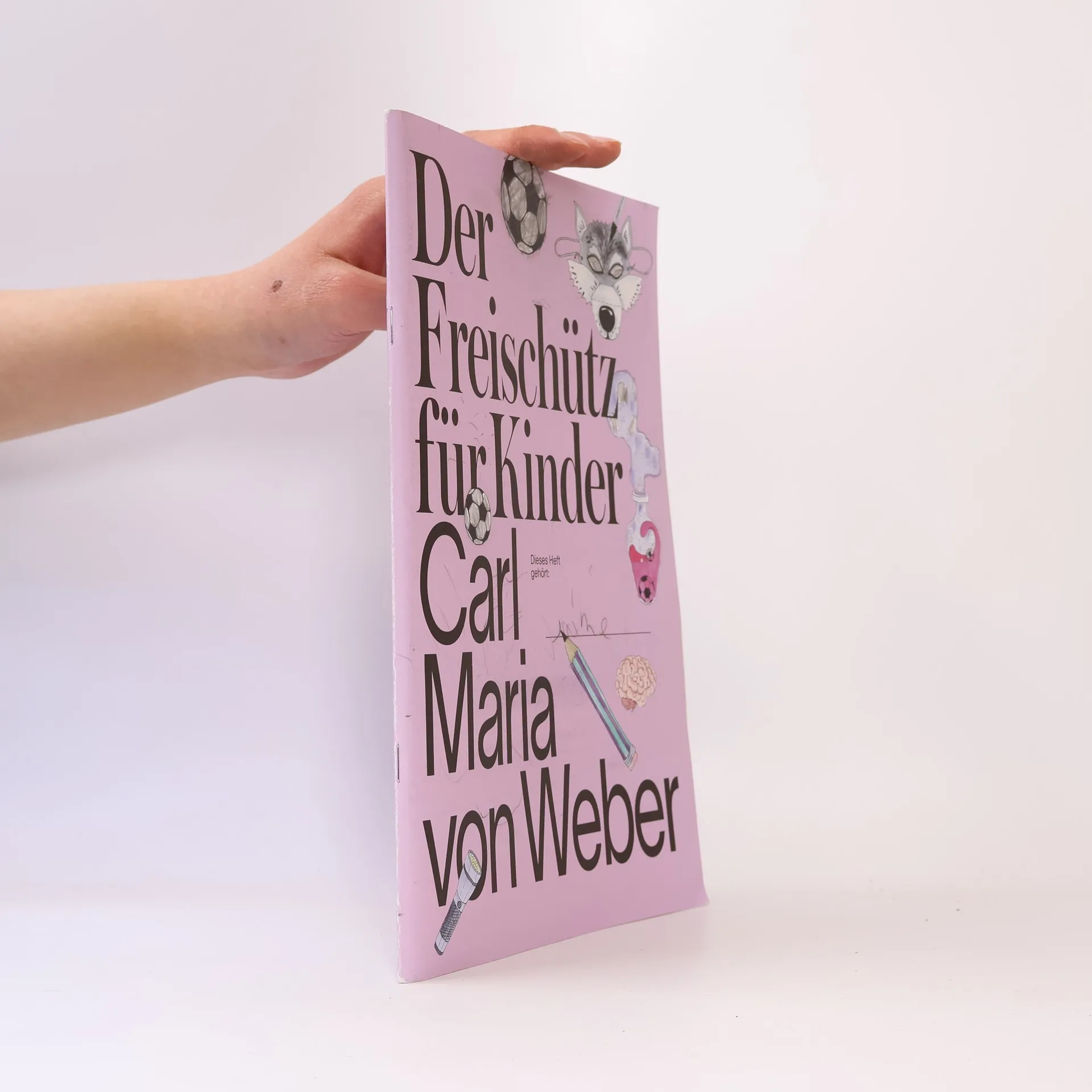
Der Freischütz
Romantische Oper in drei Aufzügen
Bruchstücke aus Tonkünstlers Leben
- 68 Seiten
- 3 Lesestunden
Carl Maria von Weber (1786–1826) ist heute vor allem als Komponist der Oper Der Freischütz bekannt. Er hinterließ allerdings auch zahlreiche Schriften – Tagebucheinträge, Briefe und Rezensionen zeugen von einer regen Schreibtätigkeit. Sein Romanfrag ment Bruchstücke aus Tonkünstlers Leben, das ganz in der Tradition der frühromantischen Künstlerromane steht, ist nahezu unbekannt. Weber versuchte sich nach seinen Vorbildern Ludwig Tieck und E. T. A. Hoffmann an einem autobiografischen Künstlerroman, der sich den drängenden Fragen des Künstlerdaseins widmet. Das Projekt blieb unvollendet und scheiterte letztlich an einer fehlenden stringenten Handlung und einem dramaturgischen Faden – scheinbar lose reihen sich Briefe, Schilderungen und Dialoge aneinander. Die Fragmente wurden teilweise zu Webers Lebzeiten veröffentlicht; erst nach seinem Tod gab sein Freund Theodor Hell das Romanfragment als Ganzes heraus. Dies diente als Grundlage für diese Neuausgabe, die das Werk einer breiten Leserschaft zugänglich machen möchte. Gedanken über Kunst, Inspiration, das Leben und die Liebe bieten einen ungeahnten Einblick in das Denken und Fühlen Carl Maria von Webers und zeigen eine nahezu unbekannte Seite des feinfühligen Genies.
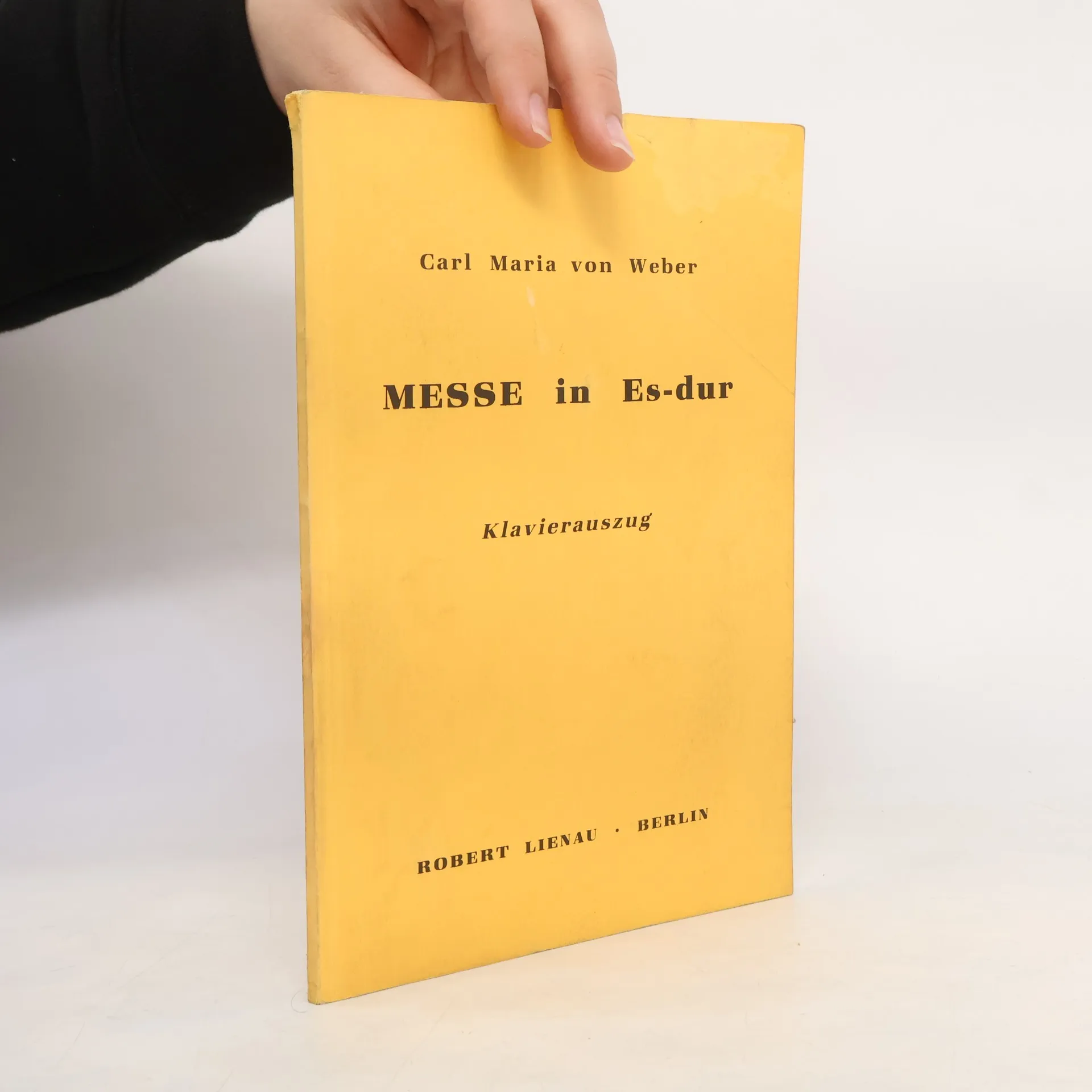
Messe in Es-dur
Klavierauszug
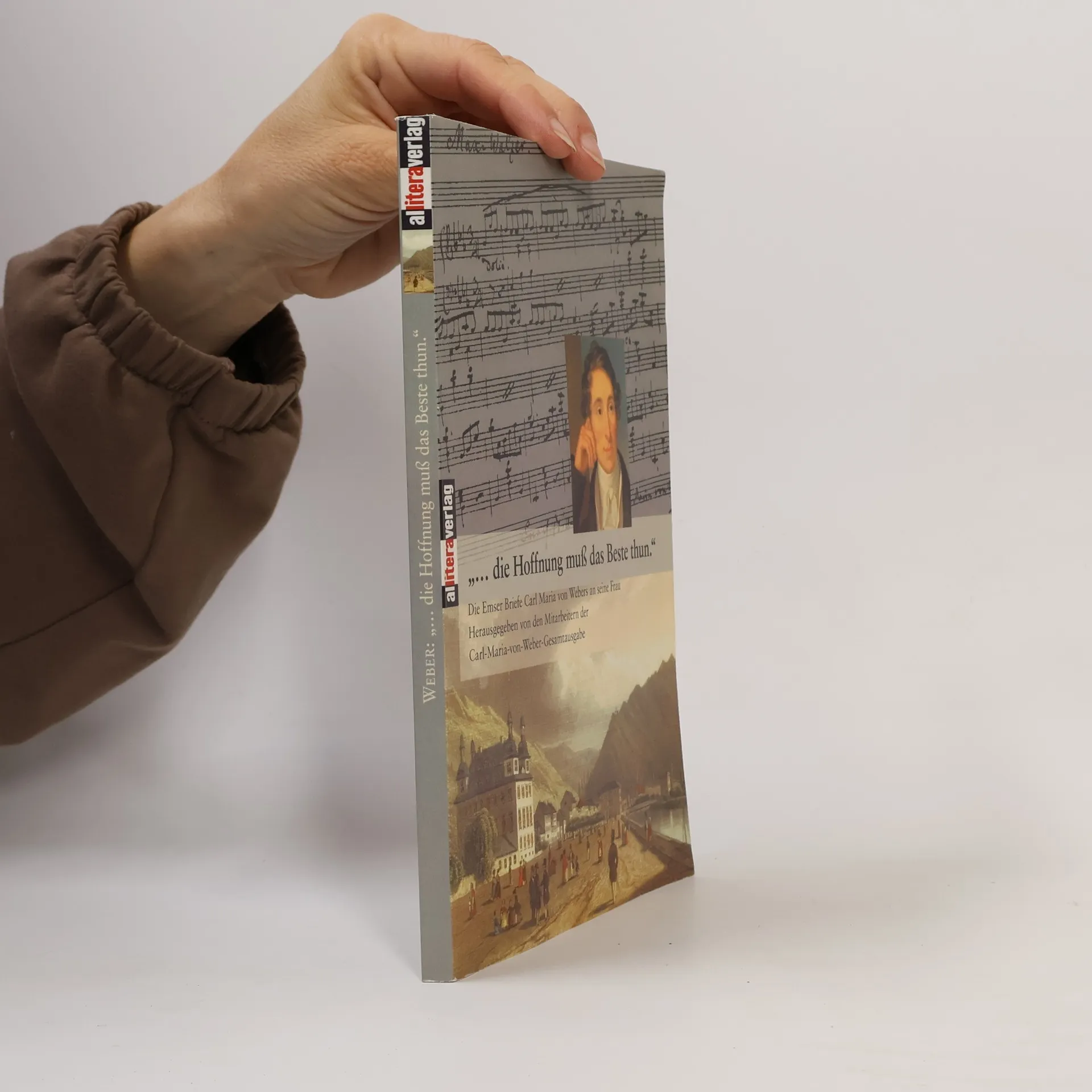
Carl-Maria-von-Weber-Gesamtausgabe: Die Hoffnung muß das Beste thun
Die Emser Briefe Carl Maria von Webers an seine Frau
- 122 Seiten
- 5 Lesestunden
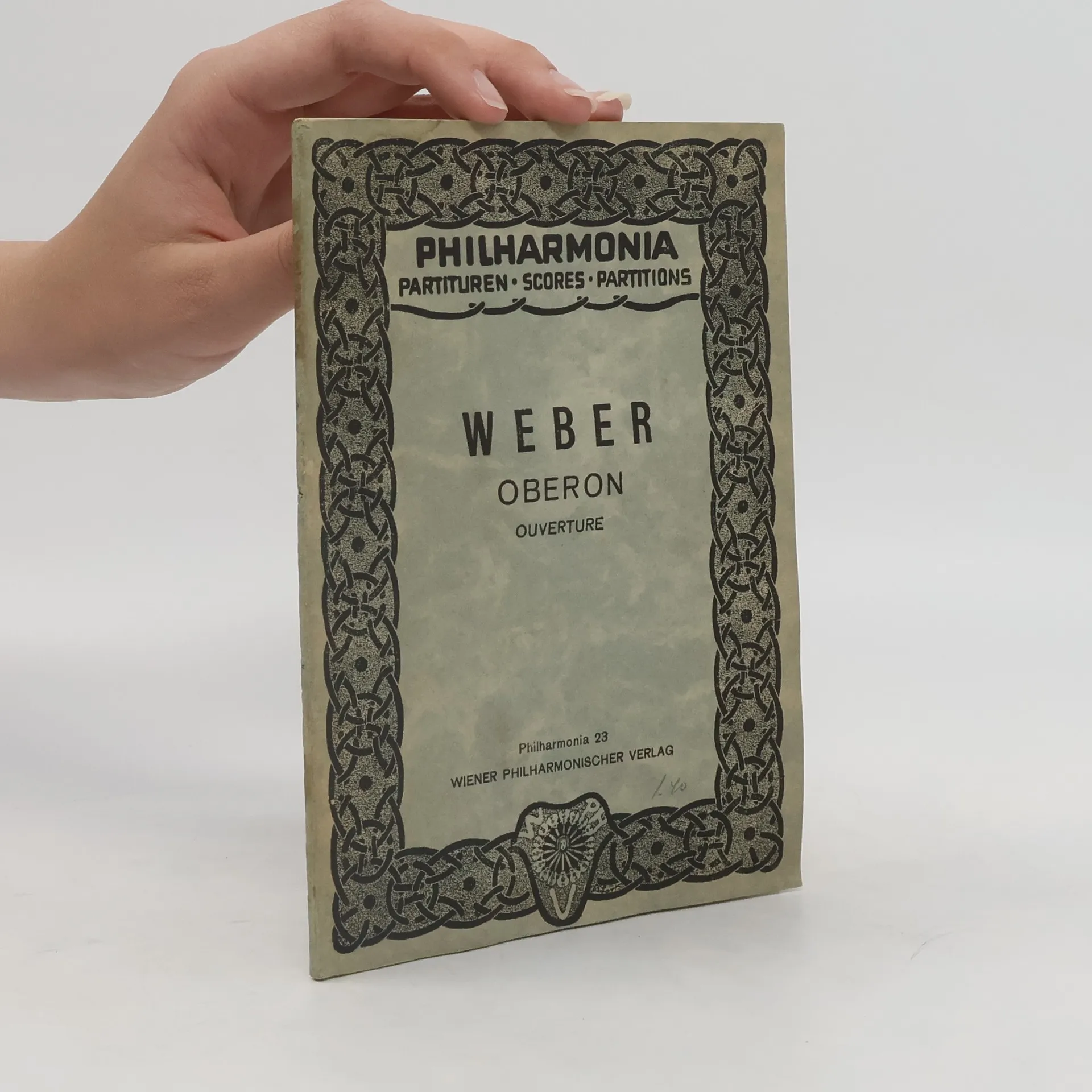
Oberon
Romantische Oper in 3 Akten
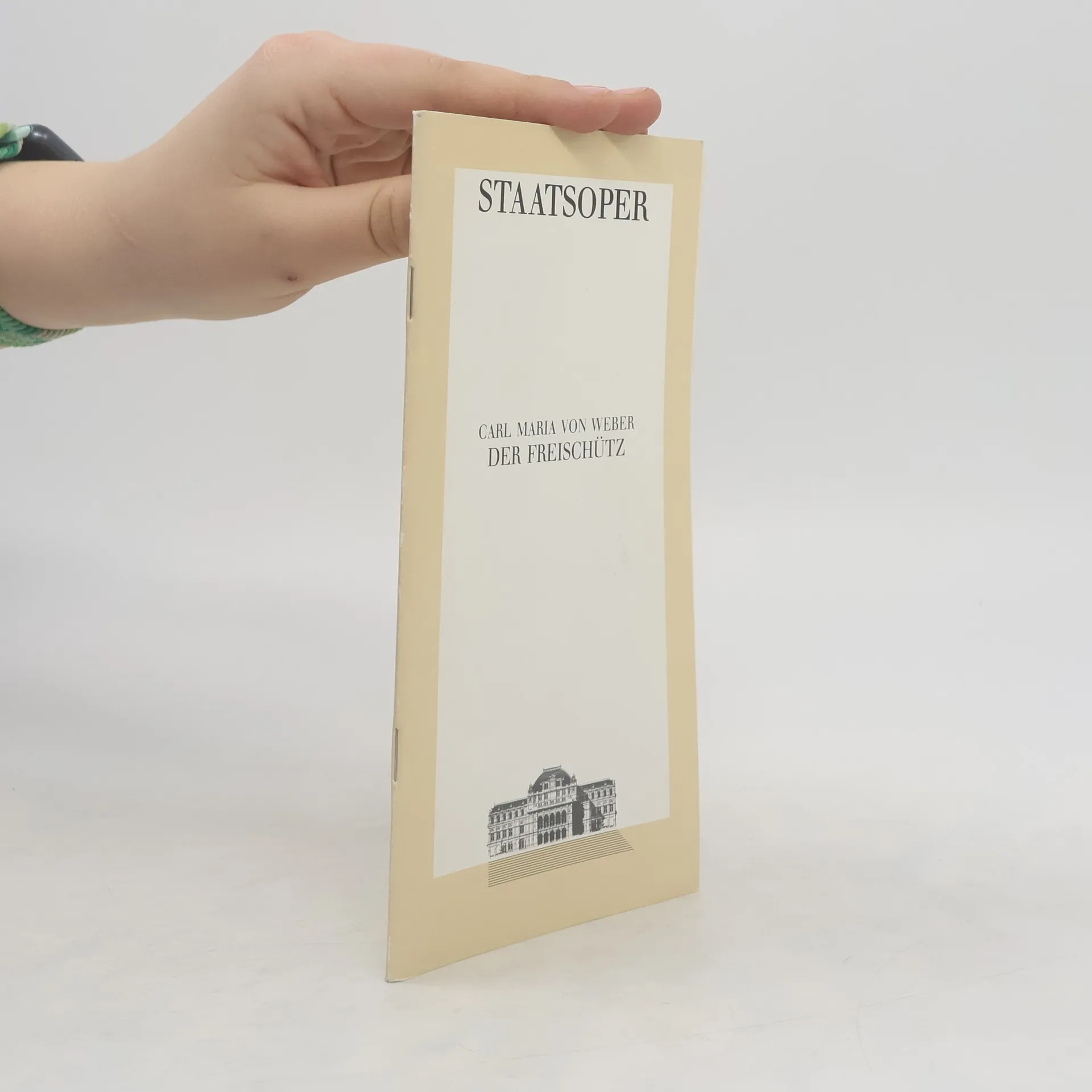
Der Freischütz
Volks-Oper in drei Aufzügen
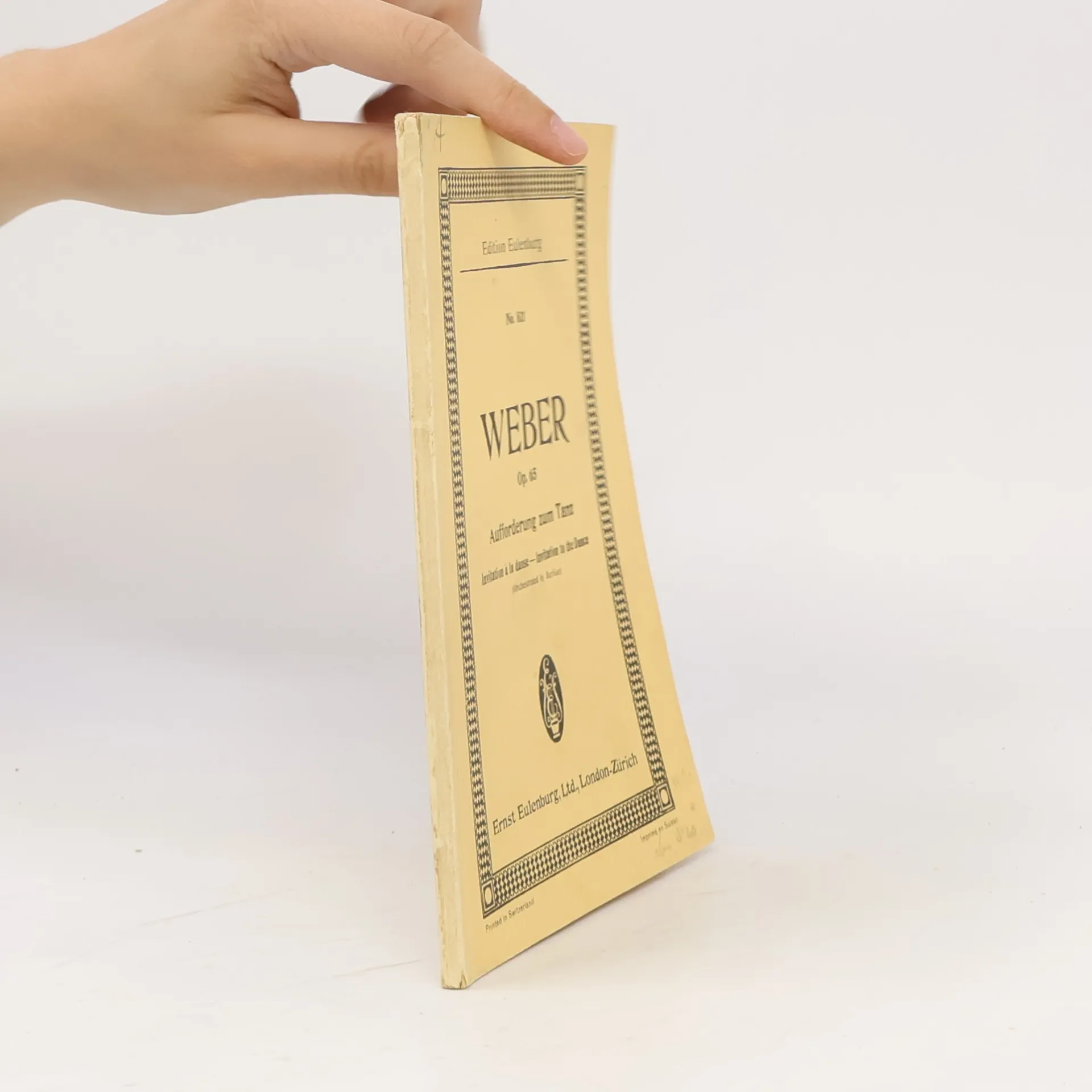
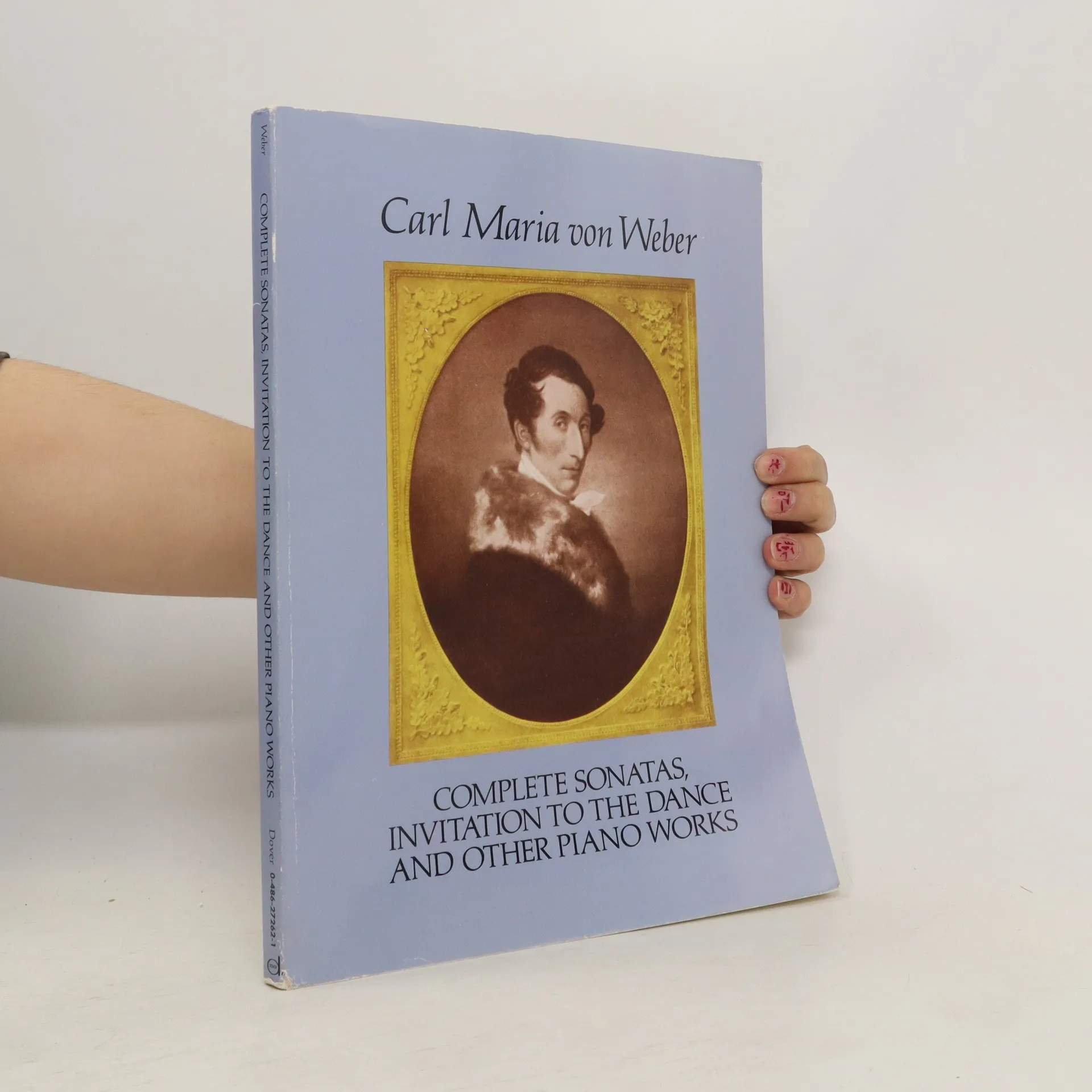
Complete sonatas, Invitation to the dance, and other piano works
- 256 Seiten
- 9 Lesestunden
A virtuoso of the piano and a pioneer of musical Romanticism, Carl Maria von Wolfe (1786–1926) wrote piano music of elegance and grandeur enhanced with bravura technical effects that profoundly influenced later 19th-century piano music. This volume presents virtually all Weber's works for piano the four piano sonatas — Opus 24 in C Major (1812), Opus 39 in A-flat Minor (1816), Opus 49 in D Minor (1816), and Opus 70 in E Minor (1822) — considered the core of his output; his most popular piano composition, Invitation to the Dance , a waltz later orchestrated by Berlioz and used for the celebrated ballet Le Spectre de la Rose ; eight lively and engaging sets of variations; and the dazzling Momento Capriccioso , Grande Polonaise , Rondo Brillante , and Polacca Brillante . Pianists will enjoy exploring this richly varied collection of piano masterworks, reprinted from the authoritative edition published by C. F. Peters of Leipzig.