Gratis Versand ab € 14,99. Mehr Infos.
Bookbot

Edward Lear

    12. Mai 1812 – 29. Jänner 1888

    Edward Lear war ein englischer Künstler, Illustrator und Schriftsteller, berühmt für seine literarischen Nonsens-Werke in Prosa und Lyrik. Er hat insbesondere das Limerick-Format populär gemacht. Seine Werke werden bis heute für ihre Verspieltheit und ihren einzigartigen Sprachstil geschätzt. Lears Vermächtnis liegt in seiner Fähigkeit, das Absurde im Alltag zu entdecken und zu feiern.

    Edward Lear
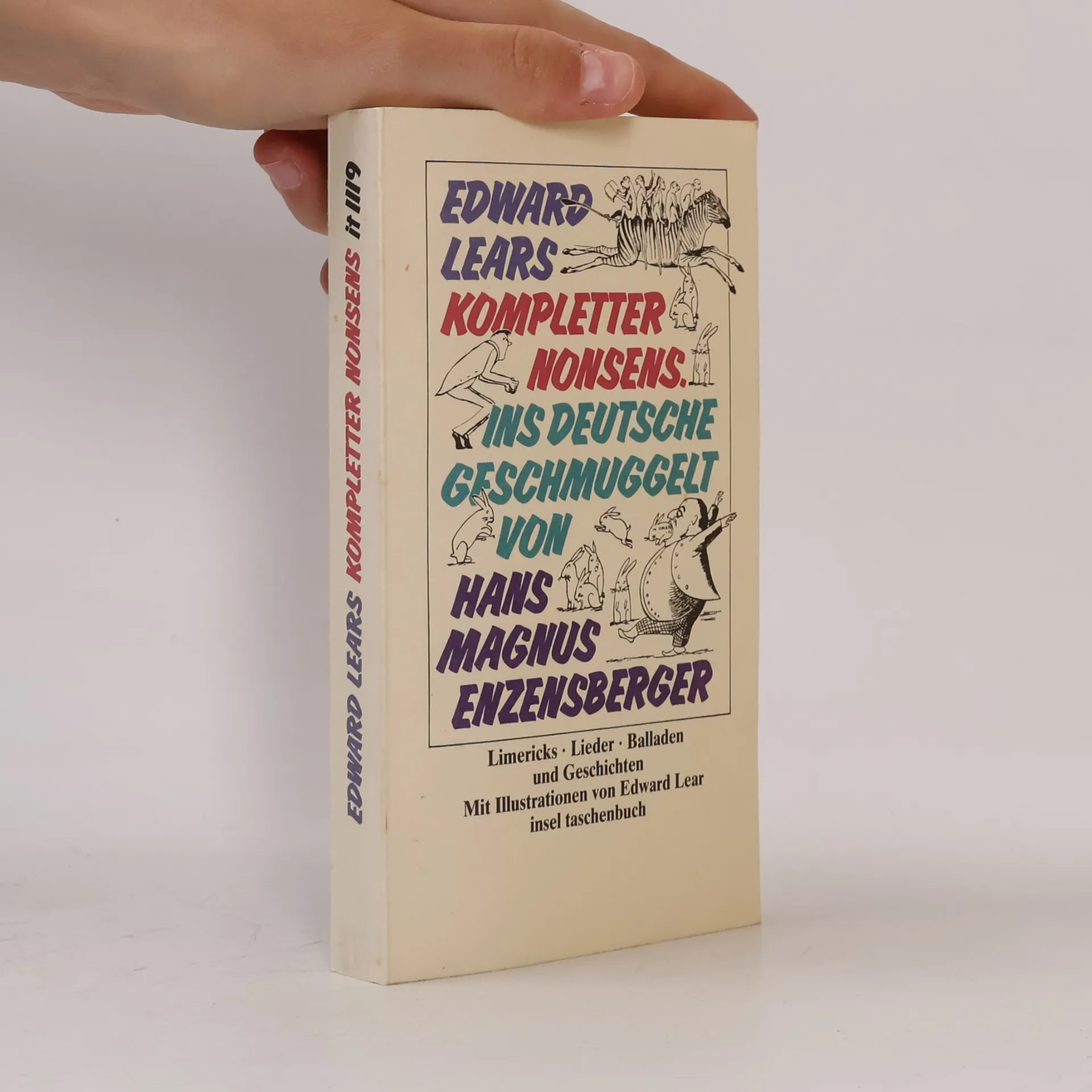
    Edward Lears kompletter Nonsens. Limericks, Lieder, Balladen und Geschichten
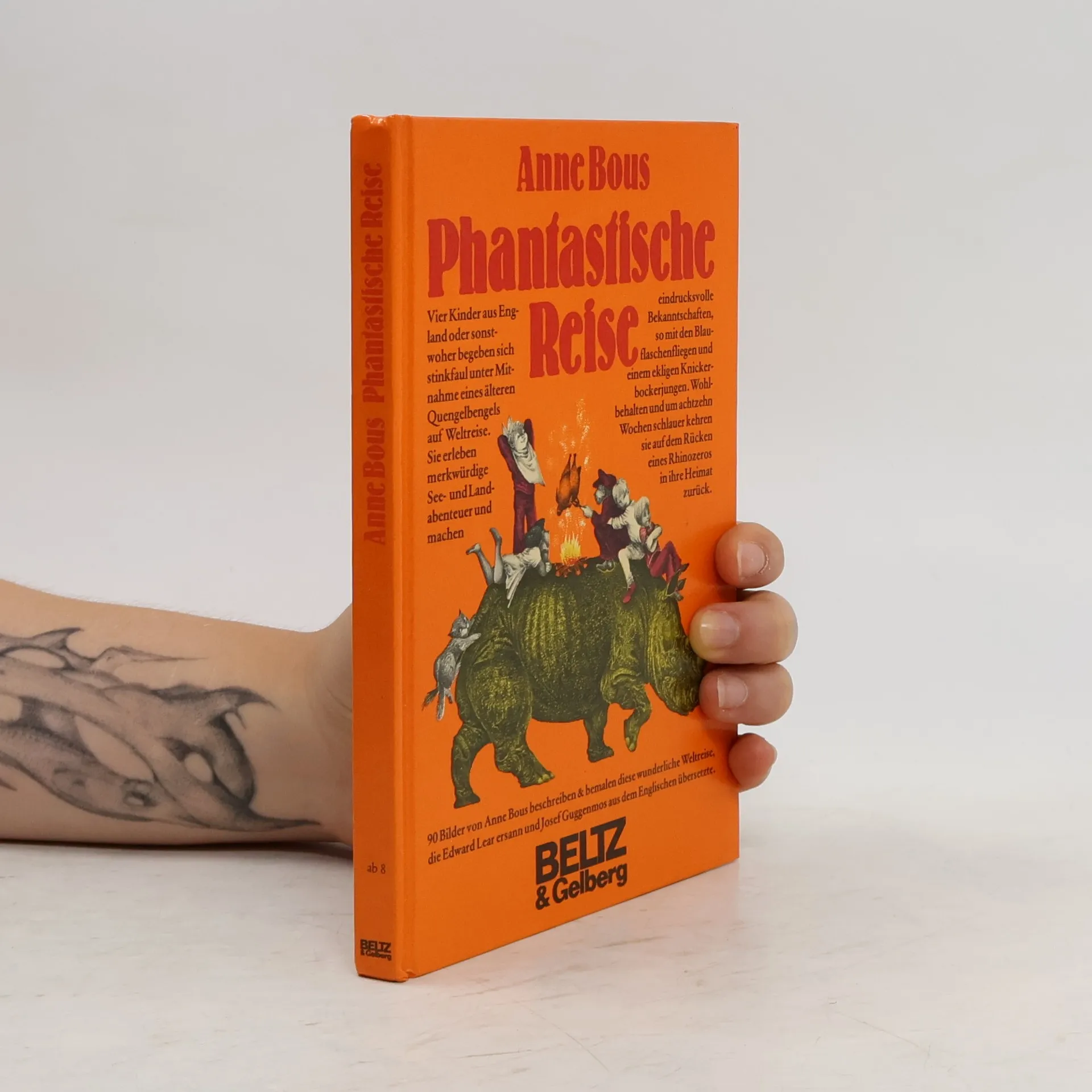
    Phantastische Reise
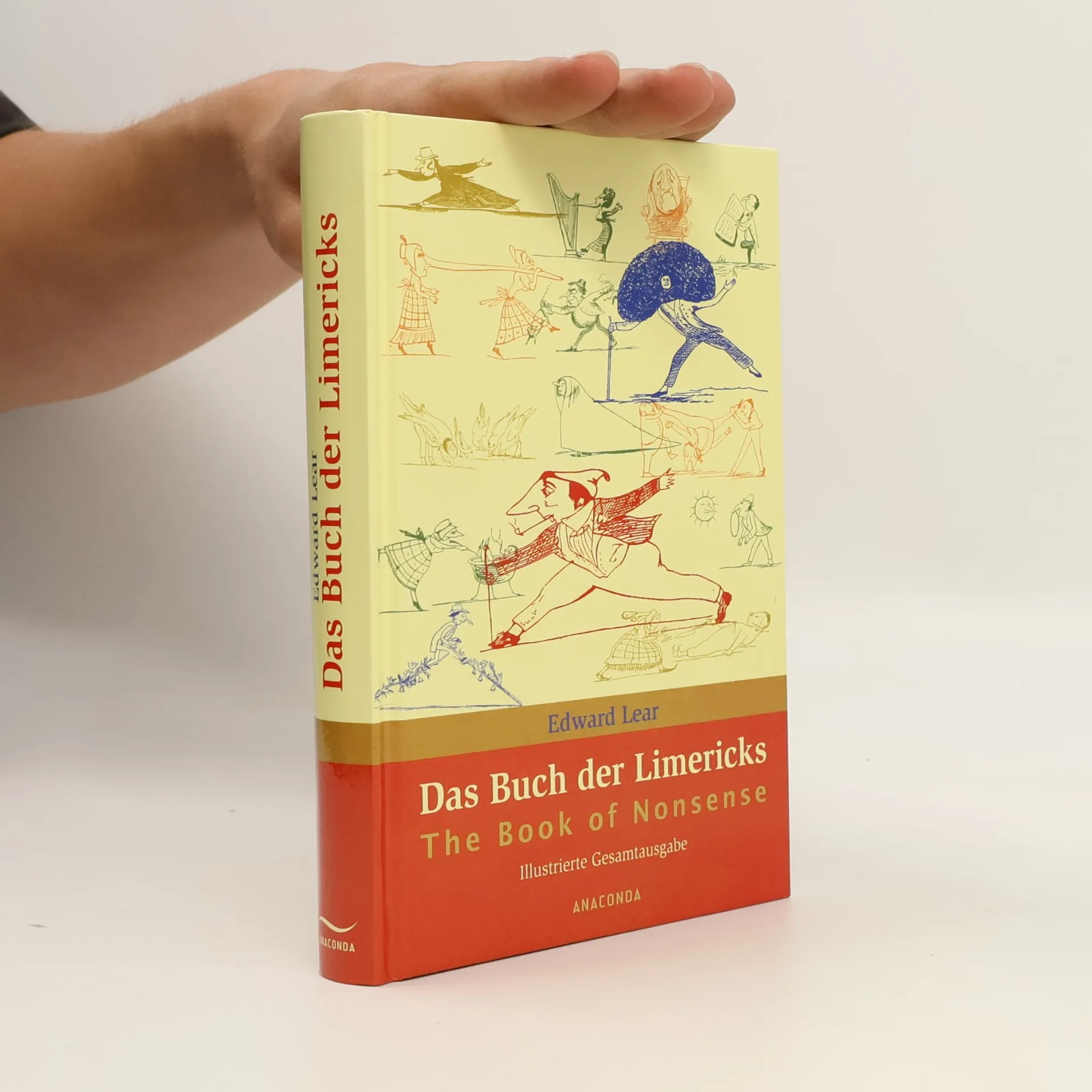
    Das Buch der Limericks
    Limericks, Limericks
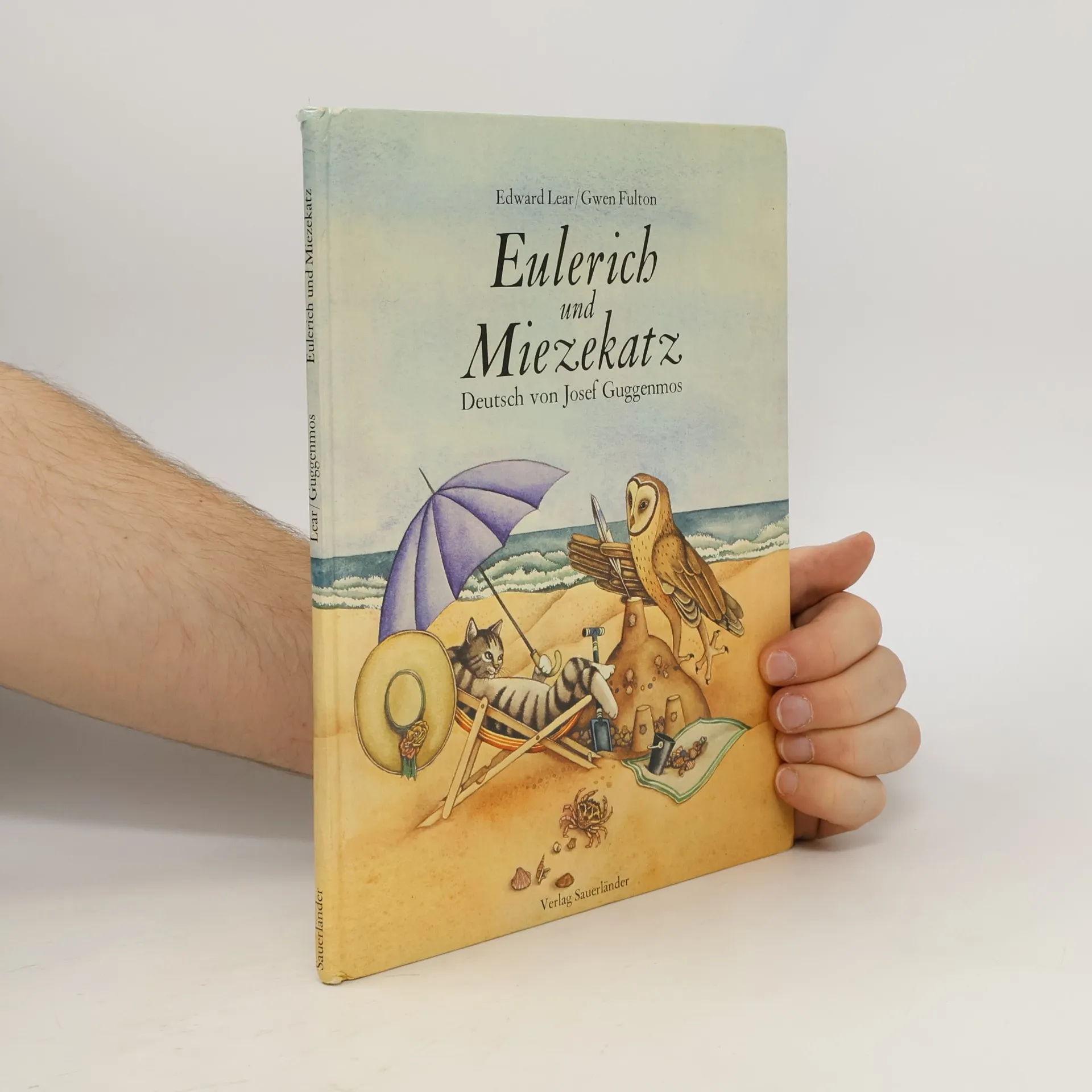
    Von Eule und Katz und anderm Geschwatz
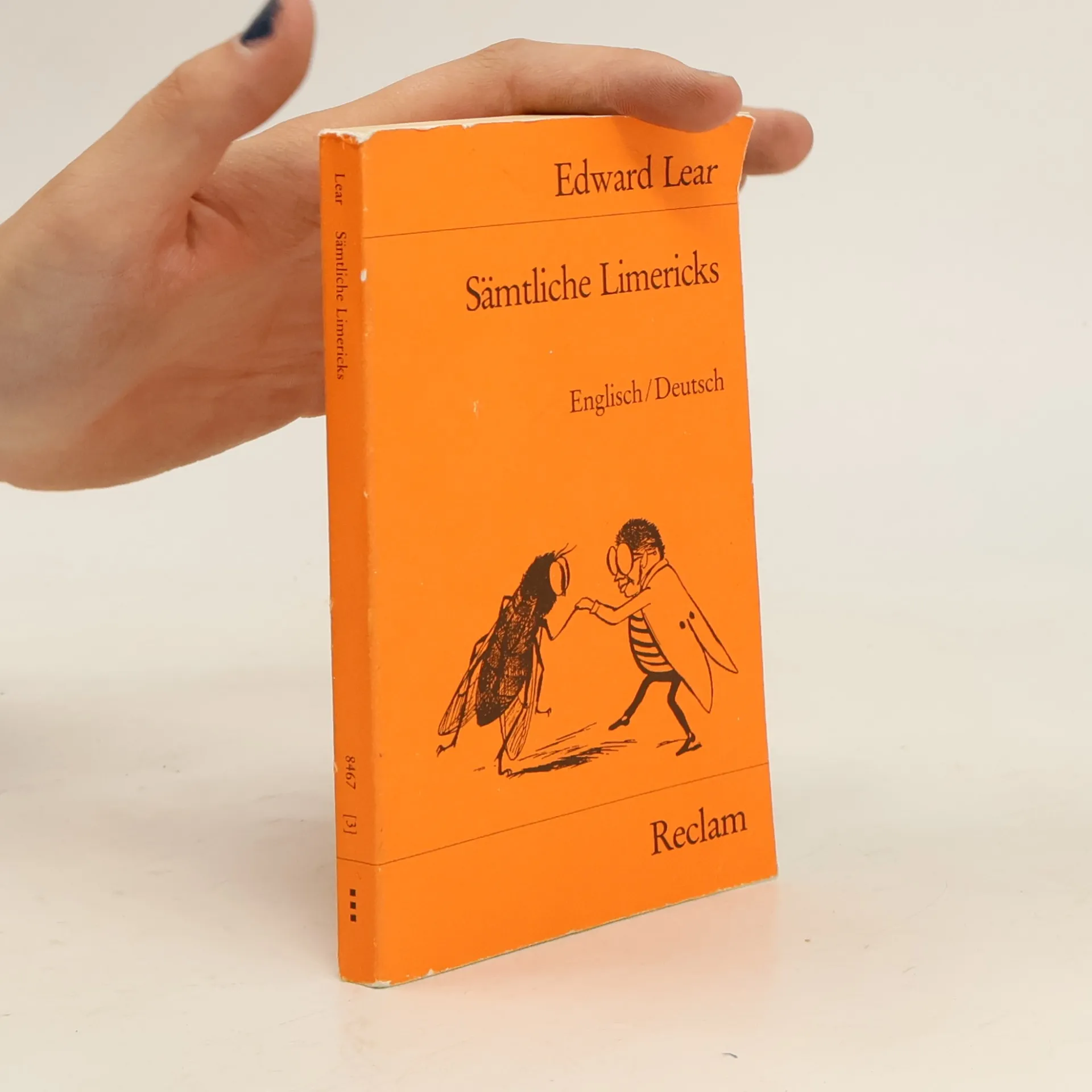
    Sämtliche Limericks
    • Sämtliche Limericks

      • 236 Seiten
      • 9 Lesestunden

      Edward Lear hat den Limerick nicht erfunden, aber er hat ihn mit seinem Book of Nonsense weltberühmt gemacht. Er war auch ein hervorragender Maler und Illustrator. Die Limericks zeichnen sich durch ihren humorvollen und oft absurden Charakter aus. Sie erzählen von skurrilen Figuren und ihren abenteuerlichen Erlebnissen, die den Leser zum Schmunzeln bringen. Lear spielt mit Sprache, Rhythmus und Reim, was seinen Limericks eine besondere Leichtigkeit verleiht. Die Kombination aus Wortwitz und phantasievollen Illustrationen macht seine Werke zeitlos und ansprechend für Leser jeden Alters.

      Sämtliche Limericks
      4,5
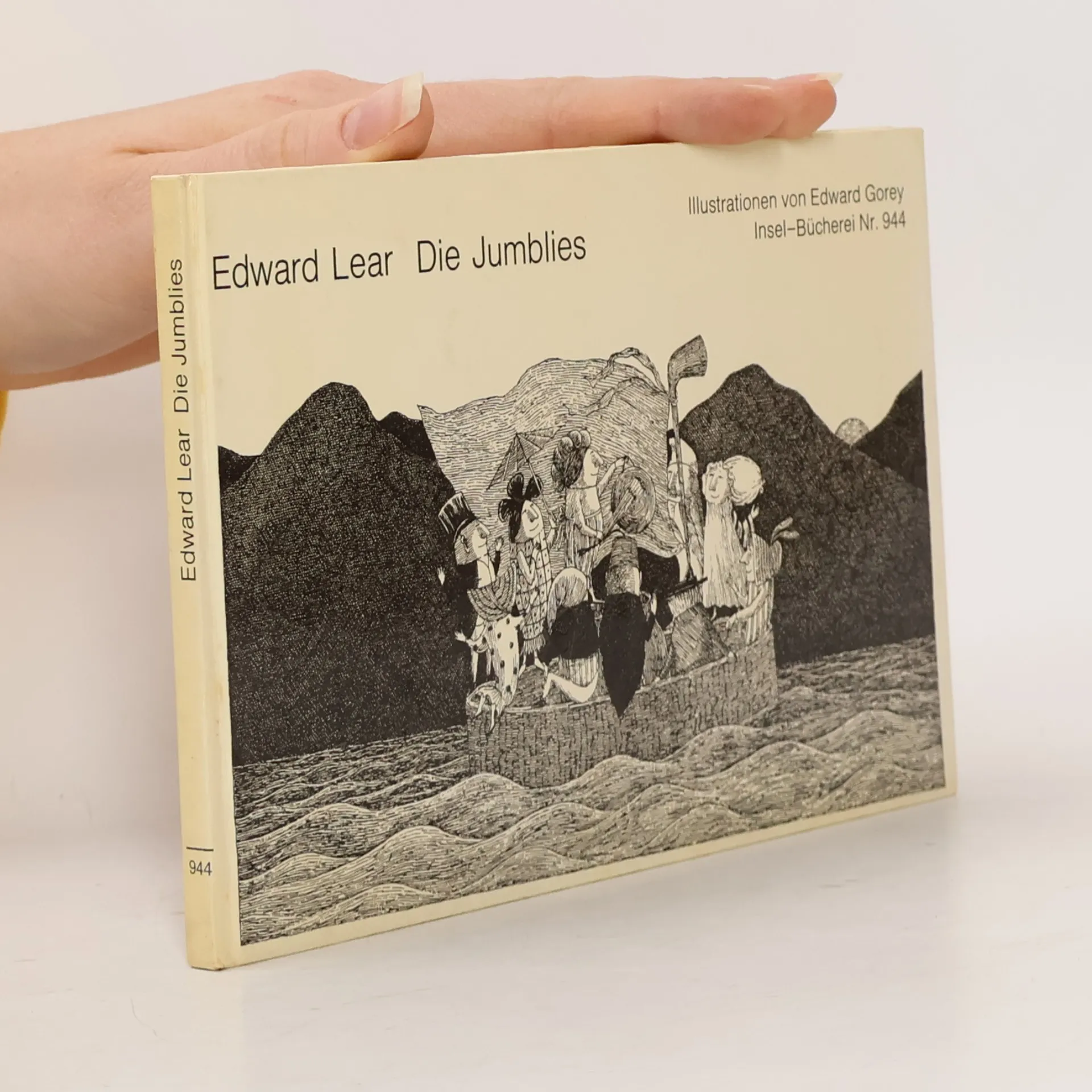
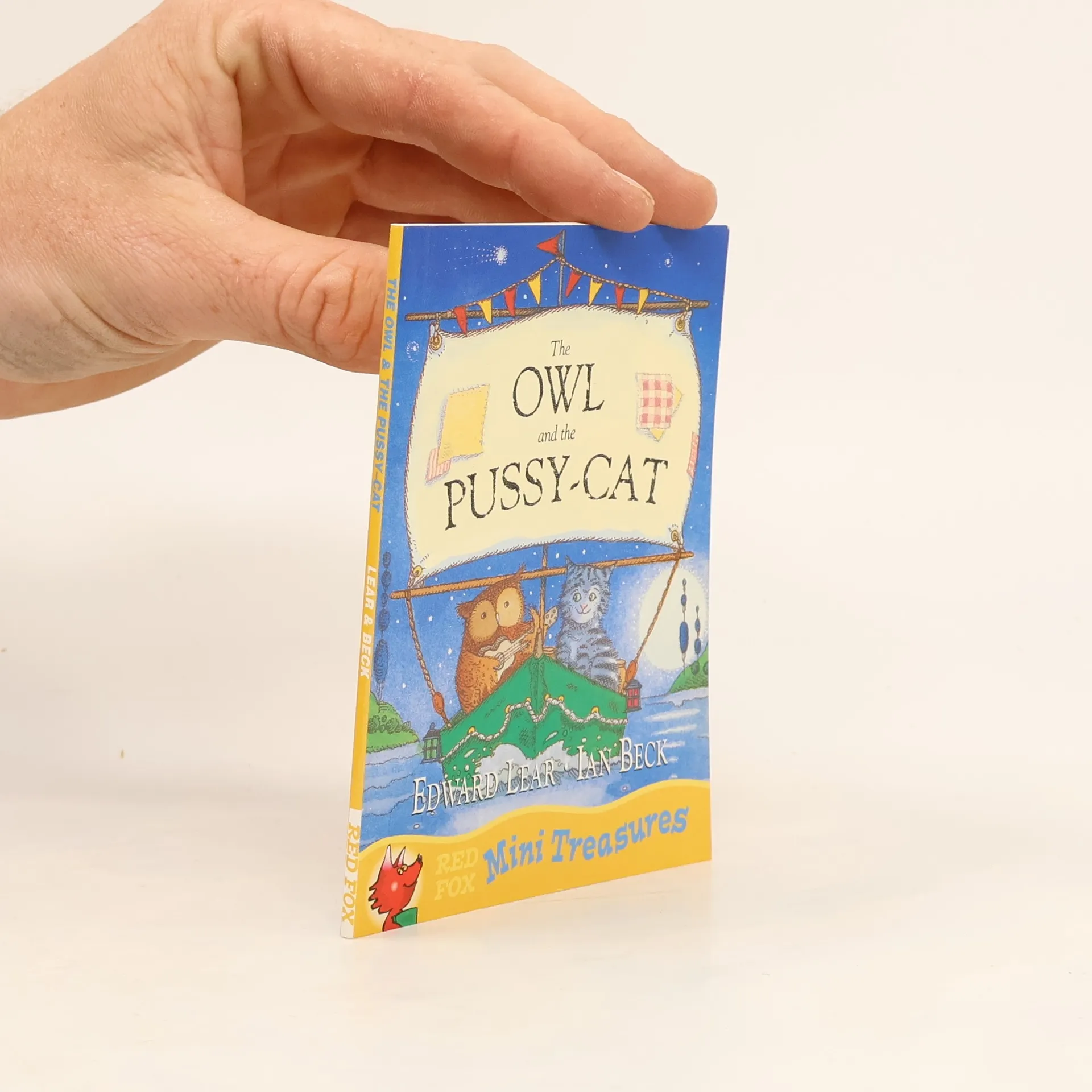
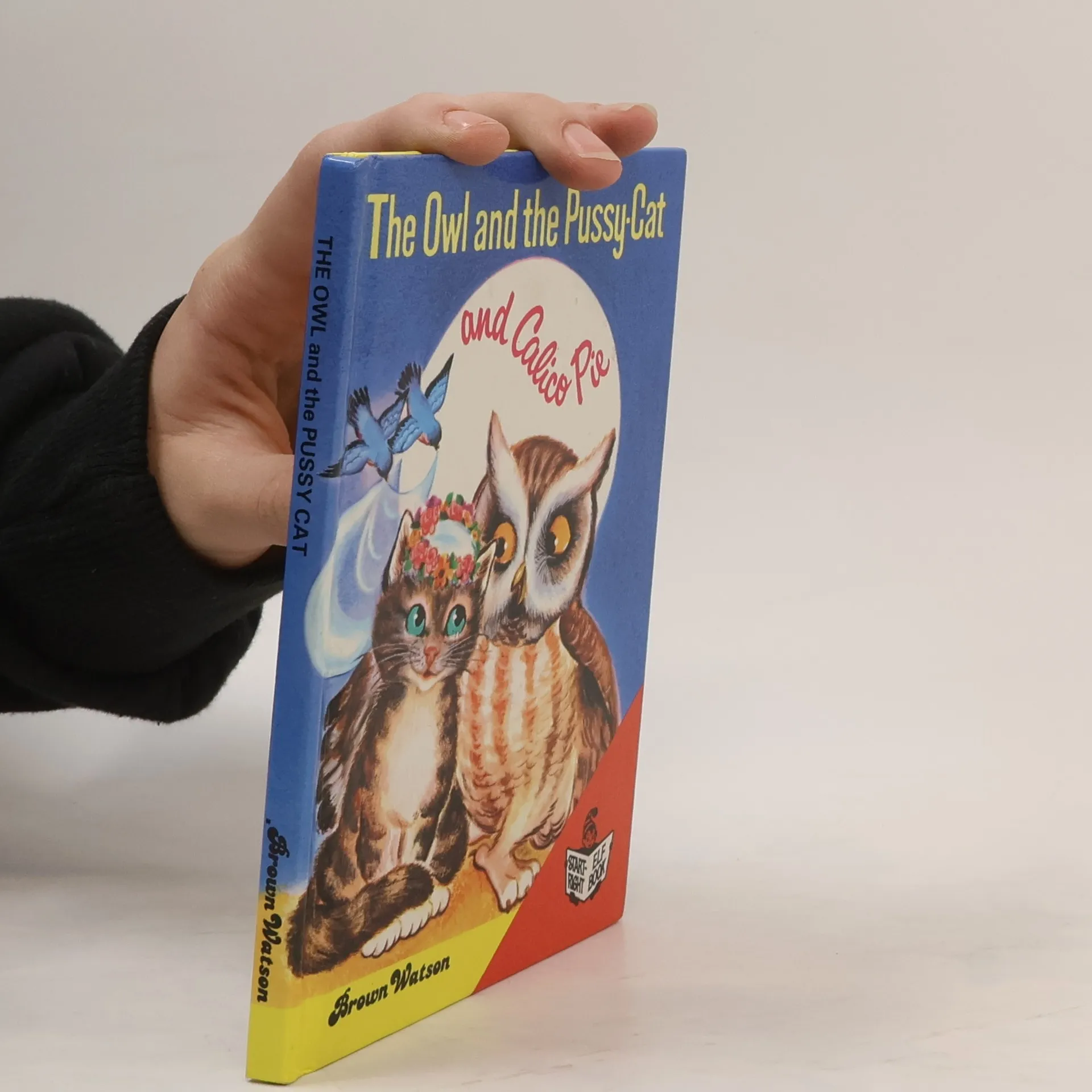
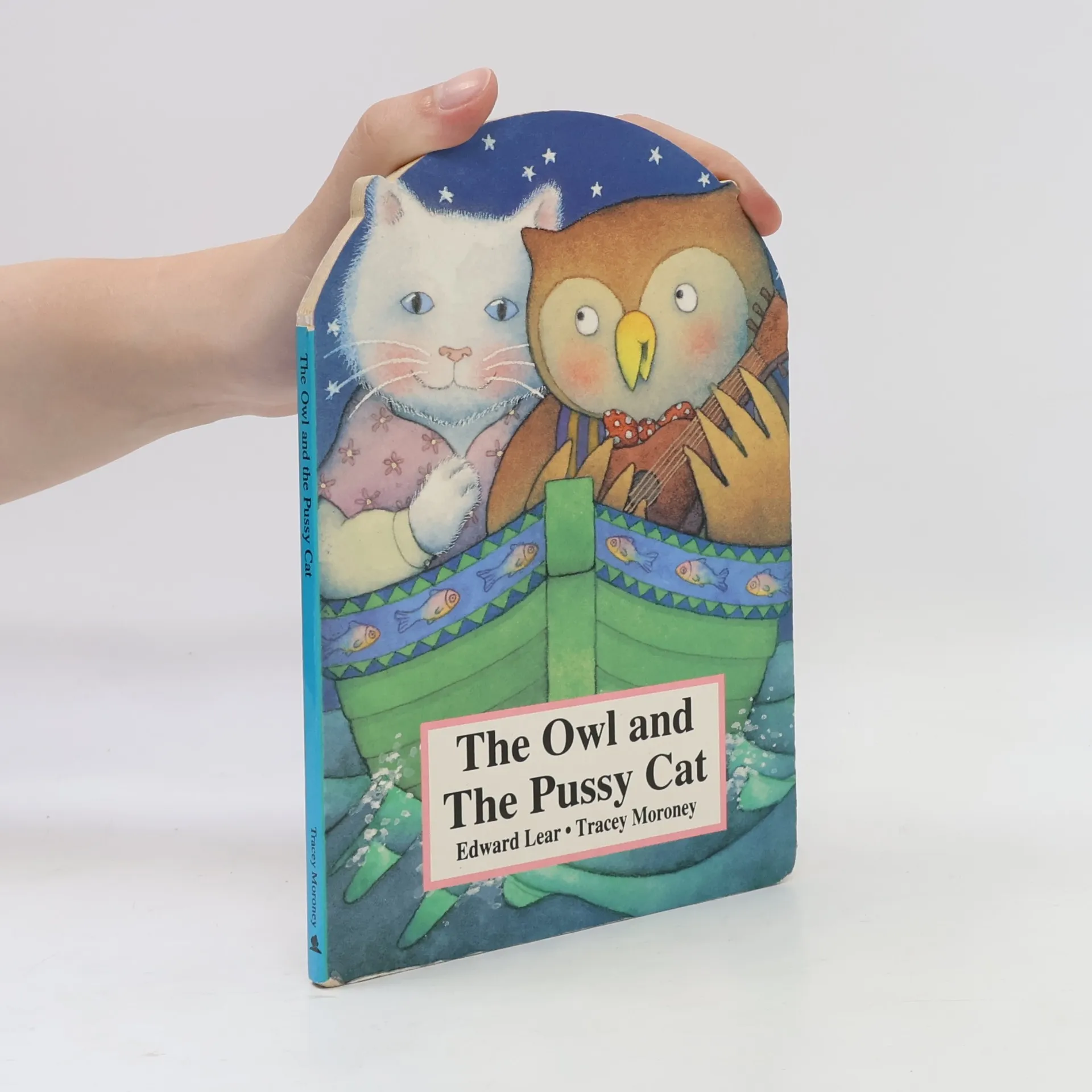
    • Diese bezaubernde Dichtung folgt dem charmanten Abenteuer einer Eule und einer Katze, die in einem malerischen, erbsengrünen Boot segeln. Ihre Reise ist erfüllt von verspielten Bildern und unbeschwerten Momenten, die ihre Kameradschaft und die Freude am Entdecken zeigen. Die Erzählung ist mit musikalischen Elementen angereichert, während die Eule den Nachthimmel besingt und eine magische Atmosphäre schafft. Die fesselnde Mischung aus Fantasie und Einfachheit lädt die Leser ein, in eine Welt der Vorstellungskraft und des Staunens einzutauchen.

      Von Eule und Katz und anderm Geschwatz
      4,2
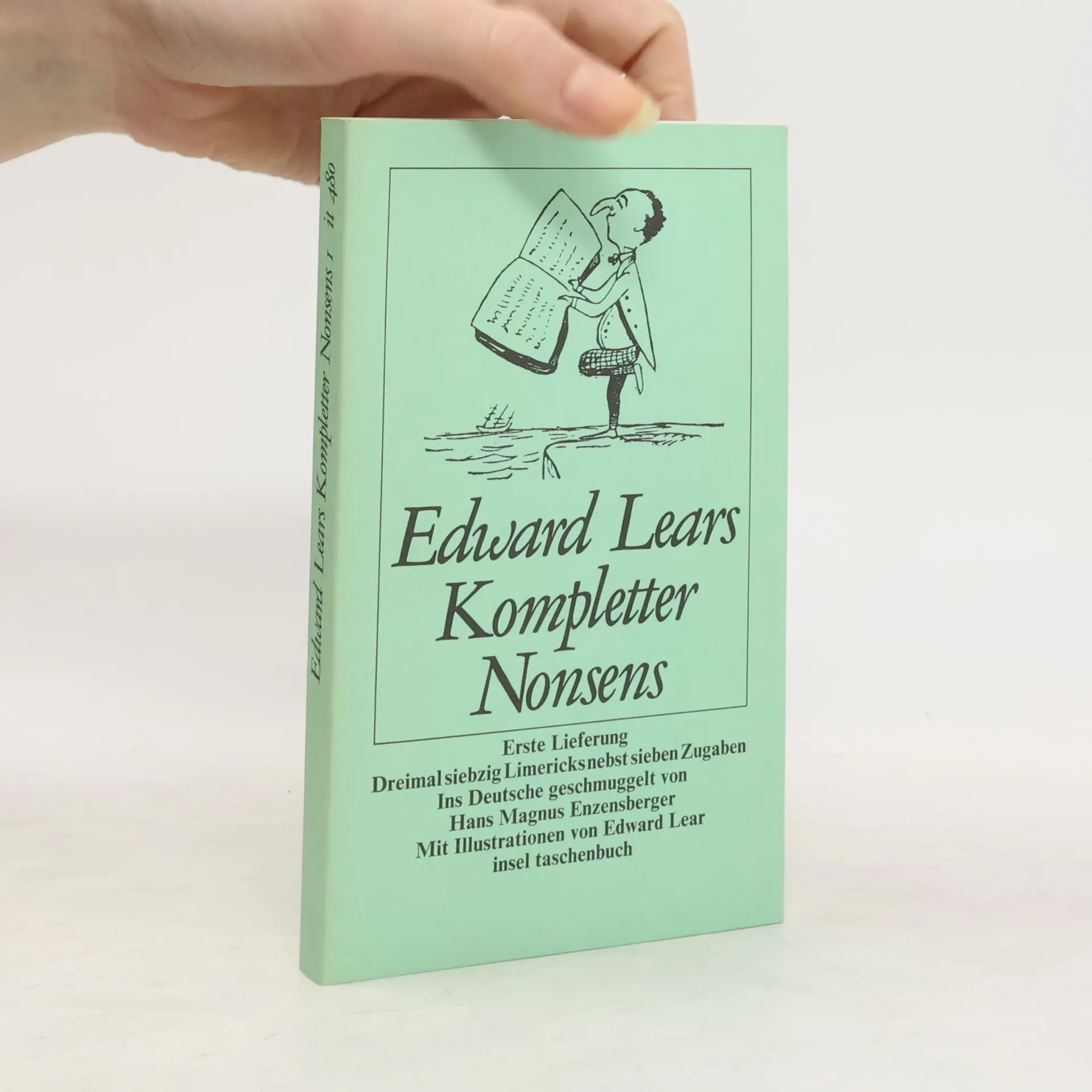
    • Kaum ein Schriftsteller beherrschte die Kunstform des Limericks so virtuos wie der englische Maler und Dichter Edward Lear (1812–1888). Vergleichbar vielleicht nur mit seinem Zeitgenossen und Landsmann Lewis Carroll gilt er als Meister der Nonsens-Literatur: In seinen herrlich verrückten Versen mischen sich Witz und Anarchie mit einzigartiger Könnerschaft und der Lust am literarischen Spiel. Diese Ausgabe bietet alle 212 Limericks aus den berühmten Sammlungen »A Book of Nonsense« und »More Nonsense Pictures, Rhymes Botany & c.« samt Lears unvergesslichen Illustrationen unverstellt im englischen Original und mit deutschen Prosaübersetzungen, die den Zugang zu den Gedichten erleichtern.

      Das Buch der Limericks
      3,4
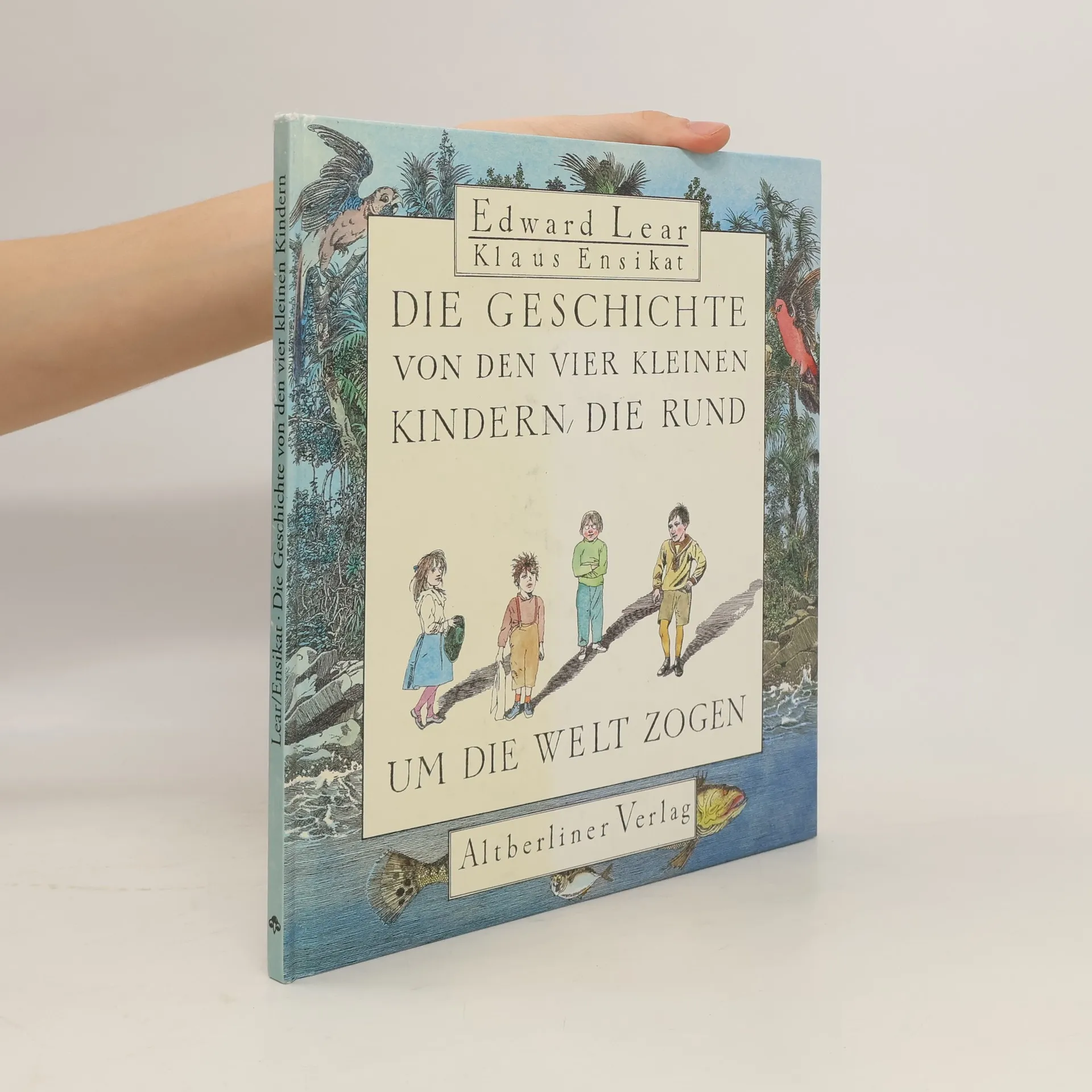
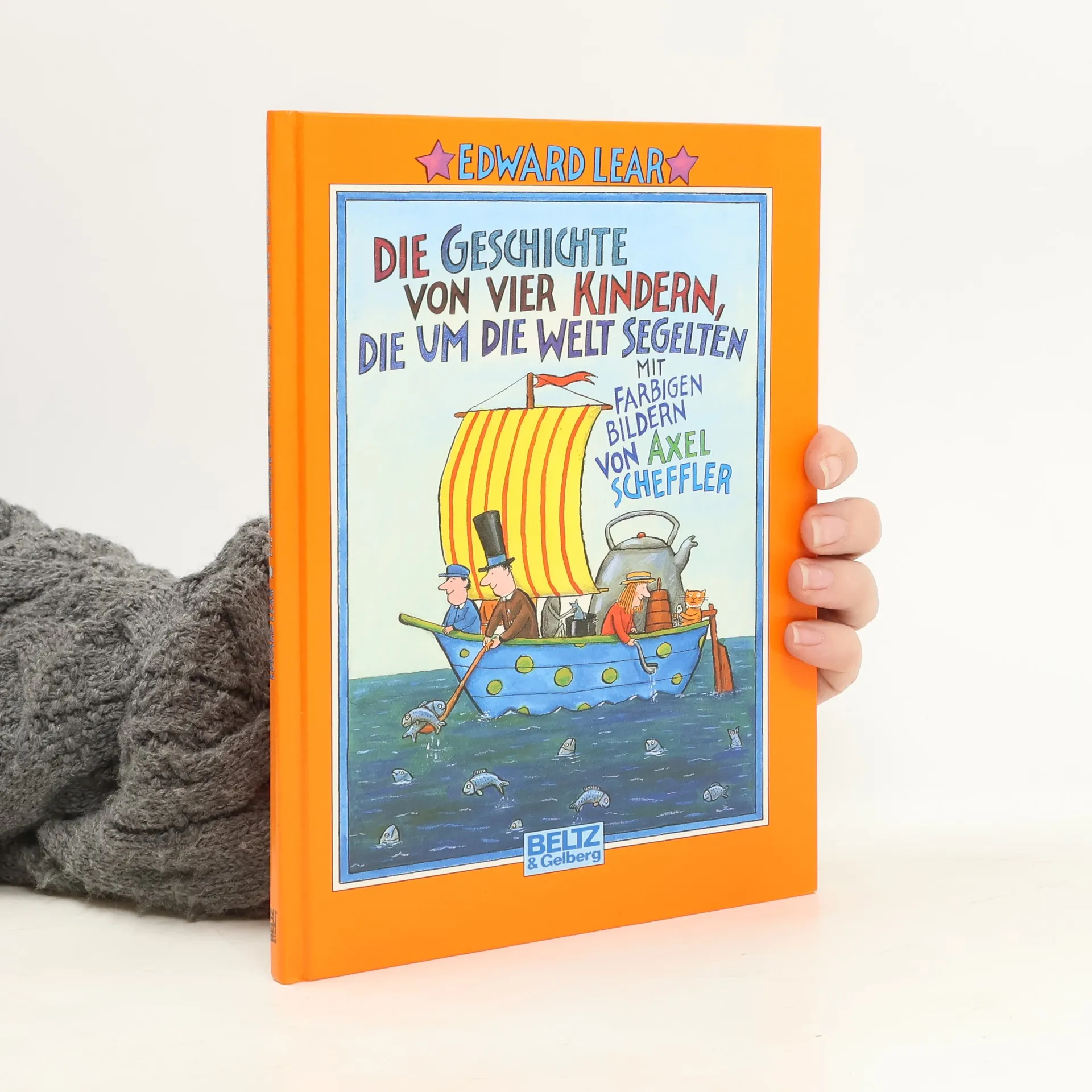
    • Eine Nonsens-Geschichte, großartig illustriert von Klaus Ensikat. Vier Kinder zieht es in die Welt hinaus. Mit ihrem Segelboot geht es los, zurück kommen sie auf einem Nashorn. Und dazwischen? Dazwischen liegen eine Menge denkwürdiger Abenteuer.

      Die Geschichte von den vier Kindern, die eine Weltreise machten
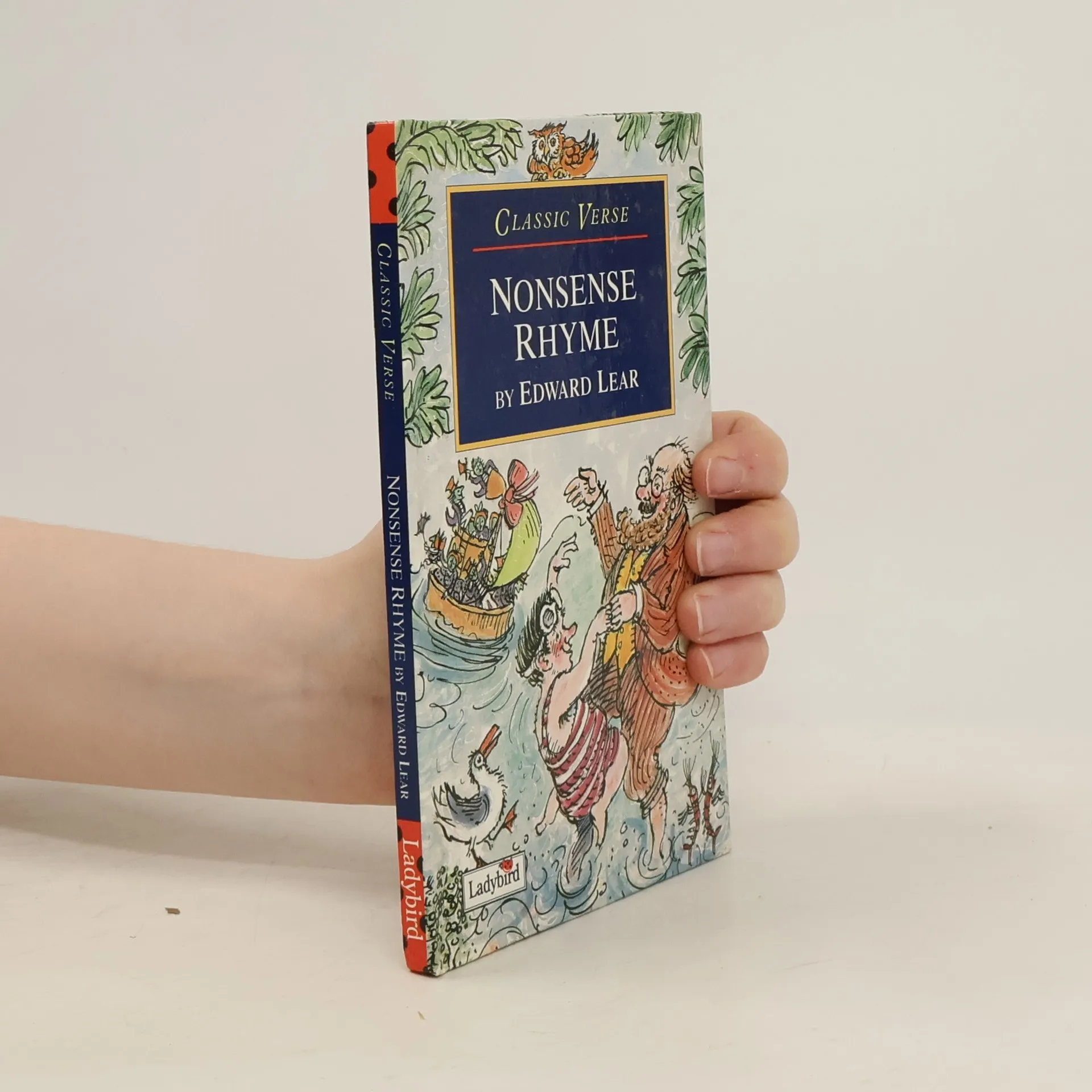
    • Nonsense Rhymes

      • 51 Seiten
      • 2 Lesestunden

      A collection of nonsense rhymes and limericks by Edward Lear.

      Nonsense Rhymes
      4,4
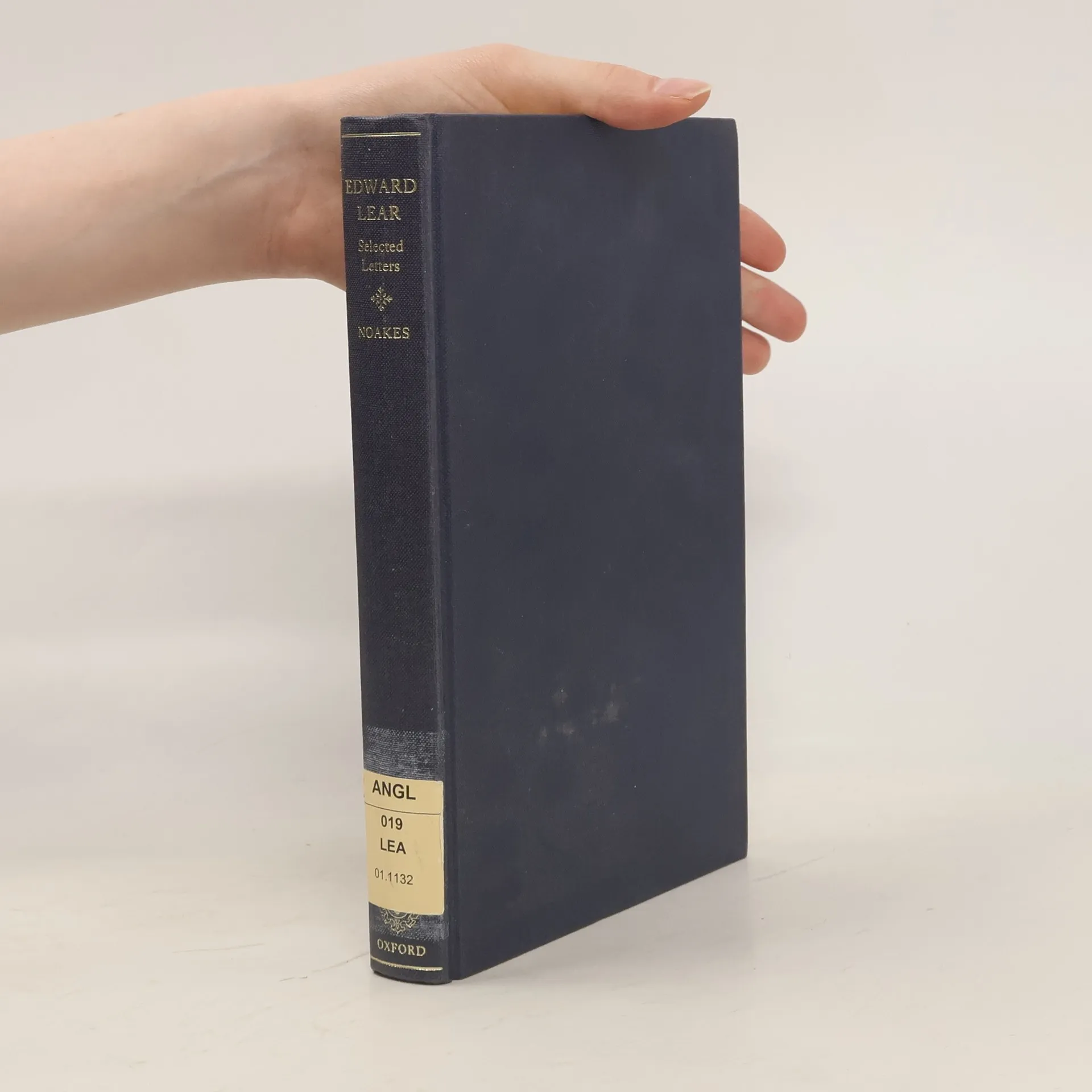
    • Selected Letters

      • 325 Seiten
      • 12 Lesestunden

      A selection of letters written by Edward Lear to artists, painters, zoologists, politicians and his sister. The correspondence spans his writing life and includes descriptions of his travels to Europe and the Middle East. This book is published on the centenary of his death.

      Selected Letters
      4,0
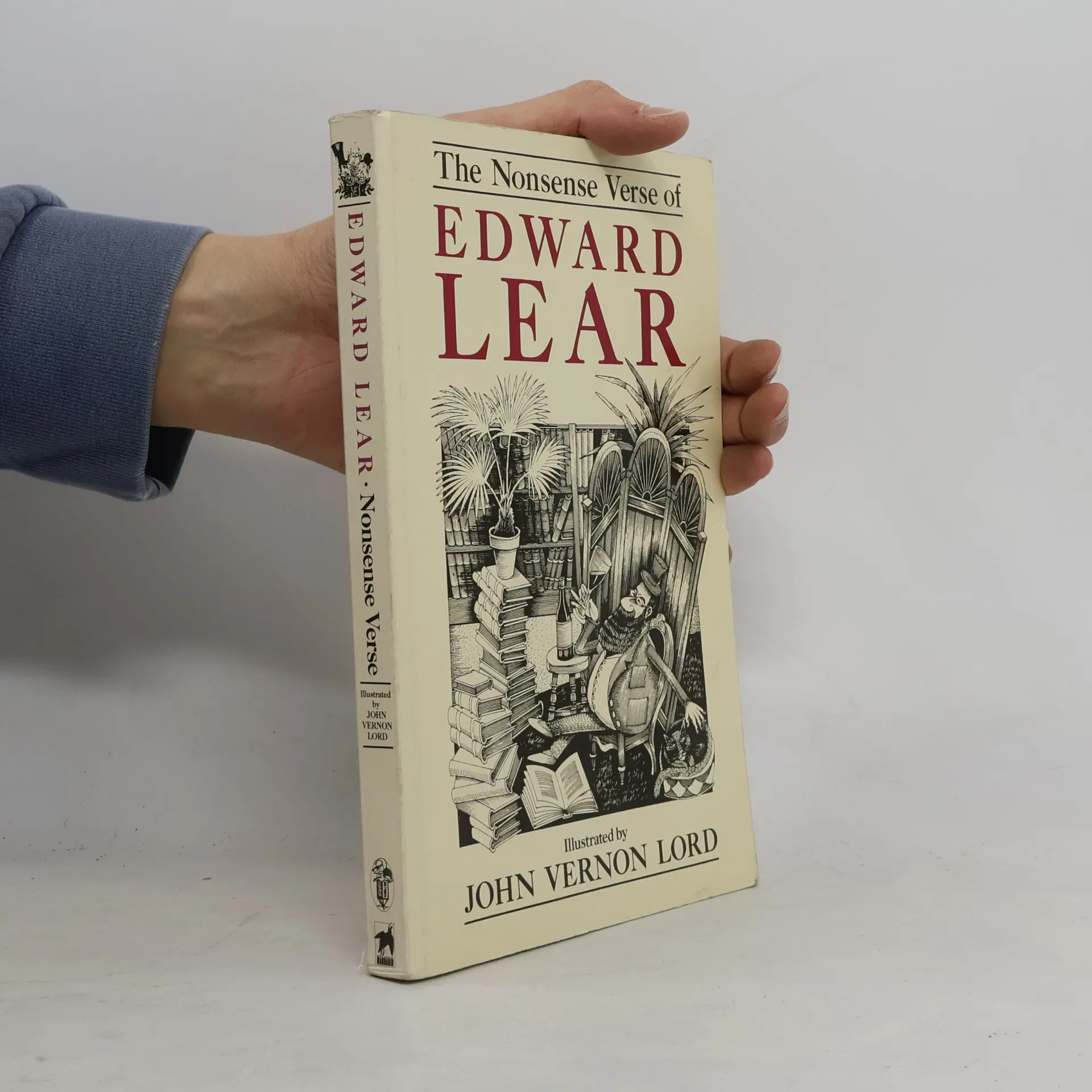
    • The Nonsense Verse of Edward Lear

      • 256 Seiten
      • 9 Lesestunden

      Welcome to the world of Edward Lear! John Vernon's Lord's stunning illustrations completely capture the spirit and satirical wit of Lear's work, conveying a lifelong enthusiasm for Lear's nonsense.

      The Nonsense Verse of Edward Lear
      4,3
    • Misunderstood by his peers and plagued by loneliness and low self-esteem, Edward Lear spent much of his time in the company of children, composing poems and songs for their amusement. This title looks at Lear's serious and silly sides before selecting 15 limericks and 18 longer poems by the 19th-century wordsmith.

      Poetry for Young People: Edward Lear
      4,0
    • The Complete Nonsense Books

      De-luxe Edition

      • 300 Seiten
      • 11 Lesestunden

      Featuring the complete collection of Lear's whimsical nonsense verse, this edition is a delightful blend of poetry and art, appealing to both adults and children. It showcases his imaginative illustrations, enhancing the playful and fantastical nature of the texts. The book serves as a charming tribute to Lear's creativity, inviting readers to explore the joy and absurdity found in his unique literary world.

      The Complete Nonsense Books
      3,8
    • Edward Lear's whimsical poetry transforms ordinary language into delightful nonsense, characterized by imaginative wordplay and unexpected verses. His limericks, while varying in length, maintain a charming and creative essence, steering clear of scandalous themes. Notable works featured include "The Owl and the Pussycat," "The Pobble who has No Toes," and "The Quangle Wangle's Hat," all beautifully illustrated by Margaret Jervis. This edition showcases Lear's enchanting style on premium acid-free paper, highlighting the full-color illustrations that complement his playful verses.

      The Owl and the Pussycat and Other Poems
      3,8
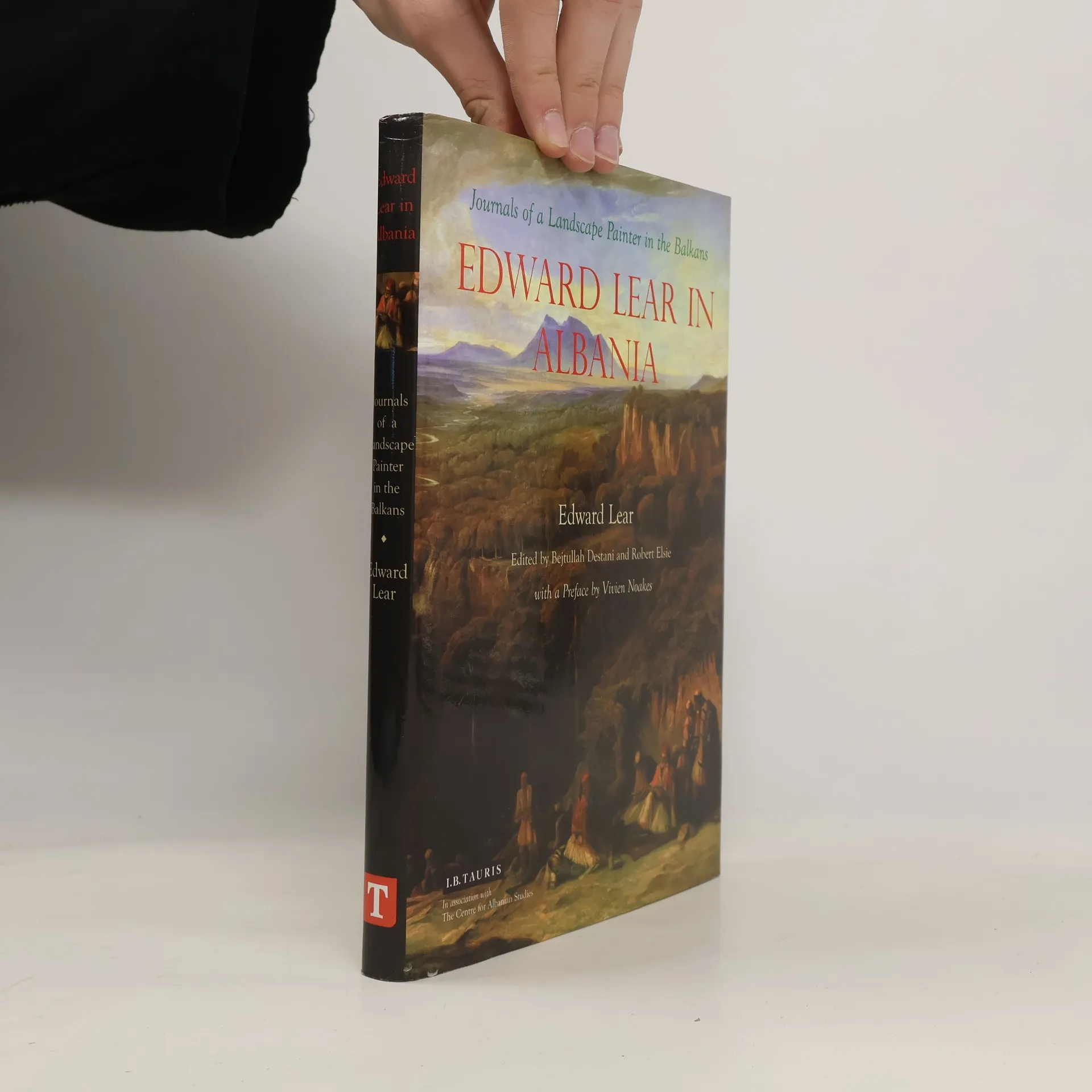
    • Edward Lear in Albania

      Journals of a Landscape Painter in the Balkans

      • 248 Seiten
      • 9 Lesestunden

      Edward Lear's journey through Albania and Macedonia in 1848 reveals the stark contrasts of the region, highlighting both its beauty and hardships. His detailed journals, prompted by a cholera outbreak, provide a rare glimpse into a place largely unexplored by foreigners. Through his unique observations, Lear captures the landscape, culture, and political climate, offering an intimate portrait of Albania. Lavishly illustrated with his own paintings, this work showcases the profound impact of the environment and its people on the artist's perspective.

      Edward Lear in Albania
      3,8
    • Nonsense Poems for Kids

      • 32 Seiten
      • 2 Lesestunden

      Engaging young readers with classic English literature is the focus of this book, designed to inspire a love for reading through timeless stories. It offers carefully selected examples that highlight the beauty and richness of the English language, aiming to cultivate an appreciation for literary heritage in children. The book encourages exploration of various themes and characters, making it an ideal resource for parents seeking to introduce their children to the joys of reading and the world of literature.

      Nonsense Poems for Kids
      1,0
    • 'Nonsense is the breath of my nostrils', wrote Edward Lear (1812-88), and this collection demonstrates the varied ways in which he pursued his philosophy of life. Gently pointing out human follies and the absurdities of the conventional Victorian society in which he lived, Lear's nonsense has enchanted children and adults alike for generations.

      The Complete Nonsense and Other Verse
      3,8
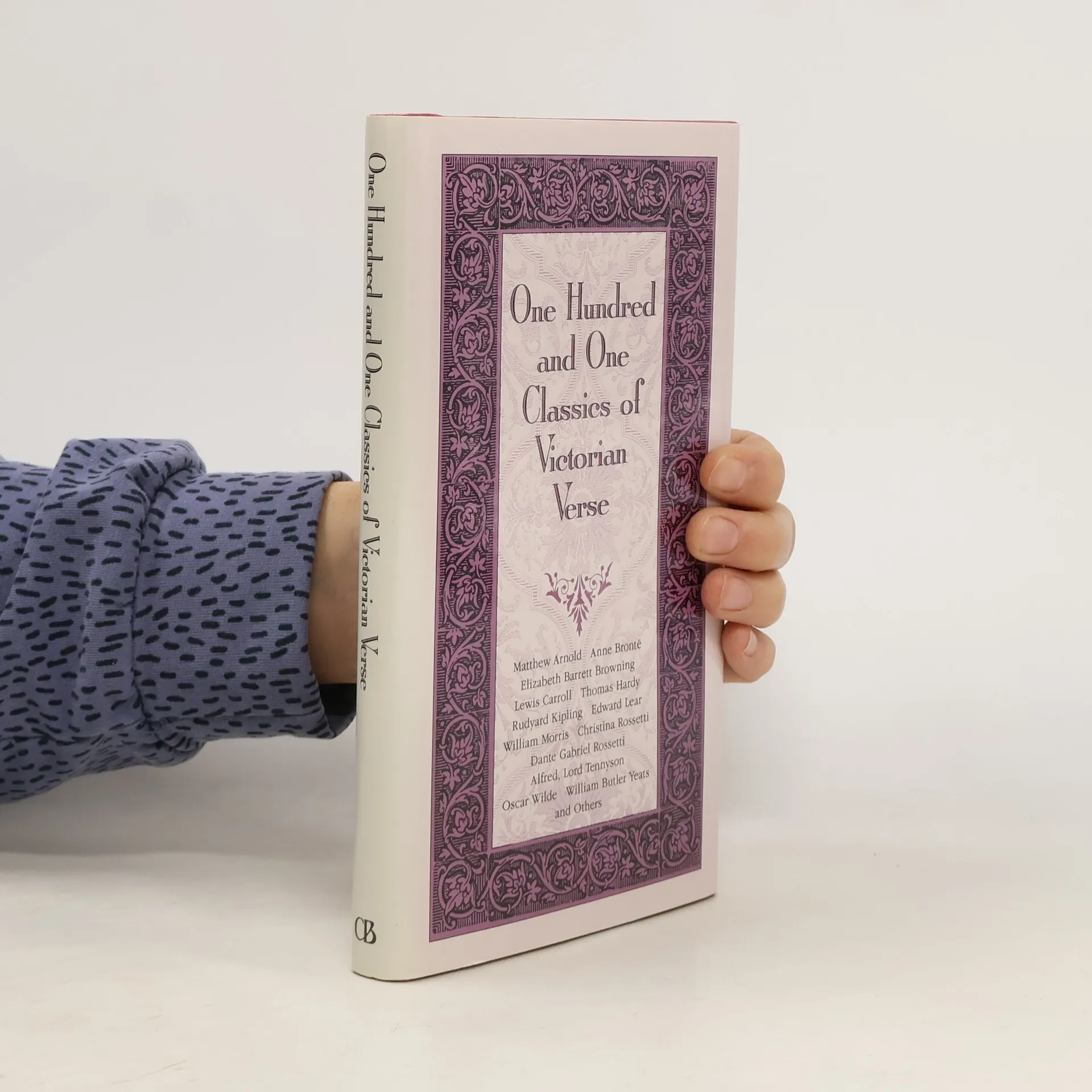
    • Includes a selection of poems by Robert Browning, Emily Bronte, Matthew Arnold, William Butler Yeats, Rudyard Kipling, George Eliot, and others.

      One Hundred and One Classics of Victorian Verse
      3,5
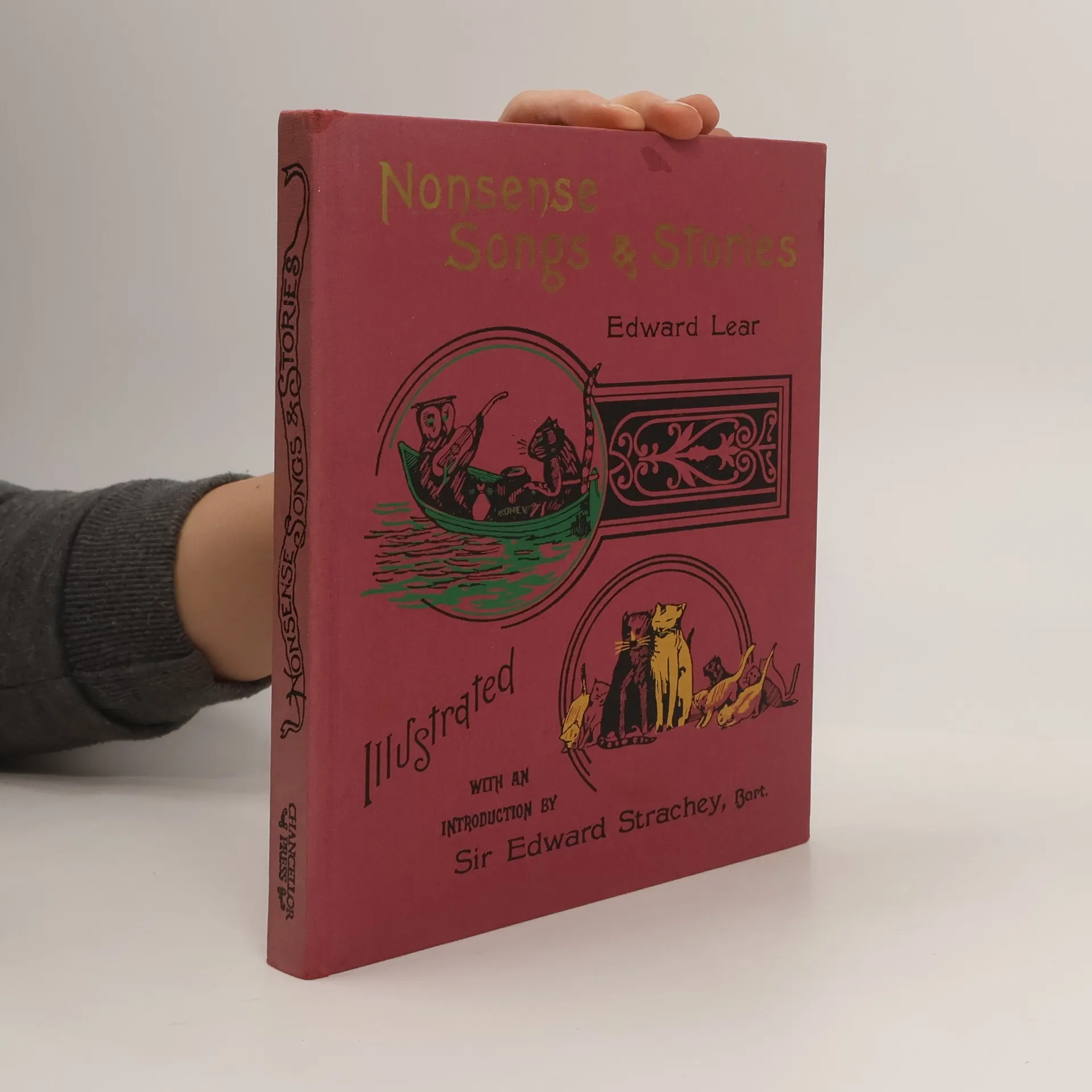
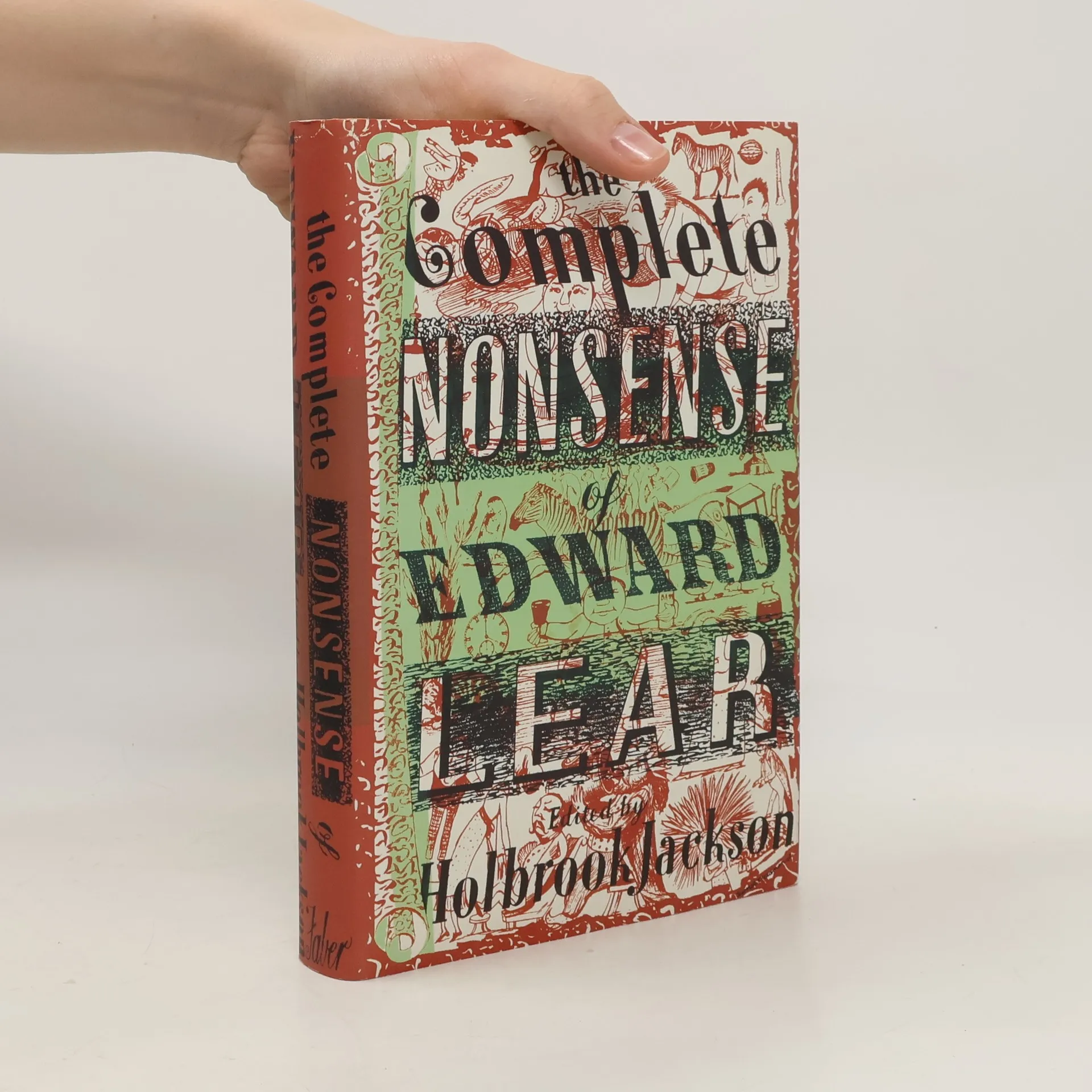
    • The Complete Nonsense of Edward Lear

      • 317 Seiten
      • 12 Lesestunden

      Edward Lear was the greatest nonsensicalist of all time. He was the inventor of the limerick and created the Jumblies and The Owl and the Pussycat. This complete edition of Lear's nonsense verse - including the limericks, longer verses, alphabets and his own illustrations - is lovingly restored and beautifully presented, for adults and children to enjoy together.

      The Complete Nonsense of Edward Lear
      3,7
    • Nonsense

      • 64 Seiten
      • 3 Lesestunden

      Features fables, decadence, heartbreak, tall tales, satire, ghosts, battles and elephants.

      Nonsense
      3,2
    • A Book of Nonsense and Other Poems

      • 124 Seiten
      • 5 Lesestunden

      Featuring playful poetry, this collection invites readers into a whimsical world full of joy and laughter. Edward Lear's imaginative verses celebrate wordplay and creativity, making it a delightful experience for audiences of all ages. Perfect for those who appreciate the charm of nonsense literature, this classic work encourages exploration and enjoyment of language in a lighthearted manner.

      A Book of Nonsense and Other Poems
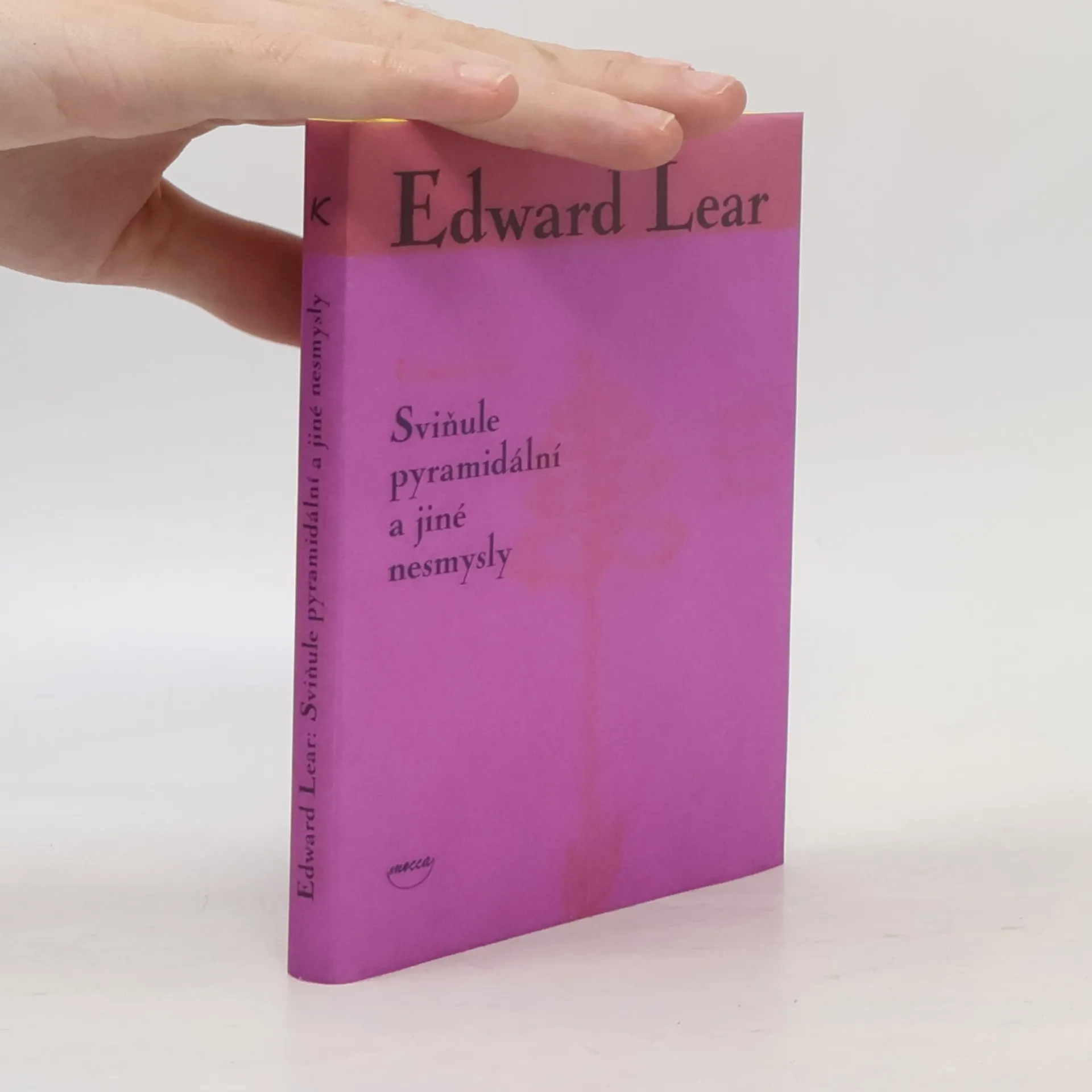
    • Edward Lear (1812-1888) bývá často považován pouze za autora humorných nonsensových pětiverší, zvaných limeriky. Svůj groteskní humor však rozvíjel i v jiných slovesných žánrech a také jako zkušený a vyhledávaný kreslíř, takže všechny své knihy, nejen pro malé čtenáře, doprovázel ilustracemi. Jeden z jeho obrázků tzv. nesmyslné botaniky - Sviňule pyramidální - dal název našemu výboru. Podkladem pro tento malý výbor je rozsáhlá Velká kniha nesmyslů (Mladá fronta, 1998). Knihu tehdy sestavil autorův český dvorní překladatel Antonín Přidal, kterému se podařilo velmi úspěšně splnit nadmíru nelehký úkol vytvořil kongeniální překlad nonsensů.

      Sviňule pyramidální a jiné nesmysly
      4,3
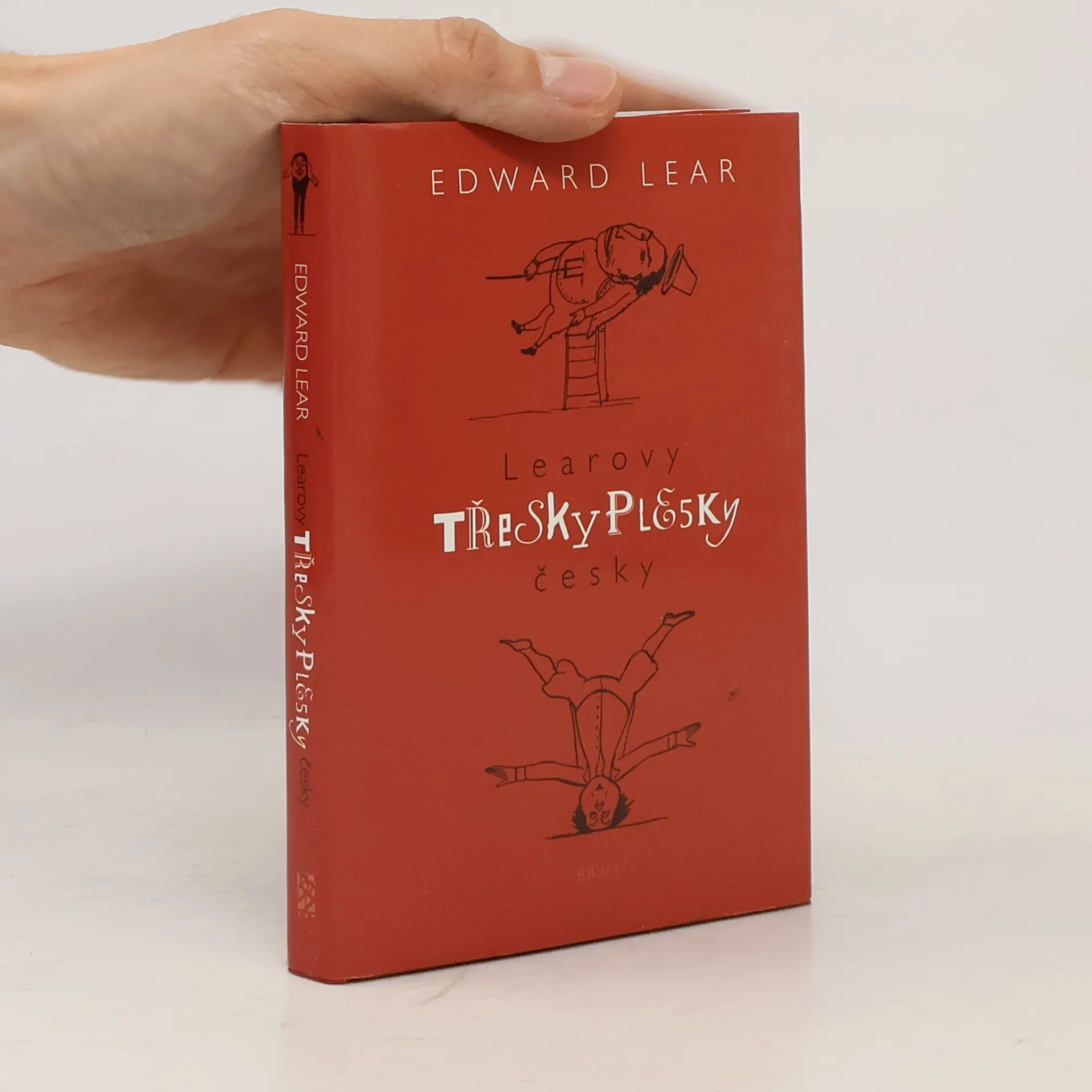
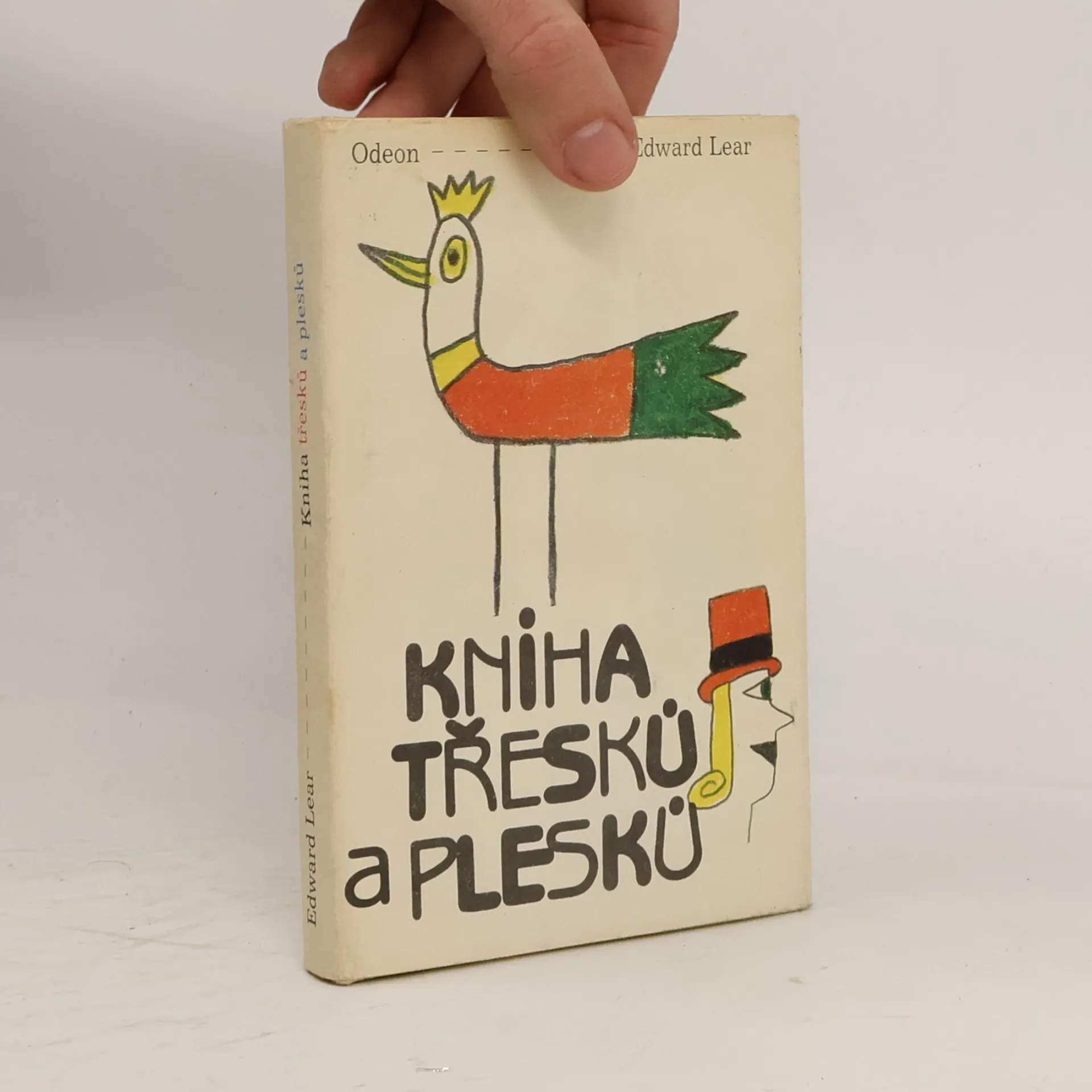
    • Soubor anglických nonsense verse Edwarda Leara, oněch u nás zdomácnělých absurdních třesků plesků, se dostává čtenářům do ruky v novém překladu Jana Vladislava, jenž vtipností a básnickou platností zdaleka překonává všechny předcházející pokusy.

      Learovy třesky plesky česky
      3,7
    • Poetická nonsensová pětiverší anglického básníka Edwarda Leara byla jen za jeho života vydána třicetkrát, úspěšně přešla do našeho století a téměř každoročně jsou vydávána dodnes, jako by v nich byl autor sestrojil opravdové perpetuum mobile humoru. Jeho hravé říkanky mají svůj předobraz v lidové slovesnosti, Lear je však obohatil v nových obsahových detailech a variantách a rozpoutal v nich báječný jazykový humor, plynoucí nejen z groteskních rýmů, ale také z kontrastu mezi pitvorností výpovědi a jejím vážným vyjádřením. Věříme, že první český překlad těchto smysluplných "nesmyslů", jednoho ze šťastných plodů anglické humoristické literatury, přispěje blahodárně k osvěžení mysli a citového zázemí našich čtenářů.

      Kniha třesků a plesků