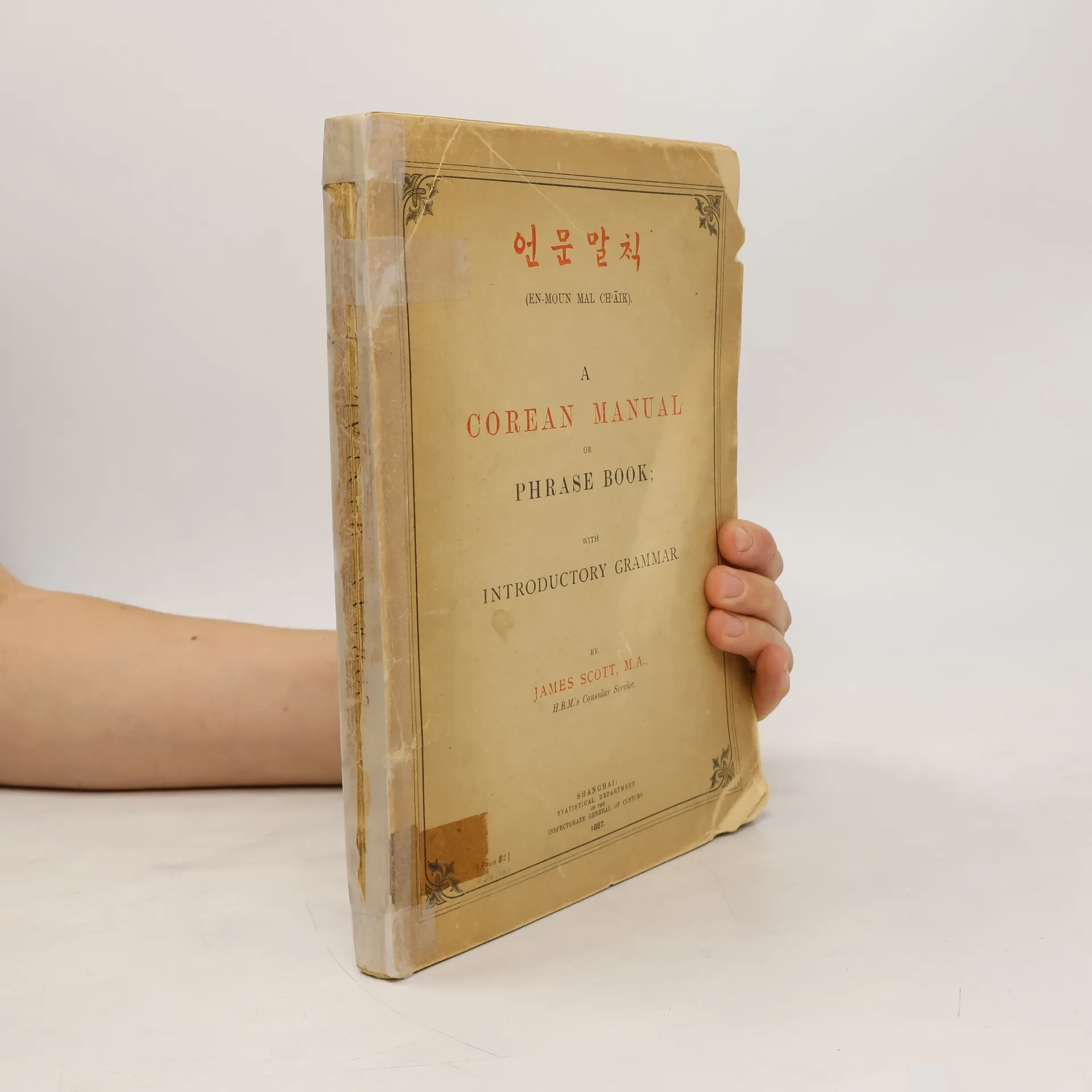
Applaus dem Anarchismus ist kein Manifest, es ist das lebhafte, oft amüsante Plädoyer für eine anarchistische Sicht auf die Welt. Der renommierte Politologe und Anthropologe James C. Scott hat – nach mehreren theoretischen Schriften zum Thema – für sein neues Buch bewusst eine andere Form gewählt: Engagiert erzählt er Beispiele und Anekdoten aus dem sozialen und politischen Alltag und der Geschichte von Massenprotesten und Revolutionen, die den gesunden Menschenverstand, das Urteilsvermögen und die Kreativität der Leute feiern. Scotts Beispiele sind so überzeugend, dass sie uns herausfordern, den Wert von Hierarchien im öffentlichen und privaten Leben radikal in Frage zu stellen – von der Schule über den Arbeitsplatz bis hin zum Altersheim – und uns in eine Reihe zu stellen mit den Renitenten, den Aufmüpfigen, die sich gegen „verordneten Unsinn“ mit konstruktiver Anarchie zur Wehr zu setzen.
James C. Scott Bücher
James A. Scott schafft fesselnde Erzählungen, die sich mit komplexen historischen Ereignissen befassen und den Leser mit einem packenden Ansatz mitten ins Geschehen ziehen. Seine Romane, geprägt von umfangreichen weltweiten Reisen, bieten aufschlussreiche Einblicke in verschiedene Kulturen und Begebenheiten. Scotts militärische Erfahrungen verleihen seinem Schreiben Authentizität und Tiefe, was seinen Geschichten Kraft verleiht. Seine Werke zeugen von seiner Fähigkeit, historische Zusammenhänge in packende und mitreißende Geschichten zu verweben.




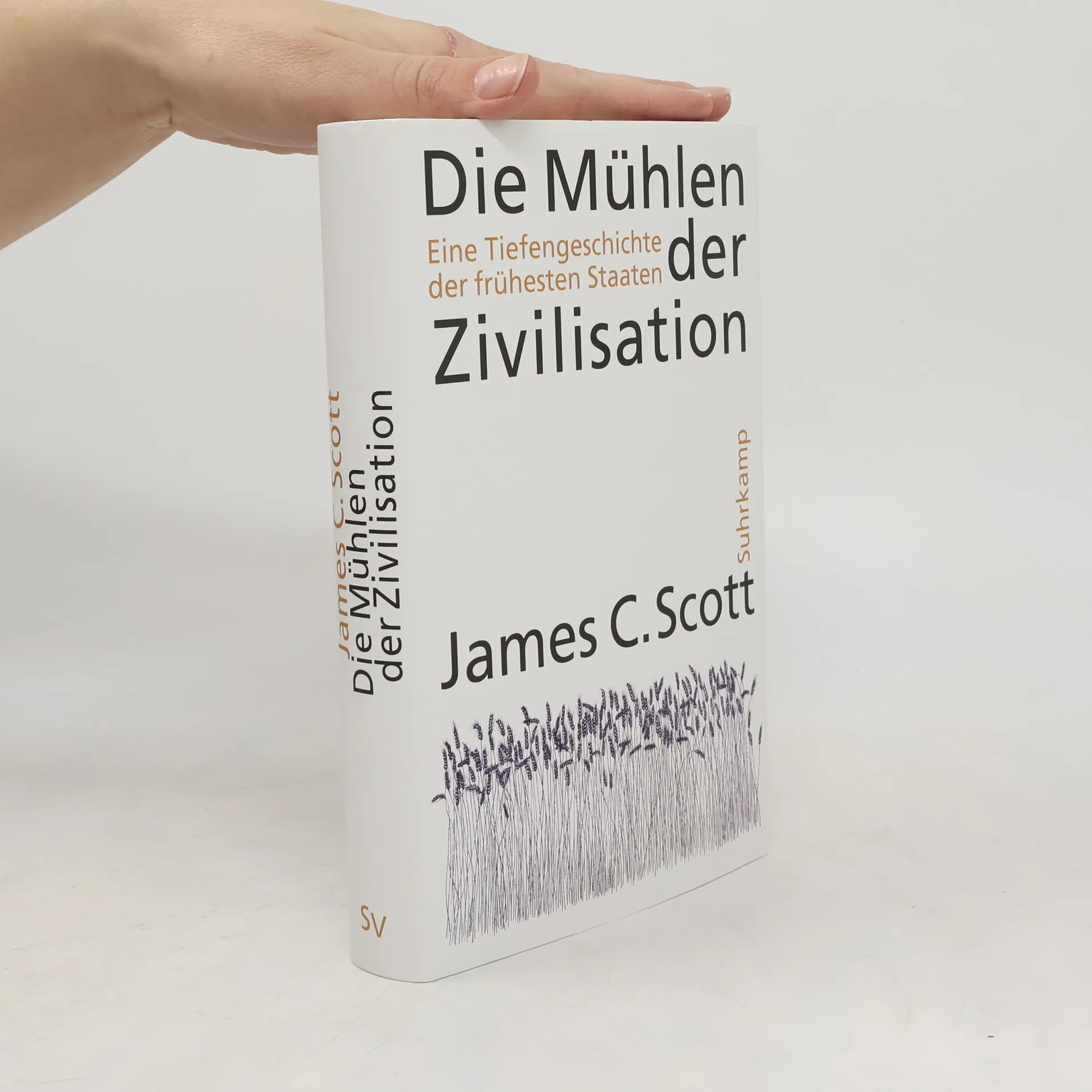
Uns modernen Menschen erscheint die Sesshaftigkeit so natürlich wie dem Fisch das Wasser. Wie selbstverständlich gehen wir und auch weite Teile der historischen Forschung davon aus, dass die neolithische Revolution, in deren Verlauf der Mensch seine nomadische Existenz aufgab und zum Ackerbauer und Viehzüchter wurde, ein bedeutender zivilisatorischer Fortschritt war, dessen Früchte wir noch heute genießen. James C. Scott erzählt in seinem provokanten Buch eine ganz andere Geschichte. Gestützt auf archäologische Befunde, entwickelt er die These, dass die ersten bäuerlichen Staaten aus der Kontrolle über die Reproduktion entstanden und ein hartes Regime der Domestizierung errichteten, nicht nur mit Blick auf Pflanzen und Tiere. Auch die Bürger samt ihren Sklaven und Frauen wurden der Herrschaft dieser frühesten Staaten unterworfen. Sie brachte Strapazen, Epidemien, Ungleichheiten und Kriege mit sich. Einzig die »Barbaren« haben sich gegen die Mühlen der Zivilisation gestemmt, sich der Sesshaftigkeit und den neuen Besteuerungssystemen verweigert und damit der Unterordnung unter eine staatliche Macht. Sie sind die heimlichen Helden dieses Buches, das unseren Blick auf die Menschheitsgeschichte verändert.
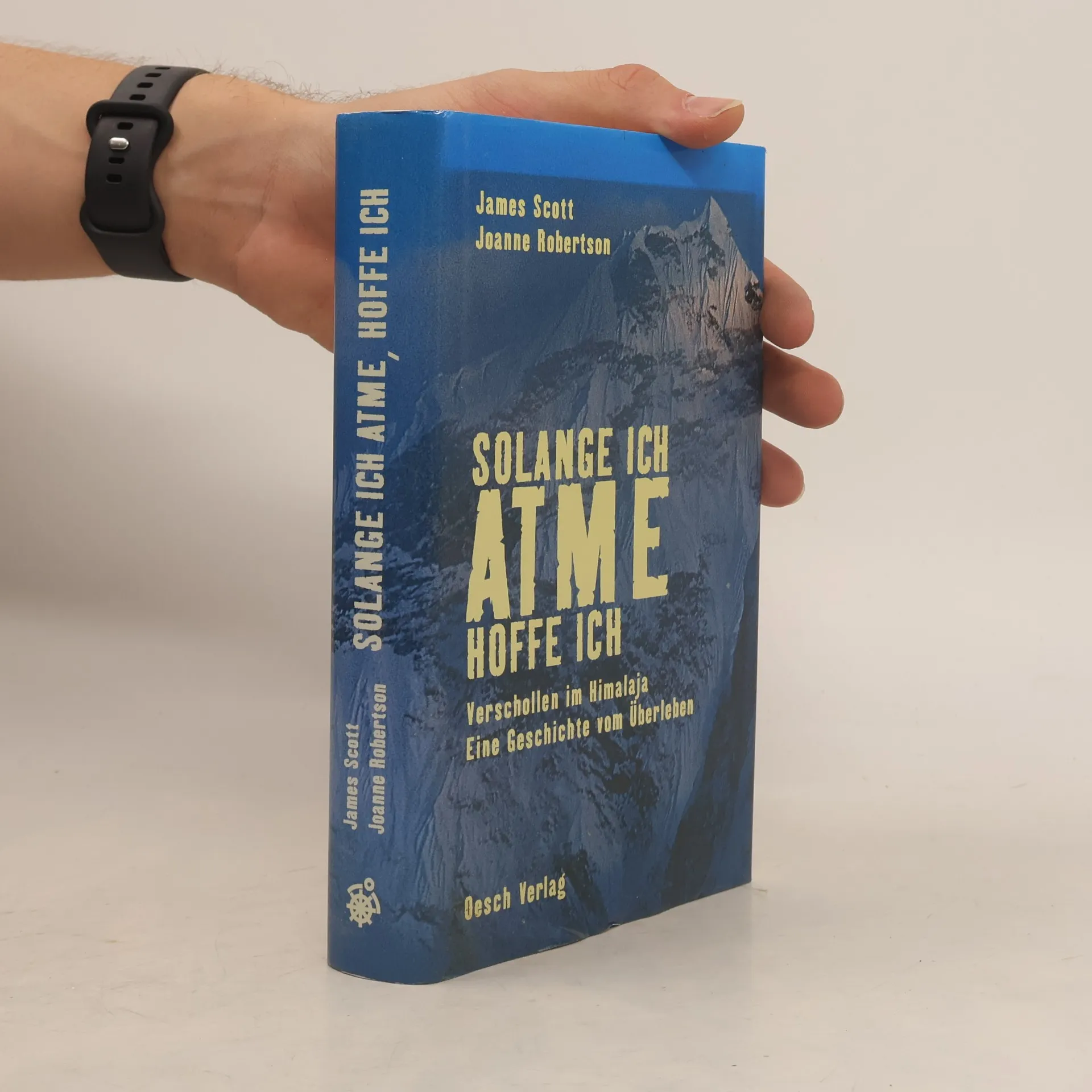
Im Himalaya-Winter, ohne Nahrung oder Schutz, wird nicht erwartet, dass ein Mensch länger als eine Woche überlebt. James Scott hielt 43 Tage durch. Er überlebte Kälte, Hunger, Isolation und Verzweiflung und klammerte sich an die schwindende Hoffnung, dass ein Suchteam ihn finden könnte oder dass er krabbeln könnte, wenn der Schnee schmolz. Er hätte niemals lebend aus den Bergen herauskommen sollen. Dies ist die unglaubliche Geschichte seines Überlebens, wie er seine Gedanken fokussierte, um die Hoffnung bis zu seiner Rettung aufrechtzuerhalten. Es ist auch die Geschichte eines anderen Kampfes, des Suchens, das von seiner Schwester, Joanne Robertson, am Leben gehalten wurde. Sie kämpfte gegen Unglauben und die Schwierigkeiten, mit Regierungsbeamten in einem fremden Land zu arbeiten, und weigerte sich, die Hoffnung aufzugeben, indem sie systematisch jede Möglichkeit ausschloss – lange nachdem jeder erwartet hatte, nicht mehr als James’ Leichnam zu finden. Verloren im Himalaya ist eine Geschichte über Hoffnung, Ausdauer, Überleben und den menschlichen Geist.
Kinder gibt es hier nicht mehr. Im Himmalaja verschollen. Der Schrei der Möwe. Elefanten - mein Leben
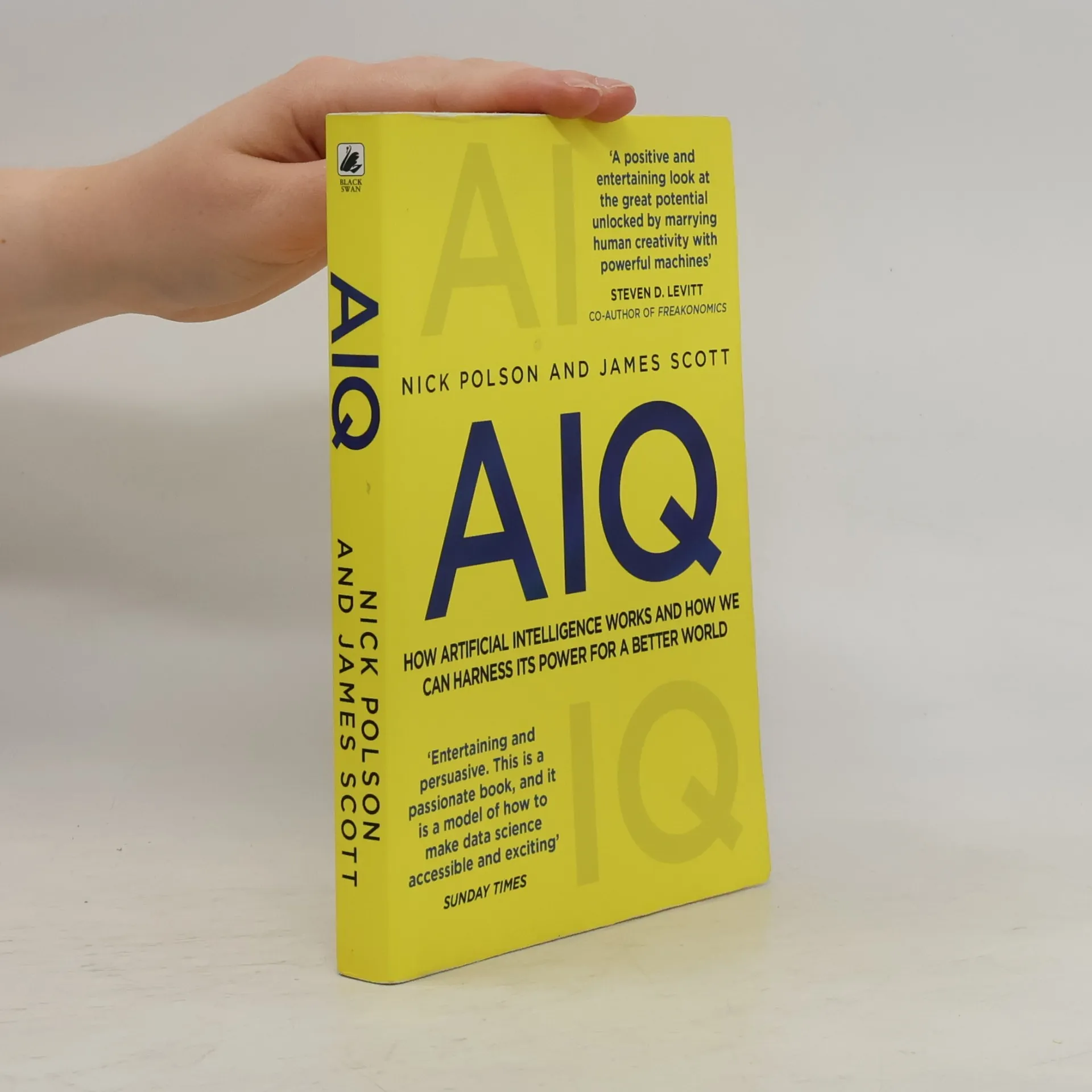
AIQ
How Artificial Intelligence Works and How We Can Harness Its Power for a Better World
- 272 Seiten
- 10 Lesestunden
These machines, from smart phones to talking robots to self-driving cars, are remaking the world in the twenty first century in the same way that the Industrial Revolution remade the world in the nineteenth.
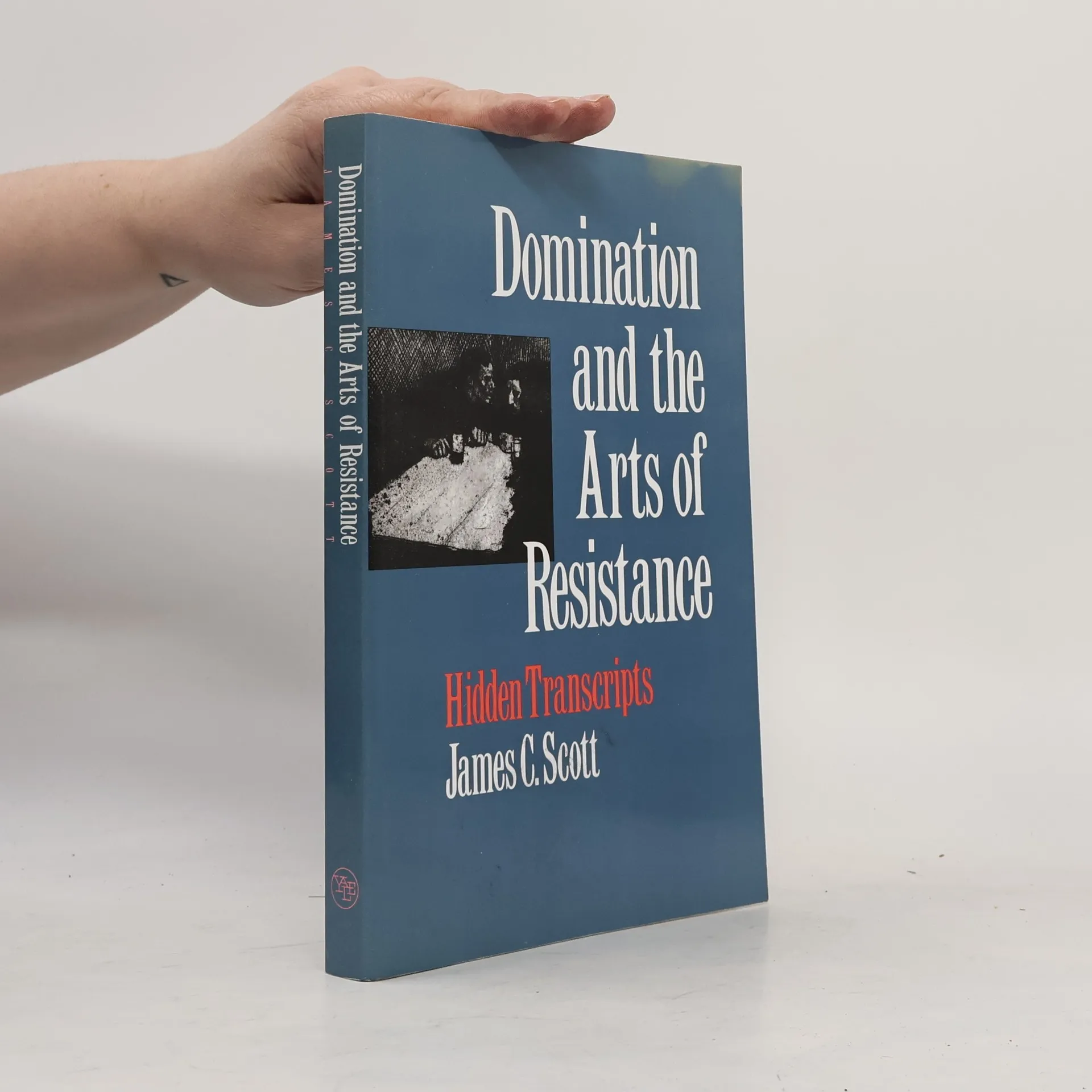
Domination and the Arts of Resistance
- 251 Seiten
- 9 Lesestunden
An examination and discussion of the public and the hidden discourses (transcripts) of those who wield power and of those who feign deference to it. Examples are drawn from literature, history and politics to illustrate the many guises the interaction of such discourses can take.
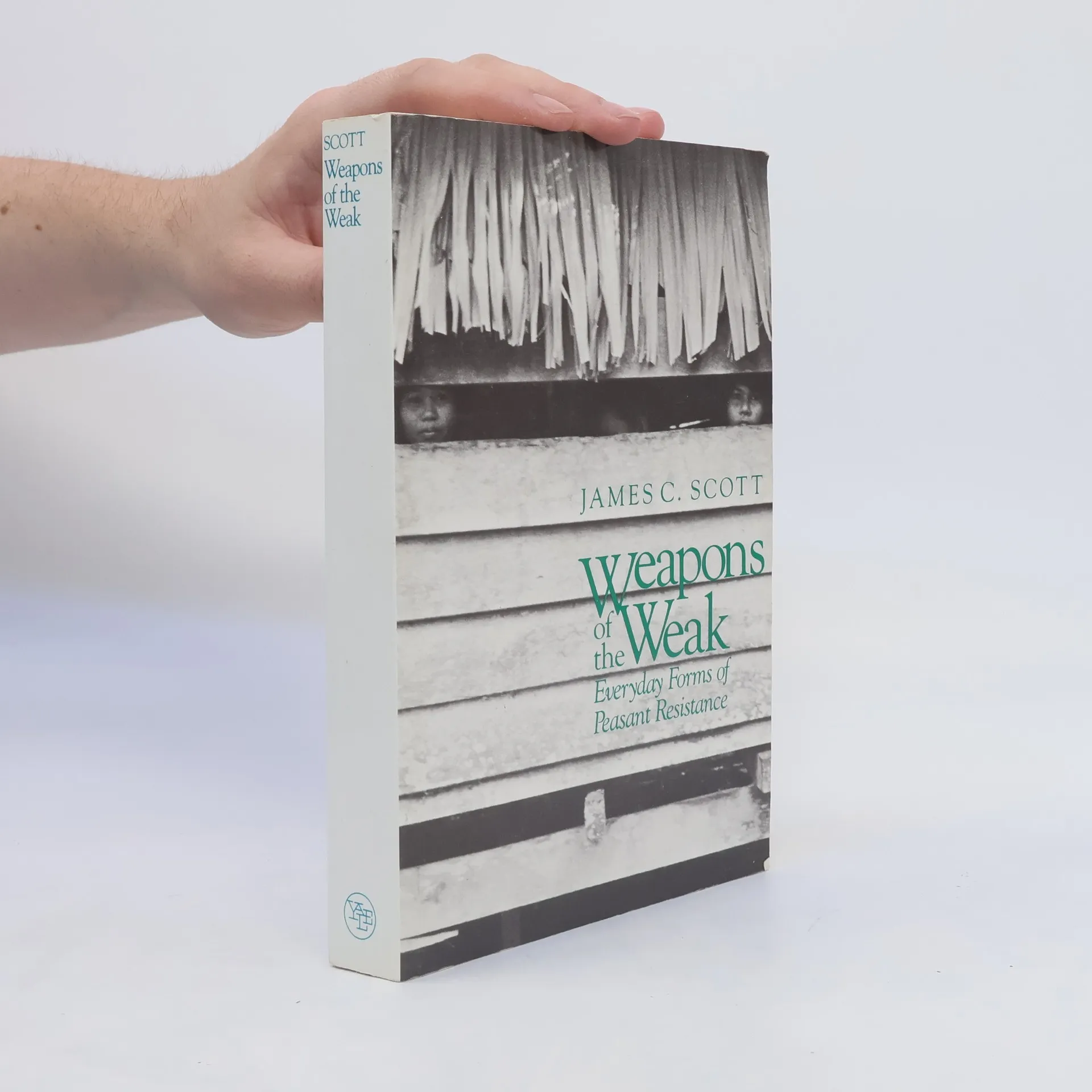
Weapons of the Weak
- 392 Seiten
- 14 Lesestunden
Weapons of the Weak is an ethnography by James C. Scott that studies the effects of the Green Revolution in rural Malaysia. One of the main objectives of the study is to make an argument that the Marxian and Gramscian ideas of false consciousness and hegemony are incorrect. He develops this conclusion throughout the book, through the different scenarios and characters that come up during his time of fieldwork in the village. This publication, based on 2 years of fieldwork (1978-1980), focuses on the local class relations in a small rice farming community of 70 households in the main paddy-growing area of Kedah in Malaysia. Introduction of the Green Revolution in 1976 eliminated 2/3 of the wage-earning opportunities for smallholders and landless laborers. The main ensuing class struggle is analyzed being the ideological struggle in the village and the practice of resistance itself consisting of: foot-dragging, dissimulation, desertion, false compliance, pilfering, feigned ignorance and sabotage acts. Rich and poor are engaged in an unremitting if silent struggle to define changes in land tenure, mechanization and employment to advance their own interests, and to use values that they share to control the distribution of status, land, work and grain.
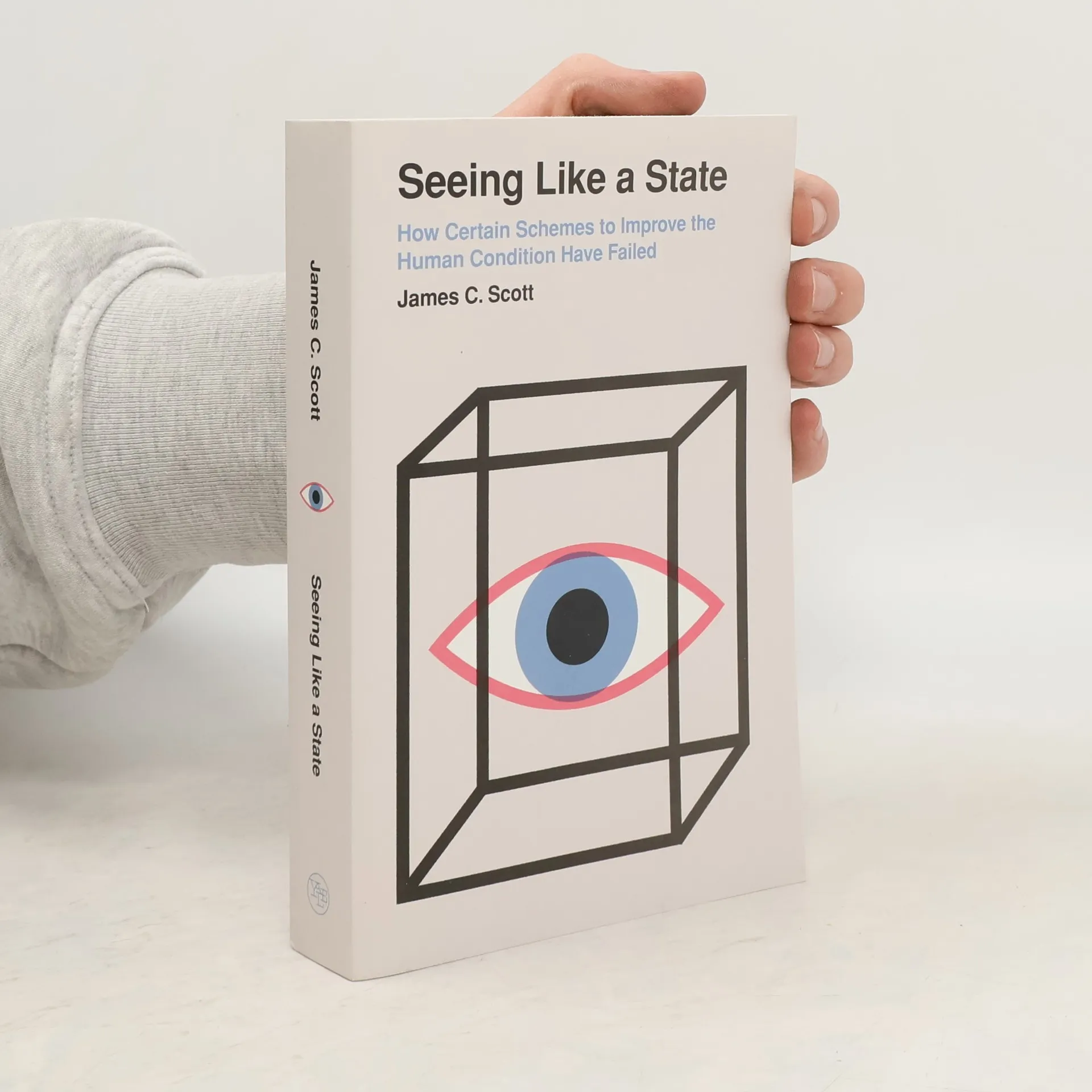
Seeing like a state
- 464 Seiten
- 17 Lesestunden
"One of the most profound and illuminating studies of this century to have been published in recent decades."--John Gray, New York Times Book Review Hailed as "a magisterial critique of top-down social planning" by the New York Times, this essential work analyzes disasters from Russia to Tanzania to uncover why states so often fail--sometimes catastrophically--in grand efforts to engineer their society or their environment, and uncovers the conditions common to all such planning disasters. "Beautifully written, this book calls into sharp relief the nature of the world we now inhabit."--New Yorker "A tour de force."-- Charles Tilly, Columbia University
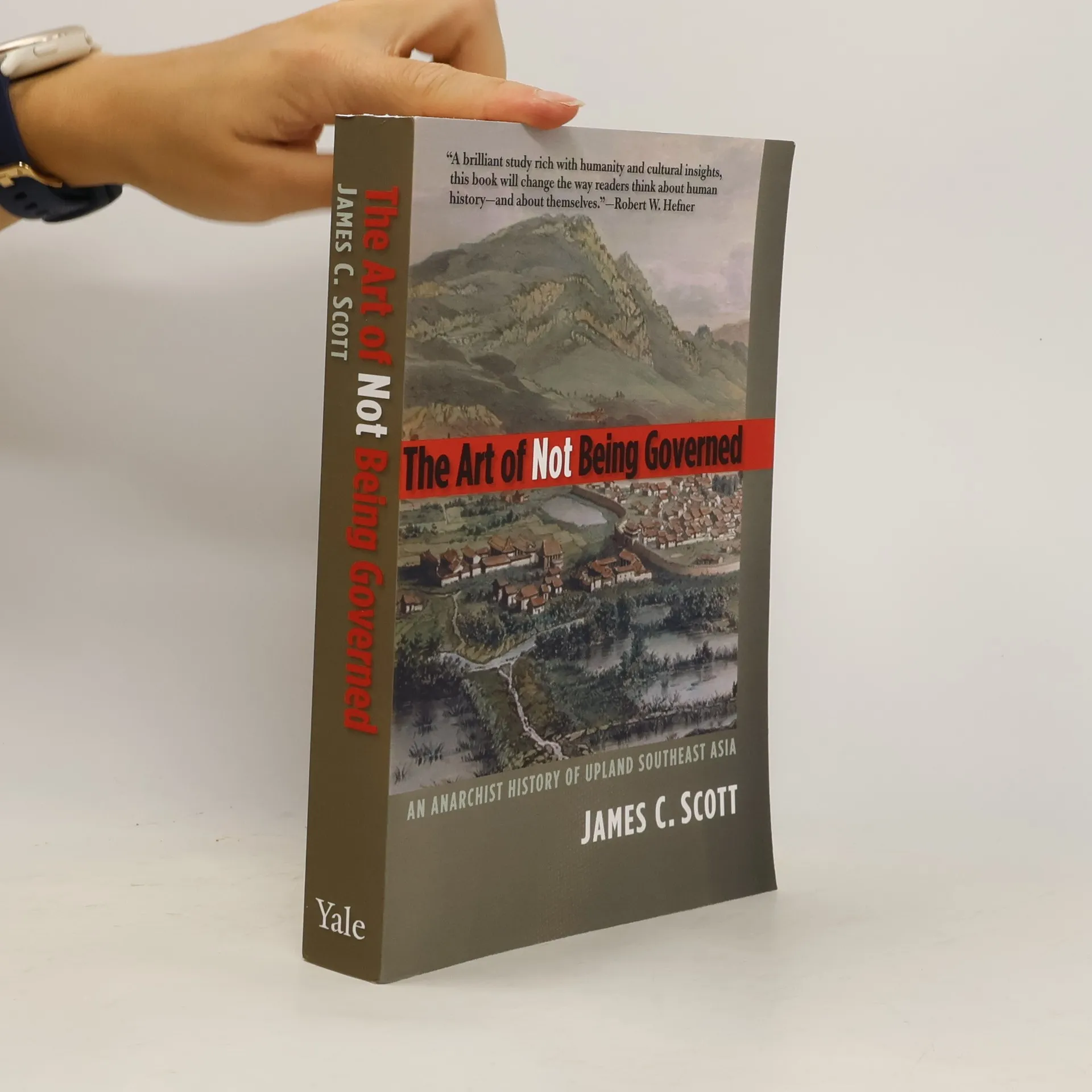
The Art of Not Being Governed : An Anarchist History of Upland Southeast Asia
- 442 Seiten
- 16 Lesestunden
Offering a completely new perspective on the anthropology of the highlands of Southeast Asia, James Scott proposes that far from being remnant populations, the peoples who inhabit the mountain chain between Vietnam and India are the descendants of runaways from lowland state-mking initiatives.
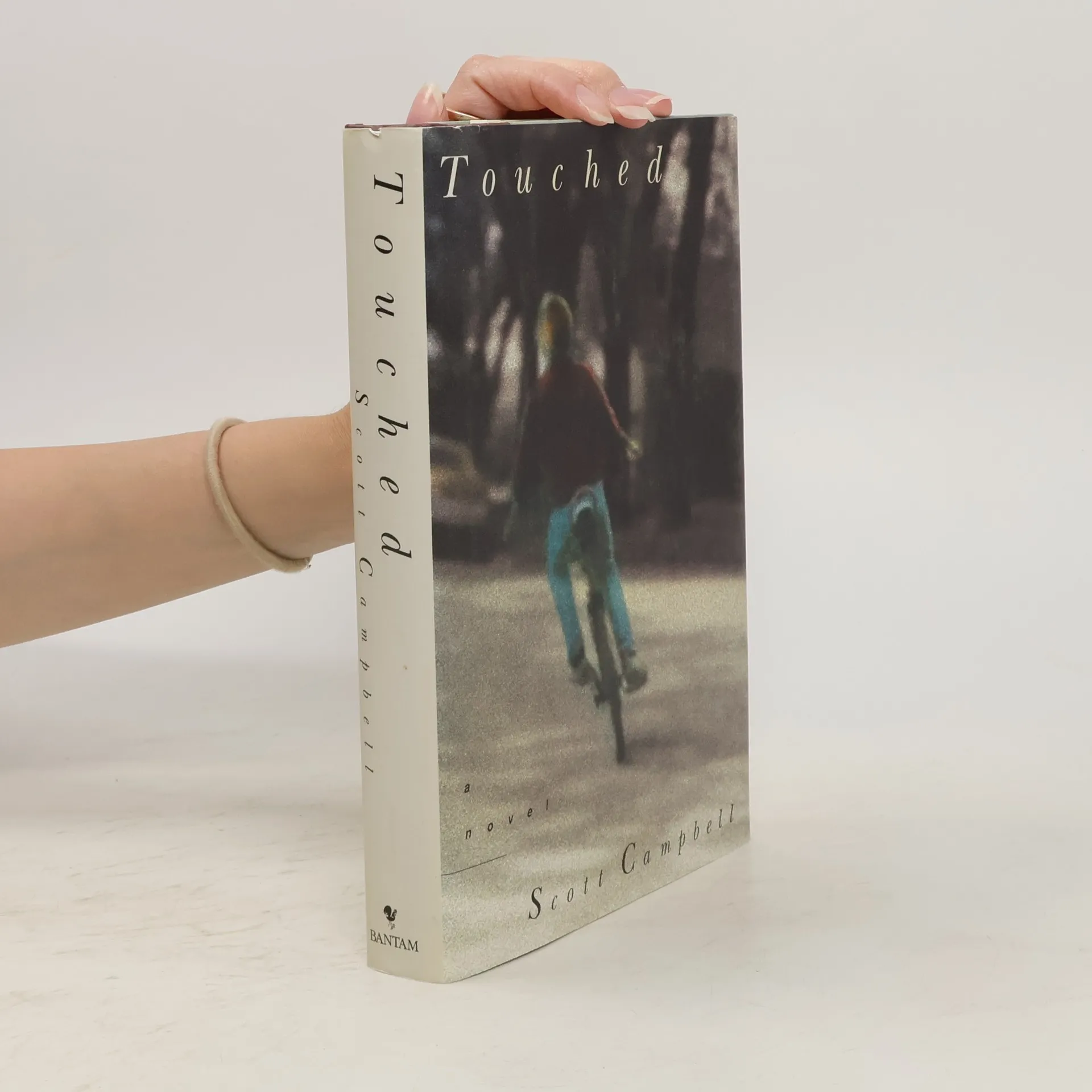
Touched
- 313 Seiten
- 11 Lesestunden
When twelve-year-old Robbie Young comes home and tells his mother "Jerry Houseman's been touching me" the lives of both families fly out of control. Scott Campbell's first novel is a sometime shocking but always the insightful and moving story of a sexual relationship between a young boy and an older man. Told from the points of view of the man, his wife, the boy and his mother, Touched is never sensationalistic or sentimental. Campbell knows how to tell a story, and his innate empathy with all of his characters shines through on every page. Touched might disturb the reader, not because of its subject matter, but because Campbell understands the human heart and its desires all too well.
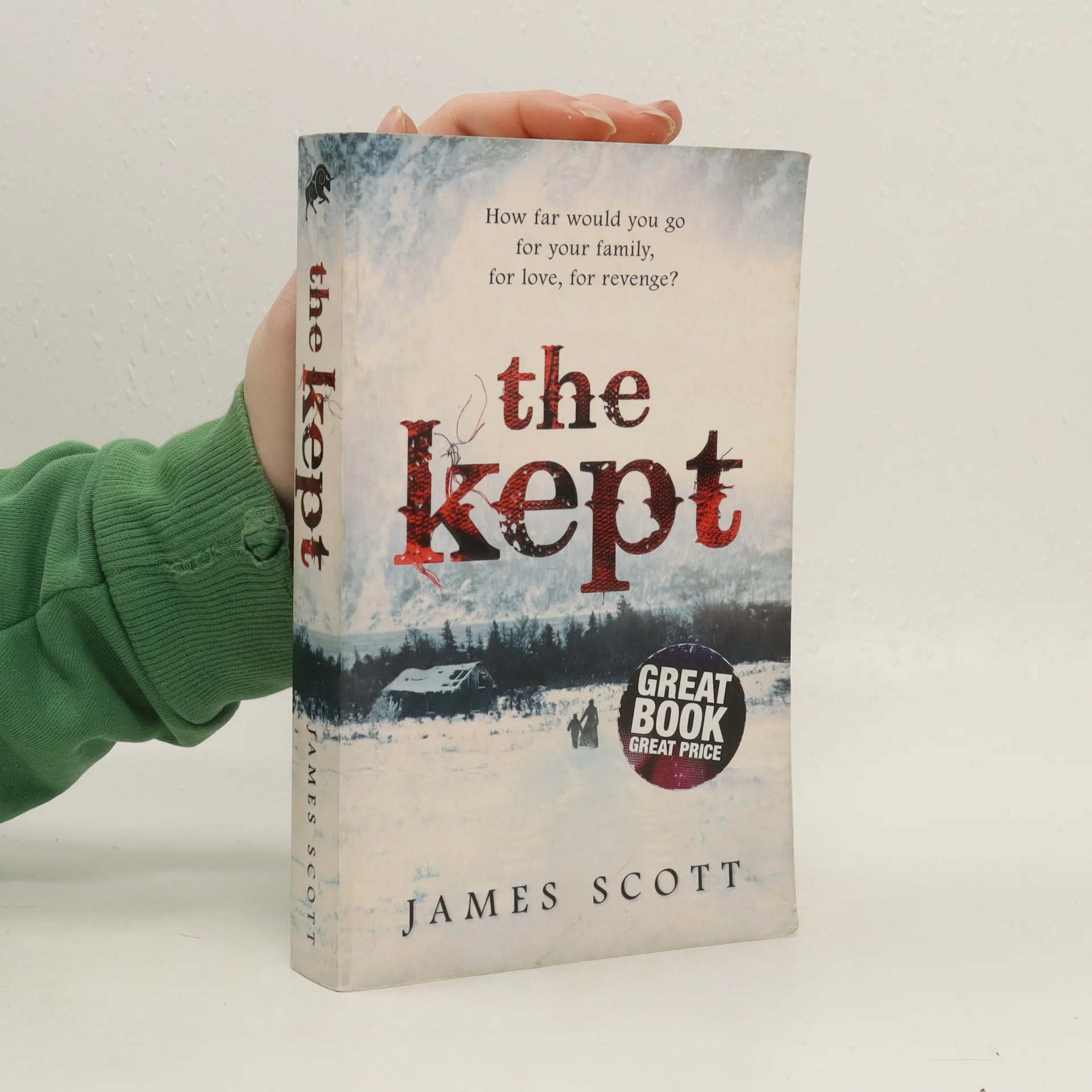
"'Scott is a master of mood' New York Times Book Review b> b>How far would you go for your family, for love, for revenge? In the winter of 1897, a trio of killers descends upon an isolated farm in upstate New York. b> lspeth Howell returns home to find her family brutally murdered. The only survivor is her twelve-year-old son who witnessed it all. Wounded, frightened and with retribution in their hearts, mother and son set out into the frozen wilderness to track down the red-scarfed men who killed their loved ones in cold blood. Their journey leads them to a rough-hewn settlement on the edge of ice-filled Lake Erie, a merciless place where violence abounds. Here, forced into a brutal adulthood, Caleb begins to discover truths about his mother he could never have anticipated and Elspeth must finally confront the terrible urges that envelop her. All the while, the memory of Caleb's brothers and sisters presses him onwards. Big skies, deep snow, open wounds: The Kept delves deep into what it means to be a mother and to be a son. It asks us how far we would go for our family, for love and, ultimately, for revenge?"
Grandpa & Grandma: "Without Them There Would Be No Us"
- 108 Seiten
- 4 Lesestunden
The narrative follows a young couple in a small Mississippi town as they establish their family, which flourishes and expands across the country. It captures the essence of the Page-Paige family's legacy, emphasizing the importance of heritage and identity. The story is crafted to connect future generations with their roots, ensuring that they understand their origins and the journey of their ancestors.
Ztracen v Himaláji
- 240 Seiten
- 9 Lesestunden
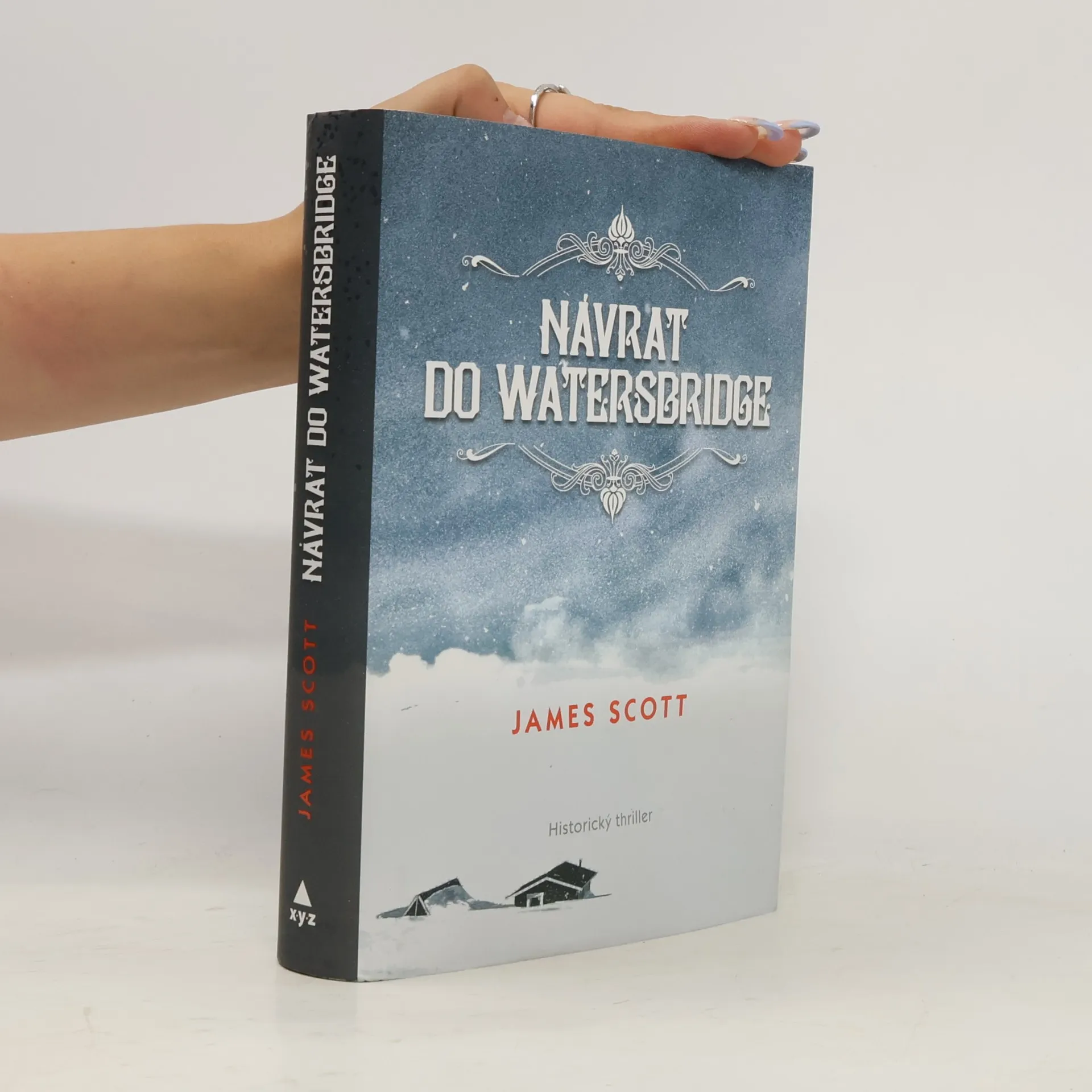
Návrat do Watersbridge
- 352 Seiten
- 13 Lesestunden
V zimě roku 1897 se porodní bába Elspeth Howellová vrací domů na odlehlou farmu. Místo přivítání však nachází brutálně zavražděného manžela a své čtyři děti. Jediným přeživším je dvanáctiletý Caleb, který kromě rodné farmy nic jiného nezná. Matka a syn se rozhodnou rodinu pomstít a vydají se zamrzlou divočinou po stopách vrahů do městečka u jezera Erie. Zatímco Caleb odhaluje děsivou pravdu o své rodině, Elspeth musí čelit dávným tajemstvím.
Książki wybrane. Kremlowska zabawka / W siódmym niebie / "P" jak pętla / Zaginiony w Himalajach
- 573 Seiten
- 21 Lesestunden