


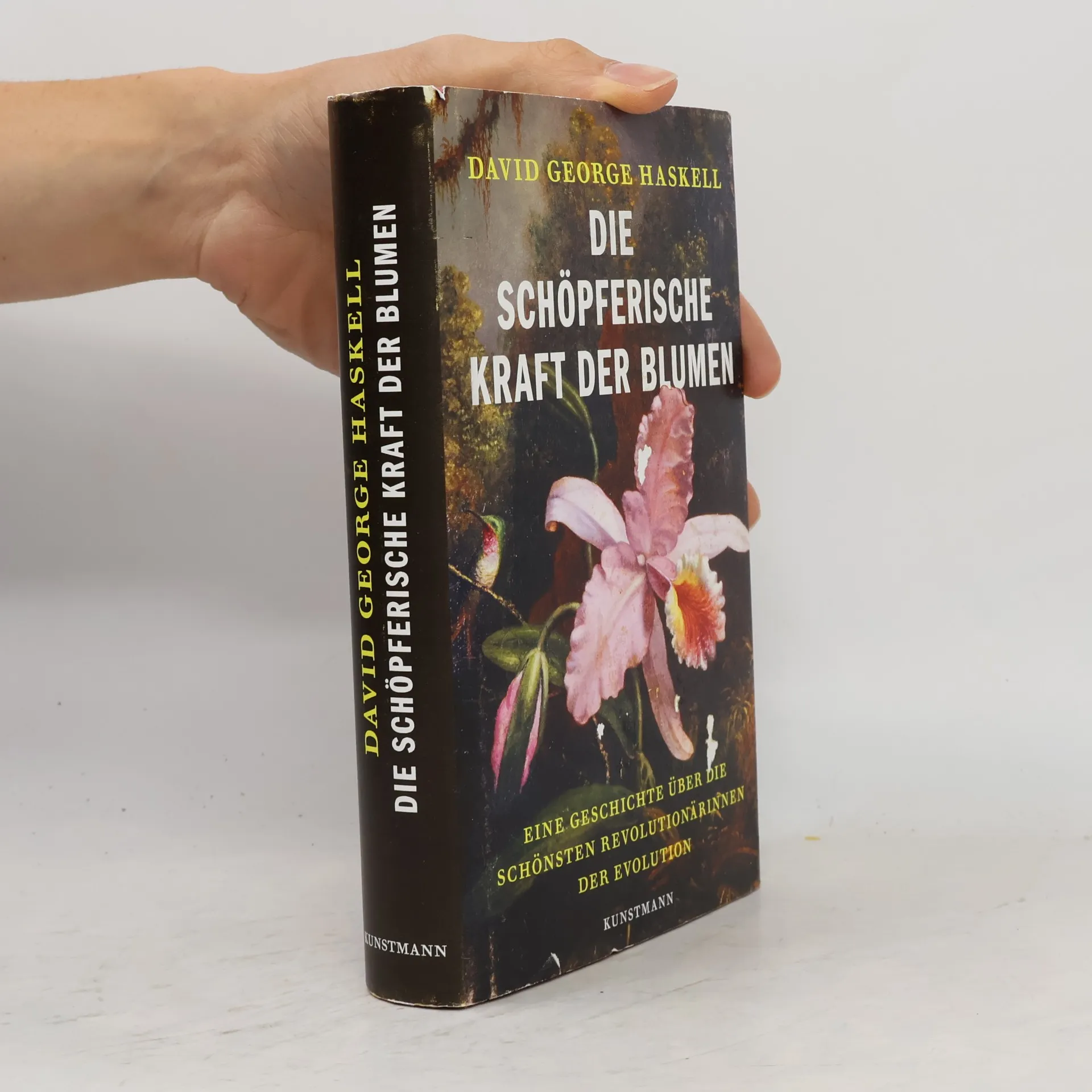

So wurde Natur noch nie gesehen. Die Welt in einer Nussschale: Über ein Jahr hat der Biologe David Haskell einen Quadratmeter altgewachsenen Wald bis ins Detail studiert. Ausgerüstet mit Objektiv, Lupe und Notizbuch, Zeit und Geduld, richtet er seinen Blick auf das Allerkleinste: Flechten und Moose, Tierspuren oder einen vorbeihuschenden Salamander, Eiskristalle oder die ersten Frühlingsblüten. Und entfaltet mit dem Wissen des Naturforschers und der Beschreibungskunst eines Dichters ein umfassendes Panorama des feingewobenen Zusammenlebens in einem jahrhundertealten Ökosystem. Eine Grand Tour zwischen Wissenschaft und Poesie, die die Natur in ihrer ganzen Komplexität und Schönheit erfahrbar macht. Ausstattung: Fotos
David George Haskell Bücher
David George Haskell ist ein britisch-amerikanischer Biologe und Autor. Seine Arbeit erforscht die Schnittstelle von Wissenschaft und Spiritualität und untersucht, wie wir Sinn und Schönheit in der natürlichen Welt finden können. Haskell schreibt mit tiefem Verständnis für Ökosysteme und einer poetischen Sensibilität, die die Leser einlädt, die verborgenen Wunder des Lebens zu schätzen. Mit seinen Schriften zielt er darauf ab, ein größeres Bewusstsein für die Natur zu fördern und unsere Verbindung zum Planeten zu vertiefen.


Der Gesang der Bäume
- 320 Seiten
- 12 Lesestunden
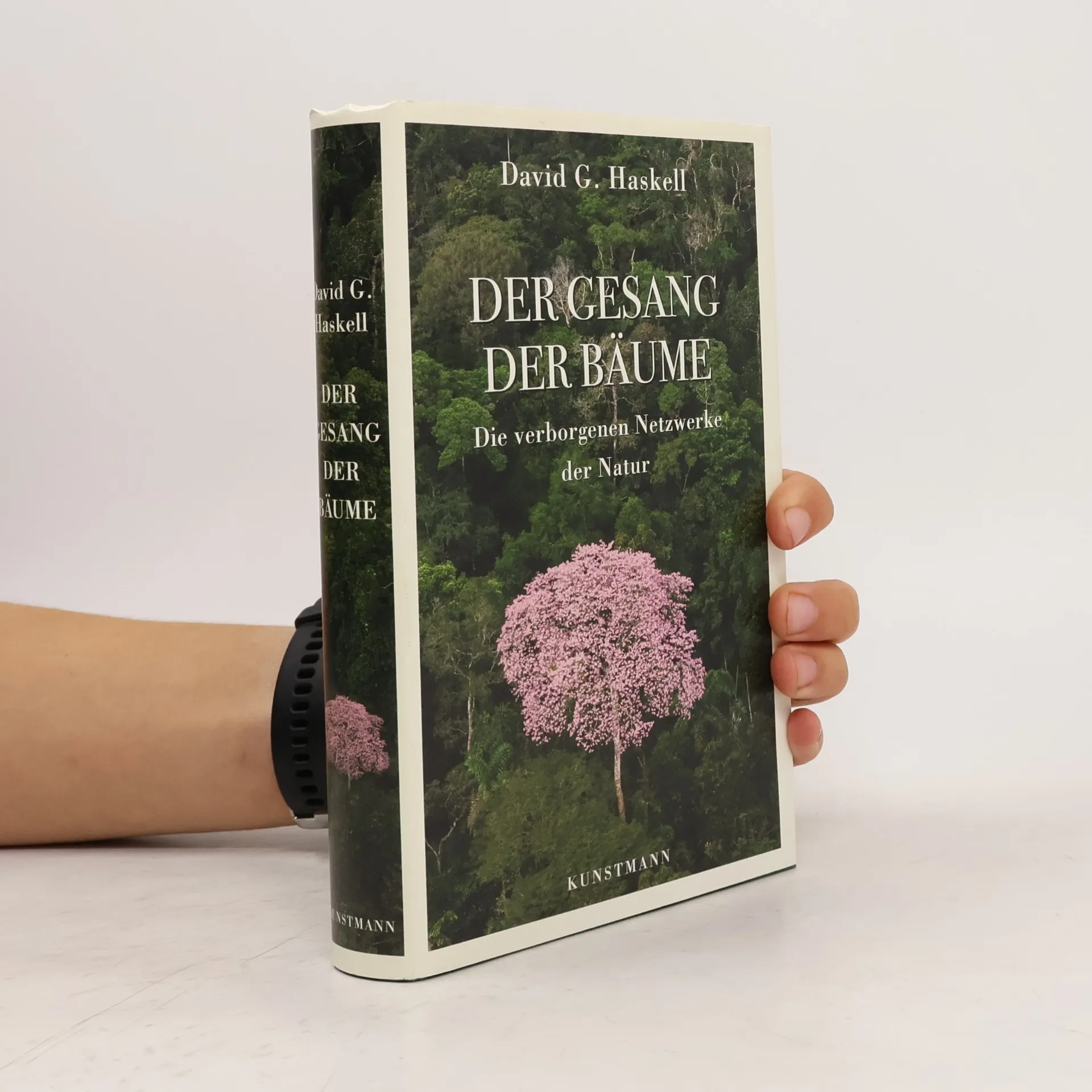
Der Gesang der Bäume, ihr lebendiges Gedächtnis, erzählt von einer Lebensgemeinschaft, einem Beziehungsnetzwerk. Als Menschen sind wir Teil der Gemeinschaft und der Erzählung. David G. Haskell hat ein Dutzend Bäume in verschiedenen Weltgegenden und ihre Verbindungen mit Pilzen, Bakterien, Tieren und anderen Pflanzen erforscht. Ein Kapokbaum im Amazonasgebiet macht das reiche Ökosystem in einem tropischen Urwald, aber auch die Gefahren, die von nahe gelegenen Ölfeldern ausgehen, sichtbar. Tausende von Kilometern davon entfernt, in Kanada, überleben die Wurzeln einer Balsamtanne in kargem Boden nur in Partnerschaft mit Pilzen. An fossiler Holzkohle, die von Eiszeitmenschen hinterlassen wurde, und versteinerten Redwoods in den Rocky Mountains zeigt Haskell, wie sich das Klima durch das Netzwerk der Bäume, der Bodenorganismen und der Atmosphäre entwickelt hat. Haskell erforscht aber auch Bäume in von Menschen dominierten Räumen – einen Pfirsichbaum in Manhattan, einen Olivenbaum in Jerusalem, einen Bonsai in Japan – und macht klar, dass kein Geschöpf ohne die wilden biologischen Verflechtungen leben kann. Diese vernetzte Sicht auf das Leben bereichert unser Verständnis von Biologie, menschlicher Natur und Ethik. Wenn wir Bäumen, den großen Netzwerkern der Natur, zuhören, lernen wir, wie wir Beziehungen leben können, die dem Leben Substanz und Schönheit verleihen.
Thirteen Ways to Smell a Tree
- 192 Seiten
- 7 Lesestunden
Eclectic, brilliant, and beautifully written, this book reboots our aromatic memory, highlighting our connection to trees. It offers a transportive olfactory journey through the forest, with each chapter summoning a new aroma: leaf litter, woodsmoke, pine resin, and more. The author serves as a knowledgeable and witty companion, guiding readers to breathe in the world around them. The narrative connects deeply with trees through scents tied to emotions and memories. Thirteen essays explore evocative aromas, from the smell of freshly printed pages to the calming scent of Linden blossom, and even the ingredients of a perfect gin & tonic. Imagine holding a highball glass beaded with cool moisture, inhaling the herbal odour of European juniper berries, and tasting the convergence of three continents with each sip. Each essay invites readers to engage in practices, such as taking a tree inventory of their surroundings to appreciate the many ways trees enrich our lives. For those who’ve ever hugged a tree in secret, the book encourages you to breathe in the scents of nearby trees, from the refreshing aroma of eucalyptus leaves to the earthy smell of pine after rain. This work is a celebration of nature's complexity and an invitation to reconnect with the world.
The Songs of Trees
- 304 Seiten
- 11 Lesestunden
In this compelling exploration, Haskell champions an 'ecological aesthetics' that highlights the beauty of connectivity, portraying trees as 'nature's great connectors' and symbols of life's relational essence. Through ten graceful studies of various tree species, he reveals the profound relationship humans share with trees, presenting a vibrant tapestry of nature. Haskell's lyrical prose evokes a spiritual reverence for trees, reminiscent of Rachel Carson's pioneering work in poetic science writing. This book serves as both a love song to trees and a philosophical analysis of their significance in human history and culture. Haskell meticulously documents the fate of twelve trees across the globe, creating a journey into biotic community. His intention is to explore interconnection in nature and how humans can contribute to more intelligent, resilient networks of life. The narrative unveils fascinating arboreal secrets, showcasing Haskell's scientific knowledge and literary prowess. Readers are invited to appreciate the impact of a single tree while reflecting on the interconnectedness of all things. Ultimately, this work is a powerful reminder of humanity's role in severing biological networks and a call to reconnect with nature's wisdom. Haskell's writing is both lyrical and informative, nourishing the spirit and encouraging deeper understanding of our place in the world.
This work delves into how the evolution of natural and manmade sounds has shaped our world and highlights the current threats to its acoustic diversity. Our planet is enveloped in a rich tapestry of song and speech, yet this diversity faces unprecedented danger. The author, combining his insights as a listener and ecologist with recent scientific findings, investigates the acoustic marvels of Earth. He traces the origins of animal song and the historical journey of sound, celebrating the creative processes behind our diverse auditory landscape. Sounds are not only products of vibrant ecosystems but also catalysts for them, influenced by animal behavior, environmental shifts, and cultural changes. Currently, four interconnected sensory crises are diminishing our sonic environment: deforestation is erasing complex soundscapes; ocean noise pollution is harming acoustically sensitive marine life; urban noise is exacerbating social inequities; and a disconnection from the Earth's living voices diminishes our sense of joy and ethical responsibility. As wild sounds fade and human noise prevails, the world risks becoming less dynamic and creative. This narrative invites readers to listen, reflect, connect, and take action to preserve our acoustic heritage.