
Gratis Versand in ganz Österreich
Bookbot

R. F. C. Hull

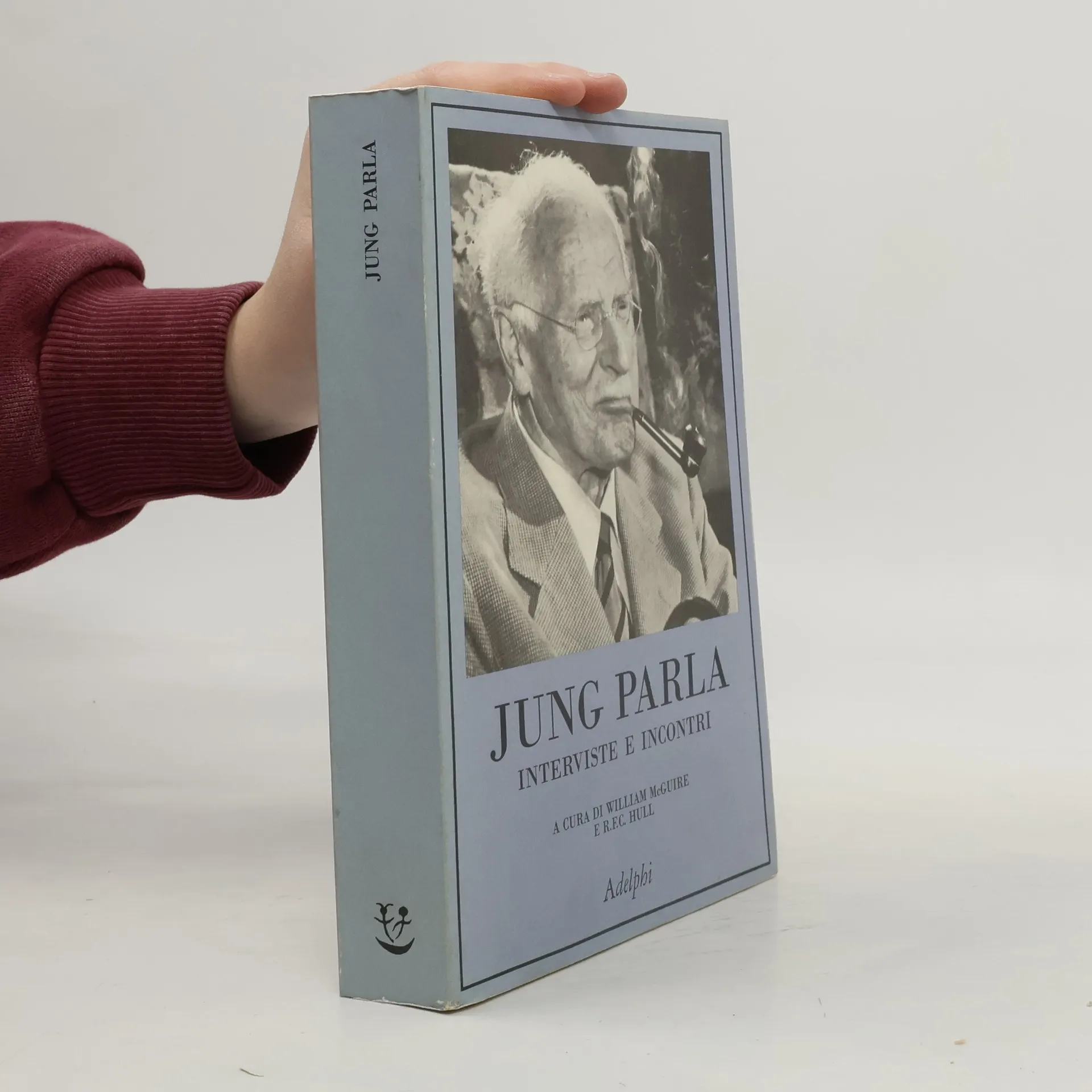
    Rozhovory s C.G. Jungem
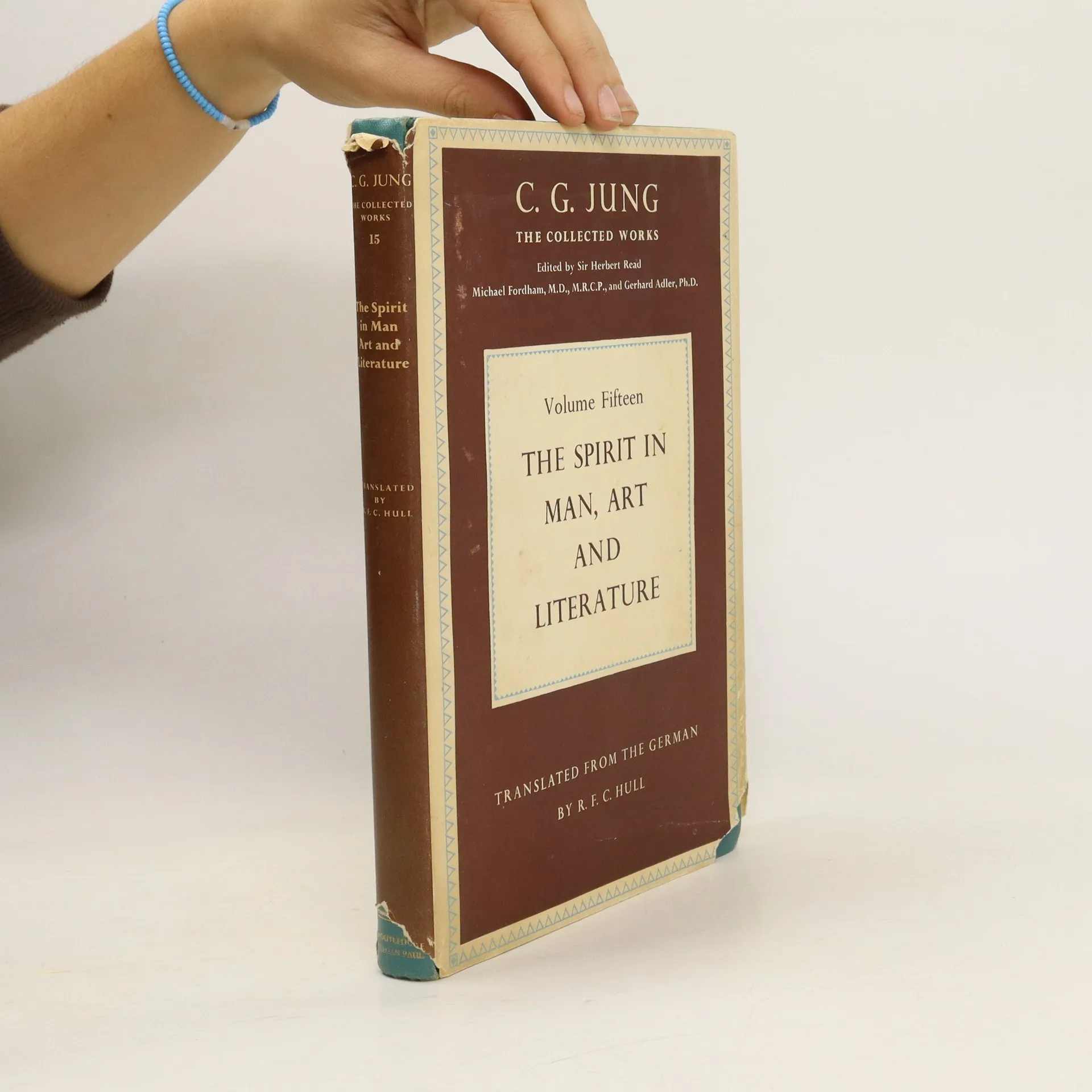
    The Spirit in Man, Art ans Literature
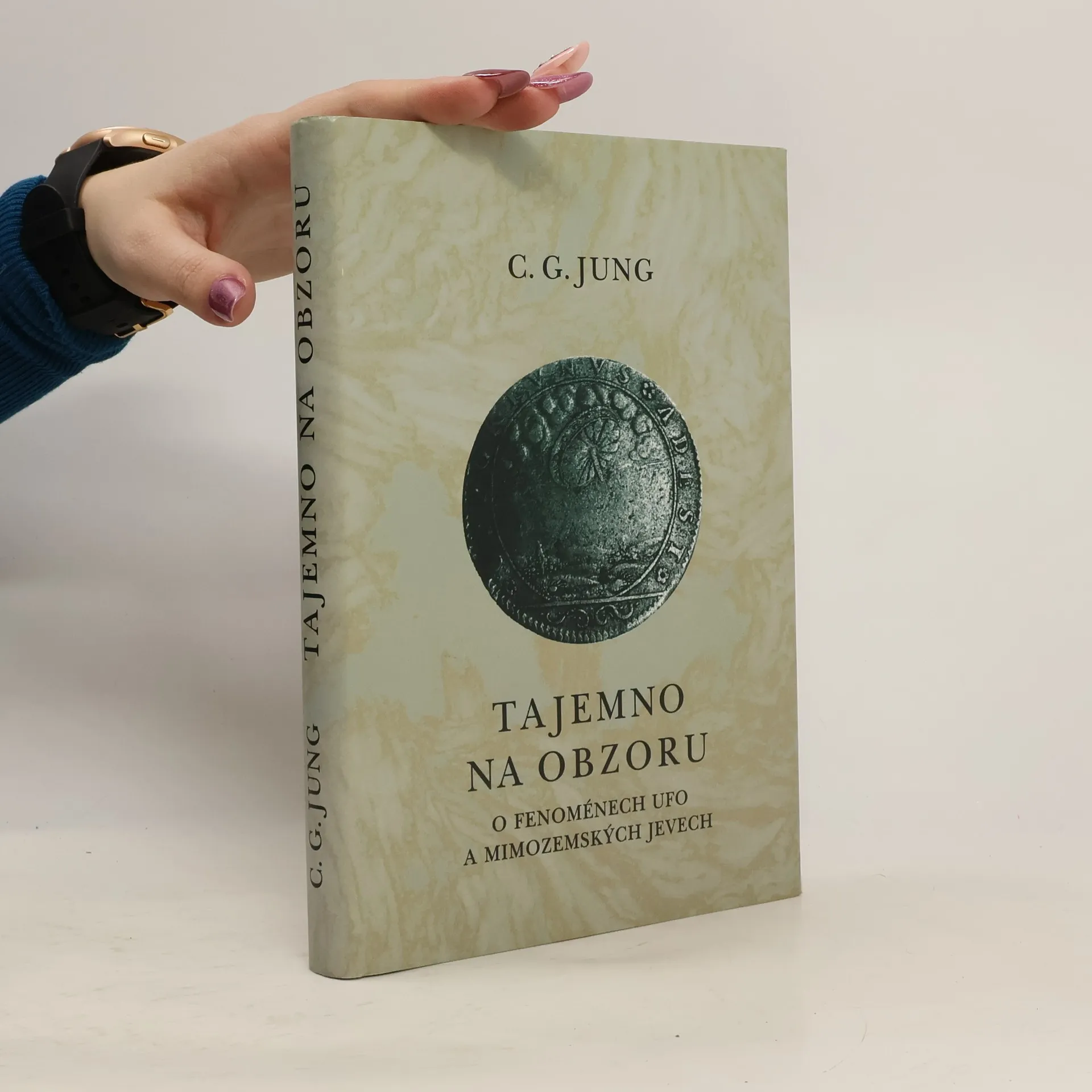
    Flying Saucers
    The Undiscovered Self
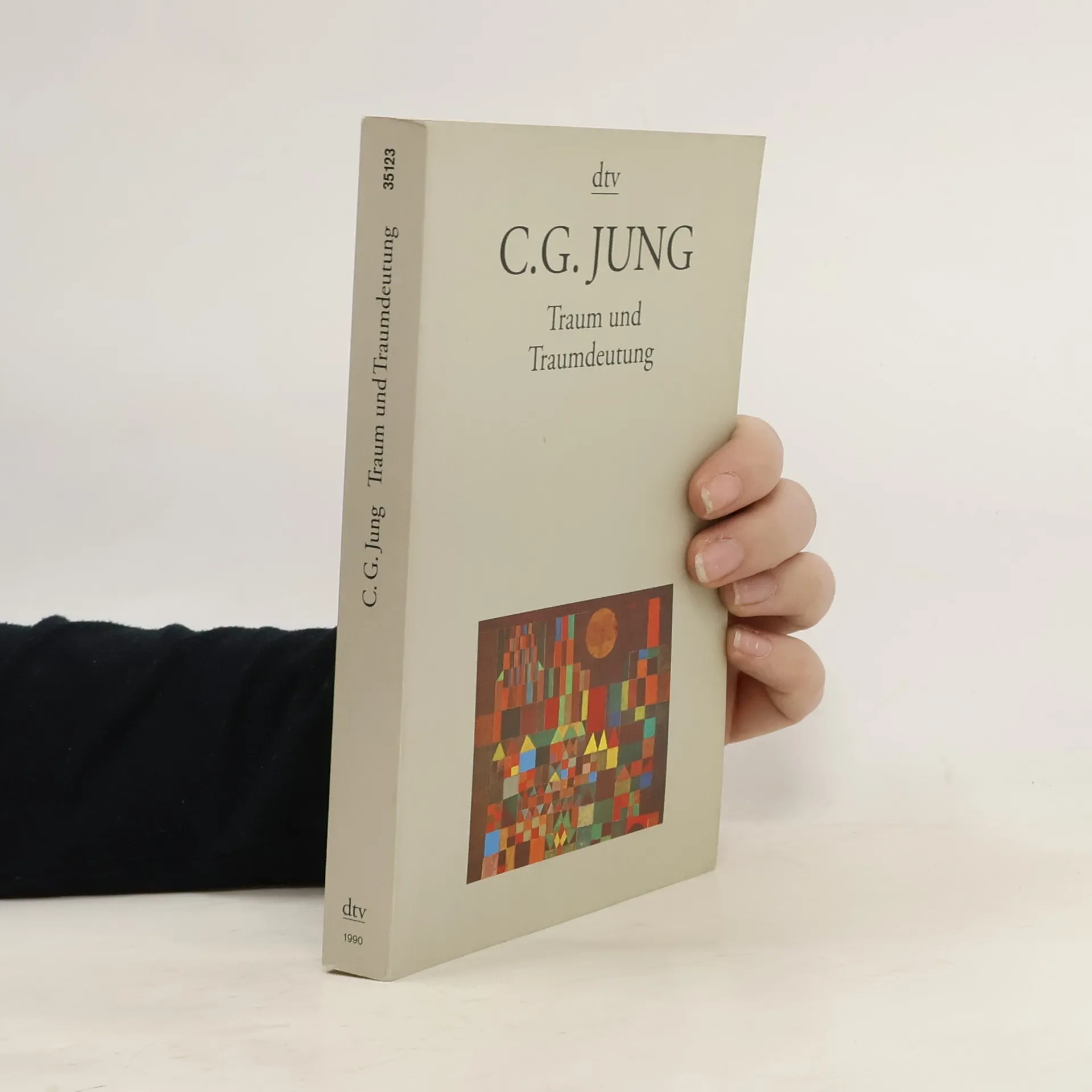
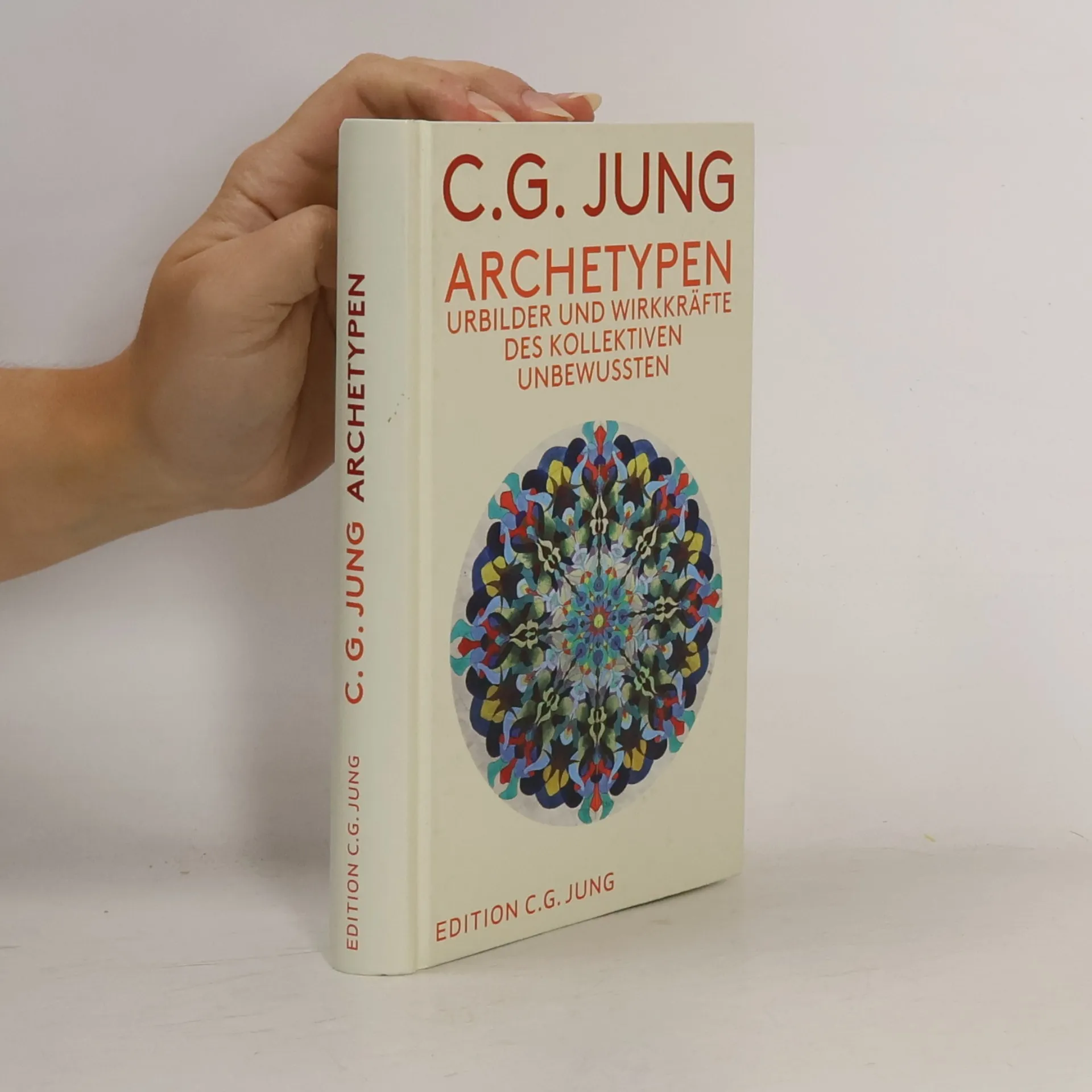
    Die Archetypen und das kollektive Unbewusste
    • Zu den Theorien C. G. Jungs, die am bekanntesten geworden sind, gehört die Vorstellung von Archetypen und ihr Korrelat, der Begriff des kollektiven Unbewußten. Für Jung ist das kollektive Unbewußte ein zweites psychisches System im Menschen. Im Unterschied zur persönlichen Natur unseres Bewußtseins hat es kollektiven, nicht persönlichen Charakter. Jung nennt es auch eine 'allgemeine seelische Grundlage überpersönlicher Natur', die nicht erworben, sondern geerbt wird. Es besteht aus.präexistenten Formen, Archetypen, die erst sekundär bewußt werden. Der vorliegende Band enthält Arbeiten aus den Jahren 1933-55. Die ersten drei Aufsätze bringen theoretische Grundlegungen. Es folgen Publikationen, die spezifische Archetypen beschreiben, eine Untersuchung über die Beziehung der Archetypen zum Individuationsprozeß sowie Arbeiten mit Material aus der psychotherapeutischen Praxis des Verfassers.

      Die Archetypen und das kollektive Unbewusste
    • The Undiscovered Self

      • 128 Seiten
      • 5 Lesestunden
      4,3(262)Abgeben

      Eminent psychoanalyst presents an essay on the predicament of modern man.

      The Undiscovered Self
    • Flying Saucers

      A Modern Myth of Things Seen in the Skies

      • 138 Seiten
      • 5 Lesestunden
      3,8(438)Abgeben

      While Jung is known mainly for his theories on the nature of the unconscious mind, he did have an interest in the paranormal. In this essay, Jung applies his analytical skills to the UFO phenomenon. Rather than assuming that the modern prevalence of UFO sightings are due to extraterrestrial craft, Jung reserves judgment on their origin and connects UFOs with archetypal imagery, concluding that they have become a "living myth." This essay is intriguing in its methodology and implications as to the nature of UFOs and their relation to the human psyche.

      Flying Saucers
    • Rozhovory z let 1933–1961 jedinečným způsobem zachycují vývoj osobnosti C. G. Junga a jeho ducha. Soubor tvoří zhruba 20 interview pro noviny, časopisy, rozhlas i televizi. Obsažen je i rozhovor s Johnem Freemanem pro televizní stanici BBC, jenž proslul tím, že se v něm Jung svou slavnou větou „Nemusím věřit, ale vím“ vyjadřuje k víře v Boha. Jung v rozhovorech např. popisuje svůj vztah s Freudem a postoj ke klasické psychoanalýze, vyjadřuje názory na válečnou a poválečnou dobu (včetně odkazů na Československo), na německou mentalitu, odpovídá na obvinění, že kolaboroval s nacismem, vysvětluje základní alchymické koncepty, pojem archetypu či téma osobnostní typologie, zmiňuje se o své rodině. Rozhovory umožňují nahlédnout do způsobu, jakým Jung komunikoval, a odhalují informace, které se jinak v jeho knihách či statích hledají jen těžko.

      Rozhovory s C.G. Jungem