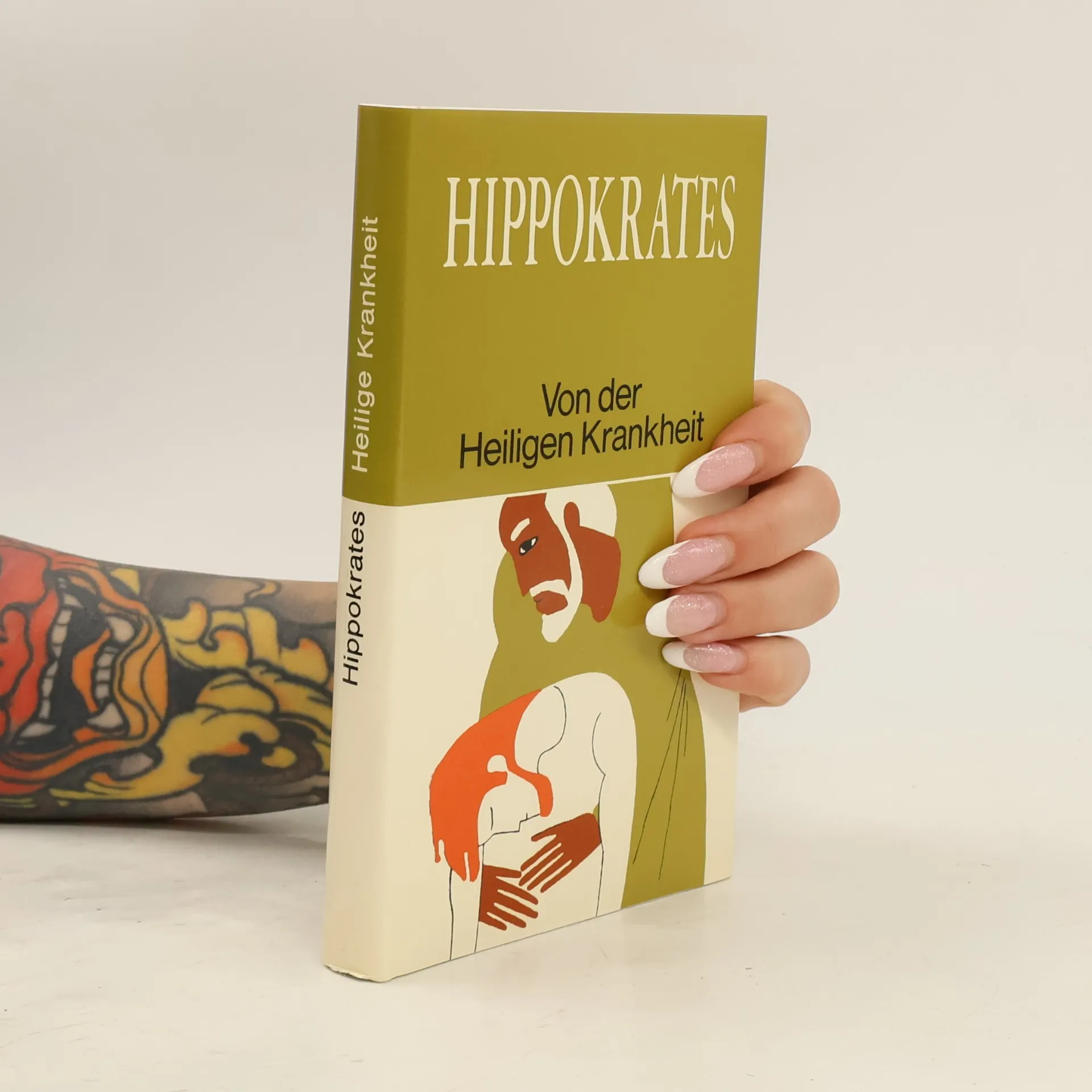
Was kann die Medizin? Und wo liegen ihre Grenzen? Wie soll der Arzt am Krankenbett auftreten? Warum und für wen ist die Prognose so wichtig? Welche Beziehungen bestehen zwischen Gesundheit/Krankheit und Umwelt/Klima? Solche Fragen wurden schon in der Antike erörtert: später schrieb man alle diese Texte gern dem legendenumwobenen griechischen Arzt Hippokrates (2. Hälfte 5. Jh. v. Chr.) zu, dessen Eid bis heute nachwirkt. Der Medizinhistoriker Karl-Heinz Leven hat die interessantesten dieser Texte ausgewählt und reich kommentiert – es ergibt sich ein neuer Zugang zur antiken Medizin, die in mancher Hinsicht fremdartig, mal aber auch faszinierend aktuell wirkt.
Hippokratés Bücher
Hippokrates gilt als eine Schlüsselfigur in der Medizingeschichte, der eine medizinische Schule gründete, die die Disziplin im antiken Griechenland grundlegend veränderte. Sein Erbe ist untrennbar mit dem Korpus medizinischer Texte verbunden, die seinen Namen tragen und das Verständnis sowie die Praxis der Heilkunst revolutionierten. Obwohl genaue Details seines persönlichen Lebens und seiner Gedanken schwer fassbar bleiben, wird er weithin als Archetyp des antiken Arztes angesehen. Er wird für die Weiterentwicklung des systematischen Studiums der klinischen Medizin und für die Formulierung dauerhafter Prinzipien gefeiert, die die medizinische Praxis bis heute beeinflussen.

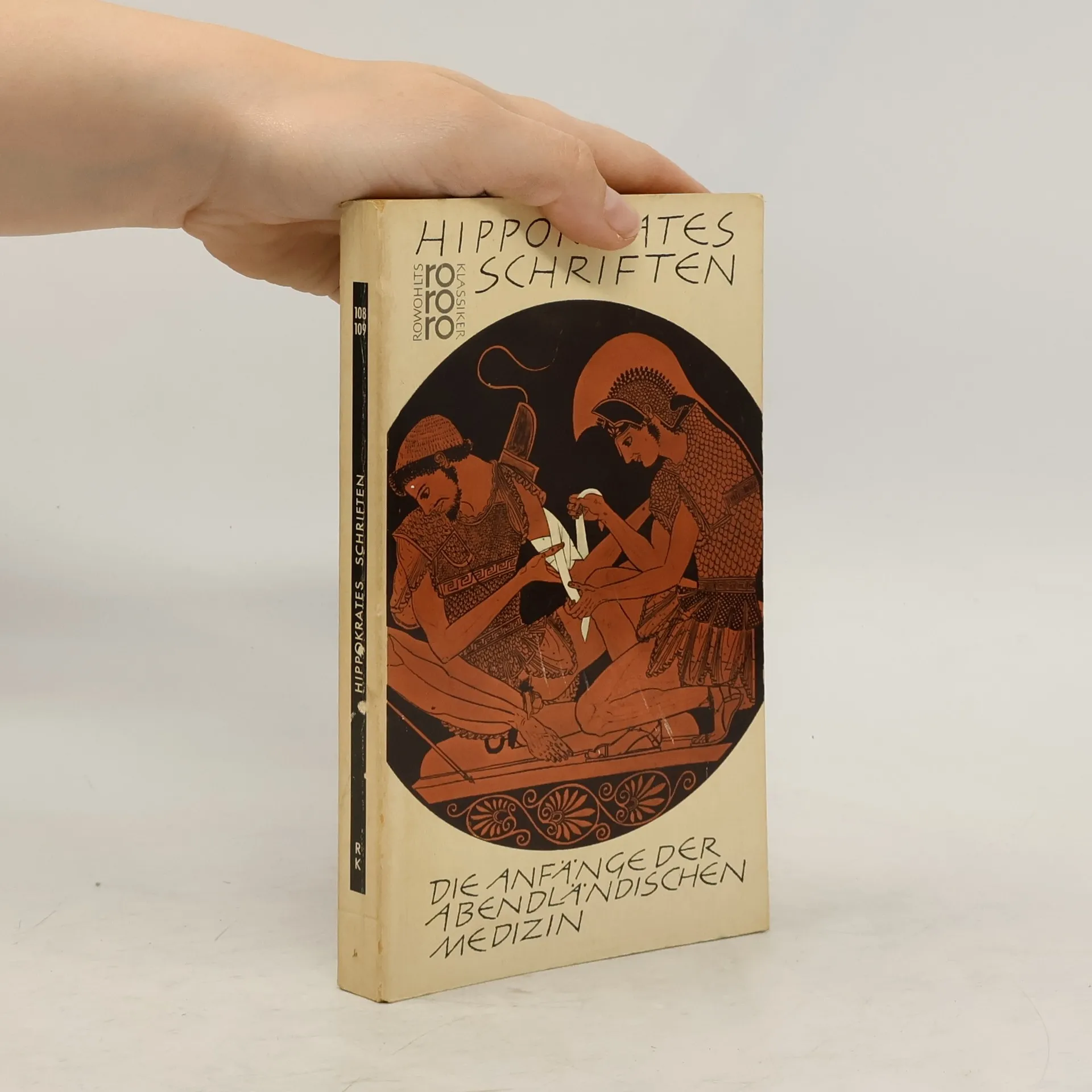


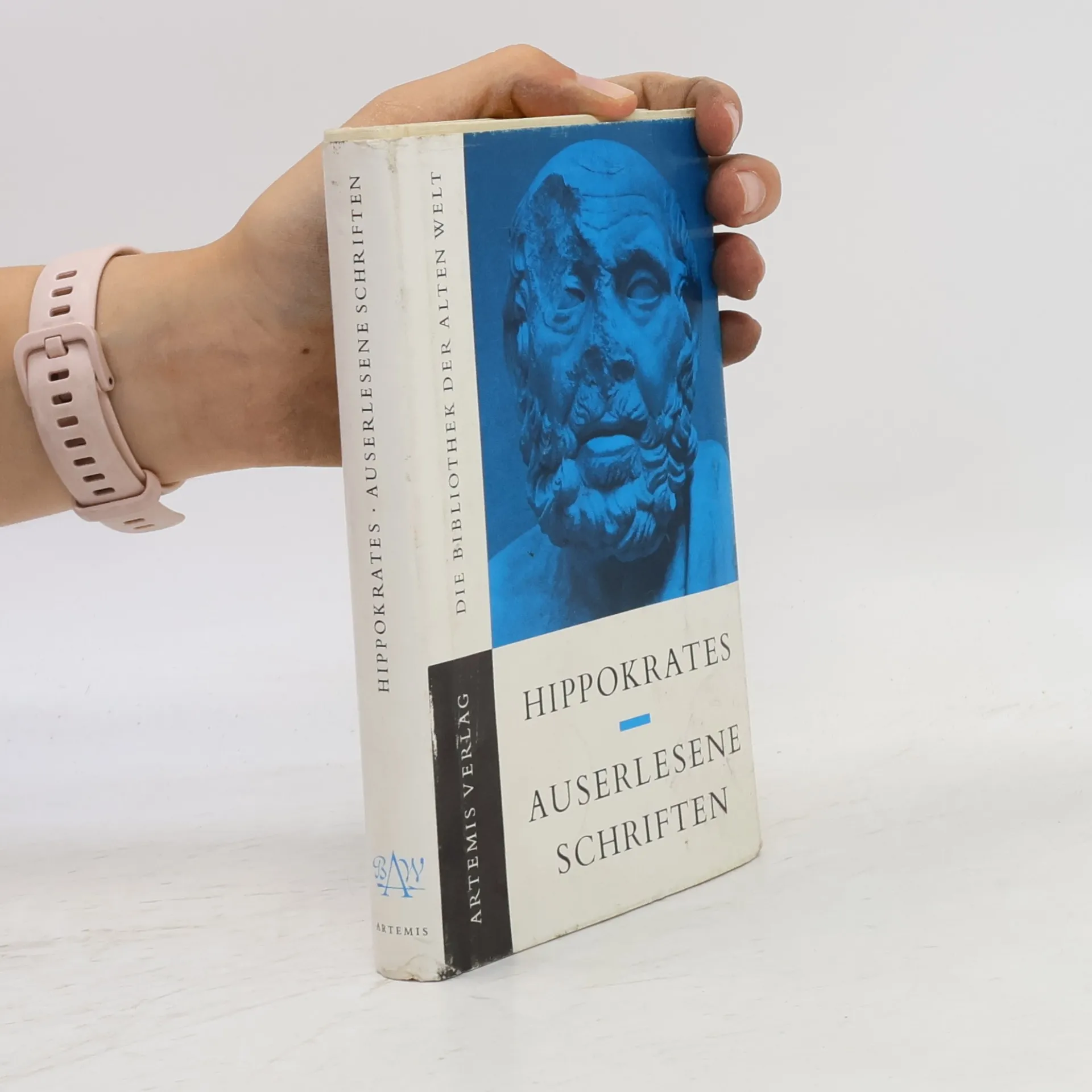
Ausgewählte Schriften
- 350 Seiten
- 13 Lesestunden
Aus den unter dem Namen Hippokrates überlieferten Schriften über die Anfänge der abendländischen Medizin ist eine thematisch repräsentative Auswahl getroffen worden.
Fünf auserlesene Schriften
- 238 Seiten
- 9 Lesestunden
German, Greek (translation)
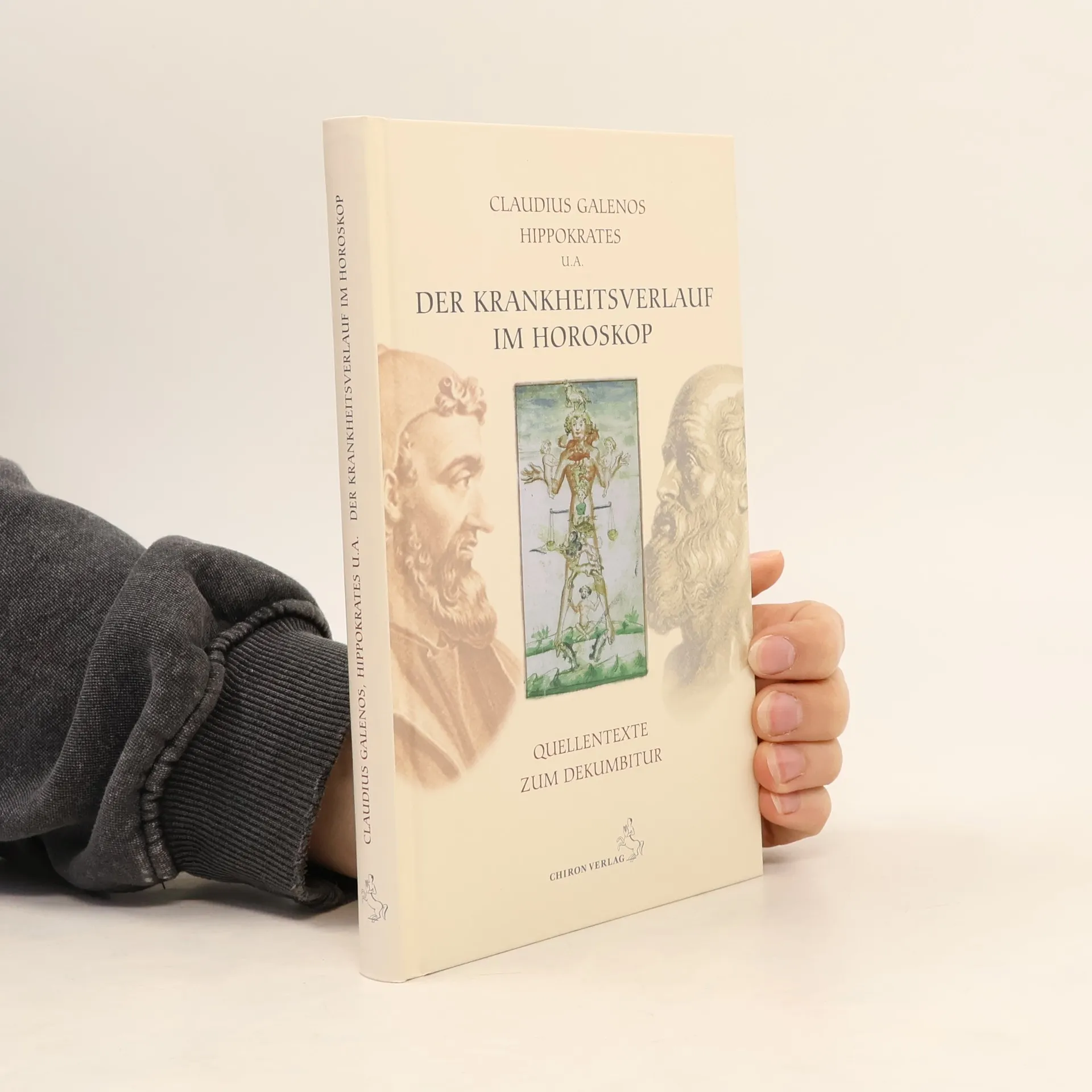
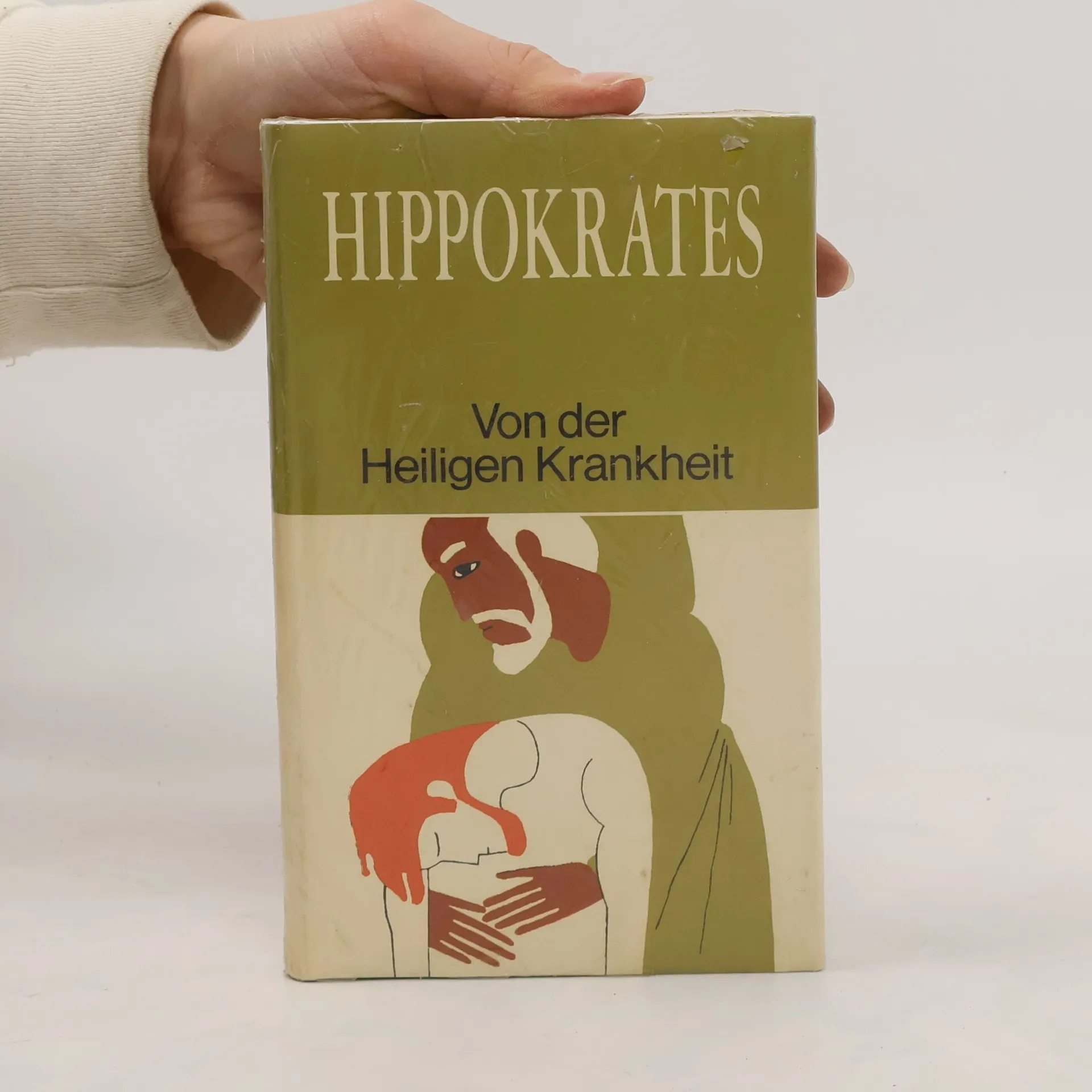
Der Krankheitsverlauf im Horoskop
- 143 Seiten
- 6 Lesestunden
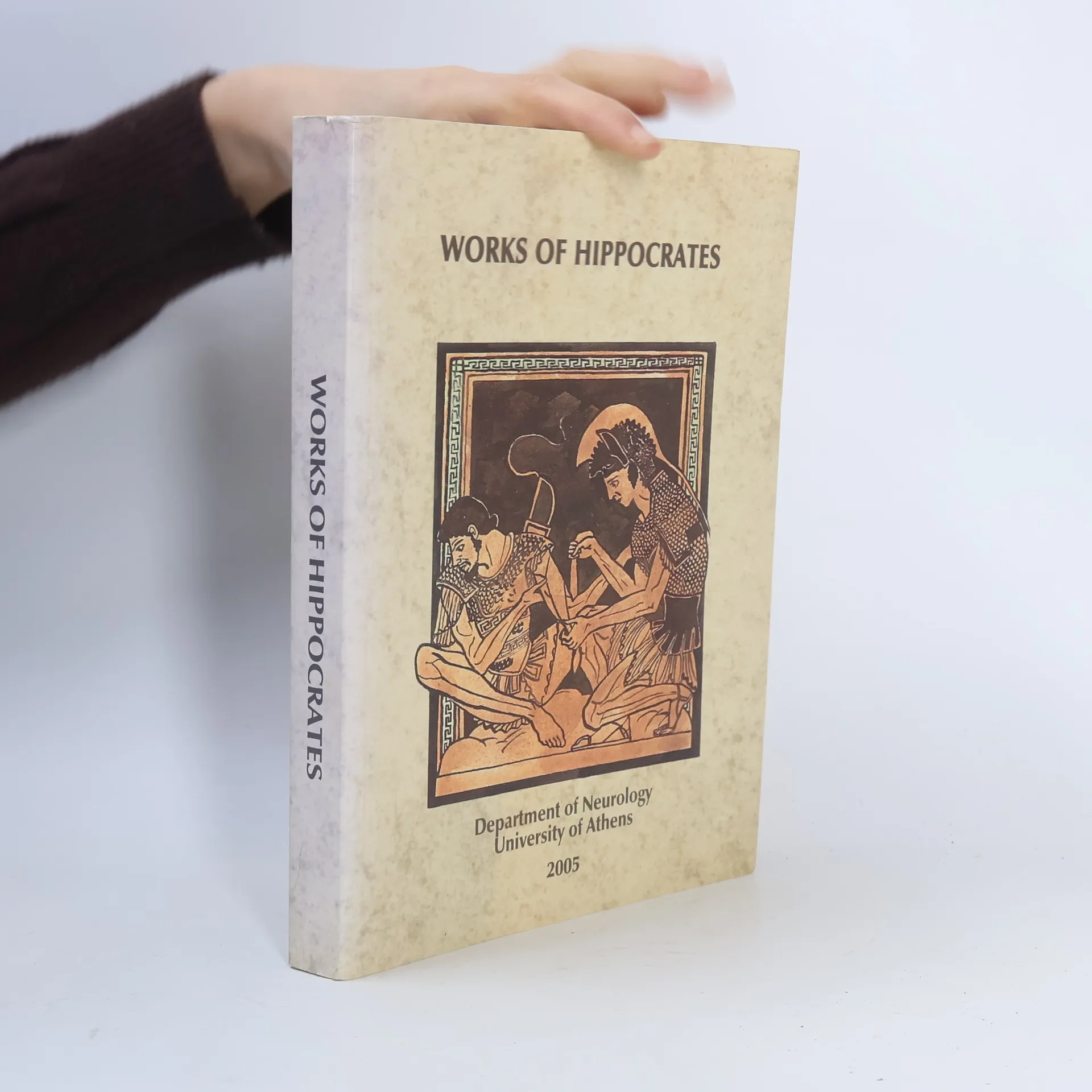
Die Werke des Hippokrates
Band V / Teile 23-25
Rat und Wissen Aktuell: Die Großen Naturheilverfahren und ihre Schöpfer
- 270 Seiten
- 10 Lesestunden
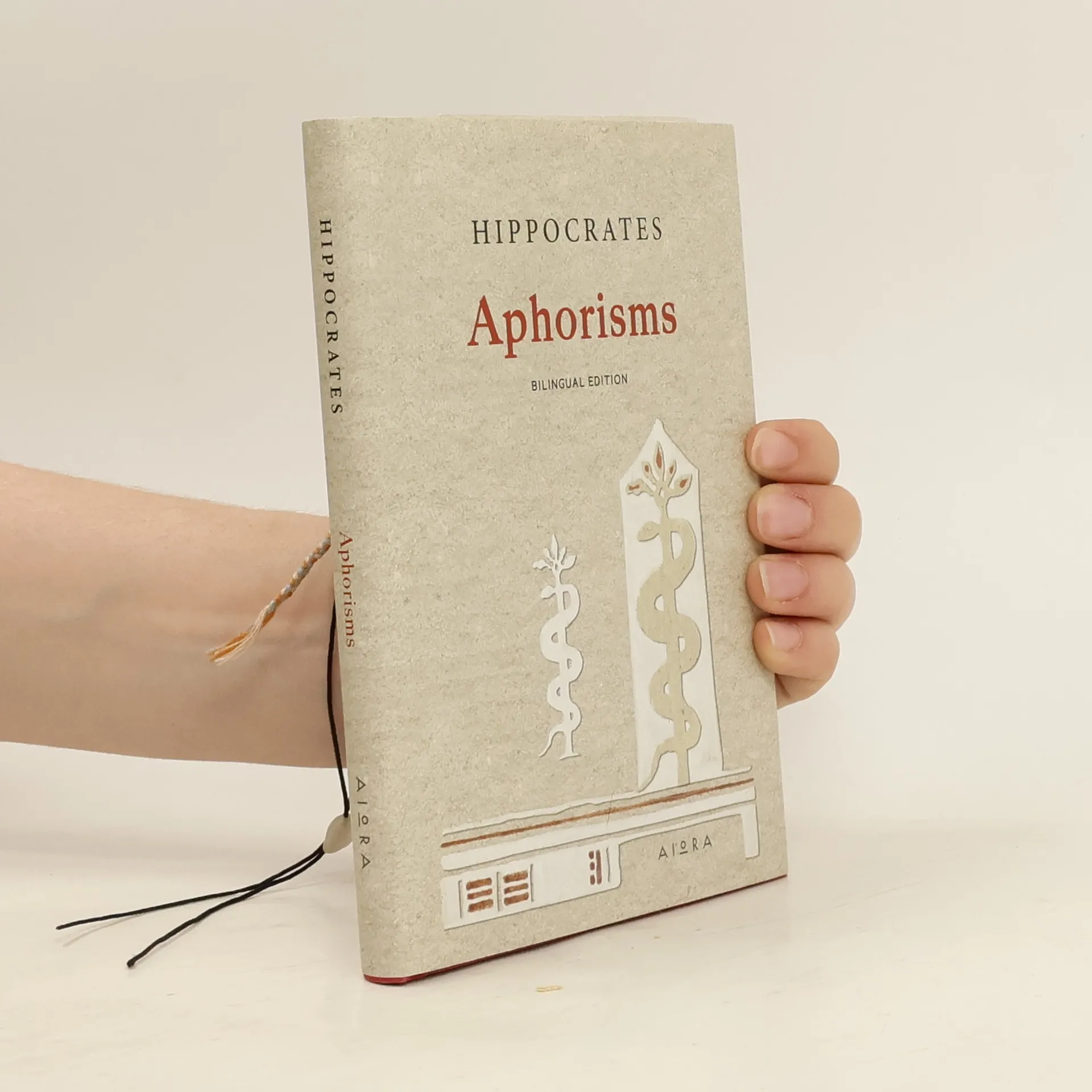
Aphorisms
- 160 Seiten
- 6 Lesestunden
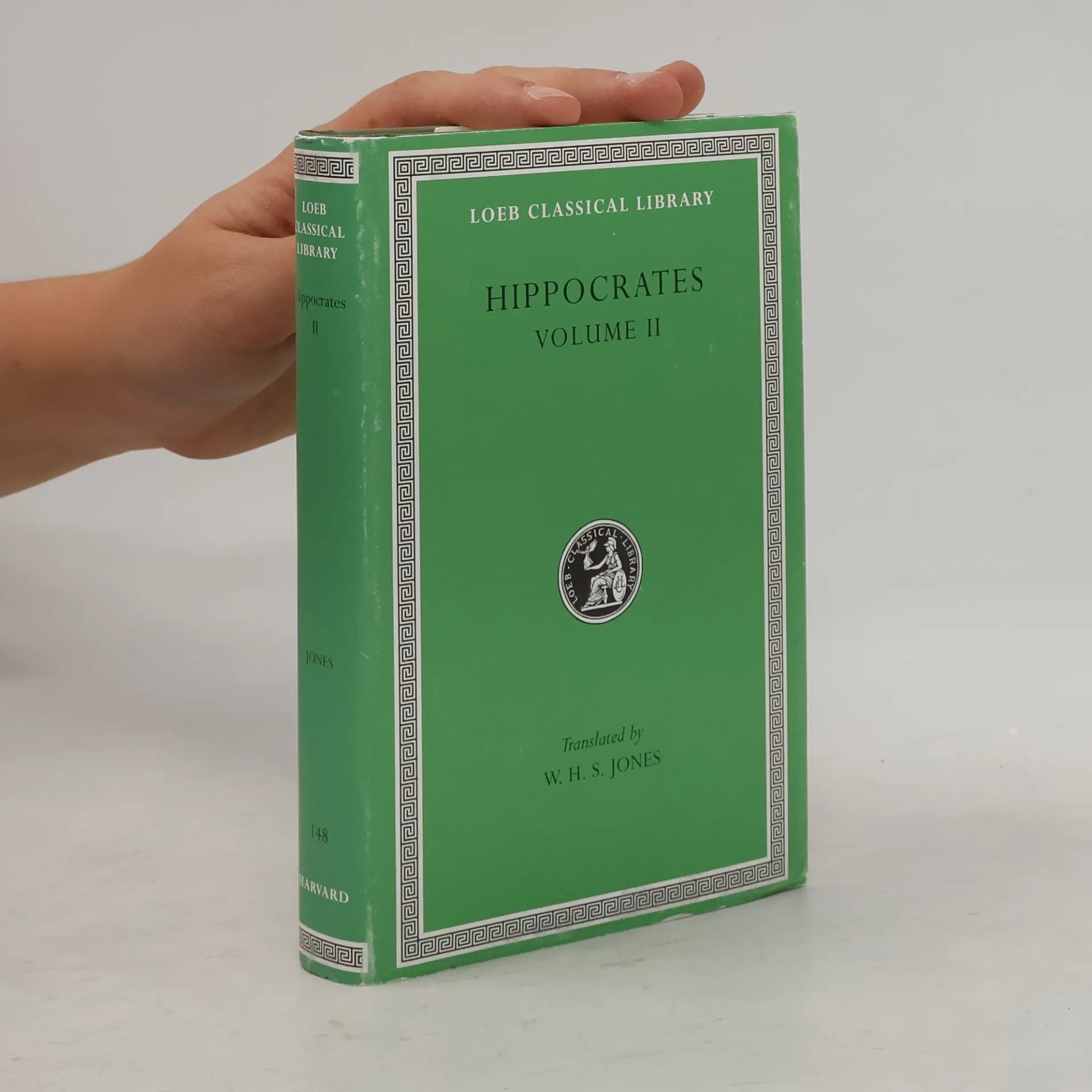
Hippocrates, believed to have been born in Cos around 460 BCE, was a pioneering figure in medicine and philosophy. He traveled extensively as a physician and educator, gaining the attention of notable figures like King Perdiccas of Macedon and Artaxerxes of Persia. Rejecting superstition, he championed inductive reasoning and emphasized the study of medicine grounded in natural laws, focusing on individual patients and their treatments through medicines and surgery. The 'Hippocratic Collection' comprises around 70 works, though many are not authored by him, and even the renowned oath may not originate from his hand. Nonetheless, he is celebrated as the 'Father of Medicine.' The Loeb Classical Library edition includes several volumes of his works: Volume I features 'Ancient Medicine,' 'Airs, Waters, Places,' 'Epidemics 1 and 3,' 'The Oath,' 'Precepts,' and 'Nutriment.' Volume II contains 'Prognostic,' 'Regimen in Acute Diseases,' 'The Sacred Disease,' 'The Art,' 'Breaths,' 'Law,' 'Decorum,' 'Physician (Ch. 1),' and 'Dentition.' Subsequent volumes cover topics such as 'On Wounds in the Head,' 'In the Surgery,' 'On Fractures,' 'Nature of Man,' 'Humours,' 'Aphorisms,' and various diseases and affections. Additionally, Volume IV includes fragments from Heracleitus, 'On the Universe.'
Hippocrates, believed to have been born in Cos around 460 BCE, was a pioneering figure in medicine and philosophy. He traveled extensively as a physician and educator, gaining recognition from notable figures such as King Perdiccas of Macedon and Artaxerxes of Persia. Rejecting superstition, he emphasized inductive reasoning and the study of medicine grounded in natural laws, focusing on individual patients and their treatment through medicines and surgery. While the 'Hippocratic Collection' comprises around 70 works, many are not attributed to him, and even the renowned oath may not have originated with him. Nonetheless, he is celebrated as the 'Father of Medicine.' The Loeb Classical Library edition includes various volumes of his works: Volume I features texts like Ancient Medicine and The Oath; Volume II covers Prognostic and The Sacred Disease; Volume III includes On Wounds in the Head and In the Surgery; Volume IV presents Nature of Man and Aphorisms; Volume V contains Affections and Diseases 1-2; Volume VI discusses Diseases 3 and Internal Affections; and Volume VII presents Epidemics 2 and 4-7. Volume VIII addresses Places in Man and other medical topics, along with fragments of Heracleitus' On the Universe.
The Works of Hippocrates
The Oath, The Law, The Art, On Ancient Medicine, The Physician, Decorum
- 228 Seiten
- 8 Lesestunden
'The Oath', 'The Law', 'The Art', 'On Ancient Medicine', 'The Physician' & 'Decorum'.
Vybrané spisy o etice, společnosti a politice II.
- 375 Seiten
- 14 Lesestunden
Druhý svazek výboru z Millova díla obsahuje v nových překladech Millovy klasické spisy O svobodě a Úvahy o zastupitelské vládě, věnované základním charakteristikám liberální společnosti, tedy svobodě slova a volebnímu právu.
Vybrané spisy II.
- 752 Seiten
- 27 Lesestunden
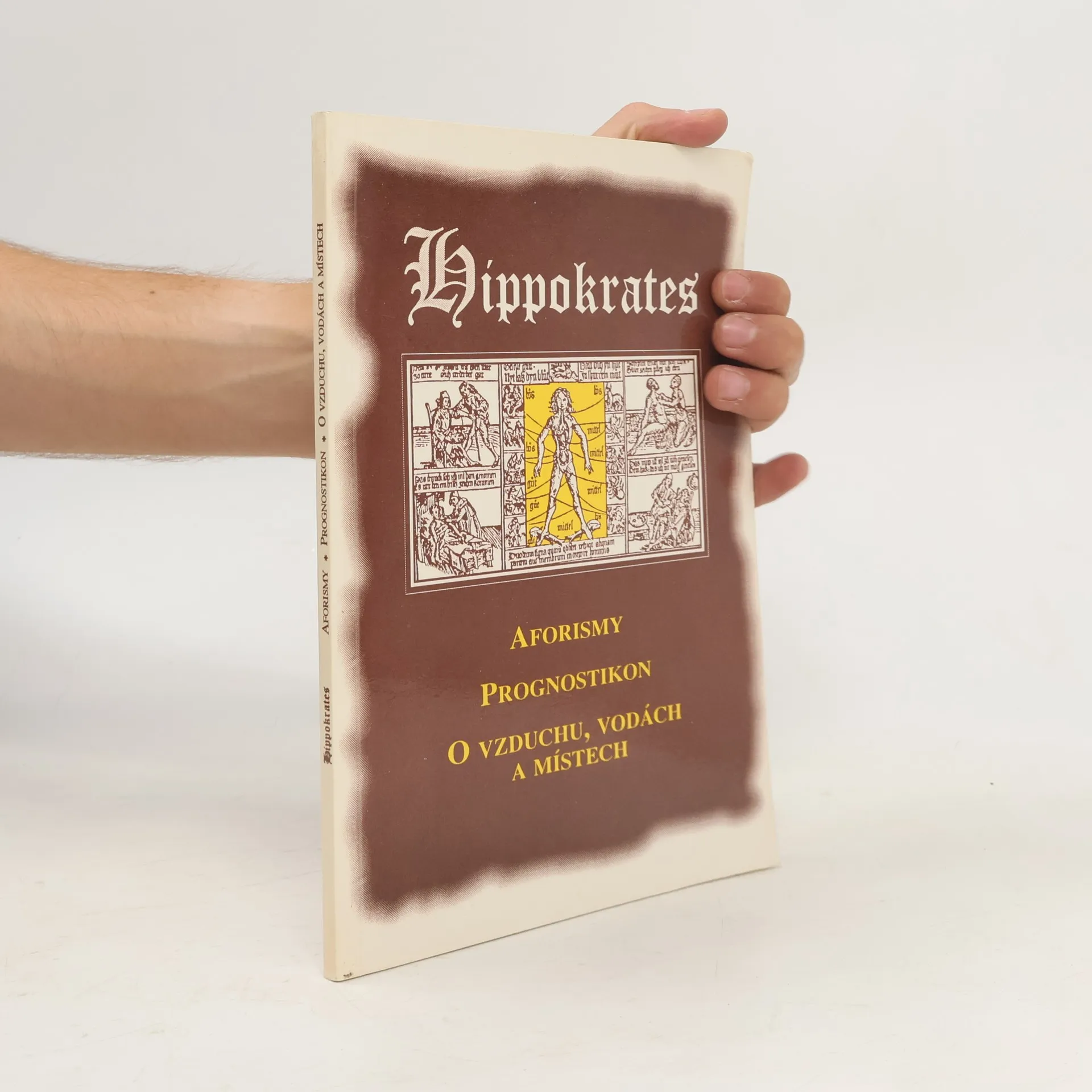
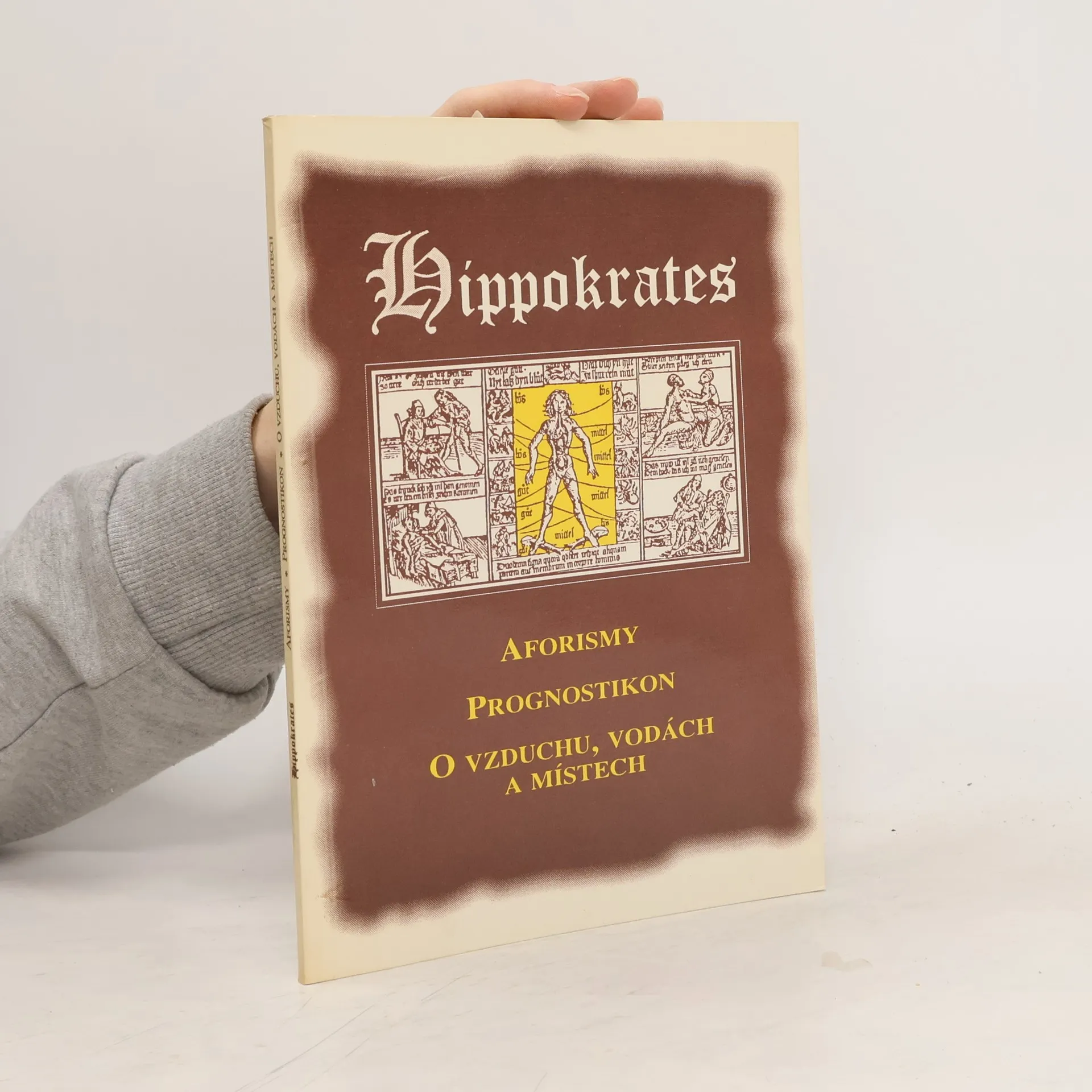
Publikace navazuje na první svazek nových českých komentovaných překladů základních děl korpusu řeckých lékařských spisů, tradicí připisovaných Hippokratovi, tzv. Corpus Hippocraticum. Tento druhý svazek obsahuje spisy, které v dějinách evropského myšlení sehrály mimořádnou roli: spis O přirozenosti člověka (představující humorální teorii, jež se stala paradigmatickou teorií po řadu dalších staletí), spis O svaté nemoci (pojednává o epilepsii a jejím světském původu), spis O vzduchu, vodách a místech (podává základy klimatické medicíny) a spis věnovaný terapii, obsahující četné lékařské kazuistiky (Epidemie I). Knihu uzavírá pojednání věnované snům: O životosprávě IV. Součástí publikace je podrobný přehled všech spisů Corpus Hippocraticum. Autory překladů a komentářů jsou H. Bartoš, J. Černá, S. Fischerová, J. Országh a J. Souček, přehled spisů vypracovali J. Černá a J. Klouda. Editory svazku jsou H. Bartoš a S. Fischerová.
Publikace předkládá v nových českých komentovaných překladech základní díla korpusu řeckých lékařských spisů, tradicí připisovaných Hippokratovi, tzv. Corpus Hippocraticum. Pro první svazek byly vybrány spisy filosofického a metodologického rázu, zabývající se povahou lékařského umění (O umění, O starém lékařství), povahou člověka i vlivem životosprávy na lidské zdraví (O životosprávě I), jakož i úkoly lékaře a etickou stránkou lékařského umění (Přísaha, O lékaři, O dobrém vystupování). Součástí knihy je úvodní studie, představující hippokratovské lékařství v kontextu dobového myšlení i jako stávající lékařskou praxi.
Hippokratovy rady
- 351 Seiten
- 13 Lesestunden