


Gratis Versand in ganz Österreich
Bookbot

Max Jacob

    12. Juli 1876 – 5. März 1944

    Max Jacob war eine Schlüsselfigur der Pariser Avantgarde, bekannt für seine tiefen Freundschaften mit Künstlern wie Pablo Picasso und Jean Cocteau. Seine künstlerische Laufbahn begann nach seinem Austritt aus der Kolonialschule, wo er sich bald in die avantgardistische Szene integrierte. Jacobs Einfluss reichte bis zur Förderung junger Künstler, und seine Freundschaft mit Picasso inspirierte ein berühmtes Kunstwerk. Sein späteres Leben wurde von Verfolgung und einem tragischen Tod im Internierungslager Drancy überschattet, ein trauriges Ende für einen Künstler, der die moderne Kunst maßgeblich prägte.

    Max Jacob
    The Dice Cup
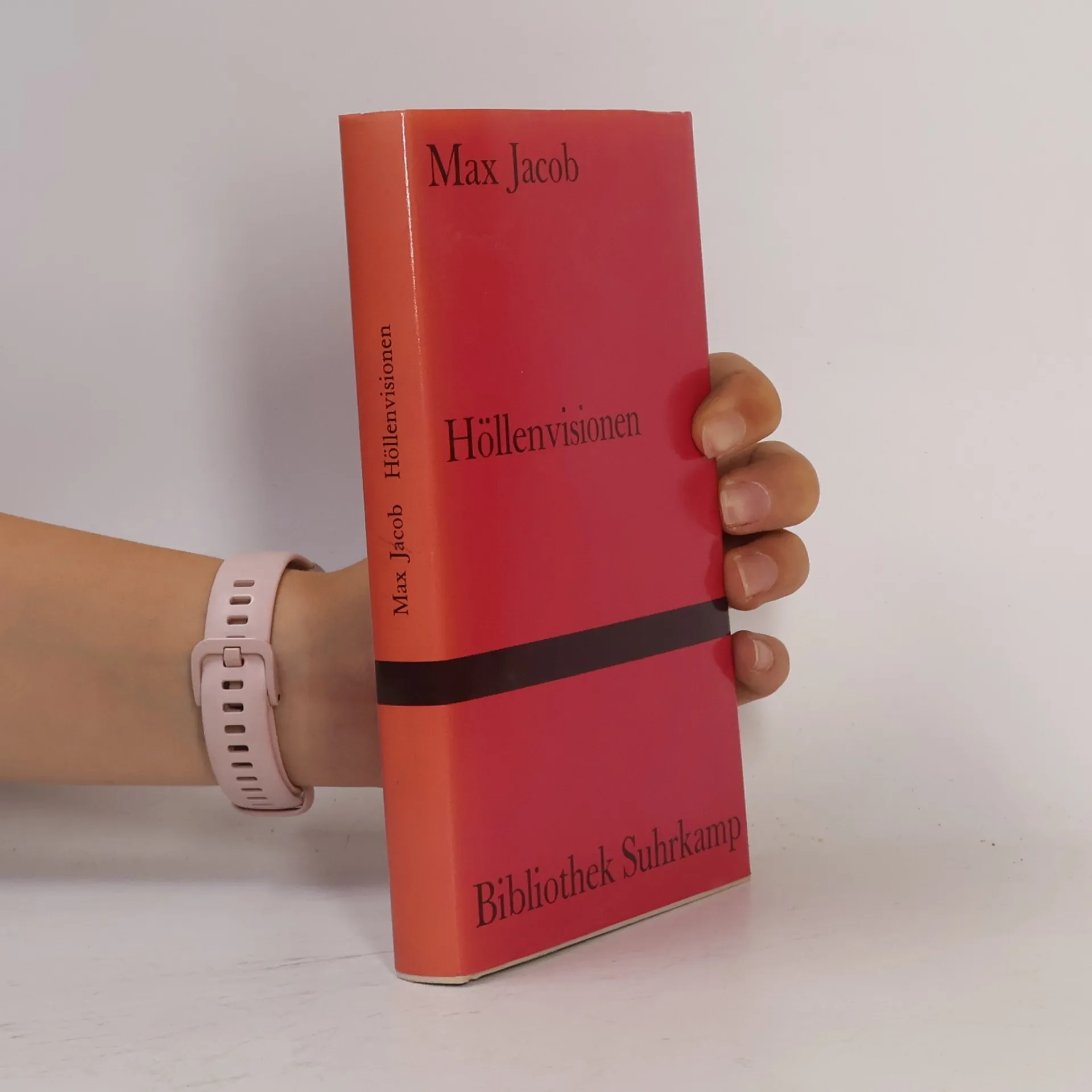
    The Collar of Honour
    Spiegel der Astrologie
    Saint Matorel
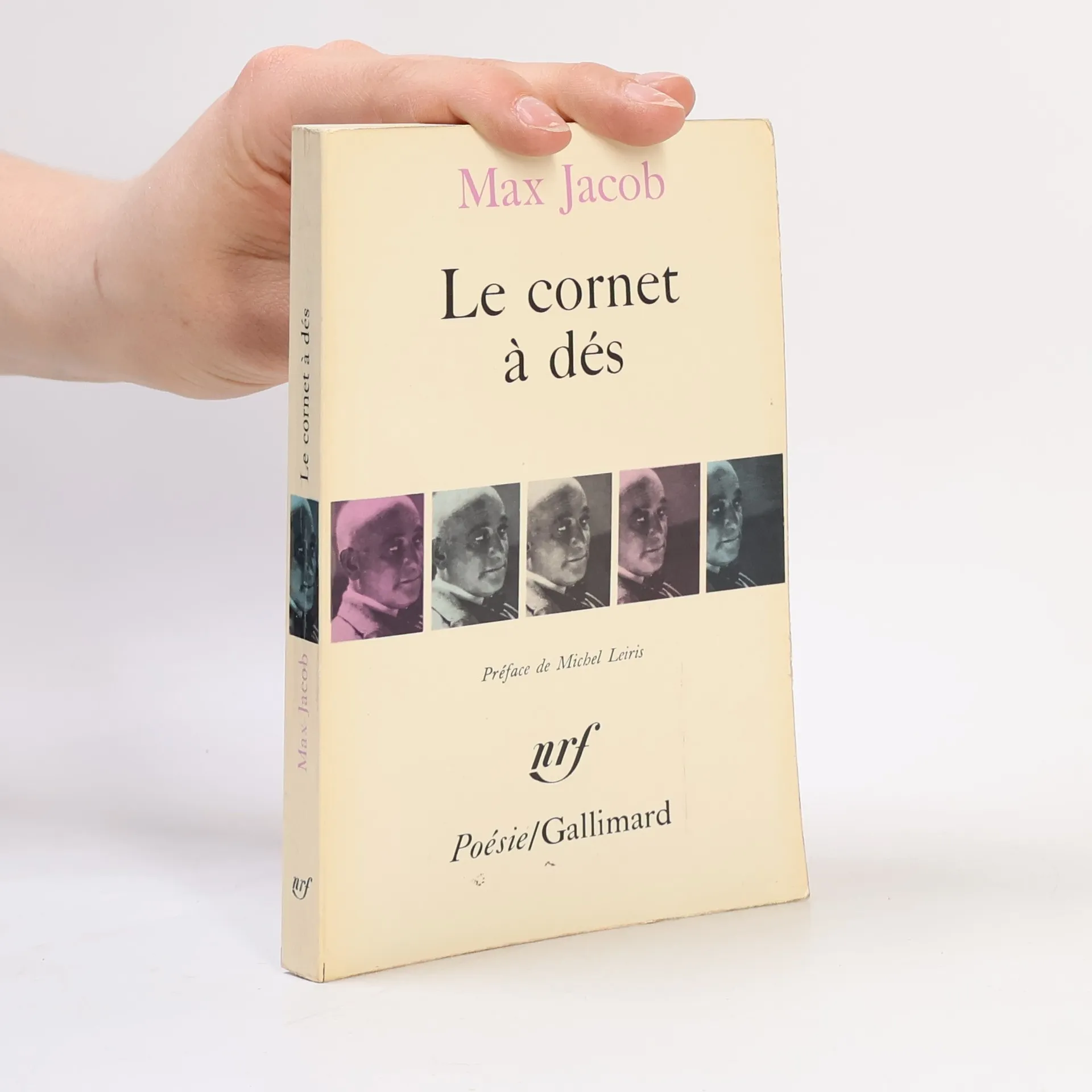
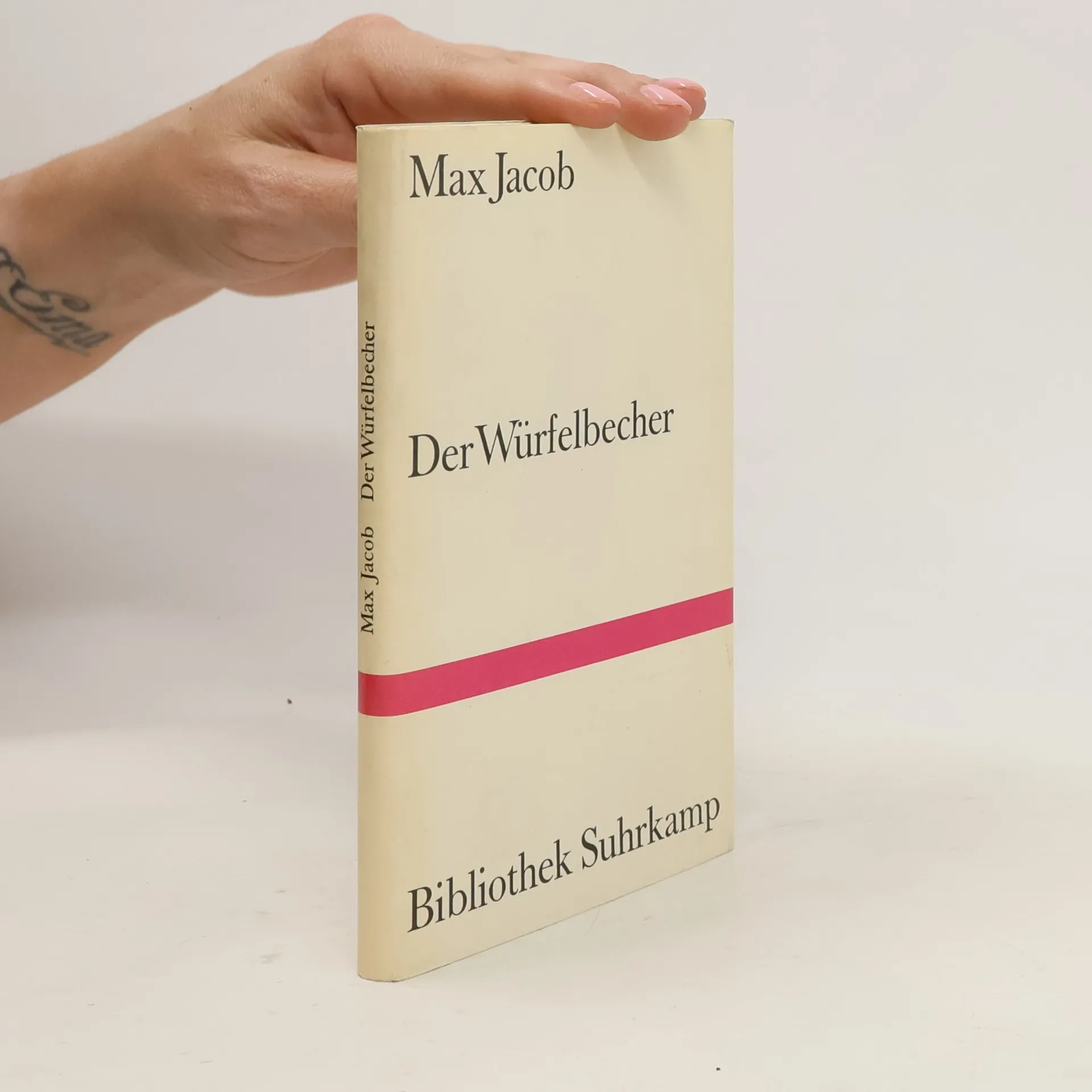
    Der Würfelbecher
    Aus Liebe zum Spiel
    • Aus Liebe zum Spiel

      Uli Hoeneß, das Geld und der deutsche Fußball | „Eine der besten Aufarbeitungen der Bundesligageschichte.“ Sven Voss

      4,8(16)Abgeben

      Uli Hoeneß prägte den deutschen Fußball wie niemand sonst Man liebt oder man hasst Uli Hoeneß, doch wer verstehen möchte, weshalb die Bundesliga ist, wie sie ist, kommt nicht um ihn herum. Max-Jacob Ost taucht ein in die Lebensgeschichte des Mannes, der wie kein zweiter den deutschen Fußball geprägt hat. Die Biografie von Hoeneß wirkt wie das Substrat aus den Schicksalen einer ganzen Mannschaft: Weltmeister. Europameister. Sportinvalide. Jüngster Manager. Titelsammler. Wohltäter. Steuerhinterzieher. Einziger Überlebender eines Flugzeugabsturzes. Millionär und Gefängnisinsasse. Es gibt Netflix-Serien, in denen weniger passiert. Ost hat vier Jahre lang das Leben des Uli Hoeneß und die Geschichte der Liga recherchiert, hat Interviews geführt mit Wegegefährten; Freunden und Gegnern von Hoeneß.

      Aus Liebe zum Spiel
    • If you head towards our sun (preferably at night) and remember to turn left you will find a pocket universe where evolution took a different turn. When the only sun cooled it went too far and no creature on the universe's sole planet without fur, wings, or, scales could possibly survive.

      The Collar of Honour
    • "When Max Jacob published The Central Laboratory in 1921, Cubism's glory days had passed, the Parisian Dada movement had just officially come to an end, and the surrealist movement was yet to be born. The poetic scene in Paris was between definitions, and in that sense, Jacob's work embodied the moment. The Central Laboratory is distinctly modern yet utterly discordant with anything else that had been published before: a grab bag of popular genres, operettas, Breton folk song, nonsense poetry, nursery rhyme, cockeyed doggerel, pastiche, parody, and puns in which sound often trumps sense. In this collection, Jacob changes register on a dime, shifting from societal sarcasm to mystical sincerity, bearing allegiance to no school or form but his own. Employing the symbolist method of obscure reference, the cubist fracturing of perspective, Dadaist discontinuity, and a dream logic that was at stylistic antipodes with what surrealism would soon become, Jacob drew from almost twenty years of work to assemble an array of "stoppered phials" in this tongue-in-cheek laboratory, each one of them carefully mislabeled. It most clearly presents what Jacob described as his "art of disappointment": the sabotage of readerly expectations in which doubt and disorientation serve as poetic principle, and the traditional jilted lover and jilted poet join forces to propagate a new form of jilted reader. Mixed signals, mysterious rationales, and mocked allegory formulate a camp sensibility, a "queering" of literary style that is as riddled with contradiction as Jacob himself had been in his lifetime. The book remains, a century after its initial publication in French, utterly peculiar and for too long lost in the shadow of Jacob's more famous poetical colleague, Guillaume Apollinaire, as well as the one cast by Jacob's own earlier, more famous book of prose poems, The Dice Cup. Jacob himself said of The Central Laboratory: "it sums up twenty years and reflects twenty states of soul, often twenty styles either suffered or created by me.""--Publisher's description

      The Central Laboratory
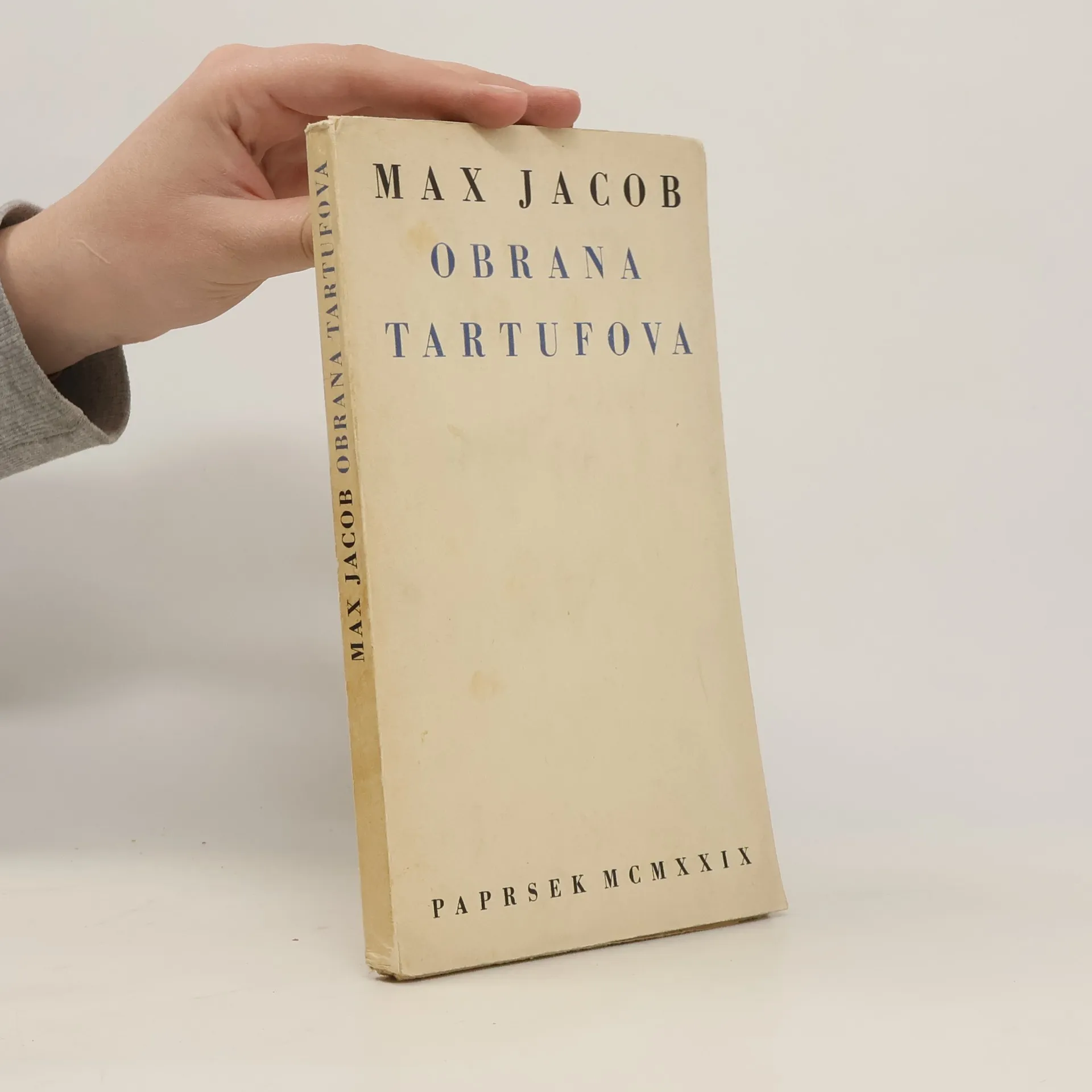
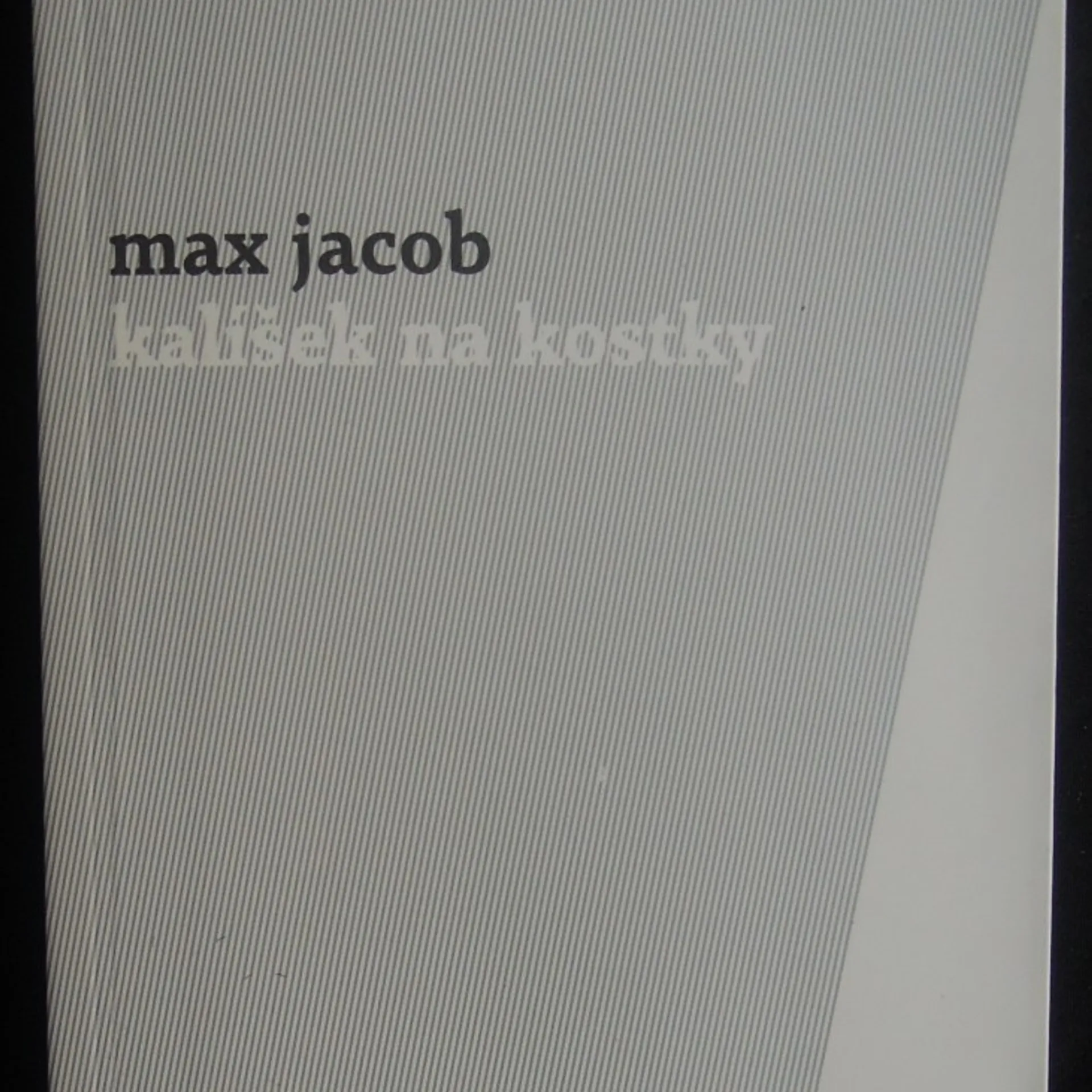
    • Kniha básní v próze Maxe Jacoba je základním básnickým dílem francouzské literatury 20. století. Max Jacob, vynikající básník a přítel avantgardních umělců, do svazku shrnul 170 básní v próze, v nichž na sebe naráží ryzí lyrismus, slovní ekvilibristika a humor se svěží sensibilitou.Prvního vydání se sbírka dočkala v roce 1917, čtrnáct výtisků obsahovalo Picassův kubistický lept Harlekýna. Sbírka vyšla podruhé v nakladatelství Gallimard až v roce 1945, doplněna studií Michela Leirise, kterou naše vydání obsahuje též. V češtině nebylo Jacobovo dílo dosud příliš vydáváno. První, kdo Jacoba uvedl do české literatury, byl Karel Čapek ve Francouzské poesii nové doby. V roce 1929 vyšla v překladu Bohuslava Reynka Obrana Tartufova a v roce 1967 krátký, jedenáctistránkový Reynkův překlad textu Jezulátko. Nakladatel Rudolf Škeřík vydal v edici Prokletí básníci výbor z Jacobových textů přeložených Svatoplukem Kadlecem, ovšem z němčiny.

      Kalíšek na kostky
    • Žánr básní v próze, pohybující se v krajně kultivované podobě na pomezí poezie, esejů, maxim i starých rytin, se u nás příliš nepěstoval. Pro připomínku mohou padnout jména Víta Obrtela nebo Jana Vladislava a před nimi – jak jinak – Jaroslava Vrchlického. Jejich domovem je Francie. Antologie Plameny v zrcadle sleduje jejich proměny od Baudelaira přes Rimbauda, Mallarméa a Prousta až k Jacobovi a Reverdymu. Mají být „klenotem“ a „líbezným šerosvitem života“, zároveň však dovedou s radioaktivní intenzitou vyjadřovat vnitřní či vnější životní zážitek či zachytit výmluvný střípek krvavě vážné životní epizody. V literatuře reprezentují v čiré podobě řád a tvar.

      Plameny v zrcadle – francouzské básně v próze