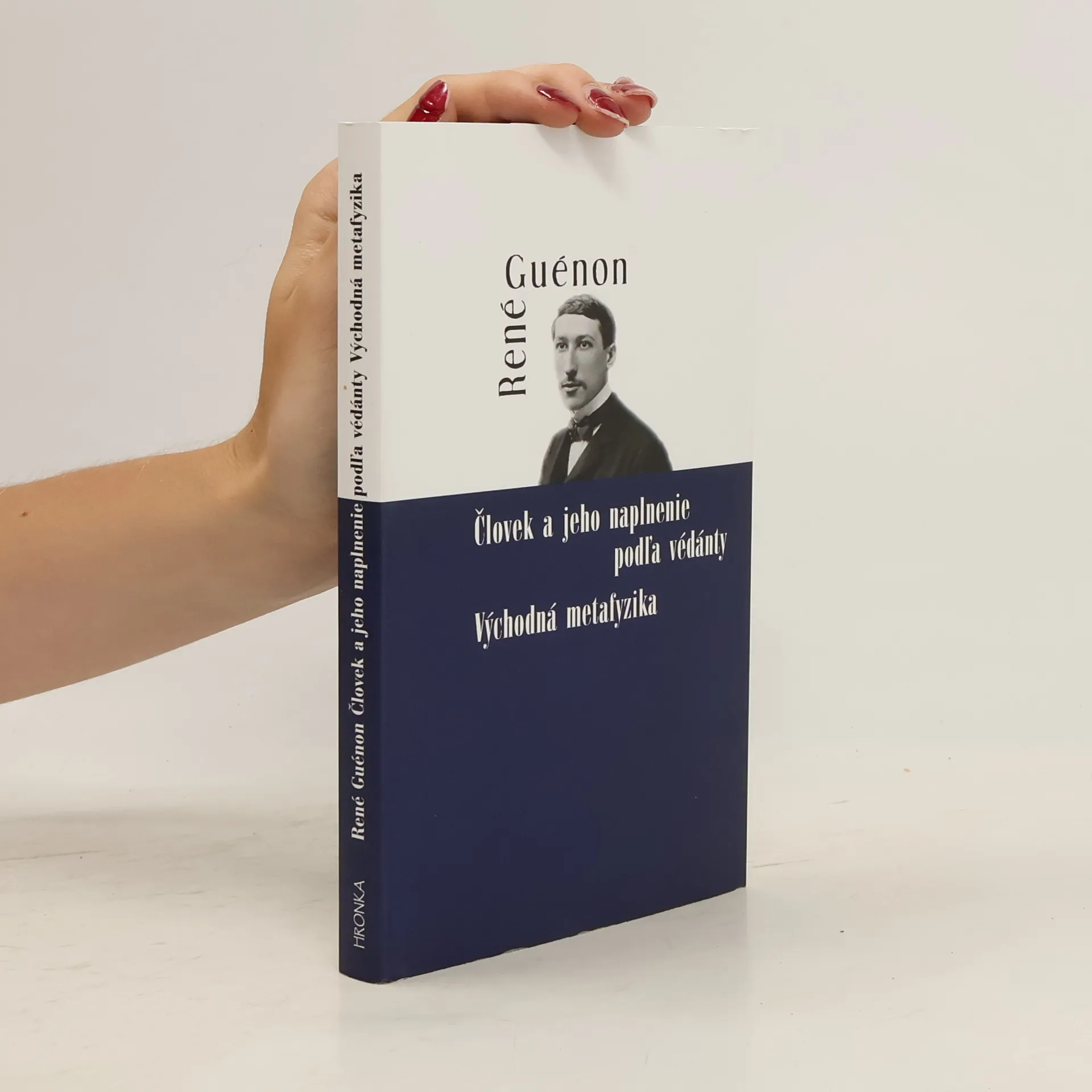
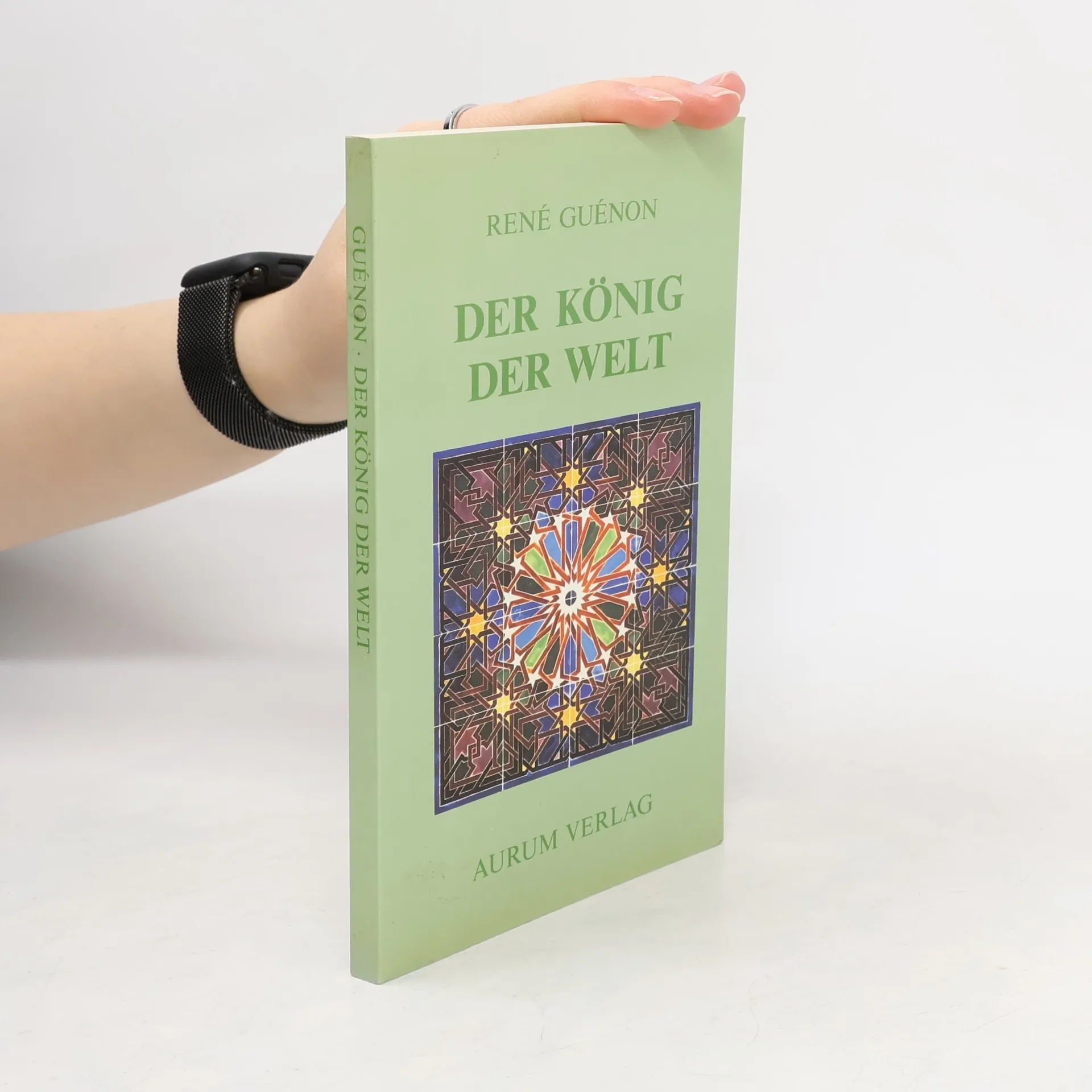


In der spirituellen und kontemplativen Unbehaustheit der modernen westlichen Welt erkennt René Guénon eine Leerstelle, die nur der Osten zu füllen vermag, indem er dem Westen zu einer Rückbesinnung auf die eigenen Traditionen verhilft. Wahre Erkenntnis lässt sich nicht über den Intellekt, die Ratio oder den Diskurs erlangen, sondern ist das Produkt eines Sich-Einlassens auf das Unwandelbare. Nur das Bewusstsein eines höheren Prinzips erlaubt die Über windung der Fragmentierung, die in allen Lebensbereichen, vor allem aber auch in den Wissenschaften des modernen Westens, Einzug gehalten hat. Die moderne Philosophie hat keinen Erkenntnisgewinn aufzuweisen, denn sie besteht nur aus Mehrdeutigkeiten und schlecht gestellten Fragen. In seiner Kritik des Individualismus ist Guénon brandaktuell: Leidenschaftlich wendet er sich gegen das Streben nach Profitmaximierung, materiellem Fortschritt und individueller Selbstverwirklichung. Den Vorrang des Materialismus und der Beforschung der sinnlich erfahrbaren Welt vor allem anderen verachtet er zutiefst – und weist einen anderen Weg: gegen den Imperativ des westlichen Denkens und für ein Aufgehen des Einzelnen in Kultur und Spiritualität.

René Guénon Bücher
René Guénon war ein französischer Autor und Intellektueller, der eine einflussreiche Figur auf dem Gebiet der heiligen Wissenschaft, der Traditionsstudien, der Symbolik und der Initiation geblieben ist. Sein Werk befasst sich mit tiefgründigen spirituellen Wahrheiten und esoterischen Traditionen. Guénon konzentriert sich in seinen Schriften auf die Analyse der Prinzipien und metaphysischen Grundlagen verschiedener spiritueller Wege und bietet den Lesern Einblicke in zeitlose Weisheit. Sein Stil ist präzise, und seine Gedanken richten sich an diejenigen, die ein tieferes Verständnis von Realität und dem spirituellen Wesen der Existenz suchen.


Tradition, Metaphysik, Initiation
Ausgewählte Texte
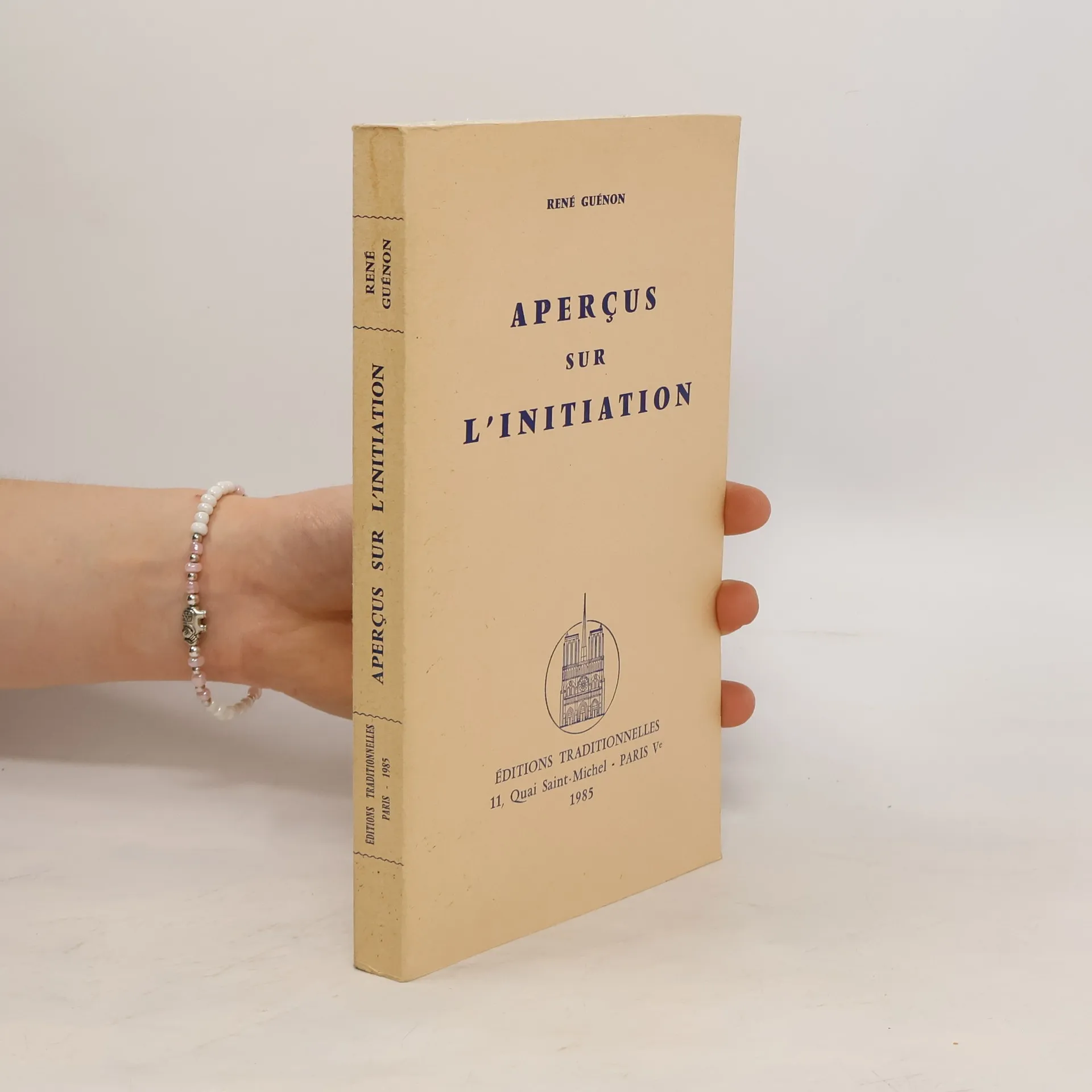
Perspectives on Initiation
- 320 Seiten
- 12 Lesestunden
Perspectives on Initiation presents initiation as essentially the transmission, by the appropriate rites of a given tradition, of a 'spiritual influence' which represents the 'beginning' (initium) of the spiritual journey. It is unique in giving a comprehensive account both of the conditions of initiation and of the characteristics of organizations qualified to transmit it. While most of its 48 chapters deal with specific aspects of initiation, others cover an astonishing range of related subjects, among Magic and Mysticism, Ceremonial Magic, Psychic 'Powers', The Symbolism of the Theater, The Gift of Tongues, Greater and Lesser Mysteries, Rose-Cross and Rosicrucians, Some Reflections on Hermeticism, and The Birth of the Avatara. Related articles are collected in Guénon's Initiation and Spiritual Realization.
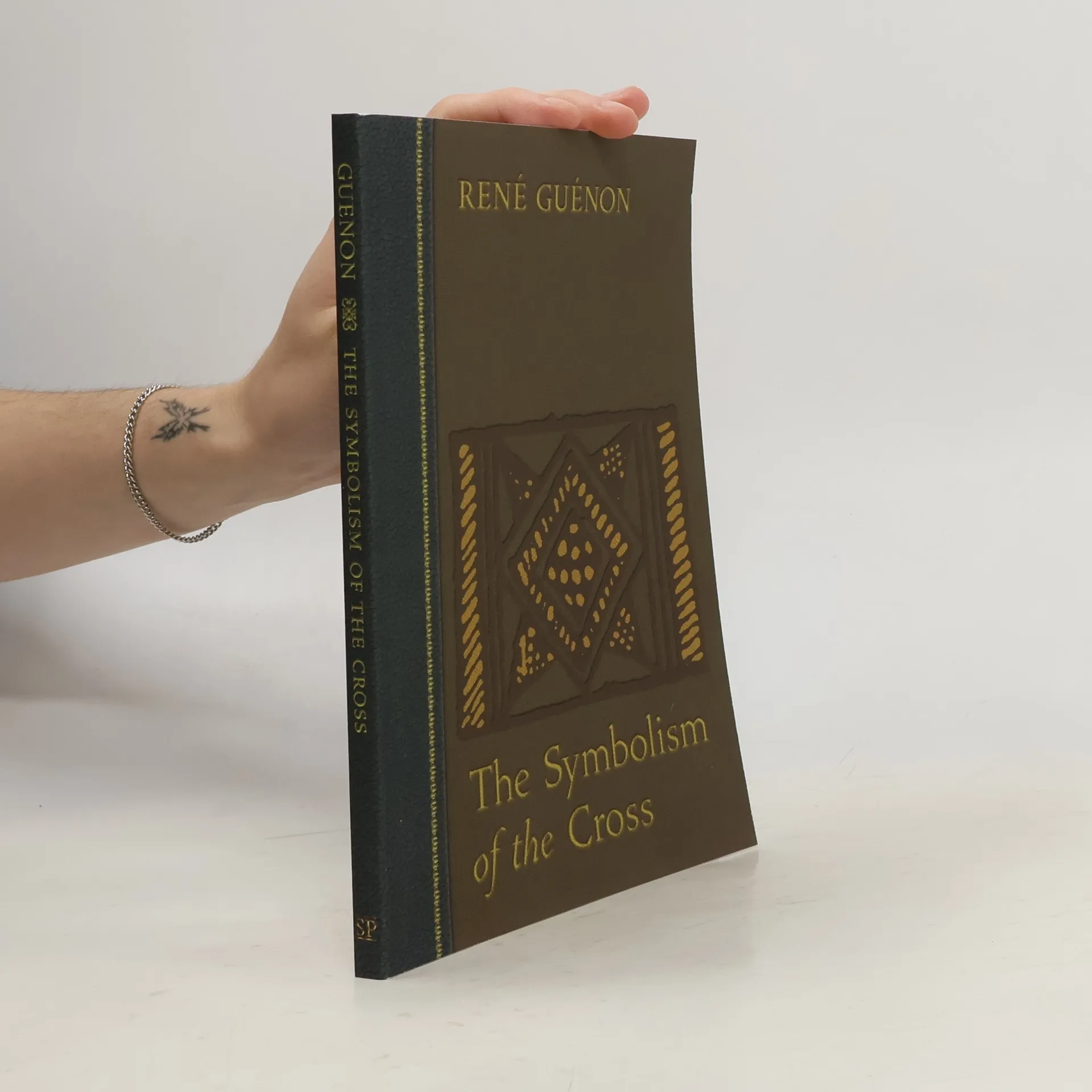
The Symbolism of the Cross
- 168 Seiten
- 6 Lesestunden
The Symbolism of the Cross is a major doctrinal study of the central symbol of Christianity from the standpoint of the universal metaphysical tradition, the 'perennial philosophy' as it is called in the West. As Guernon points out, the cross is one of the most universal of all symbols and is far from belonging to Christianity alone. Indeed, Christians have sometimes tended to lose sight of its symbolism of its symbolical significance and to regard it as no more than the sign of a historical event. By restoring to the full spiritual value as a symbol, but without in any way detracting from its historical importance for Christianity, Guenon has performed a task of inestimable importance which perhaps only he, with his unrivaled knowledge of the symbolic languages of both East and West, was qualified to perform.
The Reign of Quantity & the Signs of the Times
- 300 Seiten
- 11 Lesestunden
The Reign of Quantity gives a concise but comprehensive view of the present state of affairs in the world, as it appears from the point of view of the 'ancient wisdom', formerly common both to the East and to the West, but now almost entirely lost sight of. The author indicates with his fabled clarity and directness the precise nature of the modern deviation, and devotes special attention to the development of modern philosophy and science, and to the part played by them, with their accompanying notions of progress and evolution, in the formation of the industrial and democratic society which we now regard as 'normal'. Guénon sees history as a descent from Form (or Quality) toward Matter (or Quantity); but after the Reign of Quantity-modern materialism and the 'rise of the masses'-Guénon predicts a reign of 'inverted quality' just before the end of the age: the triumph of the 'counter-initiation', the kingdom of Antichrist. This text is considered the magnum opus among Guénon's texts of civilizational criticism, as is Symbols of Sacred Science among his studies on symbols and cosmology, and Man and His Becoming according to the Vedanta among his more purely metaphysical works.
Theosophy. History of a Pseudo-Religion
- 352 Seiten
- 13 Lesestunden
Many readers of Guénon's later doctrinal works have longed to hear the tale of his earlier entanglement, and disentanglement, from the luxuriant undergrowth of so-called esoteric societies in late nineteenth-century Paris and elsewhere. The present work documents in excoriating detail Guénon's findings on what did, and did not, lie behind the Theosophical Society founded by Madame Blavatsky and Colonel Olcott in 1875. Much further information has of course come to light since this book was written, but it has never been superseded as a fascinating record of the path of a master metaphysician through this maze. A particularly unusual feature is its extensive treatment of the Hermetic Brotherhood of Luxor, which has recently attracted the attention of scholars of the occult.
The Esoterism of Dante
- 80 Seiten
- 3 Lesestunden
René Guénon (1886-1951) critiques modernity through 26 volumes, highlighting perennial wisdom across diverse cultures. In "The Esoterism of Dante," he explores Dante's initiatic journey and medieval esoterism, while "Insights into Christian Esoterism" examines sacred languages and esoteric themes. His works remain vital for contemporary seekers of spiritual truth.
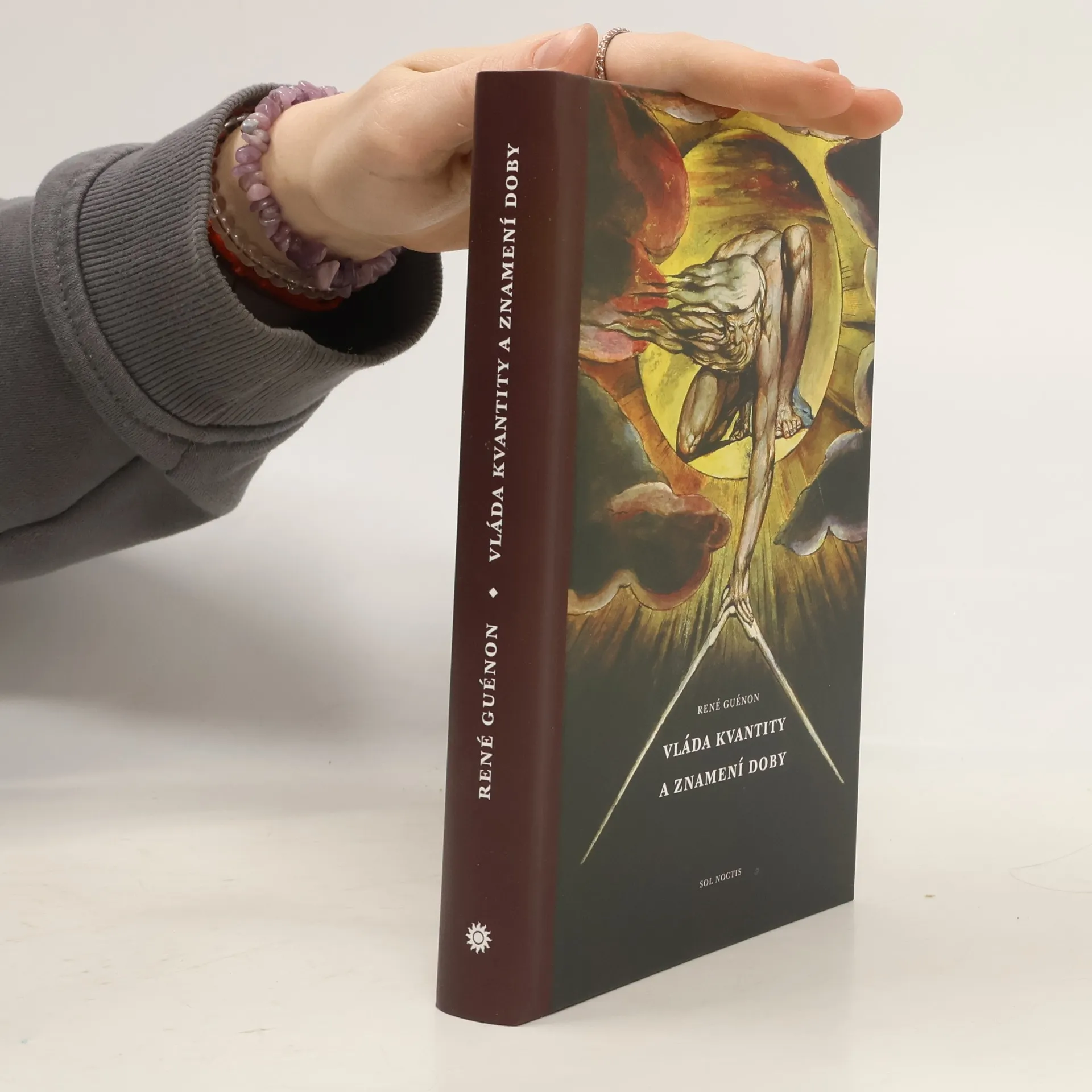
Vláda kvantity a znamení doby
- 312 Seiten
- 11 Lesestunden
René Guénon (1886-1951) byl významný francouzský filosof a metafyzik, zakladatel školy integrálního tradicionalismu neboli perennialismu. Proslul svou kritikou moderního světa a snahou o esoterické smíření různých ortodoxních světových náboženství, v jejichž pozadí viděl obrysy univerzální, primordiální Tradice. Lidstvo podle Guénona podstupuje proces sestupu z duchovního zlatého věku, kdy veškerý způsob života směřoval k božskému, do odduchovněné, sekularistické moderny. Tvrdí, že se nejedná o subjektivní, nýbrž objektivní proces provázený ontologickým znehodnocením světa. Ve své pozdní knize Vláda kvantity a znamení doby, poprvé vydané v roce 1945, se zabývá posledními fázemi tohoto sestupu, kdy bude tradiční řád nejdříve nahrazen vládou stejnosti, konformnosti a kvantity, aby tento stav posléze vedl k ustanovení převráceného řádu. Při svém popisu čerpá z eschatologie různých náboženských tradic a všímá si filosofických prekurzorů urychlování sestupu v Descartovi a dokonce již v pozdní scholastice. Vláda kvantity je právem považována za završení Guénonova myslitelského díla, na jehož konci přes všechen pesimismus prozařuje víra v konečnou nápravu a překonání pádu člověka a veškerenstva.
Vláda kvantity a znamenia časov
- 272 Seiten
- 10 Lesestunden
René Jean-Marie Joseph Guénon (15. november 1886, Blois, Francúzsko - 7. januára 1951, Káhira, Egypt) bol francúzsky metafyzický spisovateľ. V roku 1930 po manželkinej smrti opustil Európu a natrvalo sa usadil v Káhire. Mimo priameho dosahu tlakov prostredia, ktorého nepochopenie, ba až nevraživosť, mu v rodnom Francúzsku strpčovali život, sa tu v plnej miere mohol venovať písaniu a praktizovaniu súfijskej duchovnej cesty. V roku 1949 získal egyptské občianstvo. K hlavným témam Guénonovho diela patrí vzťah západného a východného sveta; možnosť prístupu k Tradícii, ktorá sprostredkuje skutočné, nie iba intelektuálne Poznanie, a ktorá sa naprieč rôznymi formami sprostredkovania vo svojej podstate nemení a nepodlieha dobovým vplyvom; štúdium symbolov a ich miesto na ceste Poznania; tajné vedy; kríza moderného sveta, ktorý Guénon chápe ako úchylku scestnej, teda západnej civilizácie. Medzi jeho najvýznamnejšie diela patria okrem predkladaného titulu knihy Kríza moderného sveta, Kráľ sveta, Všeobecný úvod do štúdia hinduistických náuk, Človek a jeho naplnenie podľa védánty či Symbolika kríža. Po období, keď bolo Guénonovo dielo s výnimkou úzkeho okruhu čitateľov prehliadané a marginalizované, sa v posledných desaťročiach stáva čoraz viac predmetom záujmu aj v rámci akademického prostredia. Kniha Vláda kvantity a znamenia časov z roku 1945 je pokladaná za Guénonovo opus magnum.
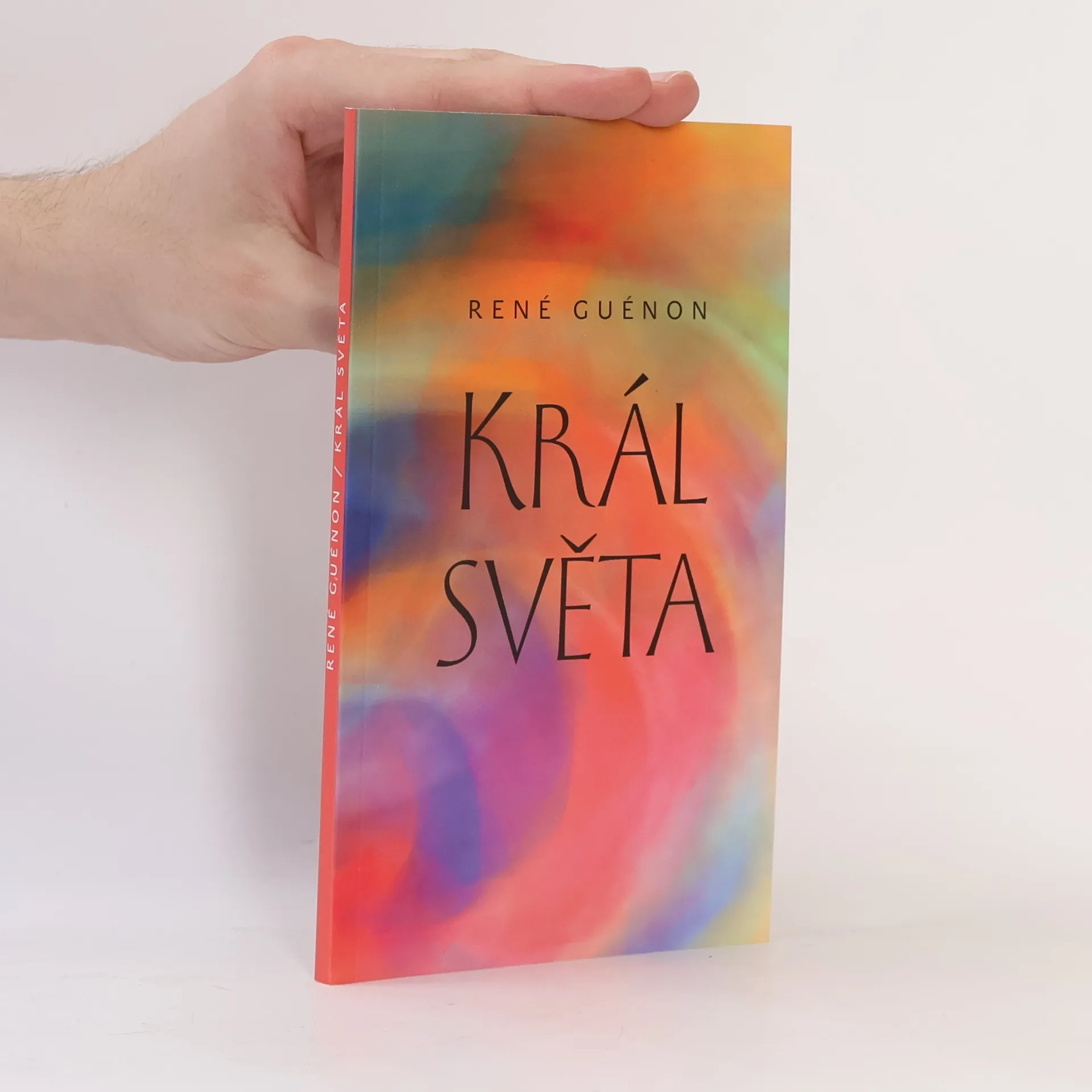
Francouzský filozof, zasvěcenec súfismu, přibližuje posvátnou symboliku "duchovního středu světa". Všechny tzv. duchovní tradice prokazují existenci země v pravém smyslu svaté, která je ostatním svatým zemím nadřazena jako jejich prototyp - "země živých". Bývá zpravidla lokalizována do "neviditelného světa" . Pro nepovolané je fakticky neviditelná a nedostupná. Matematik a filozof z hlediska tradičních metafyzických i esoterických nauk interpretuje tzv. zemi živých.