

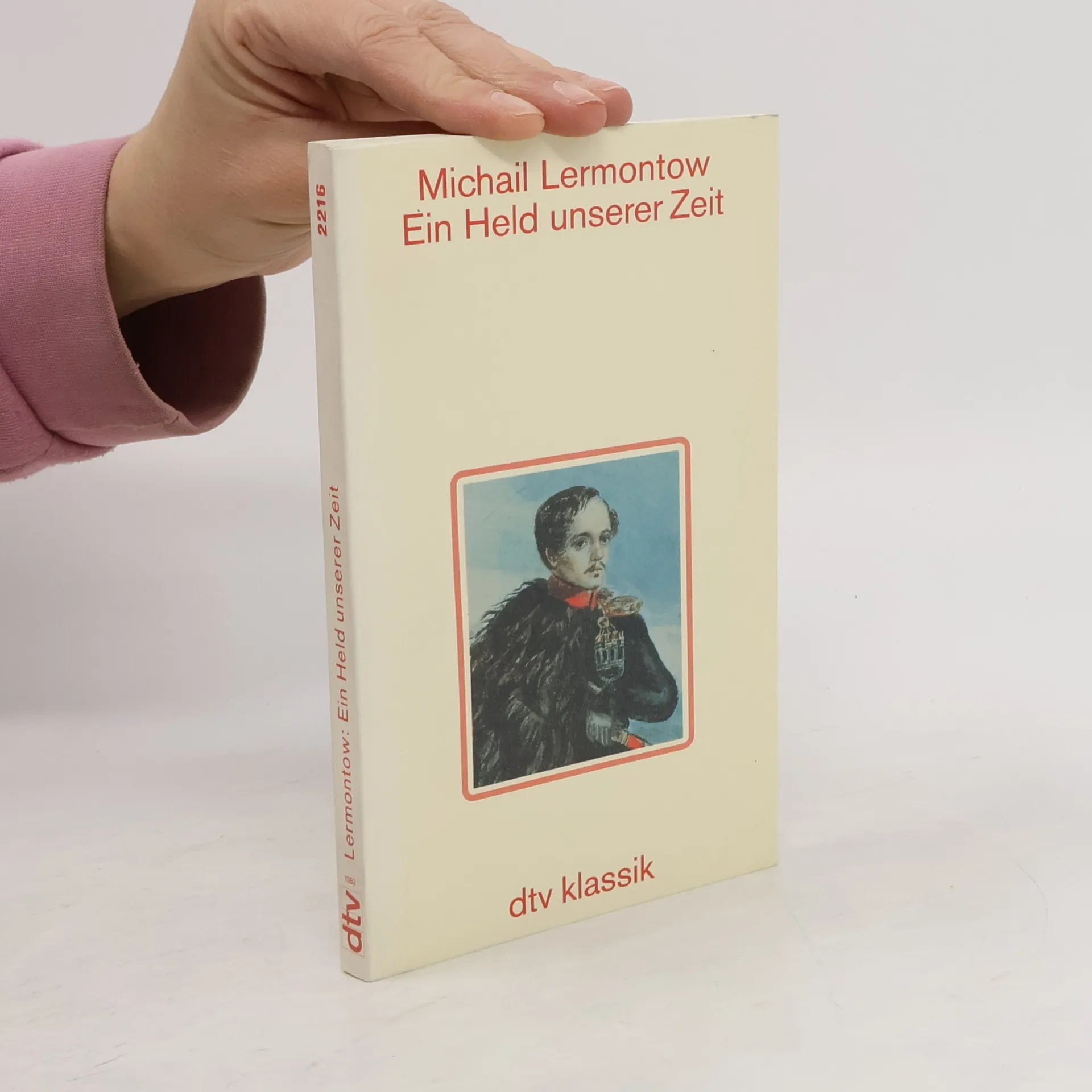
"Ein Held unserer Zeit" von M. J. Lermontow (1814 - 1841) ist der erste psychologische Roman in der russischen Literatur. Bis heute gibt es noch keine Einstimmigkeit in der Deutung des Charakters des Protagonisten: ist er lediglich ein romantischer Bosewicht oder doch eine aussergewohnliche tragische Personlichkeit, die sich mit den existenziellen Fragen qualt: "Wofur habe ich gelebt? Wofur wurde ich geboren?" Lermontow und seine Romanfiguren stellen ein gefahrliches Experiment auf: Das eigene Leben riskierend suchen sie nach dem Ziel des Lebens. Die sinnlose Existenz furchten sie mehr als den Tod
Paul Foote Bücher
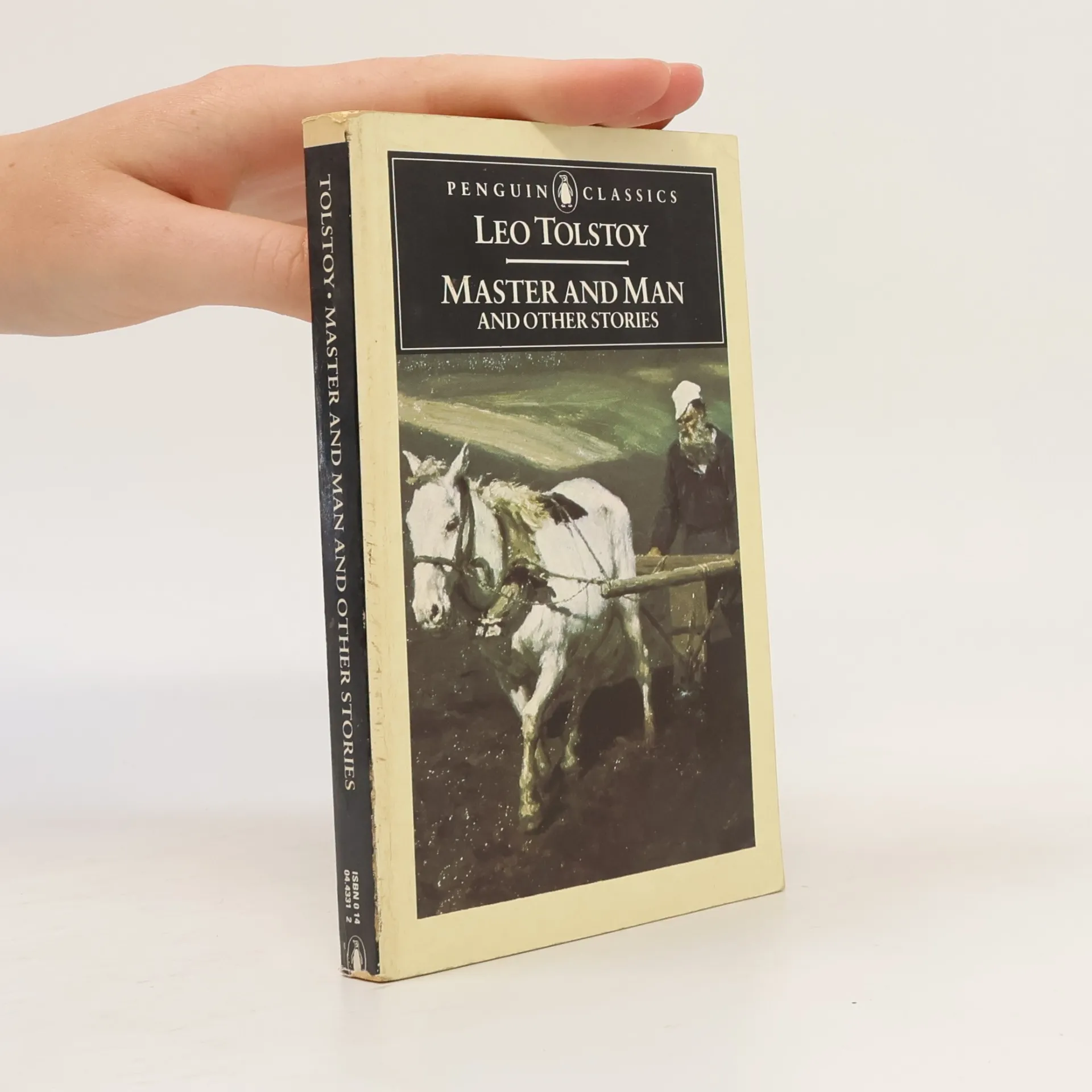
Penguin Classics: Master and Man and Other Stories
- 271 Seiten
- 10 Lesestunden
These three stories were begun in the 1890s during the period when Tolstoy, tormented by questions of religion and morality, undertook literature almost as a guilty pleasure. He none the less put his highest art into them and only twinges of dogma. Both Father Sergius and Master and Man are preoccupied with material desires - for the flesh in one instance and in the other for money - although the first story, involving a dashing young officer turned monk, also bears out Tolstoy's assertion that 'the struggle with lust is...only a stage; the main struggle is with worldly fame'. Hadji Murat stands apart in that Tolstoy lost all compulsion to moralize and going back to the Caucasus where he spent his young manhood, gives us in a soldier-traitor one of his most memorable heroes.