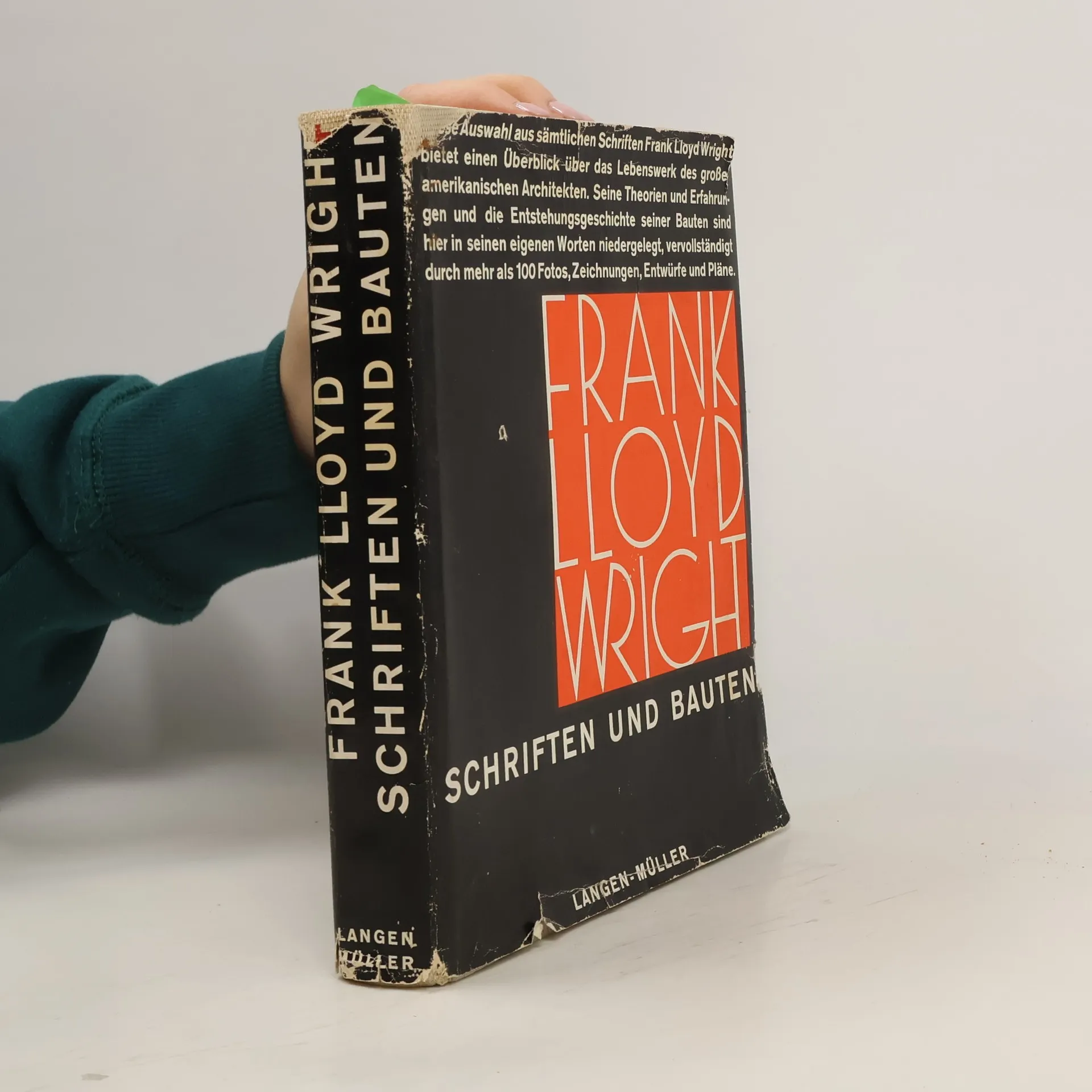
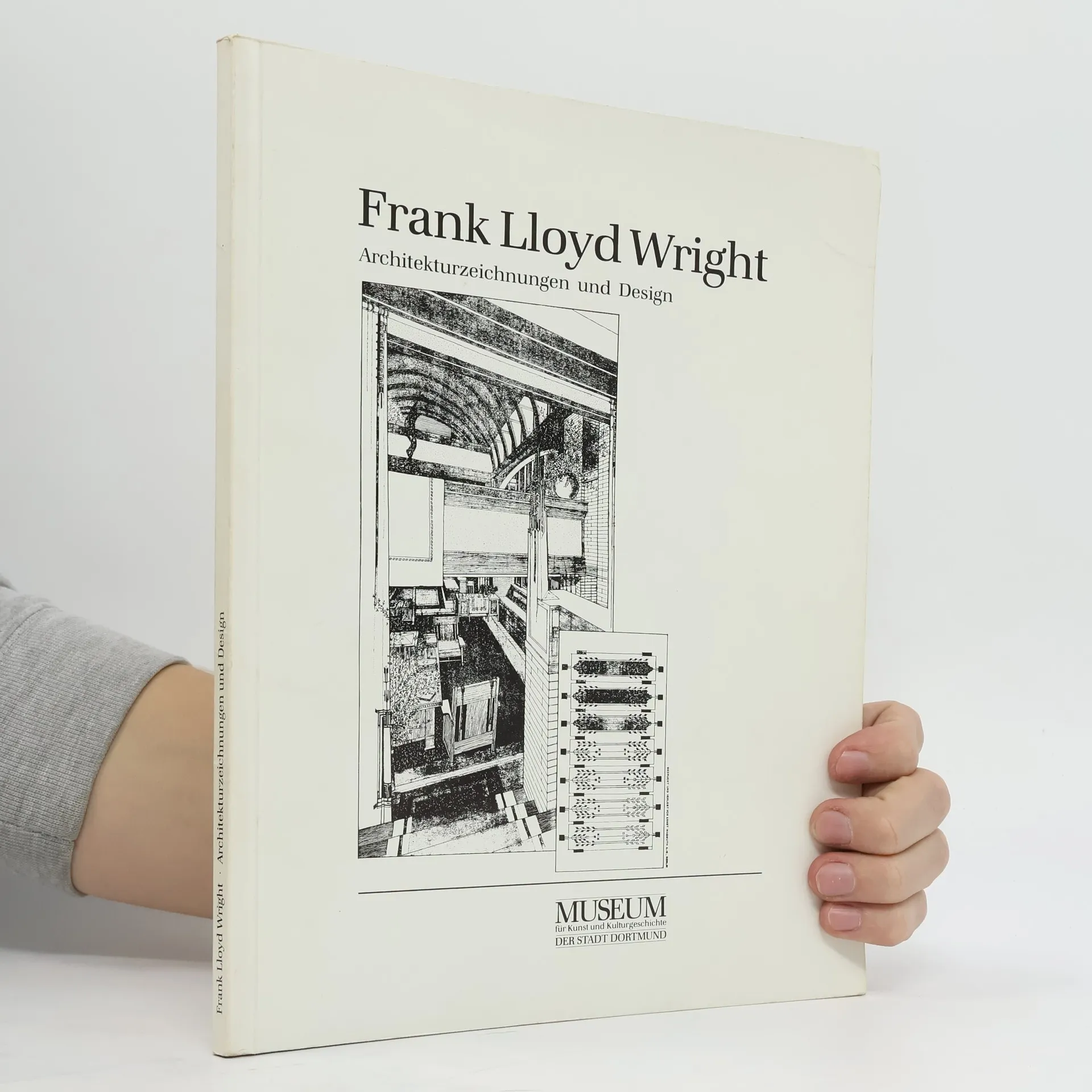
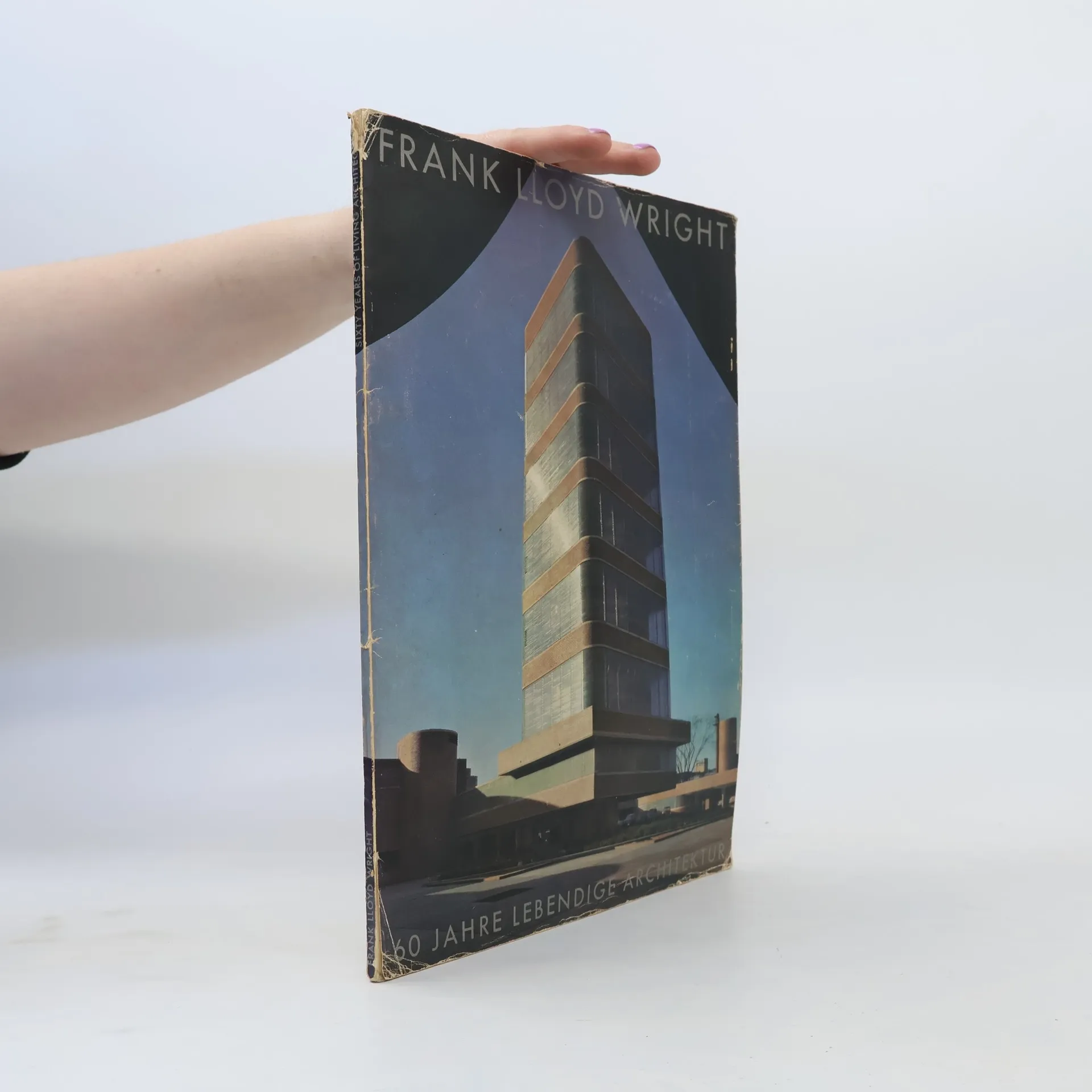
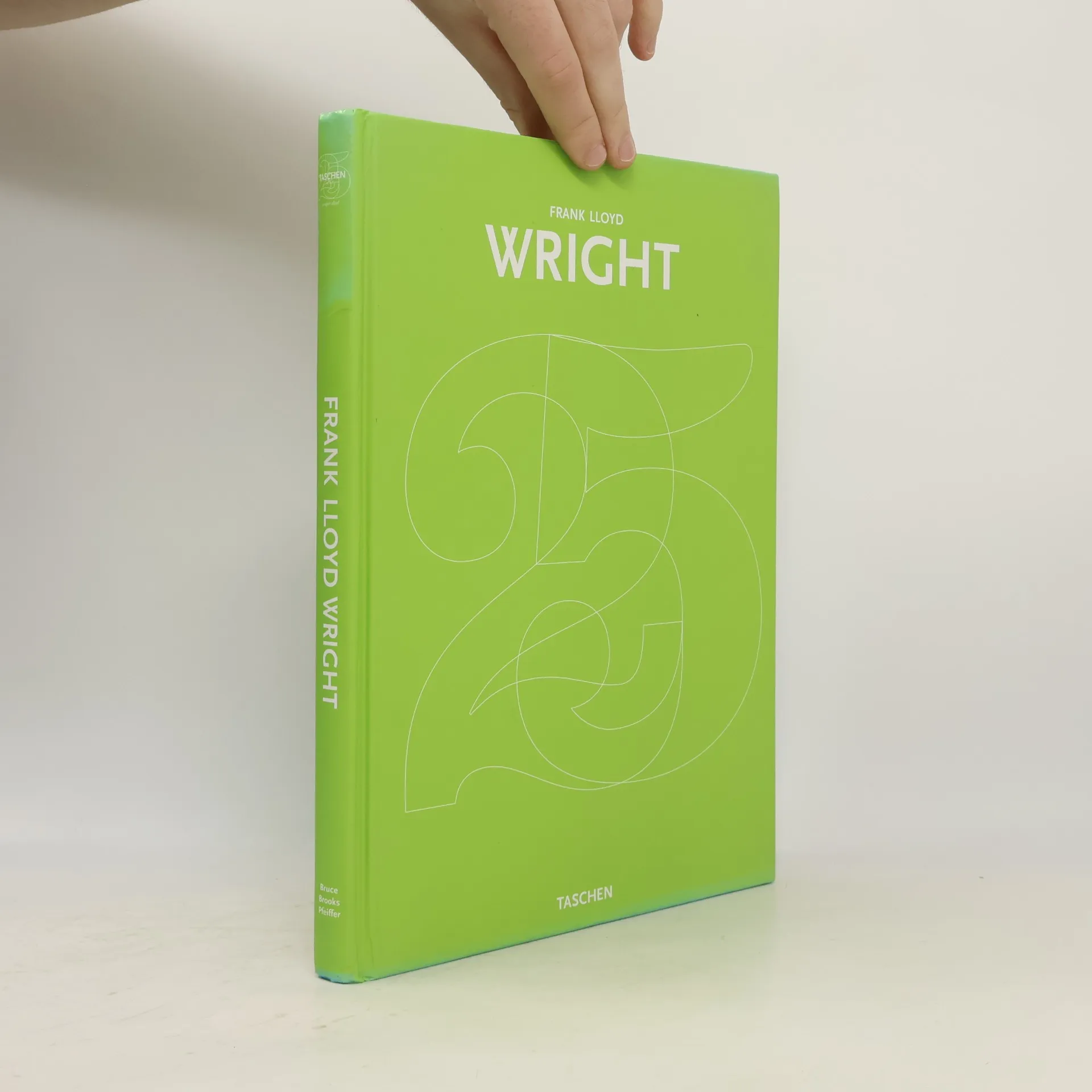
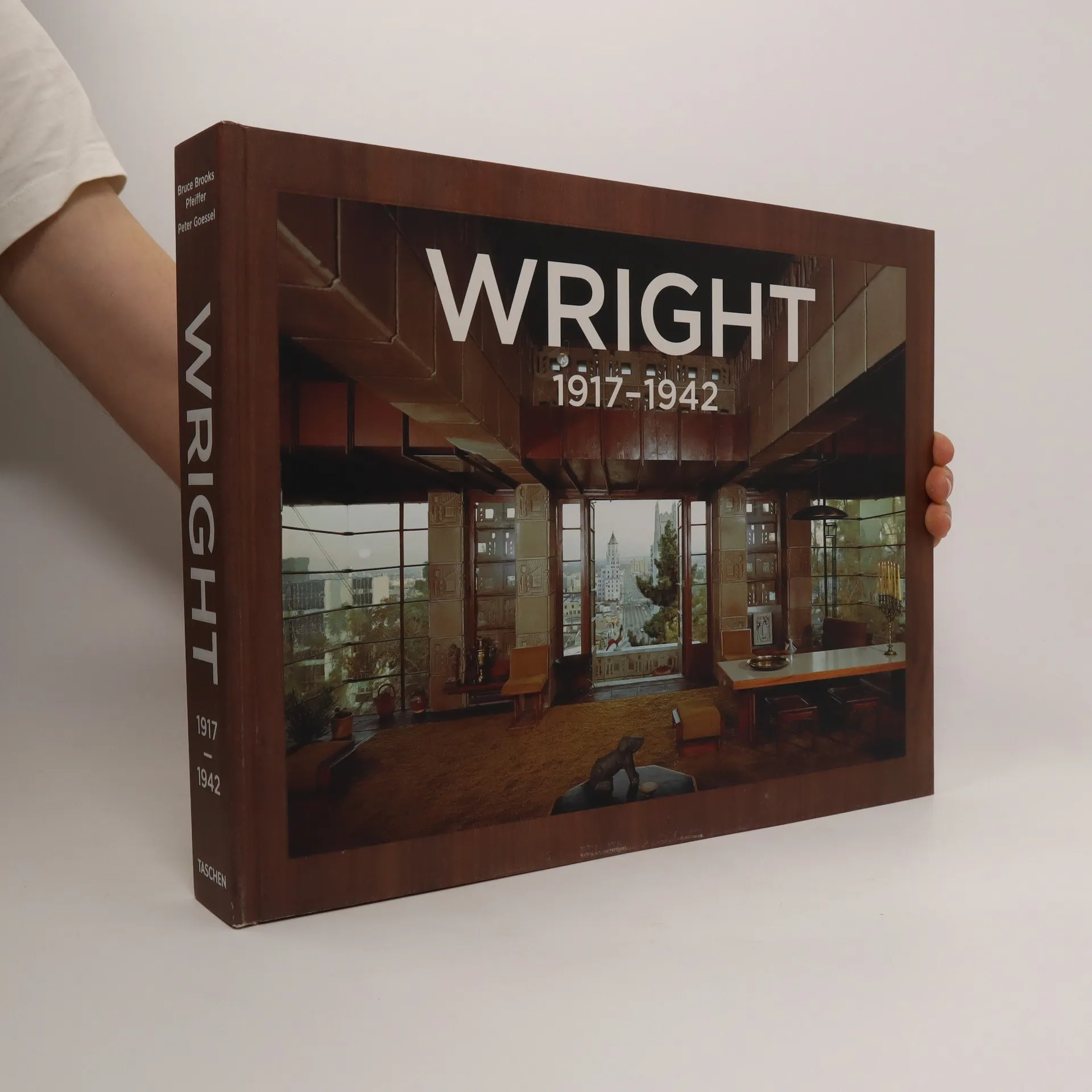
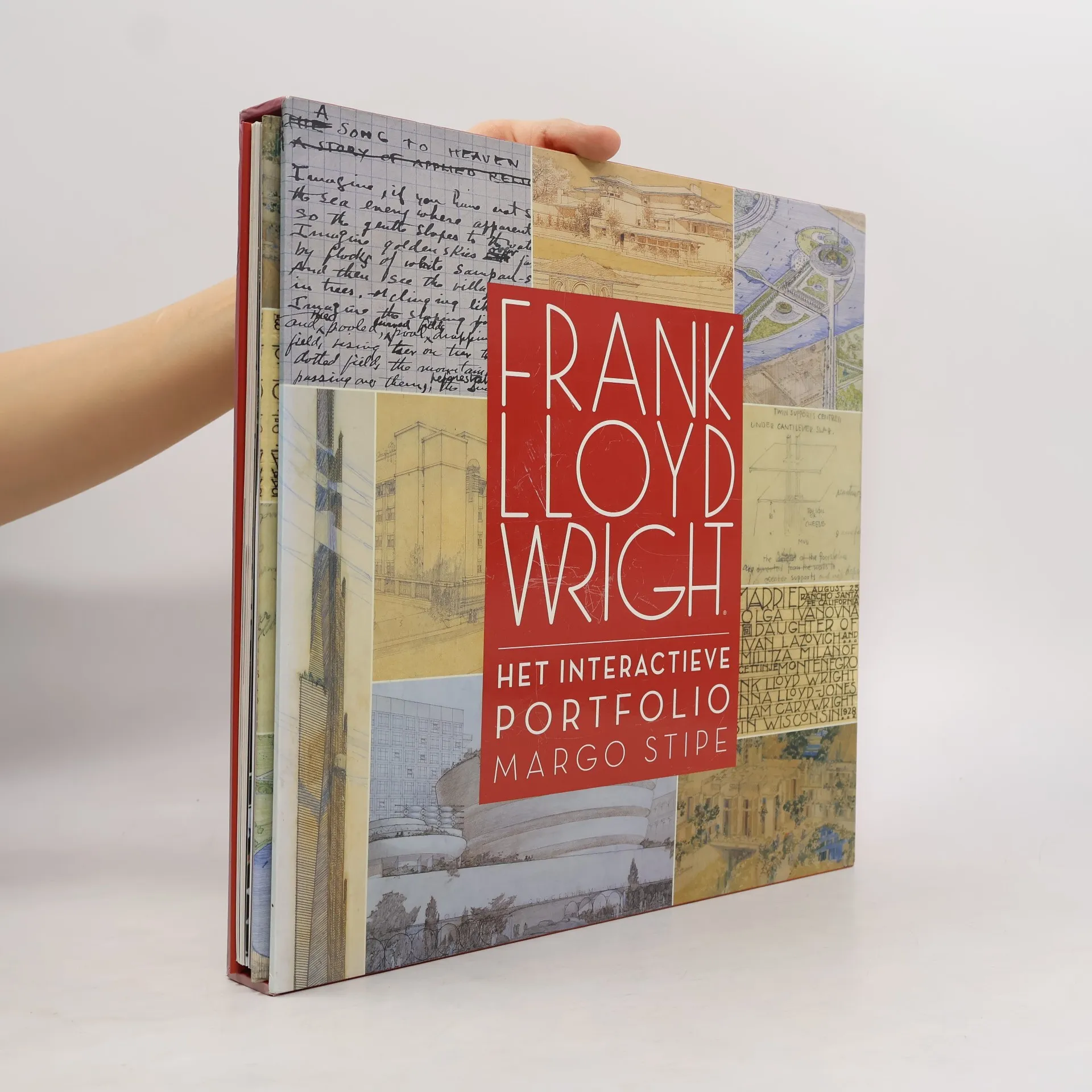
Frank Lloyd WrightReihenfolge der Bücher (Chronologisch)
8. Juni 1867 – 9. April 1959
Frank Lloyd Wright war einer der weltweit bedeutendsten und einflussreichsten Architekten. Er entwickelte eine Reihe hochgradig individueller Stile, beeinflusste das Design von Gebäuden auf der ganzen Welt und bleibt bis heute Amerikas berühmtester Architekt. Wright war zu Lebzeiten ebenfalls sehr bekannt. Sein farbenfrohes persönliches Leben sorgte häufig für Schlagzeilen, insbesondere wegen des Scheiterns seiner ersten beiden Ehen und wegen des Brandes und der Morde in seinem Taliesin-Atelier im Jahr 1914.
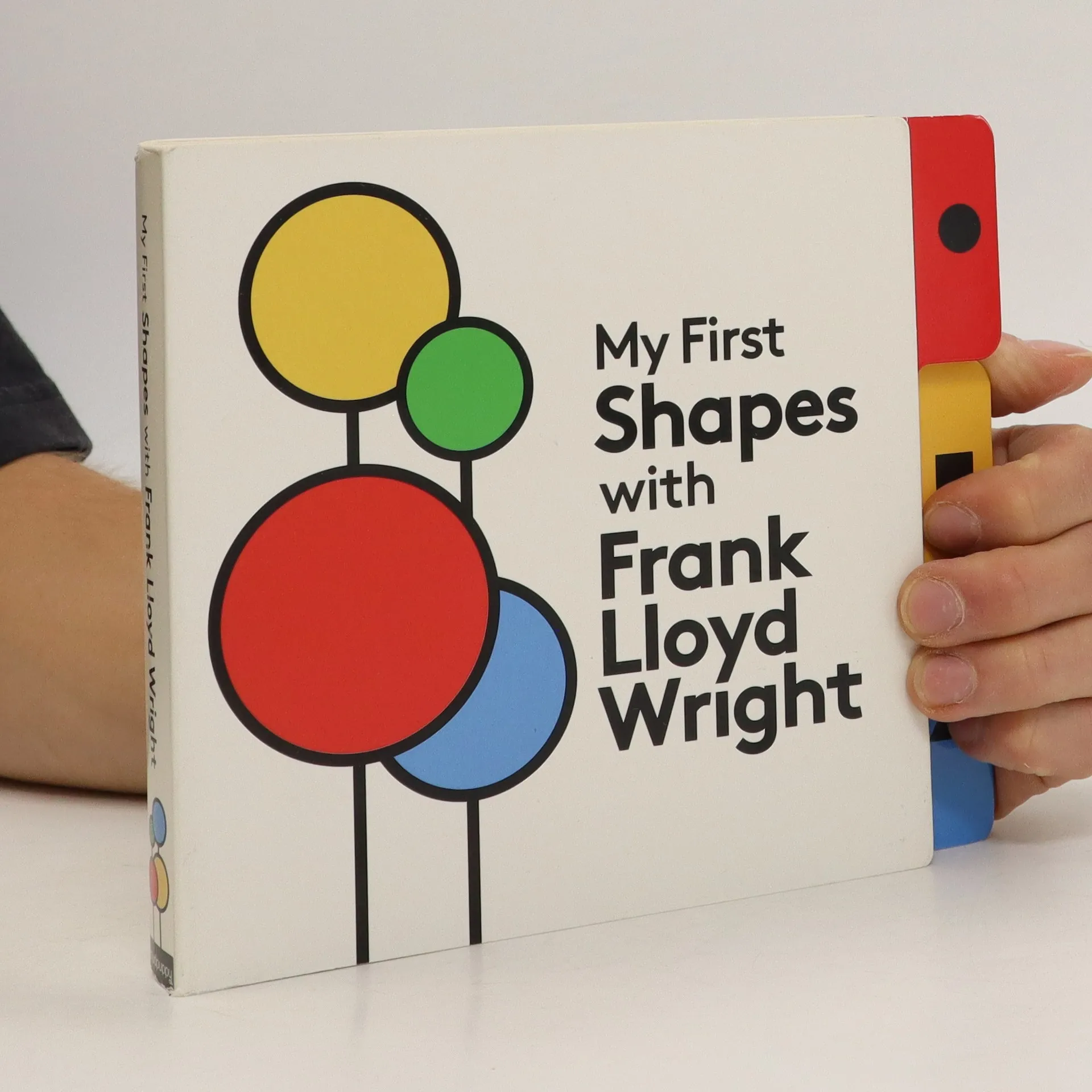
Frank Lloyd Wright used basic geometric shapes as the foundation for his modern architecture. Learn your basic shapes alongside this famous architect with My First Shapes with Frank Lloyd Wright Board Book from Mudpuppy. Each chapter tab focuses on one of three basics shapes: circle, square, or triangle. - Size: 6.25 x 7"
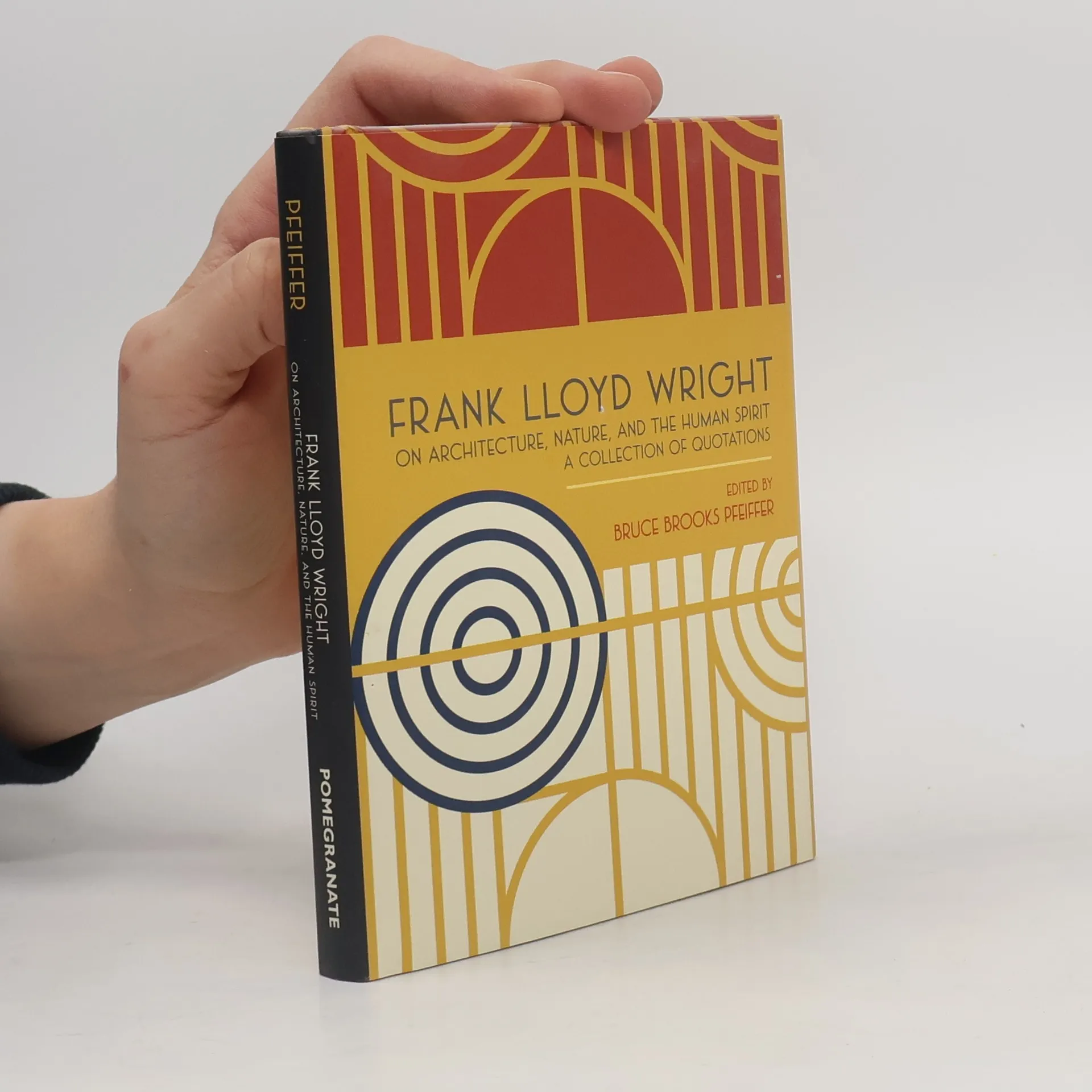
The architect of the Guggenheim Museum, Fallingwater, the Robie House, and the Johnson Wax Administration Building, Frank Lloyd Wright once said, ";You do not learn by way of your successes. No one does."; Just as he flouted convention in a series of astonishing buildings, so did Wright go against the grain in his career as a writer and lecturer. On subjects as diverse as McCarthyism and cement blocks, he produced countless lectures and articles, a half-dozen books, and a remarkable series of informal talks delivered to his apprentices on Sunday mornings.Bruce Brooks Pfeiffer, the author of several collections of Wright’s writings and Director of the Frank Lloyd Wright Archives, has culled more than two hundred quotations from a wide range of sources, drawing heavily on transcripts of the Sunday talks. The themes to which Wright returned most often serve as the book’s the value of architecture takes precedence, but topics such as government and the ge
Frank Lloyd Wright pioneered a bold kind of architecture, one in which the
spirit of modern man truly 'lived in his buildings'. This title presents a
compendium of Wright's some of the most critically important - and personally
revealing - writings on various conceivable aspects of his craft.
Frank Lloyd Wright (1867–1959) gilt als der bedeutendste amerikanische Architekt und hat mit seinem einflussreichen Werk die Moderne geprägt. TASCHEN widmet ihm eine dreibändige Monographie, die alle seine rund 1.100 realisierten und unrealisierten Entwürfe behandelt. In Zusammenarbeit mit den Frank Lloyd Wright Archives in Taliesin, Arizona, wird Wrights bemerkenswertes Leben und Werk gewürdigt. Der Band beginnt mit Wrights Jahren in Japan, insbesondere am Imperial Hotel, gefolgt von persönlichen Turbulenzen. 1922 ließ er sich von seiner ersten Frau Catherine scheiden und heiratete Miriam Noel, die ihn jedoch bald darauf verließ. In dieser schwierigen Phase belastete ein Feuer in Taliesin seine bereits angespannte finanzielle Situation, was zu Zwangsvollstreckungen führte. Um seinen Lebensunterhalt zu sichern, begann Wright, Zeitungsartikel zu schreiben und veröffentlichte 1932 seine gefeierte Autobiografie. Trotz der Weltwirtschaftskrise und unvollendeter Entwürfe entwickelte er neue Konzepte, darunter die Blockbauweise, die zu einzigartigen Werken wie dem Ennis-Haus führte. 1936 vollendete er das Herbert-Jacobs-Haus mit seinen usonischen Techniken, die erschwingliches Wohnen für Familien ermöglichen sollten. Nach seinem Umzug nach Arizona schuf er mit seinen Studenten Taliesin West und erlebte eine Wiederbelebung seines Schaffens, die in den ikonischen Fallingwater und Johnson Buildings gipfelte. Seine usonischen Häuser rev
Déjà présents sous diverses dénominations, les ATSEM ont acquis une véritable professionnalité depuis 1991 avec la création du CAP "petite enfance" et d'un cadre d'emplois spécifique en 1992. Leur rôle au sein de l'école maternelle s'est complexifié, nécessitant une adaptation constante pour garantir la qualité de l'accueil de la petite enfance. Agents territoriaux dans le système éducatif, les ATSEM sont spécialisés et affectés à de multiples tâches, faisant d'eux des collaborateurs essentiels des enseignants. Le premier chapitre présente les documents fondateurs et commente le statut des ATSEM, incluant qualification, recrutement et préparation au concours. La seconde partie explore leurs conditions de travail et leur pratique quotidienne, enrichie de témoignages de plusieurs centaines d'ATSEM et de directeurs d'écoles maternelles issus de deux enquêtes comparatives. Enfin, un dernier chapitre aborde l'histoire des structures d'accueil et les perspectives d'avenir de ce métier en pleine transformation. Cette seconde édition, entièrement rénovée et augmentée, vise à éclairer les enjeux de leur fonction et à fournir aux ATSEM, futurs professionnels, enseignants et acteurs de l'éducation une somme d'informations et de références conformes aux instructions ministérielles récentes.
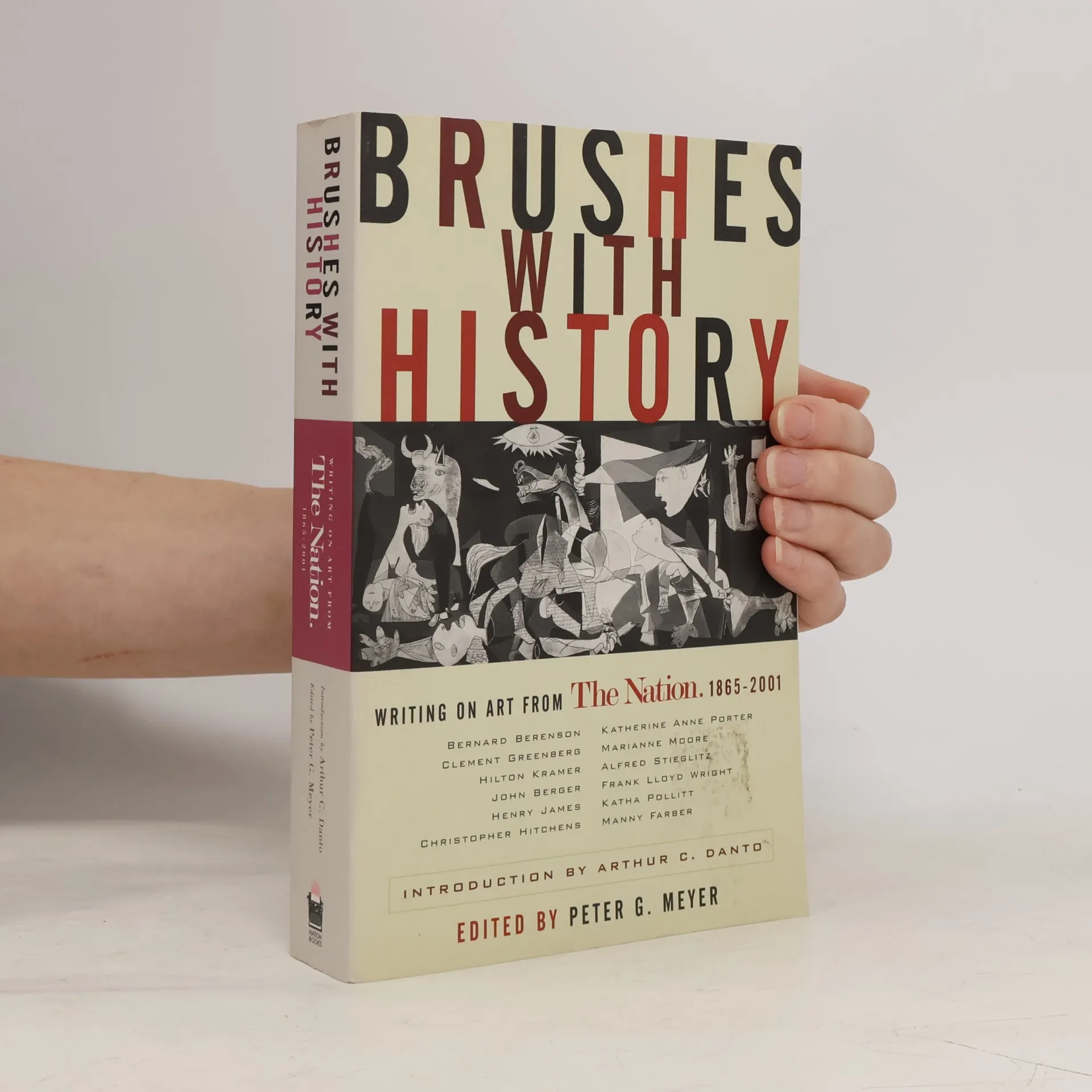
The Nation magazine, since its founding in 1865, began what has become, for better or worse, art criticism as a cultural institution in the United States. This eclectic collection features contributors like Christopher Hitchens on “degenerate art,” Heywood Broun on the Artists Congress of 1936, Katherine Anne Porter on children’s art, Marianne Moore on the death of Nation art critic Paul Rosenfeld, and Langston Hughes on “Negro Art.” The volume also includes contributions from many well-known Stuart Davis, Marsden Harley, Alfred Stieglitz, John Marin, Kenyon Cox, Guy Pene Du Bois, Louis Lozowick, and Frank Lloyd Wright. Celebrated writers on art such as Bernard Berenson, Clement Greenberg, Lawrence Alloway, Hilton Kramer, Max Kozloff, John Berger, and Arthur Danto give readers first-hand accounts of the debuts of artists ranging from John Singer Sargent to Jackson Pollock and Willem deKooning as well as the famous lawsuit between John Ruskin and James McNeill Whistler (reported by a youthful Henry James), the destruction of Diego Rivera’s Rockefeller Center murals and Richard Nixon’s views on art. More recently writers like E.L. Doctorow and Katha Pollitt have weighed in on the recent culture wars over arts funding and free expression.
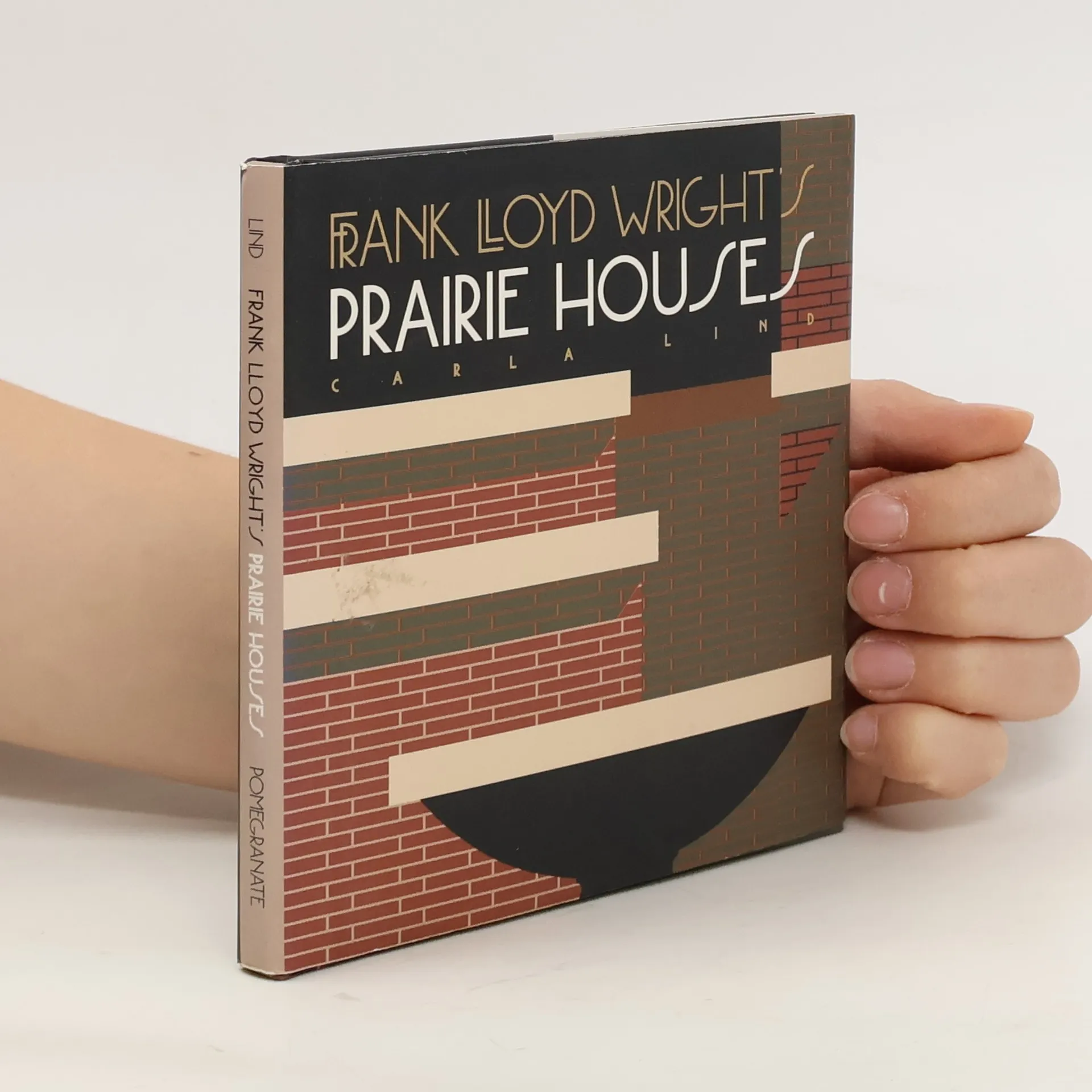
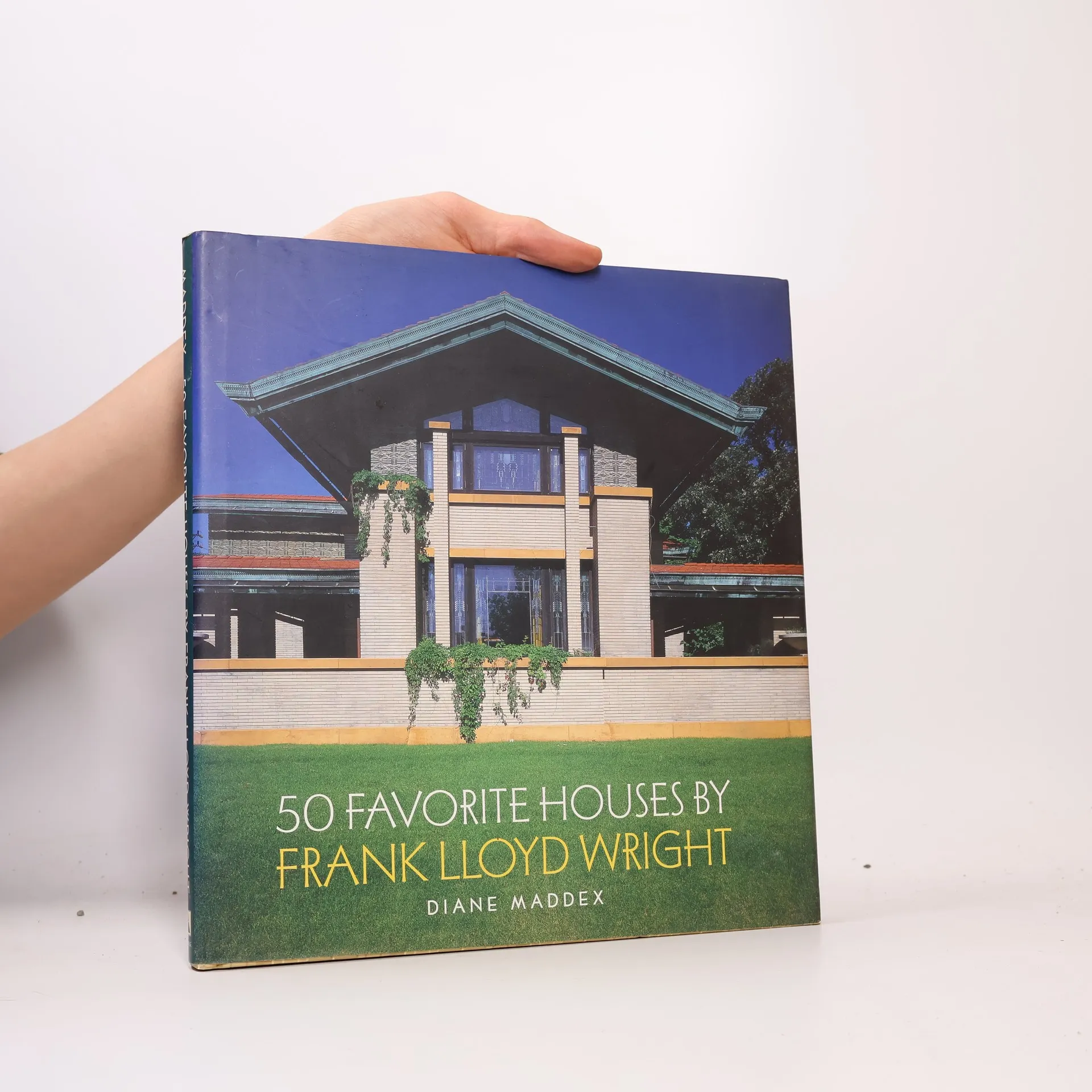
This gorgeous volume celebrates the great houses designed by Frank Lloyd Wright, the world's noted and America's most popular architect. An illustrated introduction provides an overview of design principles and Wright's ideas behind the modern home and is followed by sections on Early Houses, Prairie Houses, 1920's and 1930's Houses, and Usonian Houses. Elegant full-color photographs and an authoritative yet accessible text profile fifty of the best-loved signature homes that the architect created. Written by award-winning author, Diane Maddex, this lush companion to its hugely successful predecessors, Fifty Favorite Rooms by Frank Lloyd Wright and Fifty Favorite Furnishings by Frank Lloyd Wright, offers an approachable look at the architect's definitive decorative style.
Early Visions : The Great Achievements Of The Oak Park Years
166 Seiten
6 Lesestunden
Originally published as Ausgefuhrte Bauten in Germany in 1911, Frank Lloyd Wright: Early Visions reproduces the first book of photographs of Wright's architecture. Here are the works of what is called his Oak Park period, the years between 1893 and 1910 when Wright lived and worked in Oak Park, Illinois. Included are more than thirty houses, as well as some public buildings. Early Visions covers the idealistic, formative years of Frank Lloyd Wright's career. In many ways, they were the most important years. A number of the buildings reproduced have been demolished, but many others still stand. Indeed, today under the auspices of the National Trust for Historic Preservation, Oak Park celebrates the Frank Lloyd Wright Prairie School of Architecture in a National Historic District, with twenty-five structures by Wright. It is the largest collection of his built designs in the world. His home and studio at 951 Chicago Avenue, where he lived and worked from 1889 to 1909, is open to the public, and tours of his other buildings may be arranged. In this new edition of the first book of Wright's architectural photographs, the spirit of these and other early works by the greatest of American architects remains bold and vital.
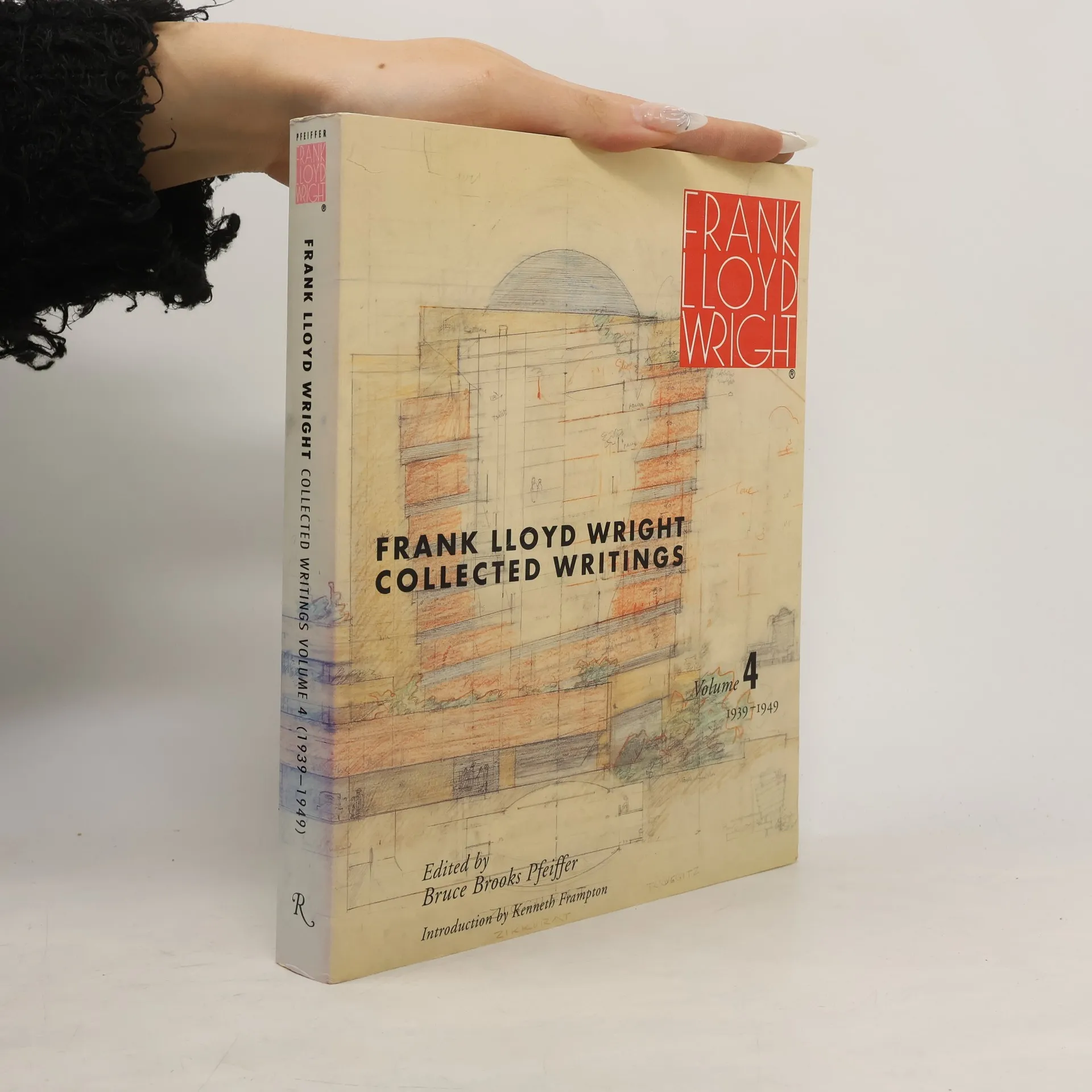
This is the fourth volume in the highly acclaimed series of Wright's written works, most of which are out of print and have never before been systematically compiled for publication. Arranged chronologically, Volume IV includes the years of world conflict and postwar recovery--a rich, prolific period during which Wright created designs for some of his best-known buildings.
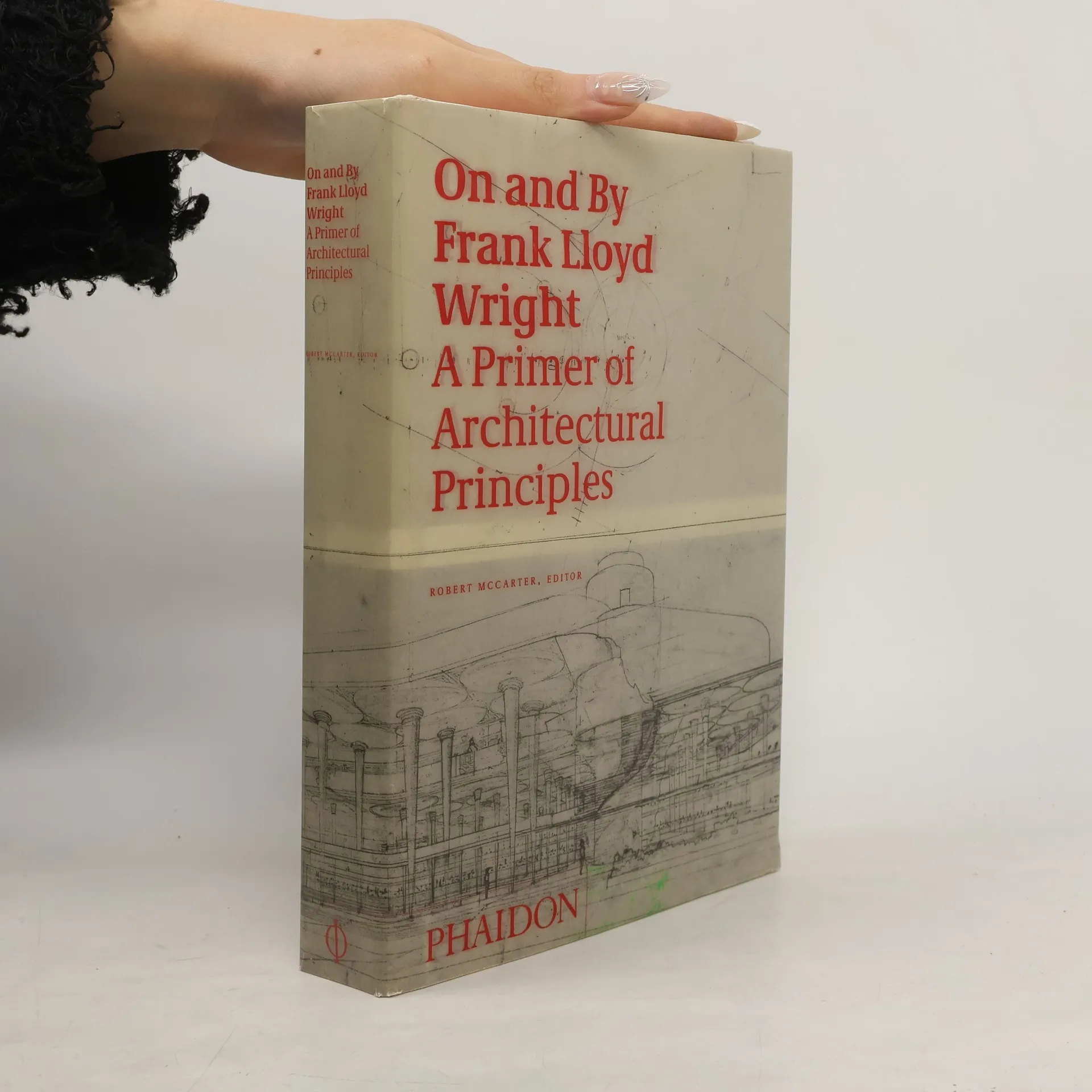
“One hundred years from now, people will look at his ideas, his principles, his forms, and see—with wonder and amazement—that those ideas are still fresh, vibrant, applicable, and intensely prophetic.” —Olgivanna Lloyd Wright (1969). Nearly twenty years later, this exhibition of Frank Lloyd Wright’s principles and forms validates Mrs. Wright’s prophecy, showcasing the foundation of his achievement.
Part 1, prepared by Bruce Brooks Pfeiffer, features four sections defined by Wright’s own words: “The Destruction of the Box: The Freedom of Space”; “The Nature of the Site”; “Materials and Methods”; and “The Architecture of Democracy.” It includes 150 illustrations (86 in full color), presenting dazzling visions of architectural treasures—some realized, some planned but never built, and others that continue to enrich our society. Accompanying quotes from Wright illustrate how his ideas manifested in his designs.
Part 2 comprises five essays that enhance our understanding of Wright’s contributions: Jack Quinan on the Chicago context in 1893; Aaron Green discussing organic architecture; E. T. Casey on structure in organic architecture; Narciso Menocal on Wright’s architectural democracy; and Bruce Brooks Pfeiffer on Wright’s second career from 1924 to 1959. An appendix provides detailed descriptions of the works featured in Part 1, including notes on media, methods, and measurements.
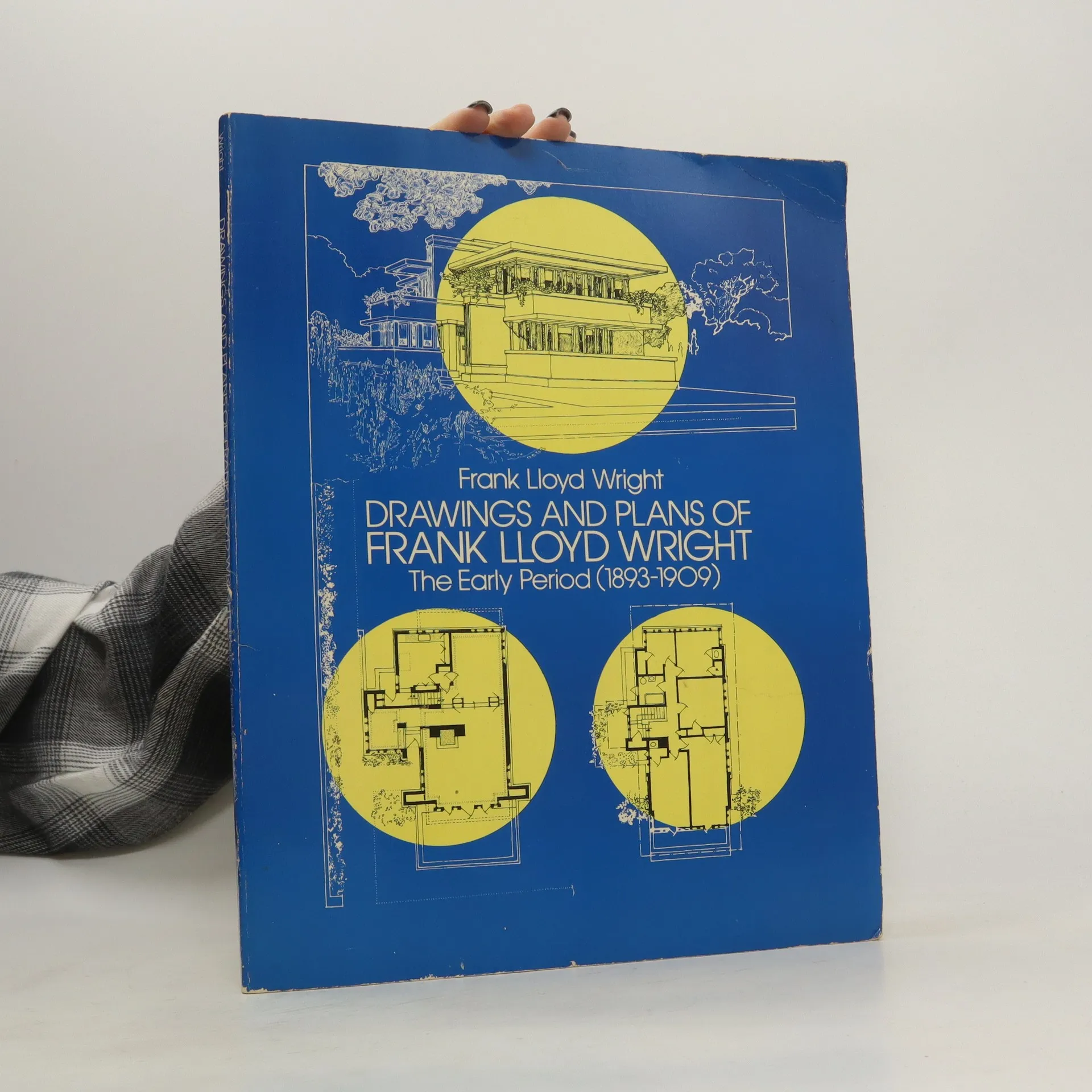
Frank Lloyd Wright's Wasmuth folios, one of the most important publications on modern architecture in the 20th century, is available once again from Rizzoli. First published in Germany in 1910, these 100 plates of Wright's early work had enormous influence on the architects of the time and will provide a valuable resource to historians and architects today. This facsimile edition includes the original selection of presentation and working drawings form the Oak Park period, the years perhaps most crucial to Wright's development. Also faithfully reproduced are the architect's own introduction and his comments on each project. A new foreword discusses the recently discovered historic background of these folios and Wright's intention to proffer them as a primer for a new democratic American architecture.
The complete Wasmuth drawings, 1910. Wright's early experiments in organic design: 100 plates of buildings from Oak Park period from first edition. Includes Wright's iconoclastic introduction.
Wright est un phénomène étonnant : sa première oeuvre personnelle date de 1889; sa dernière, le musée Guggenheim, de 1959. En soixante-dix ans, il a construit 650 bâtiments, révolutionnant tour à tour l' " art nouveau" et l'"art moderne", mais à sa façon. C'est peut-être ce qui explique que sa pensée soit aussi actuelle. À la lecture, on a du mal à imaginer que la plupart de ces textes ont soixante-dix ans - et même un siècle pour l'un d'eux - tant les préoccupations sont les nôtres et les réponses proposées toujours pertinentes. Opposé au côté mécaniste du mouvement moderne, proche de la nature dans son far-west, il devance nos inquiétudes écologiques. Comme l'a justement appelé Lewis Mumford, il est le Fuji-Yama de l'architecture.