

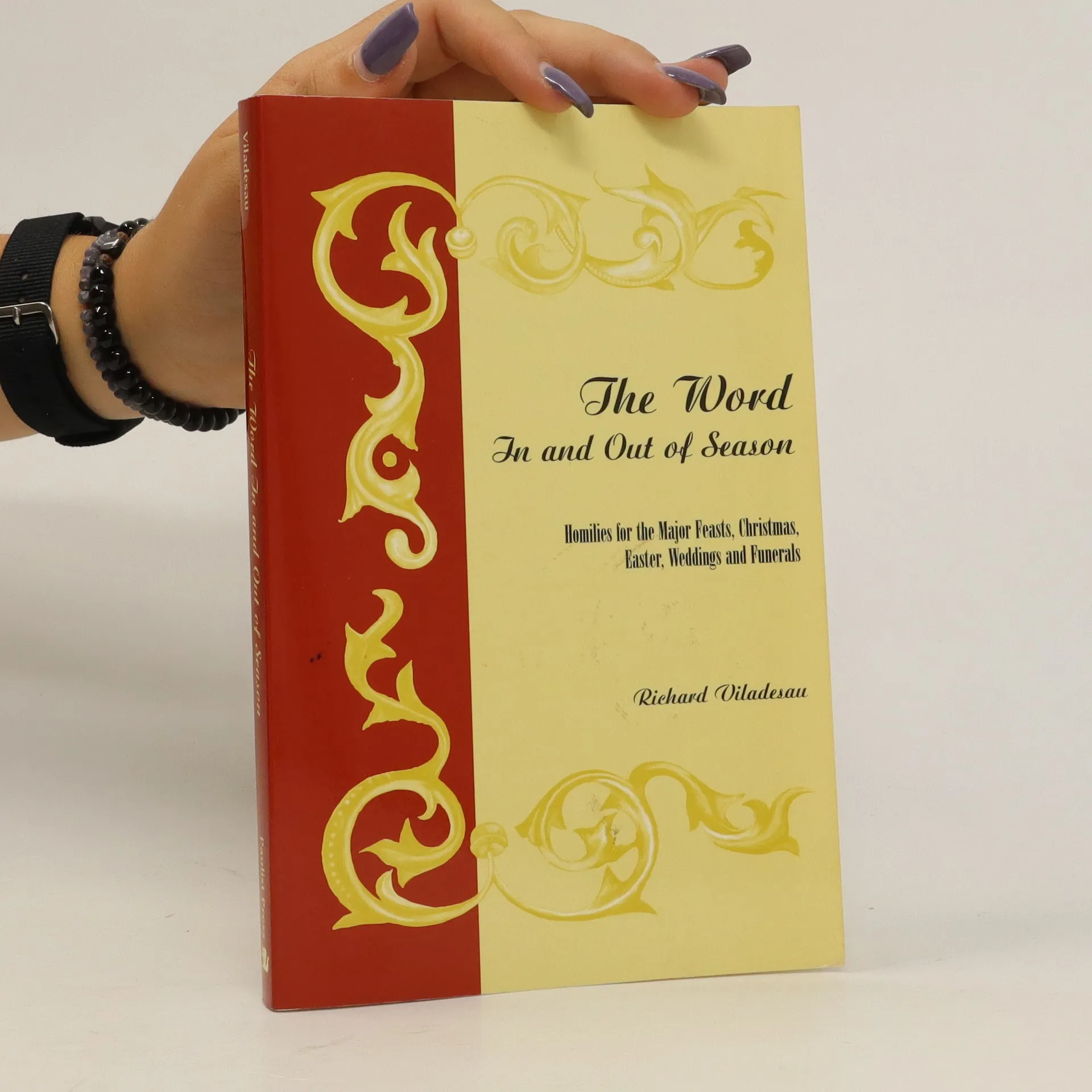
In the fourth volume of his popular series, veteran pastor and educator Richard Viladesau has written a collection of homilies for the seasons of Christmas and Easter. These two seasons "pose particular difficulties for the preacher because these feasts―especially Christmas―have been adopted into our culture in a secularized form that has little to do with their original religious meaning," contends Viladesau. In addition to homilies for the Christmas and Easter seasons, there are homiletic reflections on the Christian significance of birth marriage and deaths. The homilies, of three to four pages in length, make an engaging connection between Christian faith and contemporary existence in a secularized world. As he has done in his previous volume Viladesau offers a invaluable resource for preachers, who will find in his work food for thought and inspiration for the construction of their own homilies. Lay persons will appreciate as well the author's intellectually honest reflection on faith issues. †
Richard Viladesau Reihenfolge der Bücher (Chronologisch)
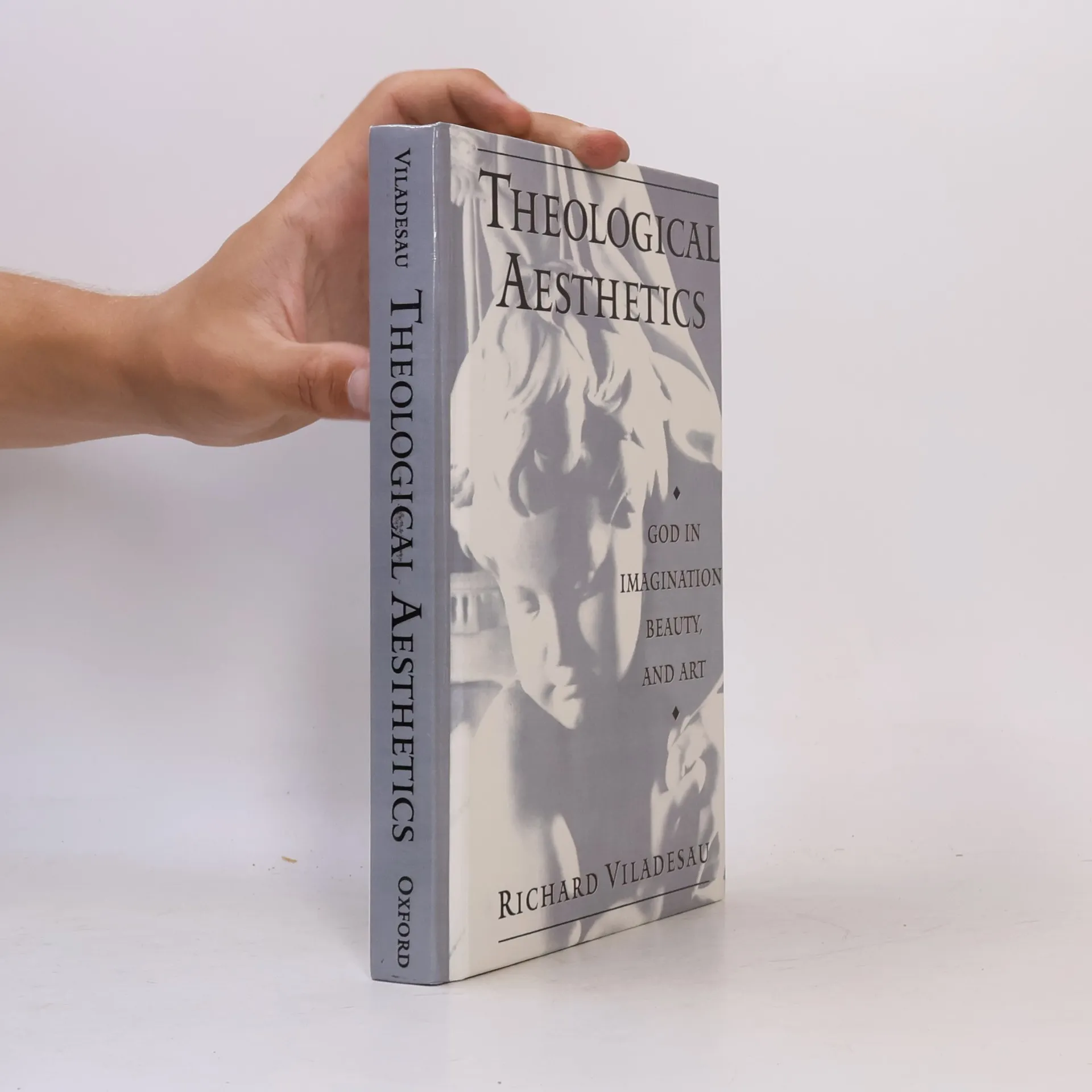
This book delves into the connection between aesthetic experience and our understanding of the holy, aiming to articulate a theology of revelation through the lens of aesthetic feeling, imagination, beauty, and the arts. Richard Viladesau examines how theology can embody imaginative and beautiful elements, focusing on the theological significance of aesthetic data across three major spheres of perception. Central to his inquiry is how these spheres serve as ambiguous sources of revelation. While much of the discussion is framed within Catholic theology, referencing figures like the Church Fathers, Karl Rahner, and Hans Urs von Balthasar, Viladesau also incorporates insights from Protestant theologian Gerardus van der Leeuw and thinkers such as Hans Georg Gadamer and Iris Murdoch. His analysis is enriched by artistic examples, including Mozart's music as interpreted by Karl Barth, Schoenberg's opera Moses und Aron, the sculptures of Chartres Cathedral, and the poetry of Rilke and Michelangelo. Ultimately, Viladesau presents a transcendental theology of aesthetics, positing that beauty, understood through Thomistic principles, is not just a perfection but a transcendental quality. He argues that every instance of beauty, when rightly perceived, implies a divine beauty, asserting that God is the essential condition for the existence of beauty.