Andrew NewbergReihenfolge der Bücher (Chronologisch)
Dr. Andrew Newberg ist ein Pionier in der neurowissenschaftlichen Erforschung religiöser und spiritueller Erfahrungen, der die Natur spiritueller Praktiken und ihre Auswirkungen auf Geist und Gehirn zu verstehen sucht. Seine Arbeit erforscht die faszinierende Beziehung zwischen Gehirn, Religion und Gesundheit und nutzt Hirnscans von Personen, die sich im Gebet, in der Meditation und in verschiedenen spirituellen Zuständen befinden. Er legt Wert darauf, strenge Wissenschaft aufrechtzuerhalten und gleichzeitig das religiöse Wesen zu bewahren, wodurch er die komplexen Verbindungen zwischen Wissenschaft und dem Heiligen beleuchtet.
How Sexual Pleasure Gave Birth to Religion and a Whole Lot More
232 Seiten
9 Lesestunden
Groundbreaking brain scan research reveals that the biological mechanisms behind religious, spiritual, and sexual experiences are fundamentally the same. Neuroscientist Andrew Newberg explores this intriguing connection, offering insights into how these aspects of human experience intertwine at a neurological level, challenging conventional views on the relationship between religion and sex.
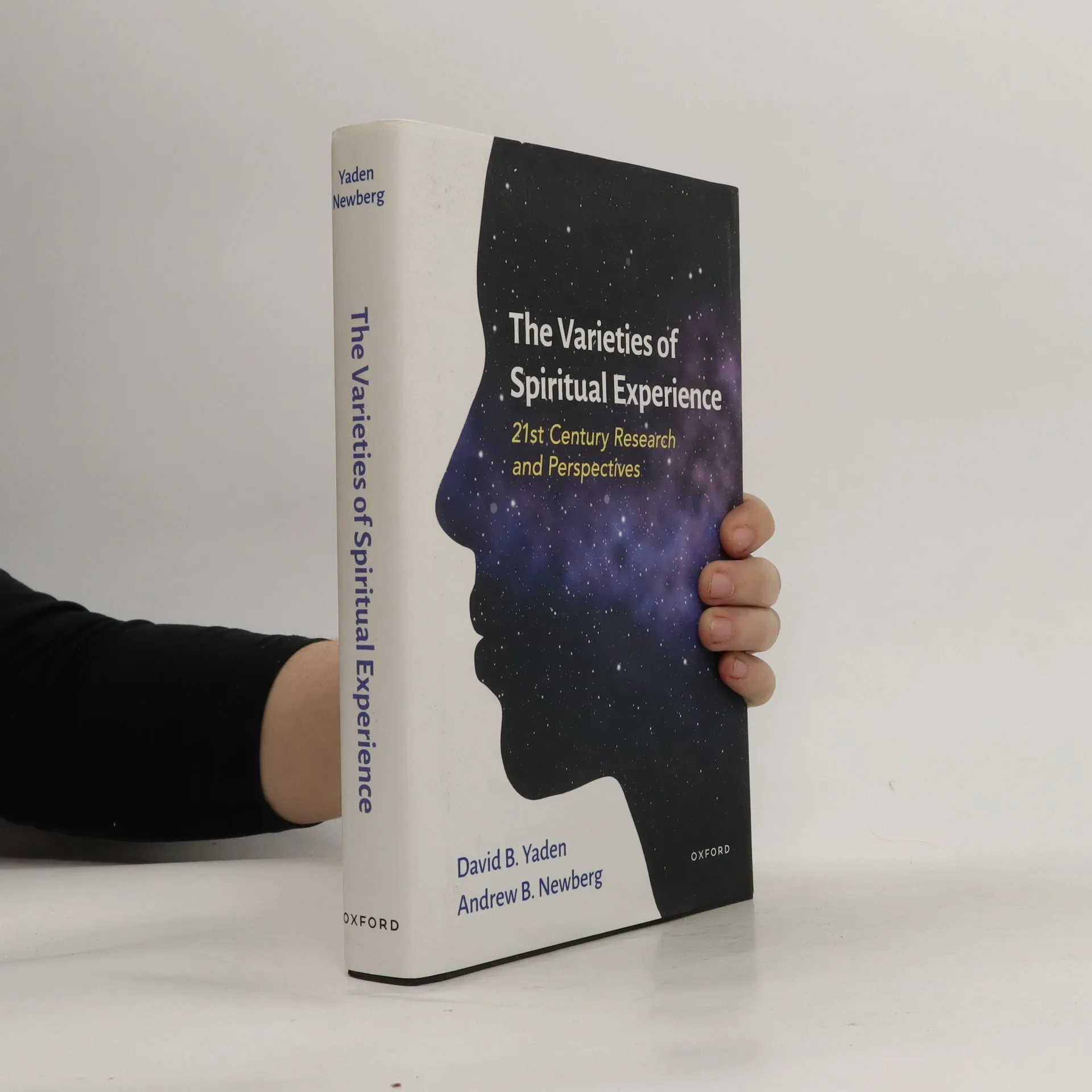
This book explores scientific breakthroughs on spiritual experiences from the fields of psychology and neuroscience, beginning with an account of William James's foundational work before turning to cutting-edge research using neuroimaging, psychedelics, and large surveys. Illustrated with examples of spiritual experiences drawn from a diverse set of personal accounts, this book provides the basis for a scientifically informed contemporary understanding of these mysterious and deeply meaningful moments.
The bestselling authors of How God Changes Your Brain reveal the neurological underpinnings of enlightenment, offering unique strategies to help readers experience its many benefits. In this original and groundbreaking book, Andrew Newberg, M.D., and Mark Robert Waldman turn their attention to the pinnacle of the human experience: enlightenment. Through his brain- scan studies on Brazilian psychic mediums, Sufi mystics, Buddhist meditators, Franciscan nuns, Pentecostals, and participants in secular spirituality rituals, Newberg has discovered the specific neurological mechanisms associated with the enlightenment experience--and how we might activate those circuits in our own brains. In his survey of more than one thousand people who have experienced enlightenment, Newberg has also discovered that in the aftermath they have had profound, positive life changes. Enlightenment offers us the possibility to become permanently less stress-prone, to break bad habits, to improve our collaboration and creativity skills, and to lead happier, more satisfying lives. Relaying the story of his own transformational experience as well as including the stories of others who try to describe an event that is truly indescribable, Newberg brings us a new paradigm for deep and lasting change.
Dostává se vám do rukou mimořádně zajímavá kniha: její autoři na základě vědeckého výzkumu a skenování mozku vysvětlují, že pokud se věnujeme určitým praktikám, dojde k tomu, že se začneme dívat na svět s pochopením, láskou a vnitřním mírem nebo prožijeme spojení s něčím, co nás přesahuje a co naprosto mění strukturu a fungování našeho mozku, a tedy i náš celkový psychický a zdravotní stav. Kromě pozoruhodných informací a příběhů zde najdete nenáročné, avšak účinné návody na rozmanitá duchovní cvičení, jež vám umožní rozšířit si obzory, lépe poznat či nalézt sebe samé a snad i dospět k osvícení.
Zwei der führenden Hirnforscher unserer Zeit haben mit der »Mitfühlenden Kommunikation« ein hochwirksames Instrument entdeckt, das innerhalb von Minuten eine heilsame Verbindung zwischen zwei Gesprächspartnern herstellt. Einfach in der Anwendungsweise, hilft sie uns, in jeder Situation das Vertrauen unseres Gegenübers zu gewinnen, Konflikte zu lösen und Nähe zu schaffen.
Bahnbrechende neue Erkenntnisse führender Neurowissenschaftler. Kann Beten den Alterungsprozess aufhalten? Lindert Meditation Depressionen? Zwei renommierte Neurowissenschaftler zeigen erstaunliche Zusammenhänge auf zwischen spiritueller Erfahrung und mentalem Wohlbefinden. Vor allem aber haben sie ein außergewöhnliches Übungsprogramm geschaffen, um diese Erkenntnisse praktisch umzusetzen. Ihre Methoden schöpfen aus einer Vielfalt östlicher und westlicher spiritueller Praktiken und sind für jeden leicht erlernbar. Mithilfe der „mitfühlenden Kommunikation“ können wir auch unsere Beziehungen nachhaltig bereichern.
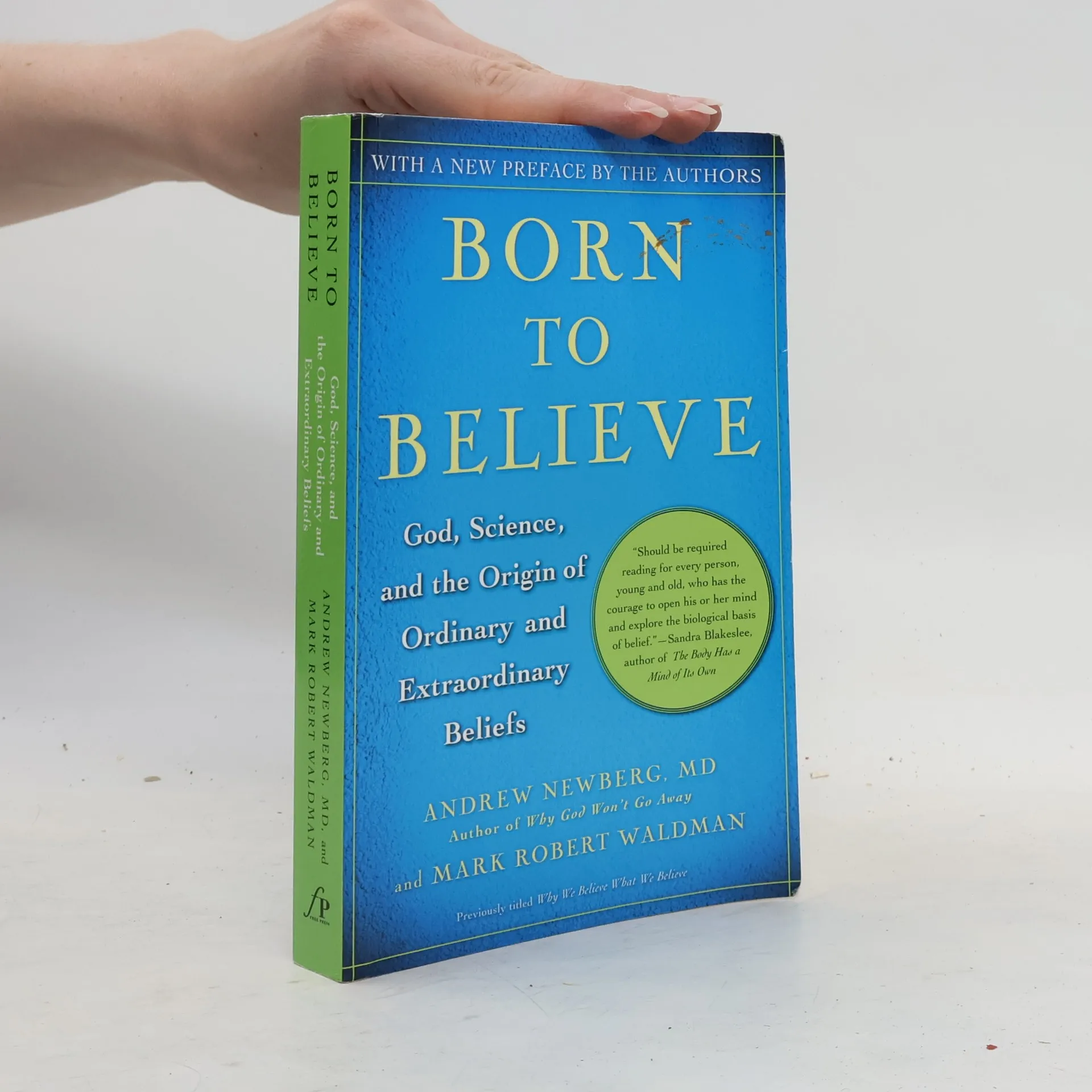
God, Science, and the Origin of Ordinary and Extraordinary Beliefs
352 Seiten
13 Lesestunden
Exploring the intersection of neuroscience and spirituality, this book reveals how the brain is inherently wired to form beliefs. It delves into the biological underpinnings of faith and conviction, providing insights that challenge conventional thinking about belief systems. With a strong pre-release buzz, the author, known for their previous bestseller, offers a compelling argument for the innate human tendency to believe, making it a thought-provoking read for those interested in psychology and spirituality.
Die uralte Streitfrage nach der Entstehung von Bewusstsein, Denken und Empfinden hat nun auch den Glauben erreicht. Die Kognitionswissenschaft versucht, die Ergebnisse der Biowissenschaften und der Philosophie zu verbinden, um plausible Erklärungsmuster zu definieren. In jüngster Zeit haben Newberg, D'Aquili und Rause neue Impulse geliefert, indem sie untersucht haben, was im menschlichen Gehirn geschieht, wenn wir meditieren und beten. Ihre Forschungsversuche zeigen, dass in diesen Momenten die Aktivität der Hirnregion, die für motorische Bewegungen zuständig ist, heruntergefahren wird, wodurch wir uns nur noch als Geist und nicht mehr als Körper empfinden. Dies wird durch auffällige Veränderungen im linken Schläfenlappen des Gehirns sichtbar. Zudem bleibt die Frage nach dem ersten Auftreten von Religion in der Menschheitsgeschichte und deren chemischen Reaktionen im Gehirn. Hierbei müssen neben den Naturwissenschaften auch die Kulturgeschichte und andere Disziplinen berücksichtigt werden. Klärungsbedarf besteht hinsichtlich der Rolle äußerer Einflüsse wie Sozialisation, der unterschiedlichen Ausprägungen von Glaubenswahrnehmungen und deren Variationen. Die Diskussion ist angestoßen und bleibt spannend.