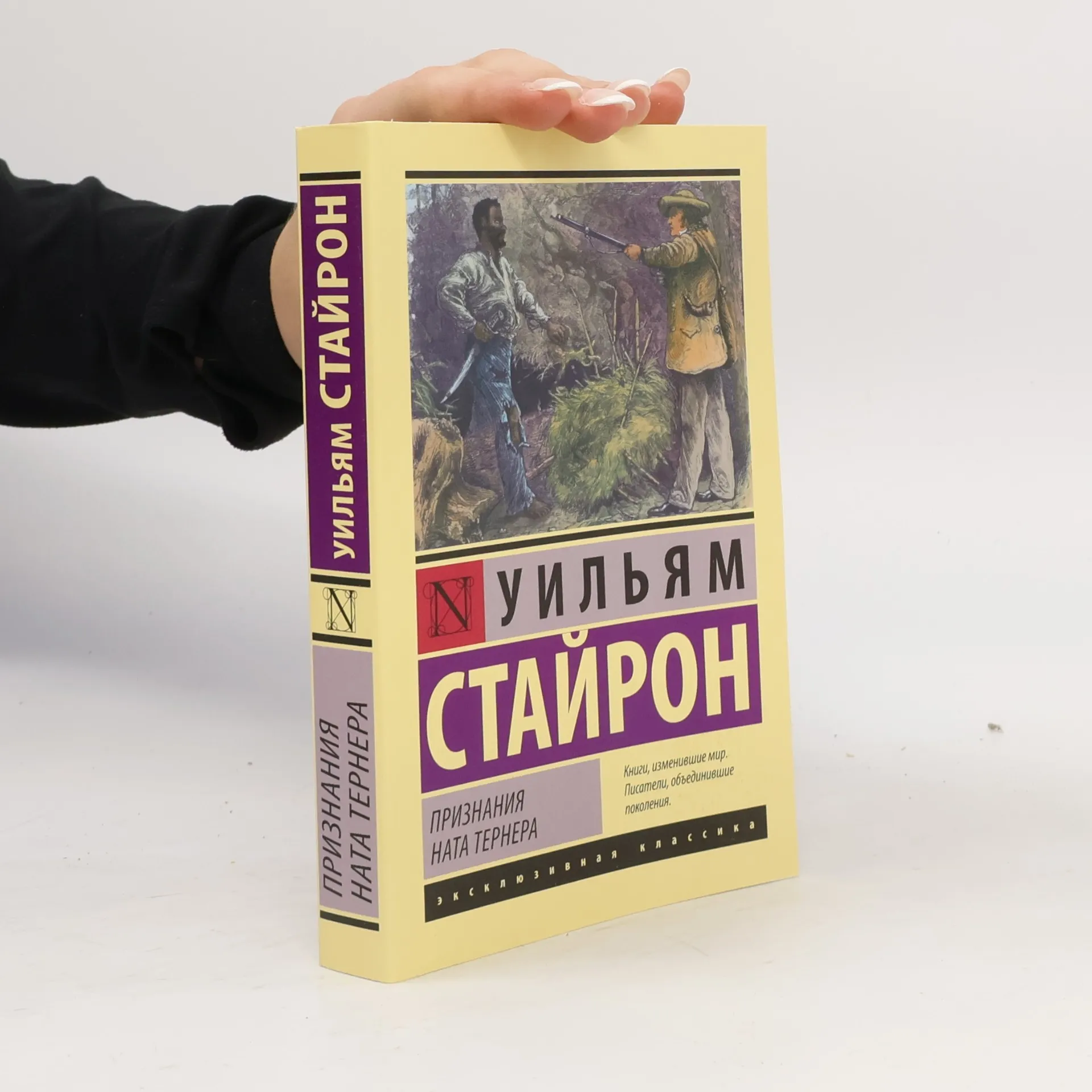
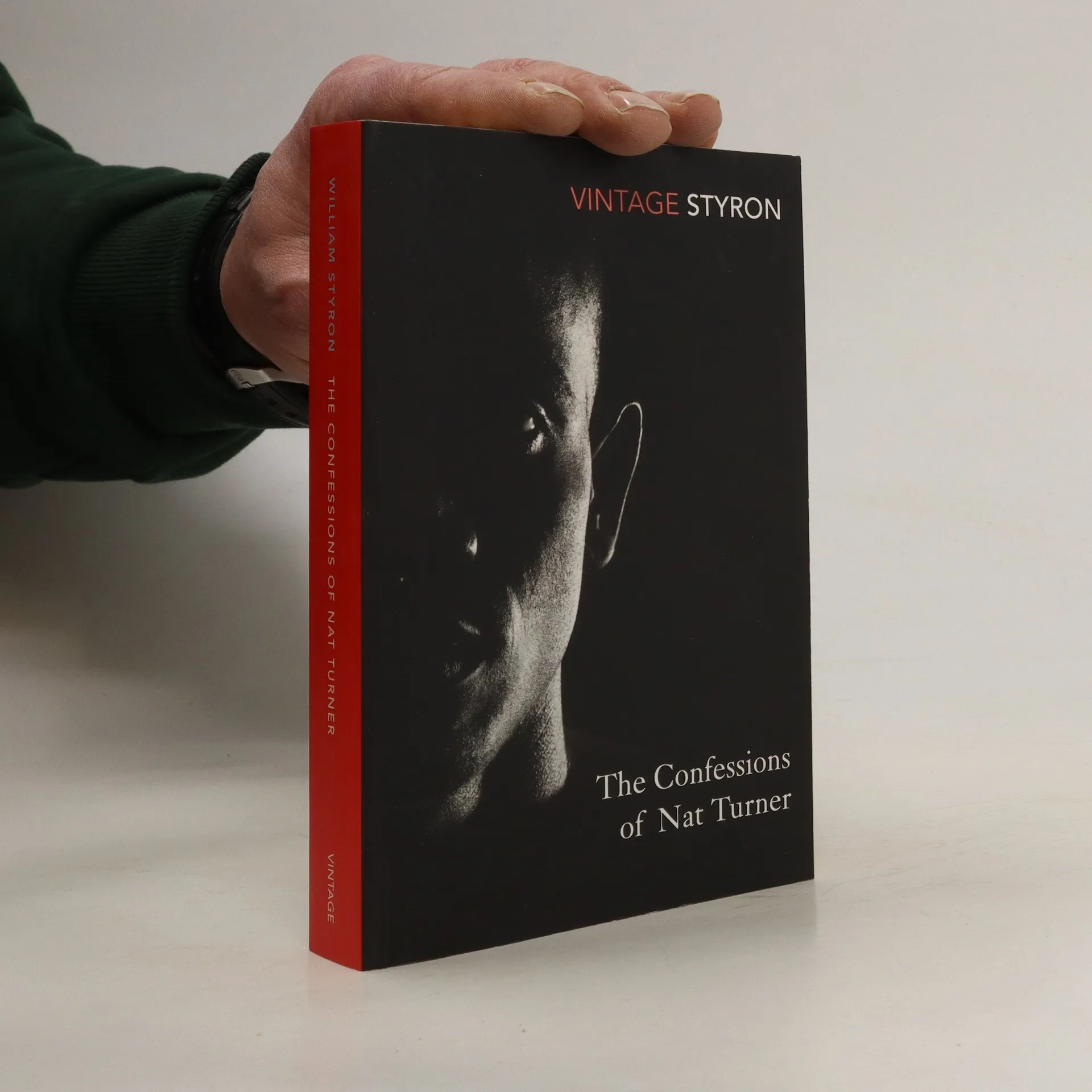
Признания Ната Тернера
Книги, изменившие мир. Писатели, объединившие поколения.
- 576 Seiten
- 21 Lesestunden


William Styron zählte zu den herausragendsten amerikanischen Schriftstellern seiner Generation. Seine Werke, oft kontrovers und preisgekrönt, befassten sich mit tiefgreifenden menschlichen Dramen und moralischen Dilemmata. Styron war bekannt für seinen scharfen Einblick in die dunklen Seiten der menschlichen Psyche und gesellschaftliche Fragen. Sein Schreiben zeichnete sich durch einen starken erzählerischen Stil und die Fähigkeit aus, starke Emotionen bei den Lesern hervorzurufen.



Книги, изменившие мир. Писатели, объединившие поколения.
3 CD
3 CD
3 CD
Povídky Williama Styrona spojuje téma osamělosti intelektuálně založeného jedince, který je přinucen změnit své návyky a ocitne se náhle v prostředí, jež je mu bytostně cizí. Styron zpracoval v pěti povídkách především své osobní zkušenosti: první získal v období druhé světové války, kdy přerušil studia a byl odveden do řad námořní pěchoty, ale dříve než mohl se svou jednotkou zasáhnout do bojů, Japonsko kapitulovalo. Podruhé Styron narukoval k téže zbrani jako rezervista na počátku padesátých let, kdy probíhala válka na korejském poloostrově. Ani tady se žádných bitev nezúčastnil, přesto však dokázal sugestivně zachytit smrtelný strach, jenž ho prostoupil ve chvílích, kdy hrozilo bezprostřední nasazení do probíhajících konfliktů. V silných, pacifistických příbězích Styron přesvědčivě dokumentuje, jak brutálním a ubíjejícím způsobem mohou působit na povahu vzdělaného člověka dimenze vojenského života, jimž se přizpůsobuje jen s největším sebezapřením. Na druhé straně ovšem konstatuje, že v souboji se zlem je zapotřebí přinášet oběti a snad i proto se v jedné z próz přiznává, že „přes averzi ke všemu vojenskému shledávám na životě vojáka všelicos přijatelného a dokonce fascinujícího“.
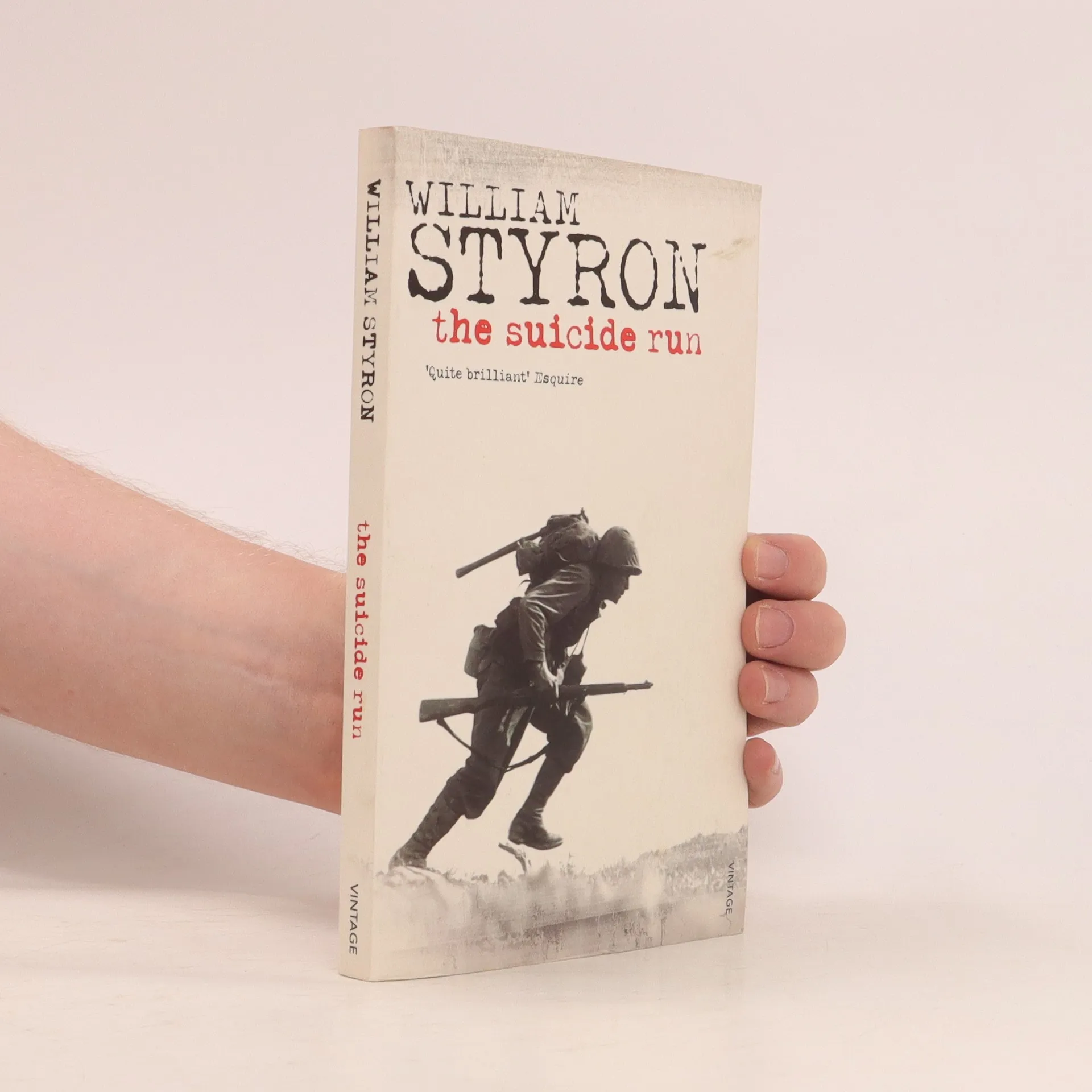
The five personal and intensely powerful tales that make up this collection draw upon William Styron's real-life experiences in the US Marine Corps, and give us an insight into the early life of one of America's greatest modern writers. The stories are set in the gruelling camps and sweltering training fields which mark the limbo point between civilian life and the horrors of war. The stories tell of young men embarking on suicidal 1000 mile roundtrips to New York to see their girlfriends on 36 hour leave periods; the surreal experience of being conscripted for a second time to serve in the Korean War; and the frustration and isolation of returning home when service is over. The Suicide Run brings to life the drama, inhumanity, absurdity and heroism that forever changed the men who served in the Marine Corps.
In this brilliant collection of "long short stories," the Pulitzer Prize-winning author of Sophie's Choice returns to the coastal Virginia setting of his first novels. Through the eyes of a man recollecting three episodes from his youth, William Styron explores with new eloquence death, loss, war, and racism. "From the Trade Paperback edition.
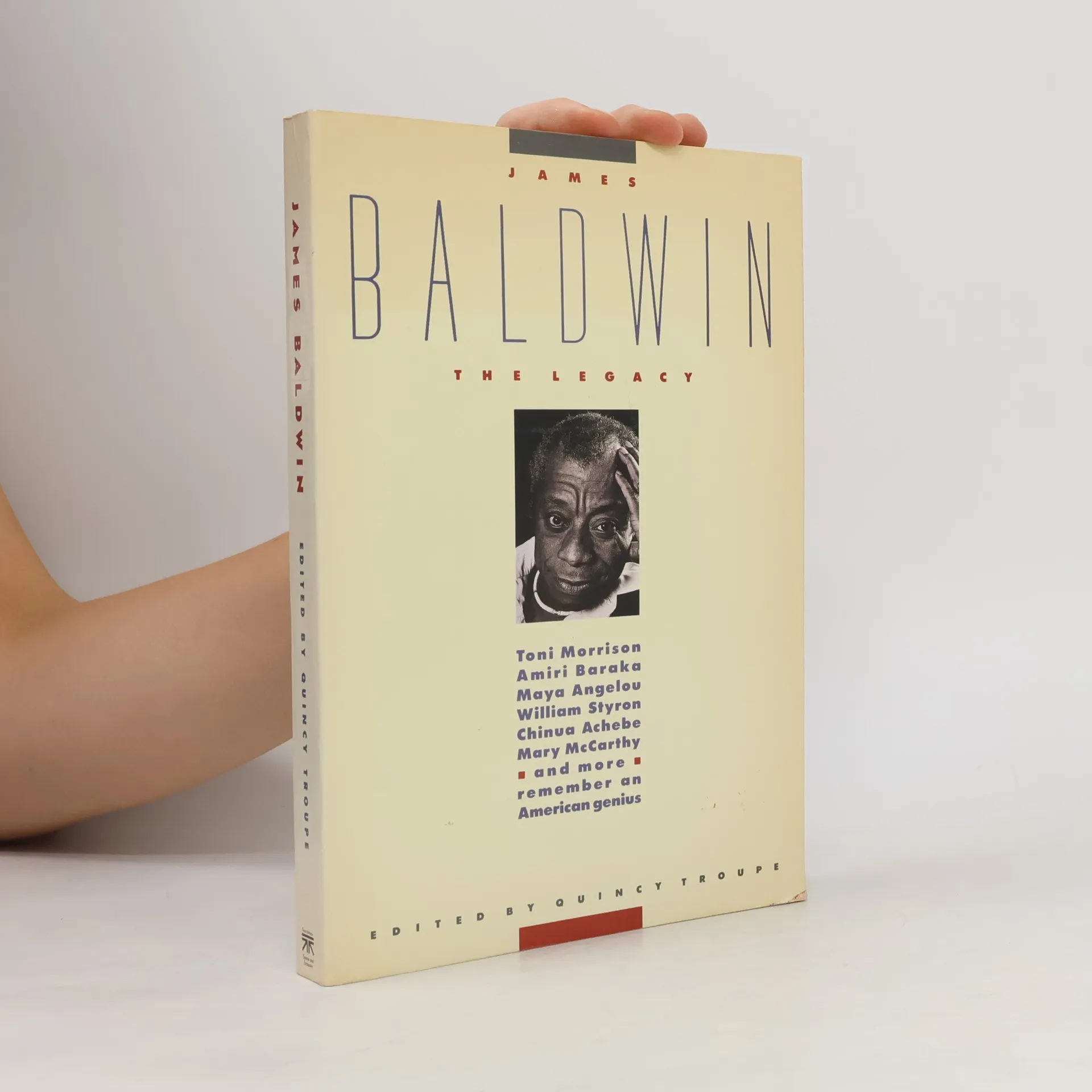
Under the editorship of poet Quincy Troupe, renowned writers assess and celebrate the legacy of James Baldwin, one of America's great authors and activists. Here in one volume is the measure of this enormous influence on the literary and intellectual history of our time. 8-page photo insert.
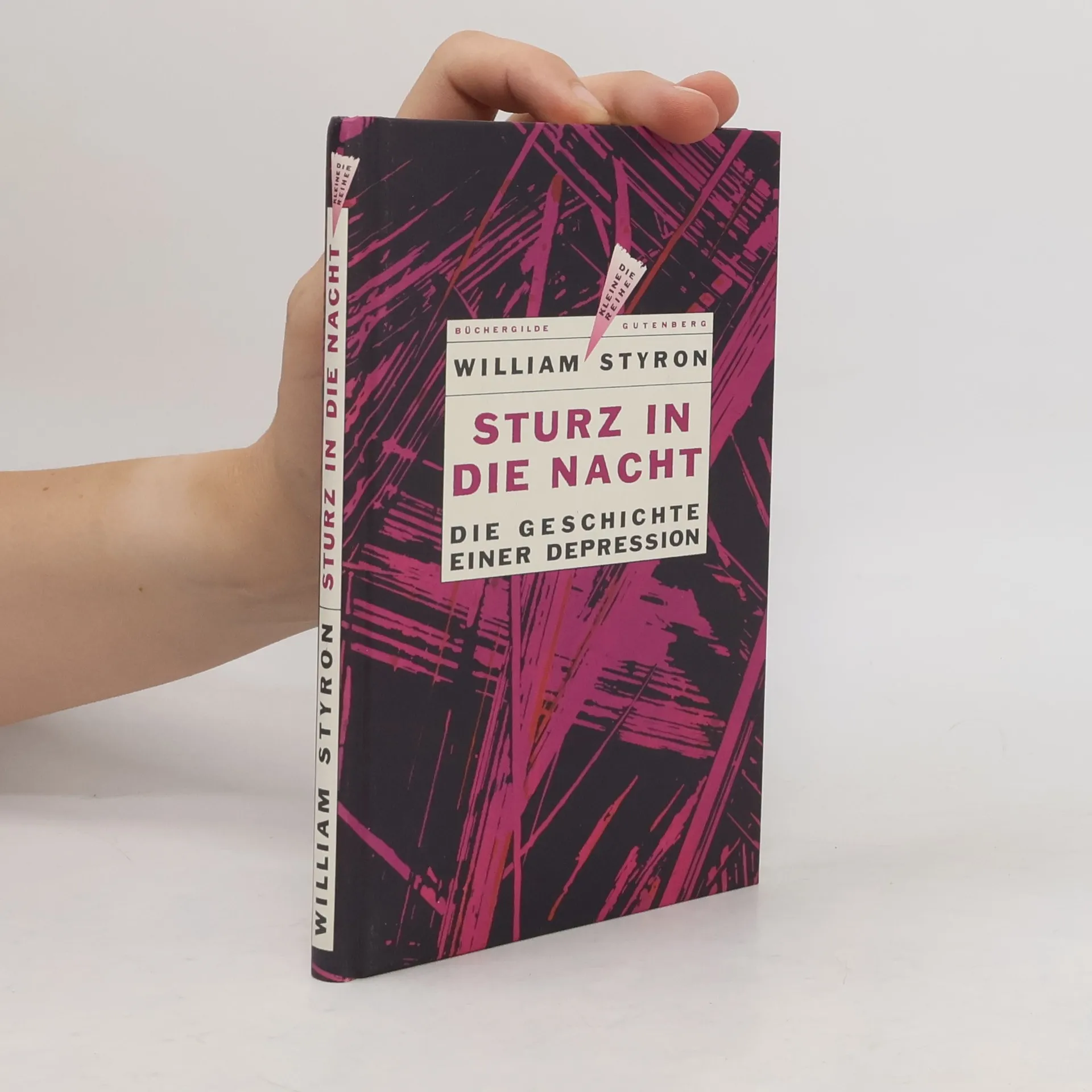
„Ich habe bis an die Grenzen des Erträglichen unter der Krankheit gelitten und bin doch zurückgekommen, um davon zu berichten.“ William Styron schreibt mit großer Aufrichtigkeit über seinen Kampf gegen die Depression, eine Krankheit, die noch immer kaum verstanden wird und mit vielen Tabus belegt ist. Ganz ohne Selbstmitleid erzählt er dabei von der „grimmigen Innerlichkeit des Schmerzes“, von Angstzuständen, Selbstmordgedanken und der Unfähigkeit, sich seiner Umwelt mitzuteilen. Nach einer langen Zeit des Leidens findet er schließlich im Rückblick Worte für ein Leben am Rande des Wahnsinns und gibt so auch denen eine Stimme, für die das Grauen der Depression unausdrückbar ist.
Die ersten Sachbücher von William Styron, die große moralische Fragen mit Leidenschaft und Präzision behandeln. Sein Schreiben ist sowohl meditativer als auch engagierter Natur, persönlich und gelehrt, egal ob er die Großen der amerikanischen Literatur behandelt oder die Natur des amerikanischen Südens erkundet. Styrons Wärme, Humor und Offenheit, gepaart mit einer Weigerung zu urteilen, sorgen für anregende und bewegende Lektüre.
Rozsáhlý psychologický román zpracovává originálním způsobem etický aspekt 2. světové války a nacistických vyhlazovacích táborů z pohledu Američana. Autor vypráví tragický příběh z podzimu 1947, kdy se v newyorském penziónu setkává začínající spisovatel s polskou emigrantkou, která přežila koncentrační tábor, a s charismatickým židovským vědcem. Osobní tragédie hrdinky je podbarvena zážitky, jimiž prošla a které jí znemožňují návrat k normálnímu životu. Věcné pasáže z Osvětimi se dostávají do souvislosti s americkým rasismem a vědomím, že konec války neukončil utrpení a traumata přeživších obětí. Kniha je sugestivní výpovědí o zlu a destruktivních silách v lidské psychice, o problému viny a kolektivní odpovědnosti za to, čeho se může člověk dopustit na druhém člověku.
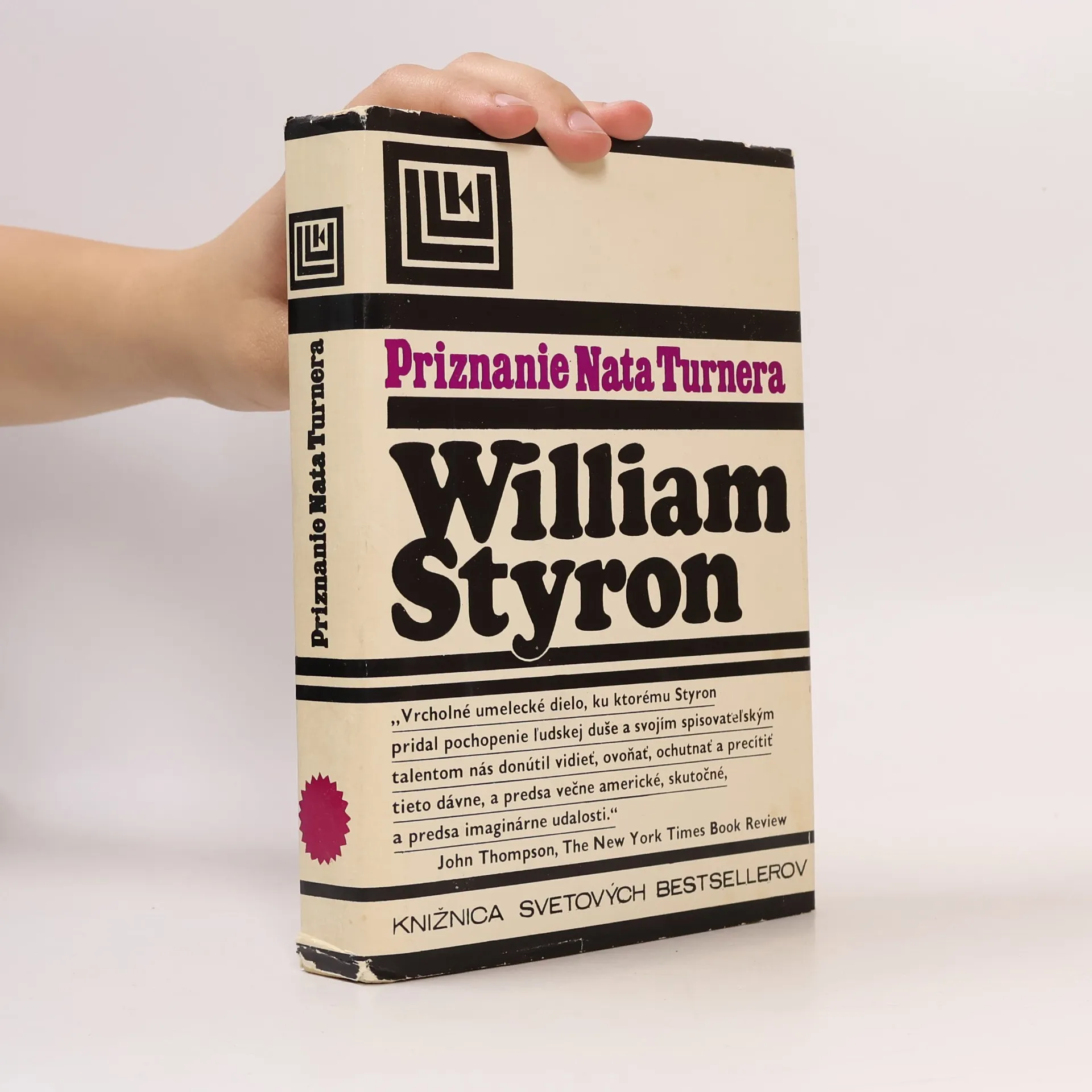
Prvé slovenské vydanie slávneho románu vyšlo v edícii LUK - Knižnica modernej svetovej prózy. Verše Emily Dickinsonovej preložil Milan Richter. Štúdiu napísal Juraj Vojtek.
William Styron traces the betrayals and infidelities--the heritage of spite and endlessly disappointed love--that afflict the members of a Southern family and that culminate in the suicide of the beautiful Peyton Loftis.
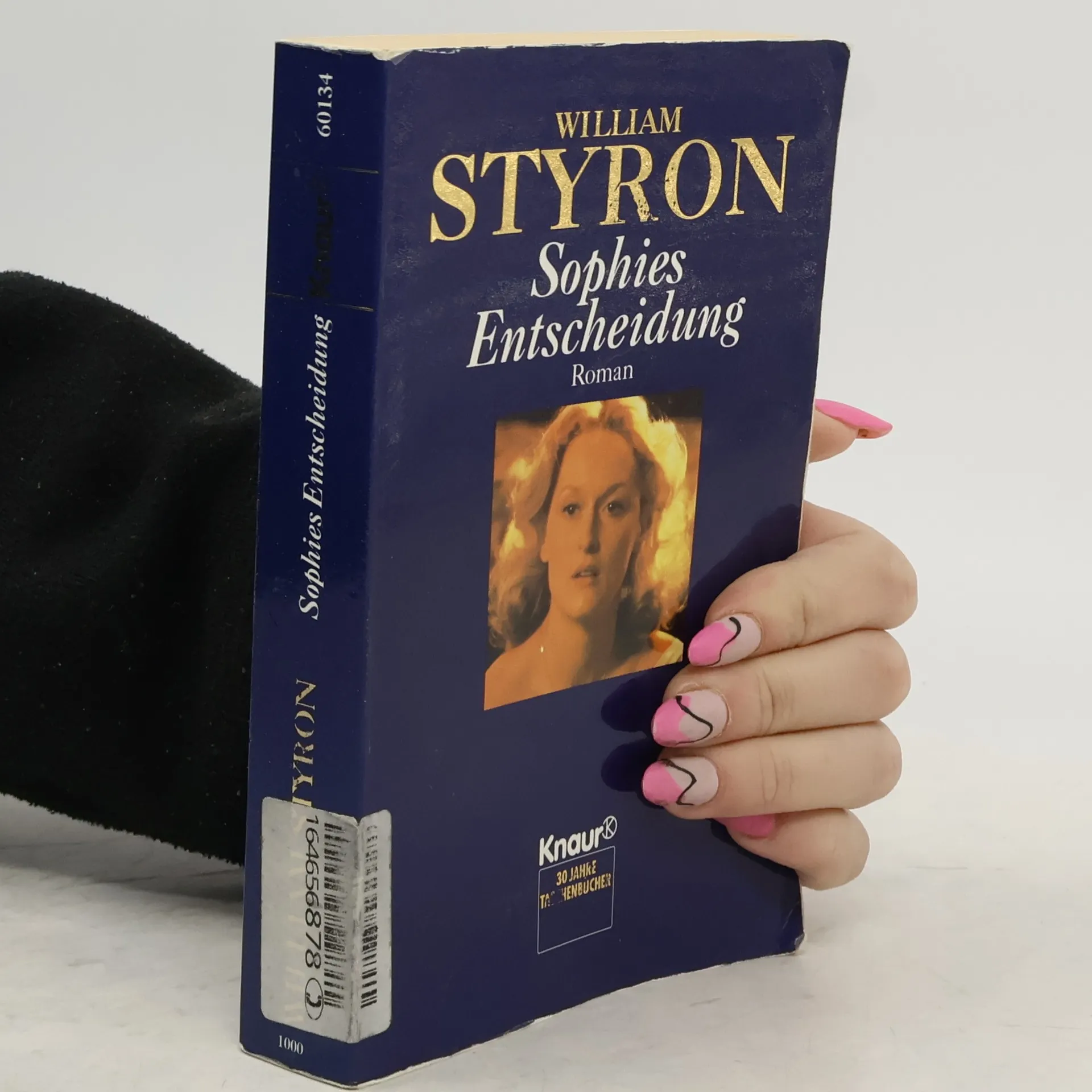
Ist es möglich, in einem Leben noch ein Leben zu beginnen, wenn das Schicksal einer Kreatur alles entriss? Ein Mensch lebt über den Moment hinaus, in dem der letzte Atemzug tröstend gewesen wäre. Der Tod löscht unerträgliche Erinnerungen aus, doch wie lebt man mit ihnen weiter? Sie treiben im Verborgenen ihr Unwesen und gefährden jedes neu begonnene Leben. Die junge Polin Sophie ist eines der Opfer des Holocausts. Bei der Befreiung von Auschwitz wird sie halb verhungert und krank gefunden. Zunächst für tot gehalten, wird sie nach Schweden gebracht, wo man ihre Gesundheit wiederherstellt. In Amerika trifft sie Nathan, einen intelligenten und unberechenbaren Mann, der sich um sie kümmert. Zwischen ihnen entsteht eine leidenschaftliche, aber gefährliche Liebe. Sophie entscheidet sich, über ihre Vergangenheit zu schweigen, während Nathan geheimnisvolle Rätsel aufgibt. Seine Fürsorglichkeit und sein Charme stehen im Kontrast zu seiner dunklen Seite, die unkontrollierte Wutausbrüche und Eifersucht zeigt, insbesondere gegenüber Stingo, einem jungen Schriftsteller, der in Sophie verliebt ist. Die Geschichte entfaltet sich an einem finsteren Abgrund, während die Beziehungen der Charaktere miteinander verwoben sind. Das unerwartete Ende bringt sowohl Fiasko als auch Erlösung. Trotz der erschreckenden Ereignisse strahlen die glücklichen Momente der Liebe und einige amüsante Episoden hervor. Sophies Entscheidung bleibt unvergesslich und s
Psychologický román z jihu USA, jehož hlavním tématem je marné hledání nesobecké a odpouštějící lásky. Příčinou rozvratu rodiny advokáta je matka, vychovaná v puritánských tradicích amerického jihu, která všem dává neustále najevo svou morální nadřazenost a nedokáže se vymanit z okruhu vlastních upjatých představ o životě.
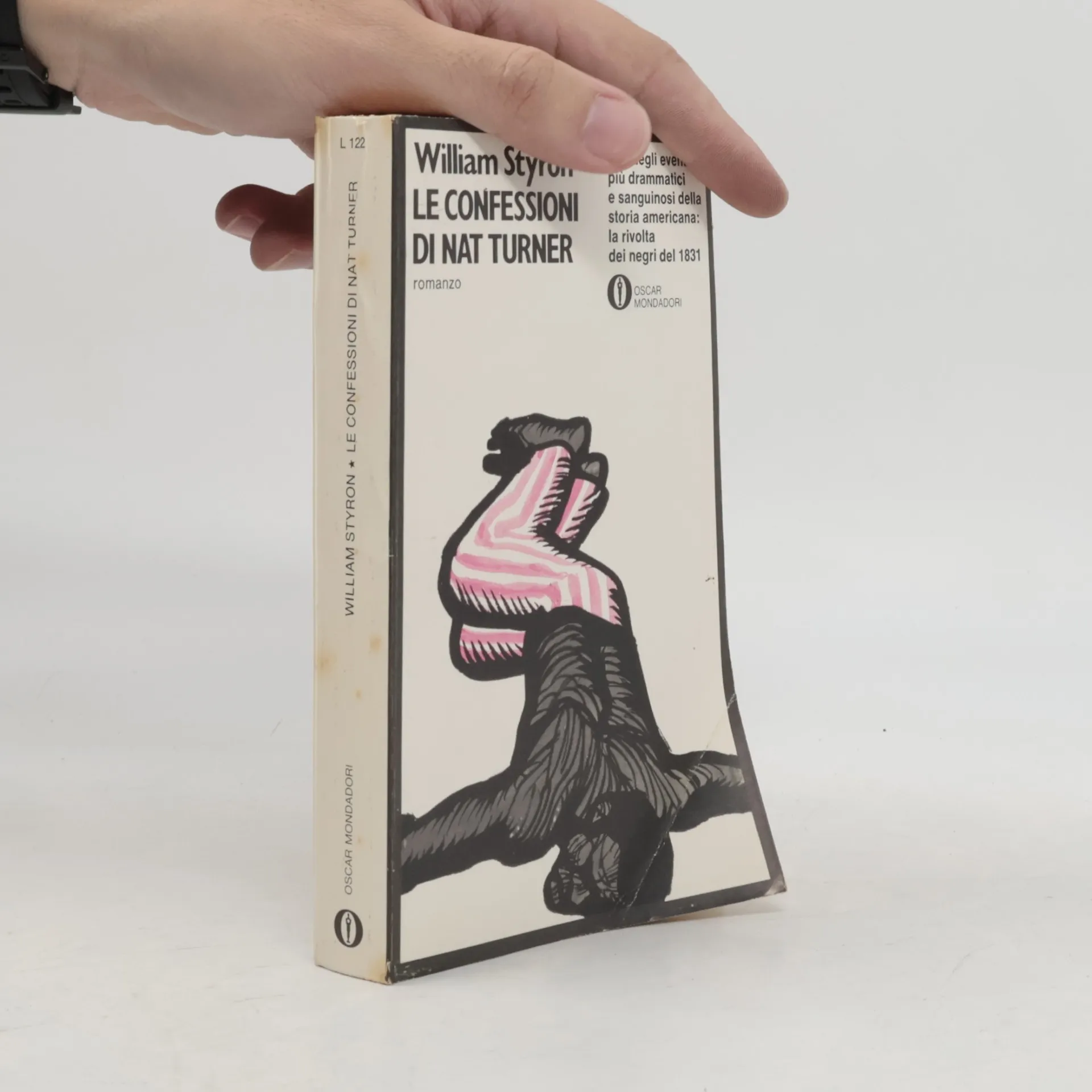
Romanzo potente e premiato del 1967 che descrive l'odissea di Nat Turner, leader della prima rivolta degli schiavi negli Stati Uniti. Il romanzo di Styron suscitò profonde controversie; alcuni ritenevano che un autore bianco non avesse il diritto di trattare questo tema.
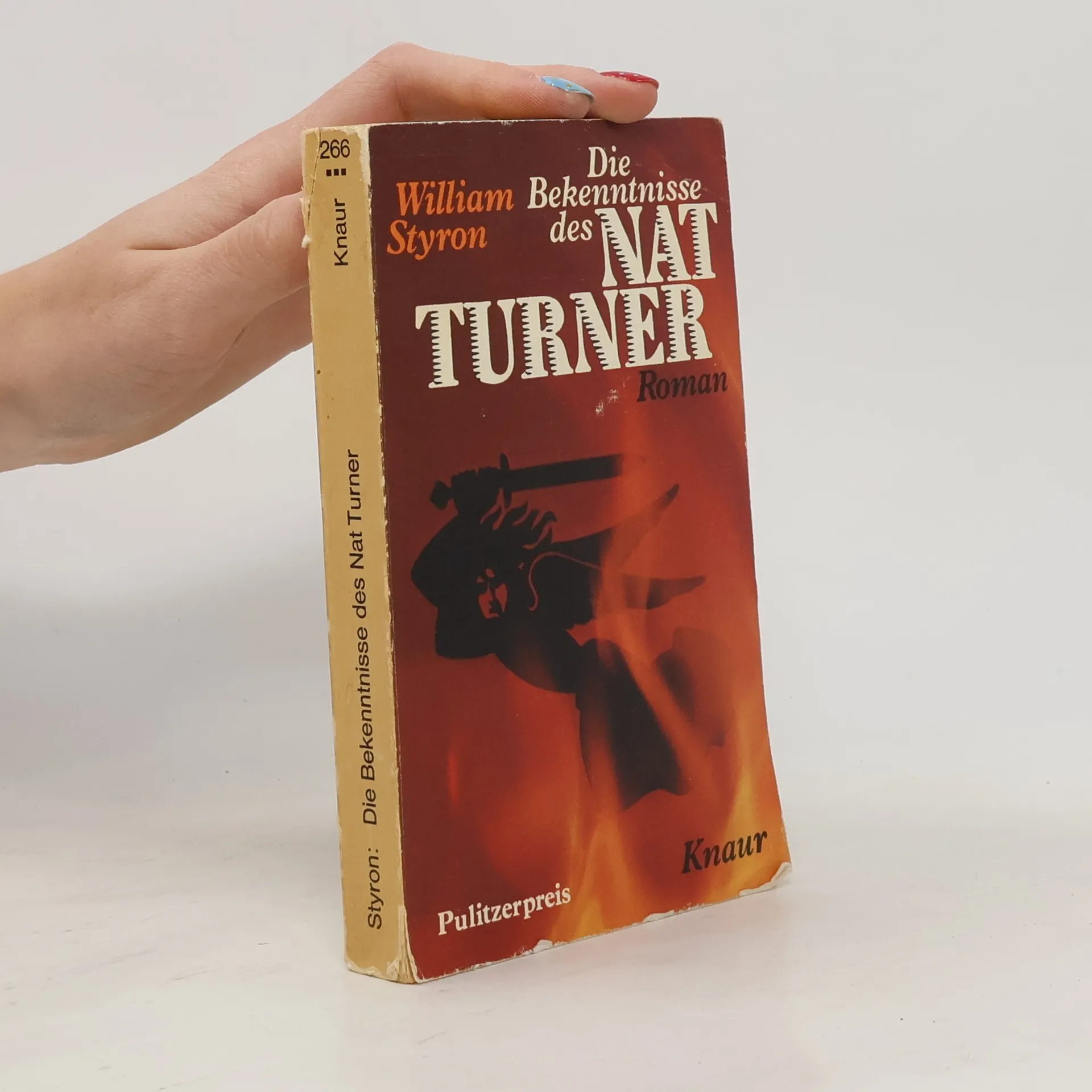
V pozdním létě roku 1831 se v zapadlé končině jihovýchodní Virginie vzbouřili černí otroci. Byla to jediná organizovaná vzpoura, třebas krátkodobá, v dějinách amerického černého otroctví. Vedl ji pozoruhodný mladý, jedenatřicetiletý černoch jménem Nat Turner, vzdělaný otrok, který secítí Prozřetelností předurčen osvobodit svůj lid a vyhubit všechny bílé v kraji. Ve světle útlaku, vykořisťování a beznaděje hledá spravedlnost pro své černé bratry a jako kazatel-samouk nachází oporu a opodstatnění pro svůj boj v jediné knize, kterou zná, v bibli. Poslání, jež mu ukládá jeho smysl pro spravedlnost a rovnost všech lidí, pokládá za příkaz boží a inspiruje se starozákonními proroky. Tyto události a stejnojmenné písemné doznání Nata Turnera z roku 1831 se staly podkladem románu předního romanopisce Williama Styrona. „Styronův román je úžasným dotvořením primitivního dokumentu,“ píše o něm Zdeněk Vančura ve své studii „Věk gigantů. Několik pohledů na současný americký román“. „Nad vnějšími fakty buduje autor obraz duševního vývoje, toužebných snů a vidin prvního jižního otroka, který se naučil číst tak, že mohl přečíst celou bibli a vyložit ji soukmenovcům podle jejich nazírání a jejich cílů.“ Styronův román vyšel v USA v roce 1967 a vyvolal veliký ohlas i rozruch. V roce 1968 byla Styronovi za tento román udělena Pulitzerova cena.
Slávny a kontroverzný román amerického spisovateľa, založený na skutočných udalostiach. Opisuje príbeh kazateľa Nata Turnera, vodcu vzbury otrokov vo Virgínii v roku 1831.
In 1831 Nat Turner awaits death in a Virginia jail cell. He is a slave, a preacher, and the leader of the only effective slave revolt in the history of 'that peculiar institution'. William Styron's ambitious and stunningly accomplished novel is Turner's confession, made to his jailers under the duress of his God. Encompasses the betrayals, cruelties and humiliations that made up slavery - and that still sear the collective psyches of both races.
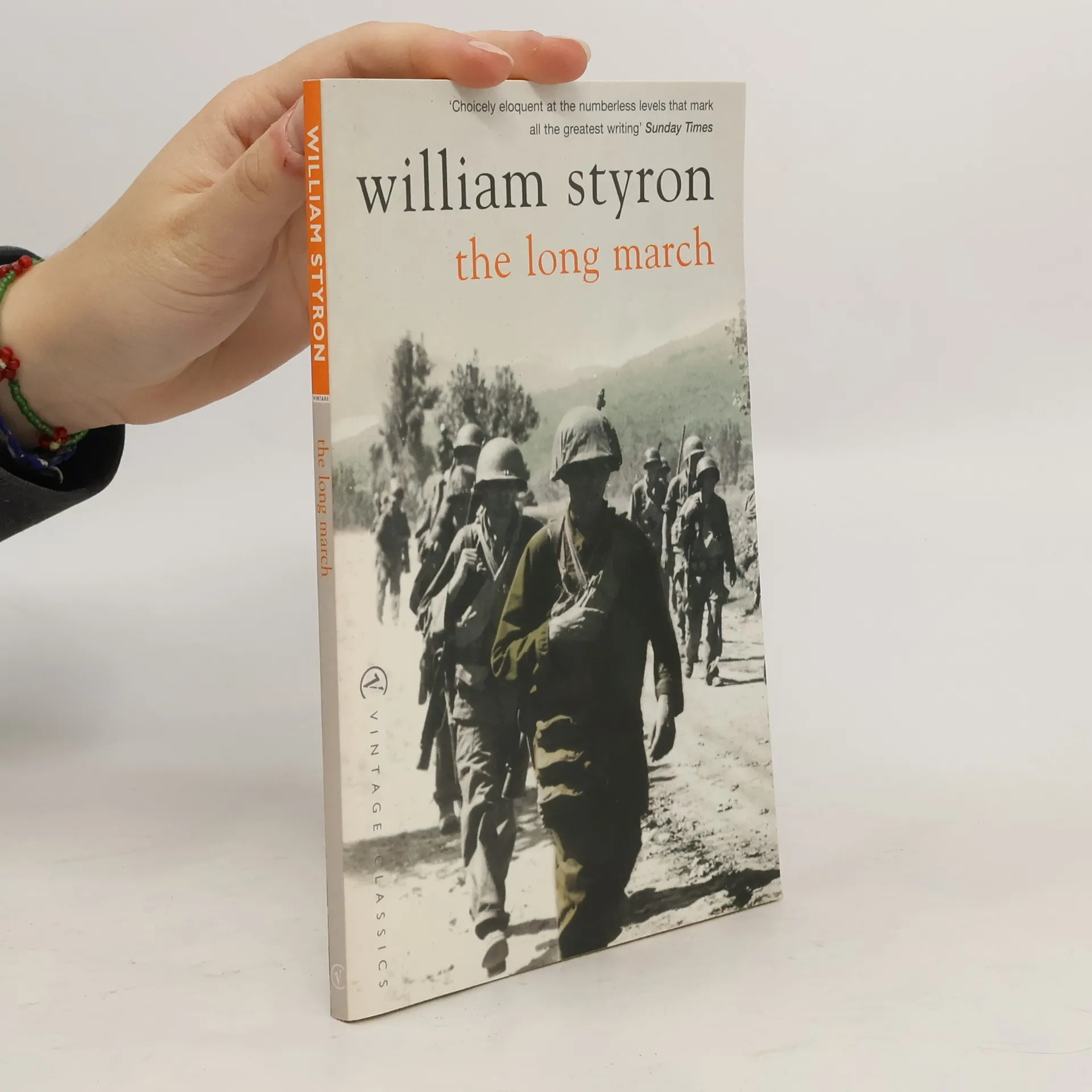
In the shadow of the Korean War, a series of misfired mortar shells kill six men in a Marine camp during a training exercise, prompting the commanding officer to order a grueling punishment: a thirty-six mile march through the suffocating heat of the Carolina summer. Intended to beat discipline into the aging reservists, the march instead rankles Lieutenant Culver and Captain Mannix, whose growing resentment of the brutal trek leads to an ultimate, powerful act of rebellion. The Long March is a withering critique of a military system that leaves no room for dignity or personal identity. Told in part through flashbacks and dream sequences, the story is immersed in vivid language and philosophical reflection--a poignant defense of the individual in the face of attempted dehumanization.
Mitten im Frieden erhalten die Soldaten eines amerikanischen Marineinfanterie-Camps in Carolina von ihrem ehrgeizigen Vorgesetzten Oberst Templeton den ebenso grausamen wie sinnlosen Befehl, einen Übungsmarsch von 36 Meilen zu machen – zur ›Vorbereitung auf den Ernstfall‹. Es sind Reservisten, die sich dieser Strapaze zu unterziehen haben, Veteranen des Zweiten Weltkriegs wie Hauptmann Mannix, der diesen Befehl als einen Akt der Willkür, als eine äußerste persönliche Herausforderung empfindet und dagegen aufbegehrt. Ehre und Selbstachtung stehen für ihn auf dem Spiel. Doch sein Aufbegehren ist das des zur Ohnmacht verurteilten Revolutionärs. In ihm selbst, in seiner eigenen Schwäche und Erschöpfung glaubt er während des langen, qualvollen Marsches seinen Widersacher, den durch die Schranke der militärischen Disziplin unangreifbaren Vorgesetzten zu bekämpfen; ihn glaubt er zu besiegen, indem er sich und seine Untergebenen mit eben jener despotischen Verbissenheit, die er an dem Obersten verurteilt, zum Gehorsam und zum Aushalten zwingt. ›Der lange Marsch‹ ist die Geschichte einer heroischen Selbsttäuschung.
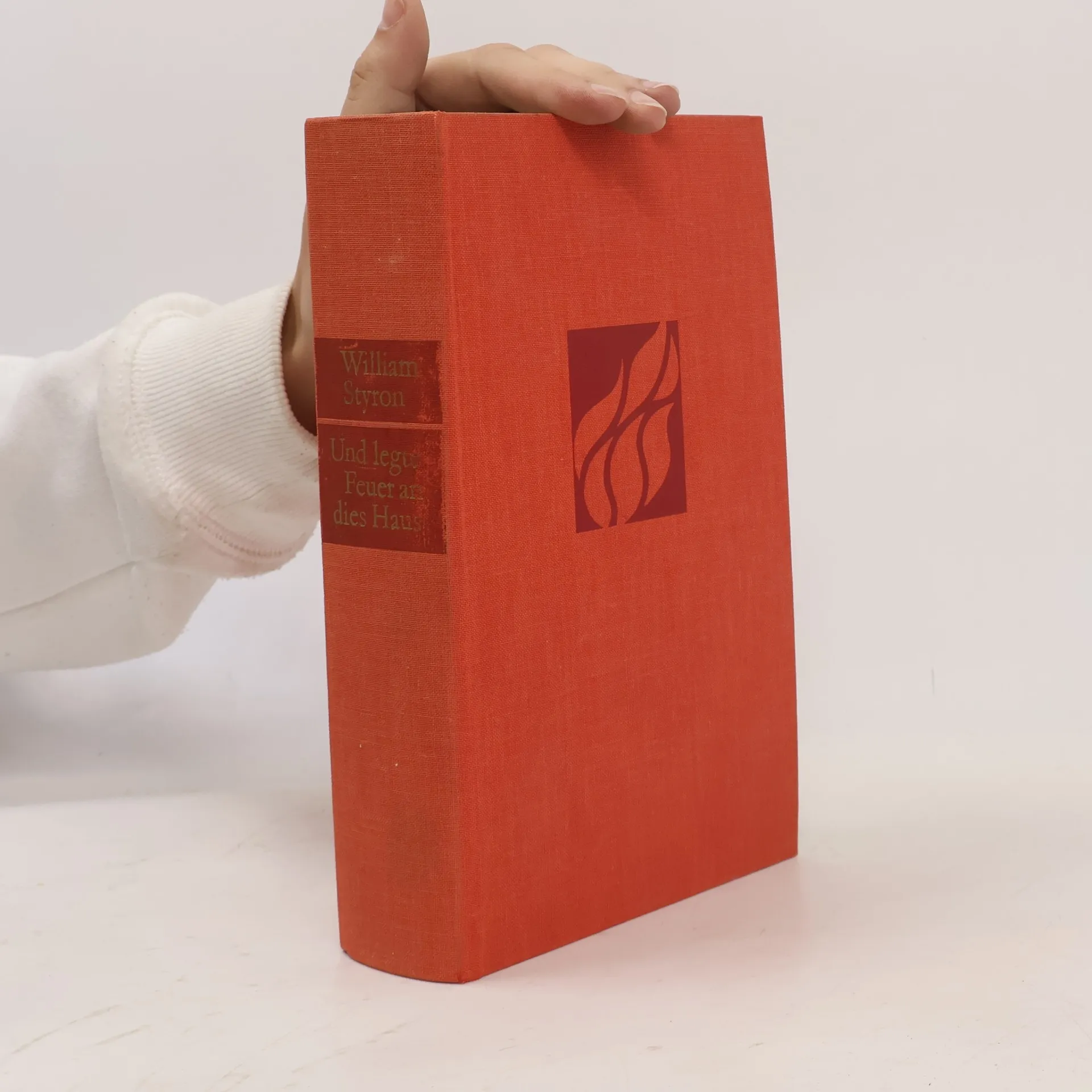
Gesellschaftskritischer Roman des amerikanischen Autors, der in komplexer Komposition, die Handlungsstränge miteinander verwebt und Gegenwart mit Rückblicken abwechselt, das dramatische Aufeinandertreffen zweier Amerikaner in einer italienischen Kleinstadt schildert. Ein freigeistiger Maler, der vor der Uniformität des amerikanischen Lebensstandards, dem südlichen Kastensystem und der amerikanischen Klassenungerechtigkeit flieht, trifft hier auf einen amerikanischen Millionär, der in der Rolle eines modernen Mefistofeles auftritt. In einer Geschichte entfesselter menschlicher Leidenschaften, die in Gewalt und Mord gipfelt, äußert William Styron seinen Protest gegen die Degradierung des Menschen.