Terra alta
- 23 Seiten
- 1 Lesestunde


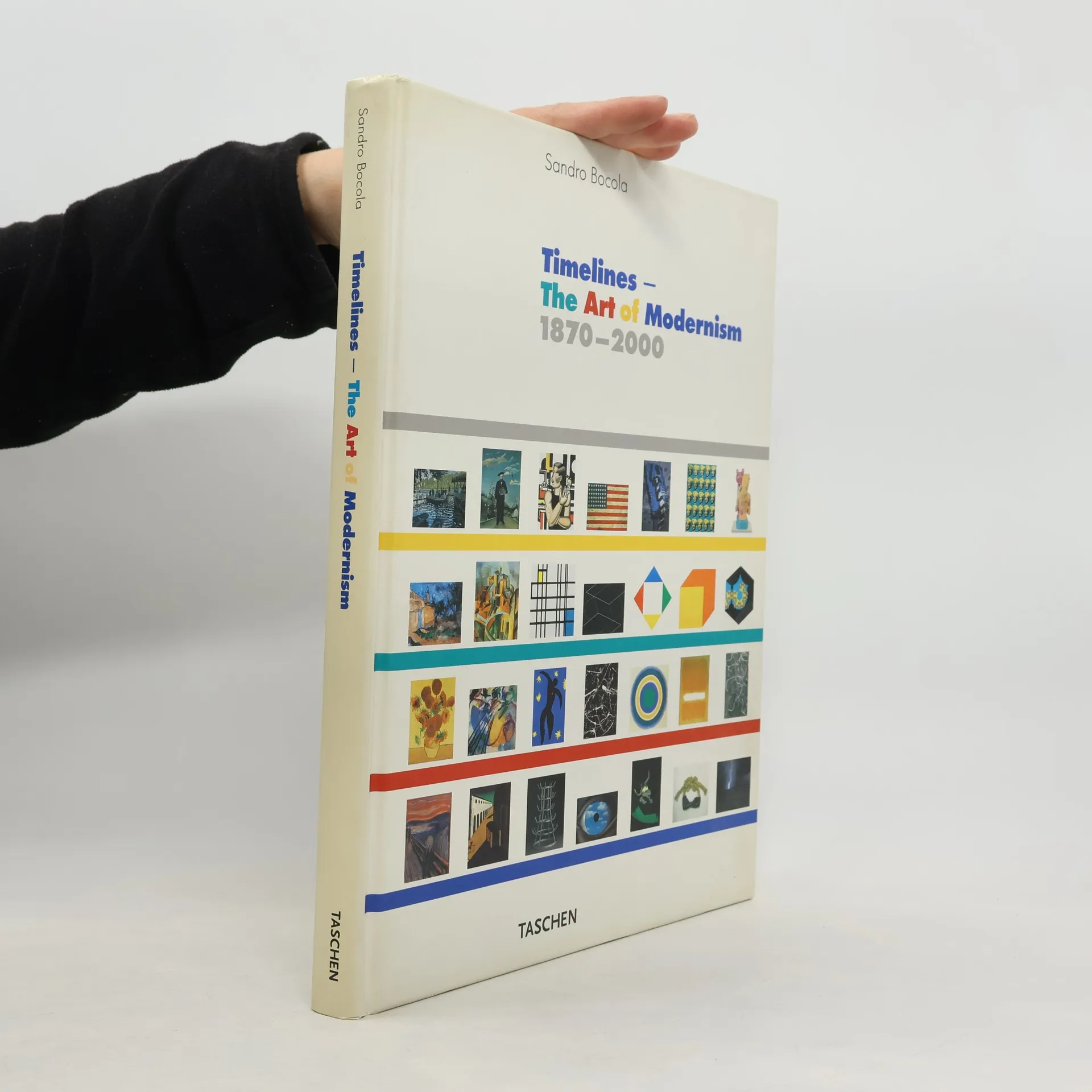
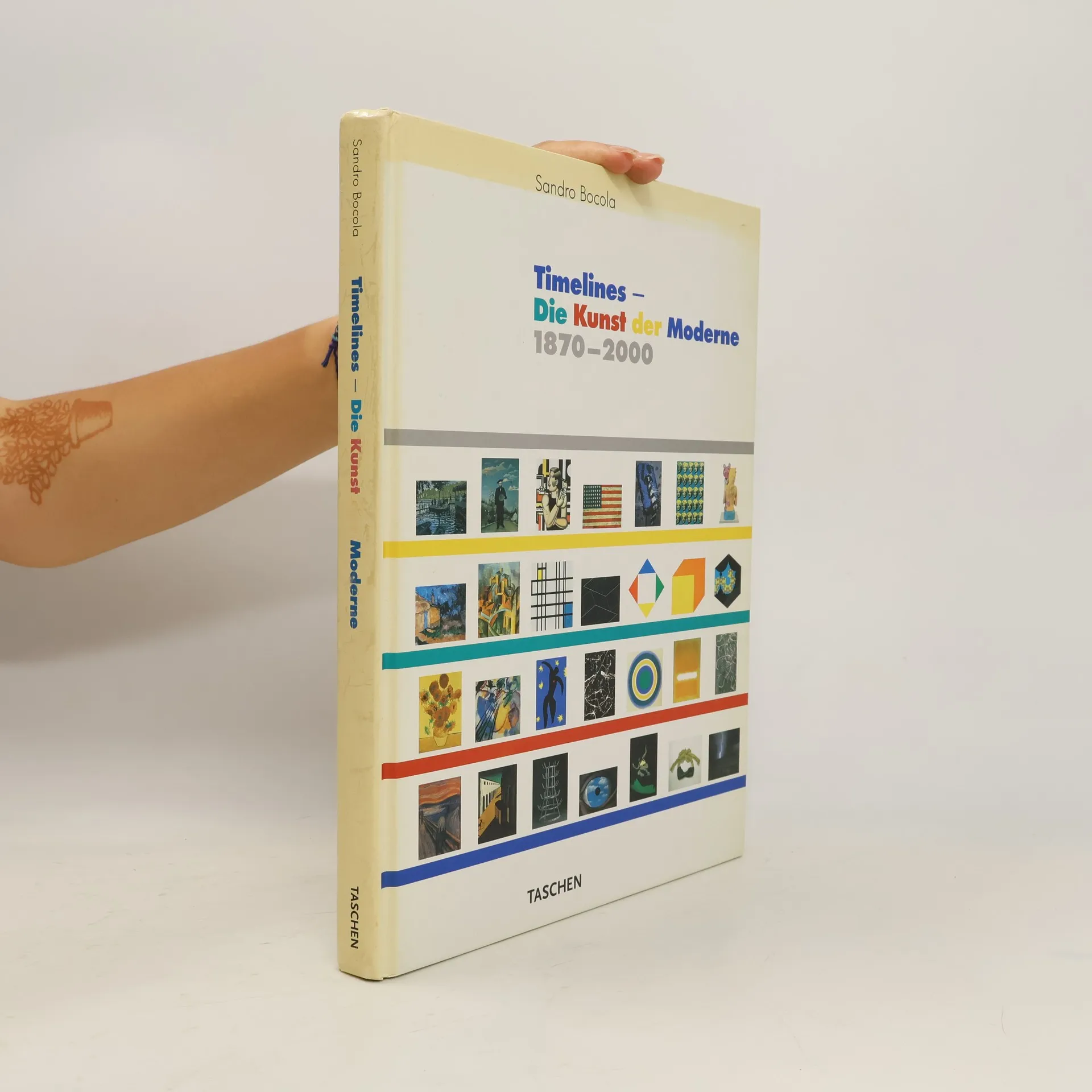


Visual art - Modernism in pictures This groundbreaking visual guide to the evolution of Modernist art is an indispensable reference for any art lover or student. From its Impressionistic beginnings in the late 19th century to the pluralistic art scene of the present, the development of Modernism is presented as a coherent, unified, and meaningful process. Description and analysis have been eliminated in favor of a colorful, well-organized, and highly visual presentation, which shows the simultaneous, chronological evolutions of four categories of Modernist realistic, structural, romantic, and symbolist. From Manet to Pop Art, from Cézanne to Minimal Art, from Van Gogh to Abstract Expressionism, from Ensor to Surrealism and Arte Povera - a wide range of modern art movements and artists are represented and compared, allowing the reader to locate artwork psychologically, stylistically, and historically. A beautiful and original work, a new way to study art.
El autor comprende la evolución artística de la modernidad como un proceso continuo. Evita considerar el arte moderno como un fenómeno aislado; remitiéndolo en cada momento a sus condiciones socio-históricas y psicológicas. Dedica varios capítulos a la evolución política, científica y cultural de los siglos XIX y XX, mientras discute la estructura y el dinamismo psíquicos en los que se fundamenta el proceso creativo, exponiendo de forma clara y convincente los procesos. Resumen del índice: Prólogo a la edición española.- Introducción.- Tesis 1: los dos principios de la creación artística.- Tesis 2: el desarrollo cíclico de la evolución artística.- Tesis 3: las cuatro actitudes artísticas fundamentales.- El fin de la Edad Moderna.- La realidad de la pintura y el comienzo de la modernidad.- La realidad invisible y la estética de lo universal.- El nuevo paradigma: concepción del mundo y del hombre en la modernidad.- Crisis y renovación.- El levantamiento político contra la modernidad.- Triunfo y culminación.- La pérdida de la realidad: el fin de la modernidad.- Bibliografía.
Eine tiefgehende Darstellung der künstlerischen Entwicklung der modernen Kunst von ihren impressionistischen Anfängen im 18. Jahrhundert bis zur pluralistischen Kunstszene der Gegenwart, die diese Bewegung als einen vollendeten Entwicklungsprozess in der Kunstgeschichte zeigt.
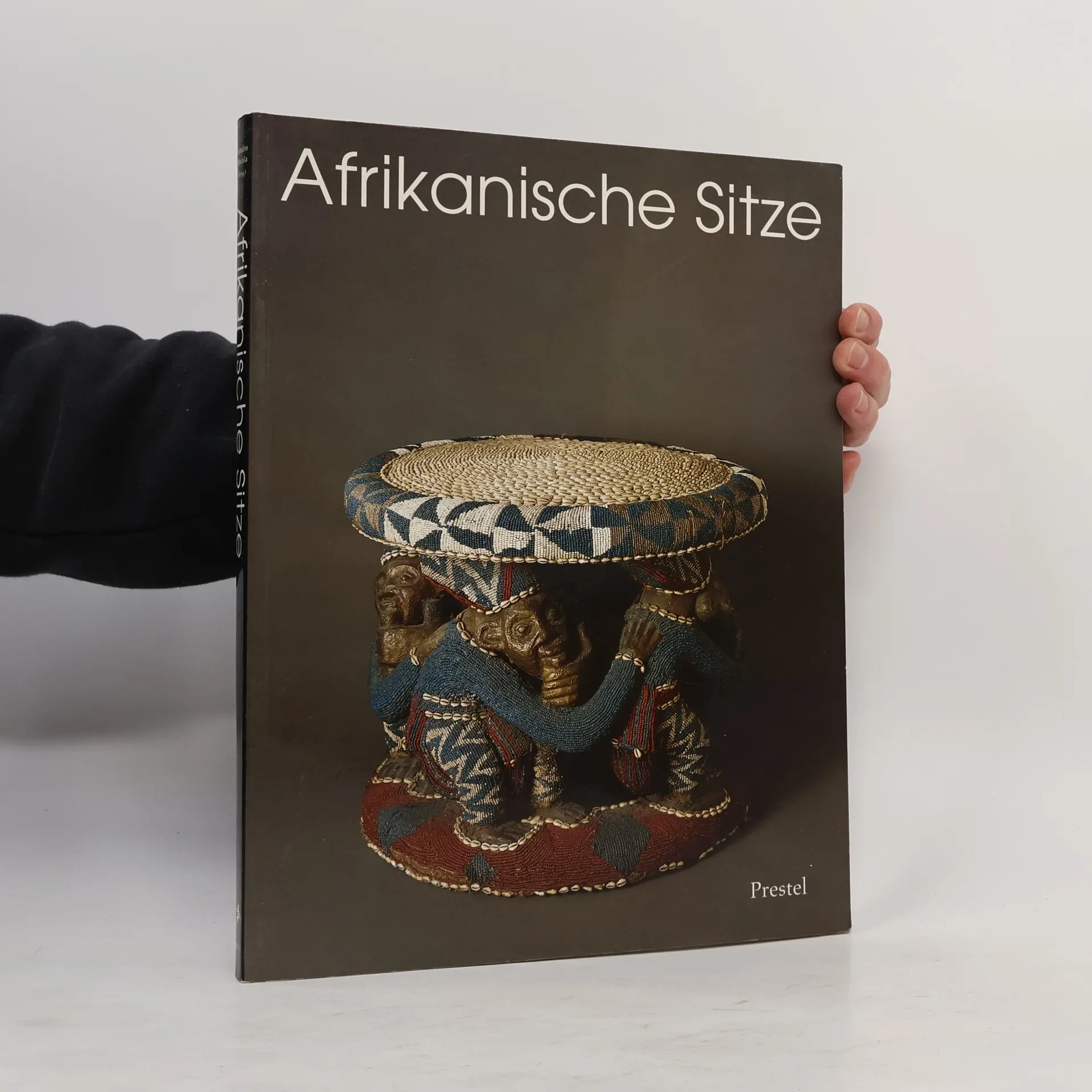
Afrikanische Sitze besitzen eine außergewöhnliche skulpturale Kraft und reichen von Gegenständen mit geschnitzten Figuren bis hin zu äußerst abstrakten Formen eines Minimalismus, der selbst nach westlichen Maßstäben erstaunlich ist. Keine andere nicht-europäische Kultur kann eine derart vielfältige Auswahl an Sitzen vorweisen. Neben einer Vielzahl von Hockern und Rückenlehnen für den alltäglichen Gebrauch, die spezifisch für bestimmte Gruppen sind, finden sich rituelle Sitze mit symbolischen Darstellungen, zeremonielle Hocker und teilweise europäisch inspirierte Stühle von Familienoberhäuptern, Stammesprinzen und Königen. Anhand von über 170 Beispielen bietet dieses Buch einen Überblick über die Sitze des subsaharischen Afrikas, die einen integralen Bestandteil einer traditionellen Kultur darstellen, die bereits im Verschwinden begriffen ist. Die verschiedenen Essays namhafter Ethnologen behandeln die Kulturgeschichte und Ästhetik afrikanischer Sitze und anderer Objekte sowie deren regionale Merkmale. Darüber hinaus gibt es eine Fülle fotografischer Belege, die die Nutzung der Sitze und ihre ursprünglichen Kontexte, sowohl vergangen als auch gegenwärtig, dokumentieren.