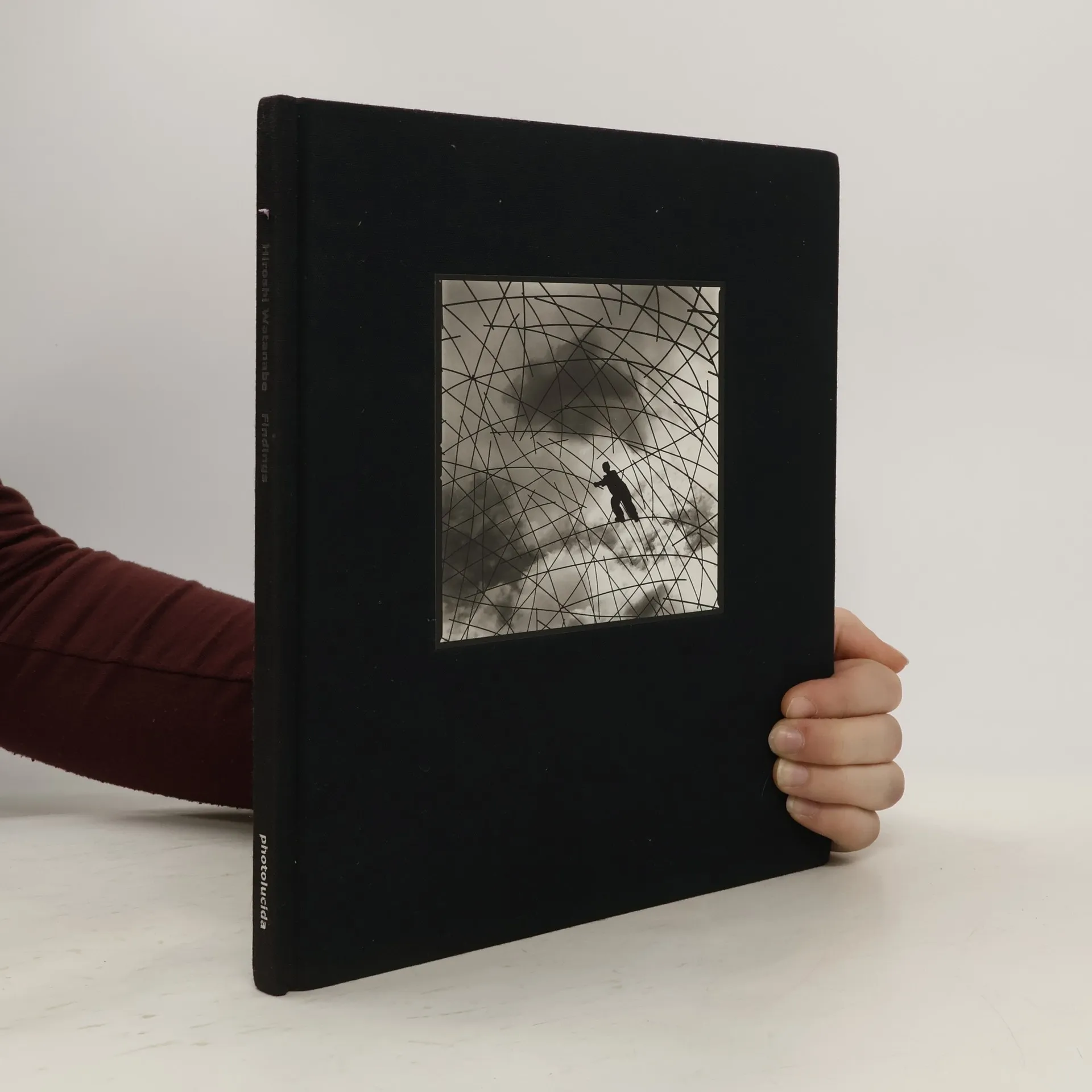
Watanabes work is like a contemplative behavior that focuses on the breath so that the moment is fully free to emerge. So that the instant is lived as completely as it can be, Watanabe stays open for all the elements of discovery... the dried leaves in the foreground before the names of the dead. These are the illuminations of his pictures. Anthony Bannon, Director, George Eastman House, Rochester, NY
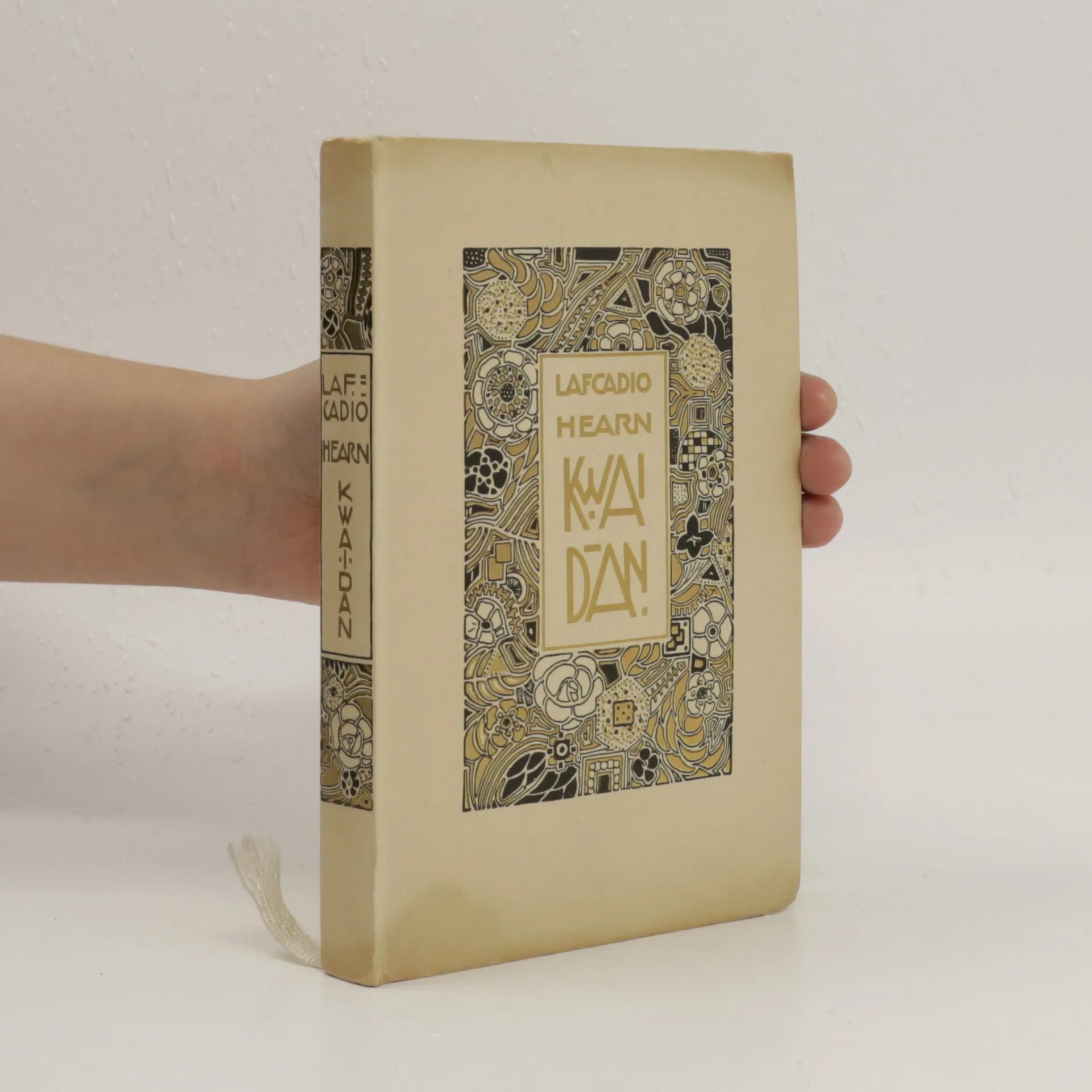
Kopflose Dämonen, Geister toter Krieger und unheilbringende Fabelwesen treffen auf ehrenhafte Samurai, weise Mönche und tapfere Bürger aus dem Land der aufgehenden Sonne. Lafcadio Hearns Sammlung japanischer Spukgeschichten ist schauerlich unterhaltsam. Zugleich vermittelt sie dem Leser ein tiefes Verständnis von Wertvorstellung und Tradition im alten Japan. In Japan hat sich über Jahrhunderte hinweg, unter dem Einfluss historischer Ereignisse und der shintoistischen und buddhistischen Religion, eine große Vielfalt von Mythen, Sagen und Legenden entwickelt. In einem Land, das immer wieder von schicksalhaften Katastrophen heimgesucht wird, versuchen die Bewohner in eine Traumwelt zu entfliehen, in der übernatürliche Wesen für Glück und Unglück der Menschen verantwortlich gemacht werden. In den mündlichen und schriftlichen Überlieferungen dieser Legenden finden sich viele unheimliche Geschichten, die mit dem westlichen Genre der Spuk- oder Gespenstergeschichten verglichen werden können. Lafcadio Hearns Sammlun
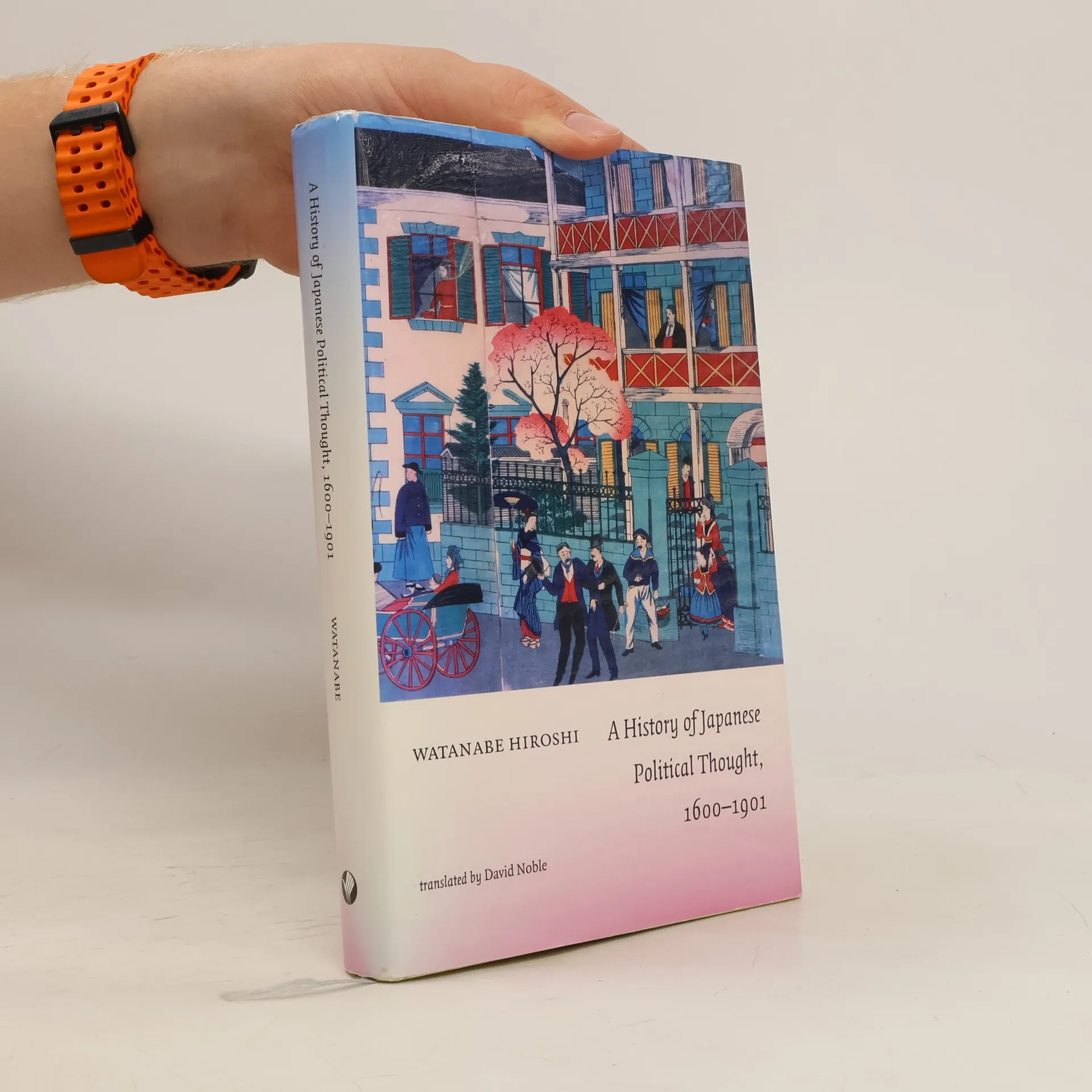
In 1853 a flotilla of U.S. Navy warships led by Commodore Matthew C. Perry arrived in Japan. A scant fourteen years later the rule of the Tokugawa shogunate, which had lasted two and a half centuries, was at an end. What lay behind the sudden collapse of samurai rule? Watanabe Hiroshi traces the quiet changes in political thought that culminated in the dramatic events of the Meiji Revolution in 1868. Confucian ideals such as a universal Way and benevolent government under a virtuous ruler possessing the mandate of heaven were taught by successive Japanese Confucians and came to permeate the country, posing an implicit threat to military rule. Over time the development of a national consciousness, the rising prestige of the imperial court in Kyoto, and increased knowledge of the Western world created the conditions for a national debate over opening up to the West and for radical political change.