

Mehr zum Buch
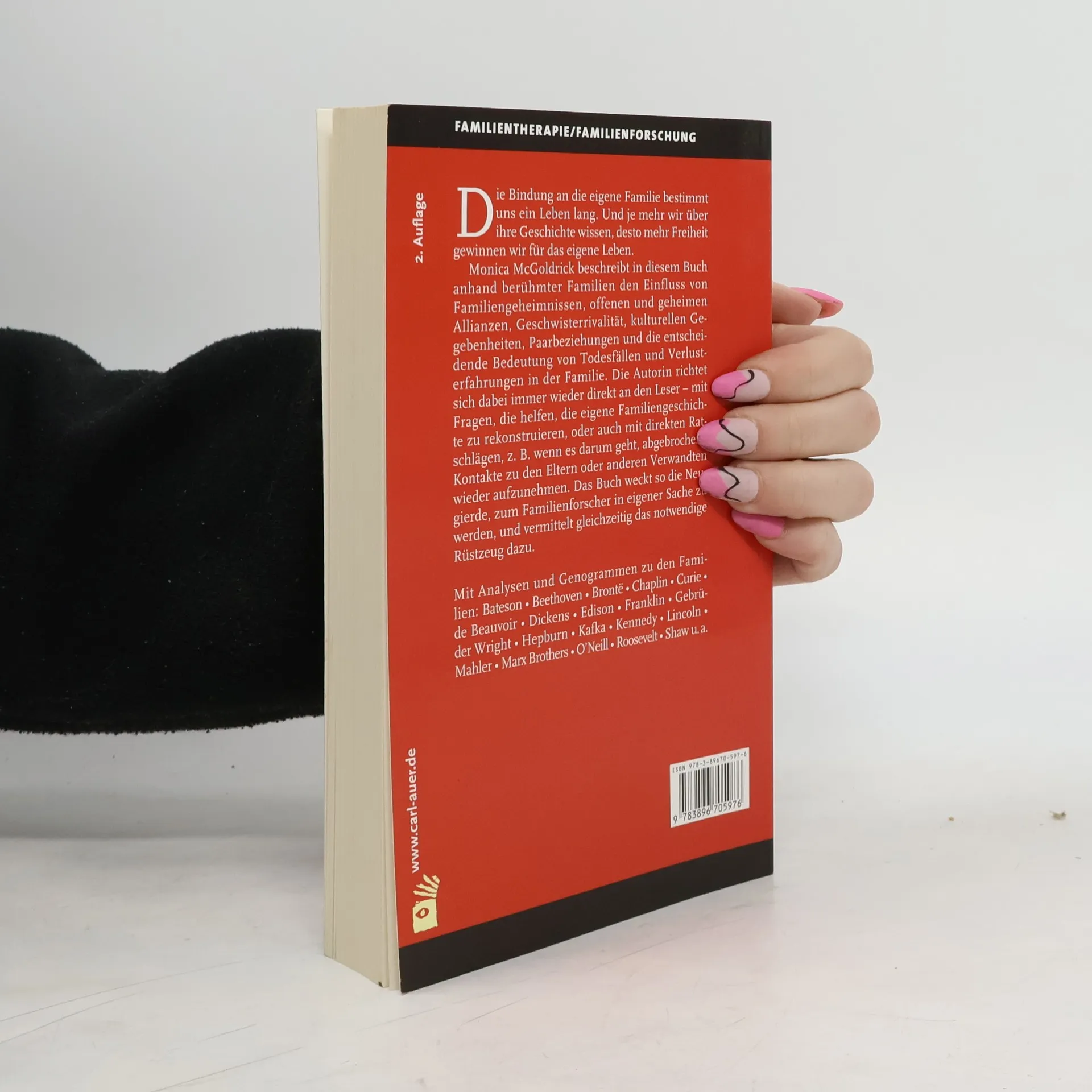
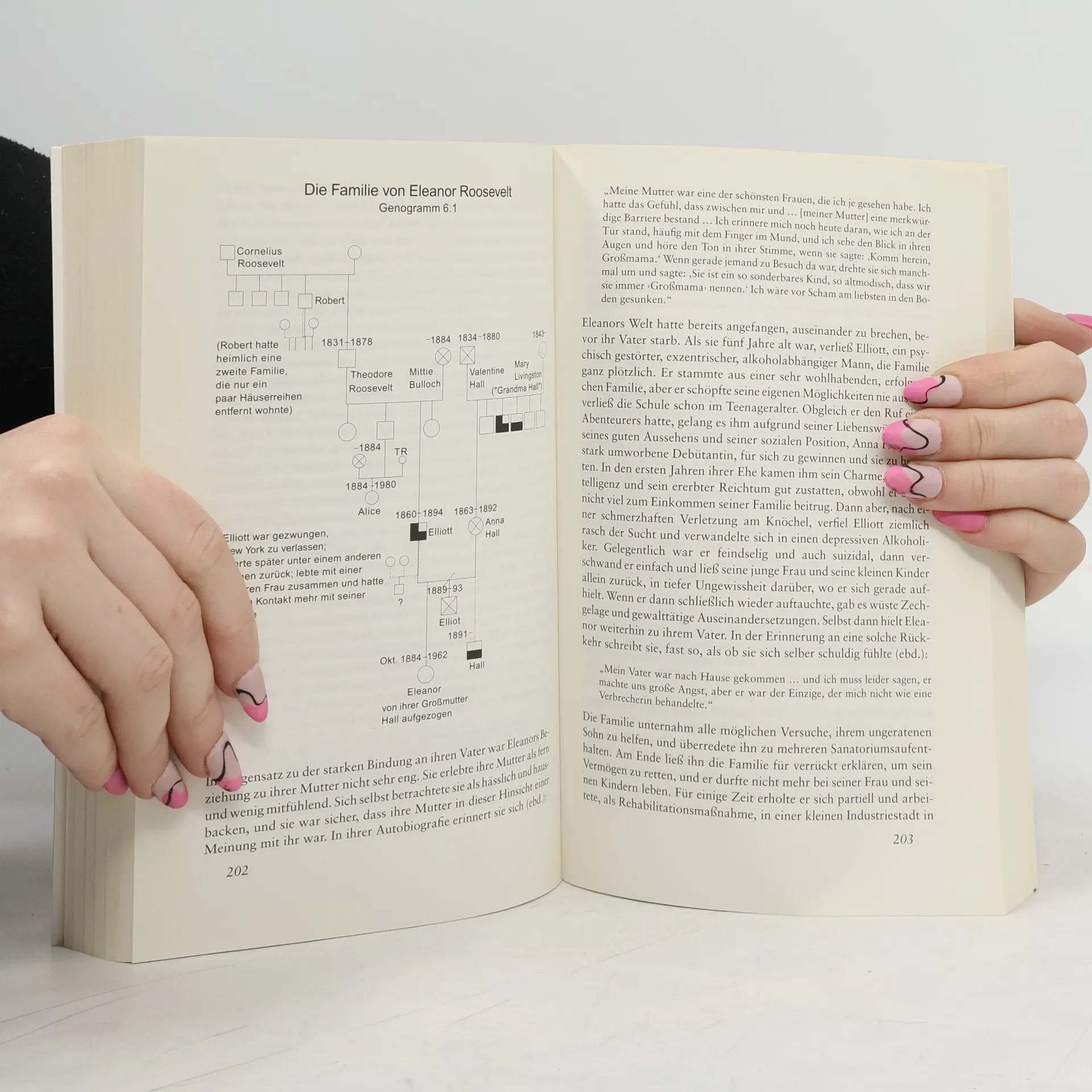
In this revelatory book, esteemed family therapist Monica McGoldrick explores why families behave as they do, using genograms (family trees) to illustrate family patterns. Mapped out over a three-generation span, repeated estrangements, alliances, even divorces and suicides, prove more than coincidental. McGoldrick uses the genograms of famous families - including the Kennedys, Hepburns, Beethovens, and Brontes - to discuss the influence of birth order and sibling rivalry, family myths and secrets, cultural differences, couple relationships, and the pivotal role of loss. Relevant questions to ask appear at the end of each chapter, helping the reader become a researcher, uncovering information previously withheld, misunderstood, or overlooked.

Buchkauf
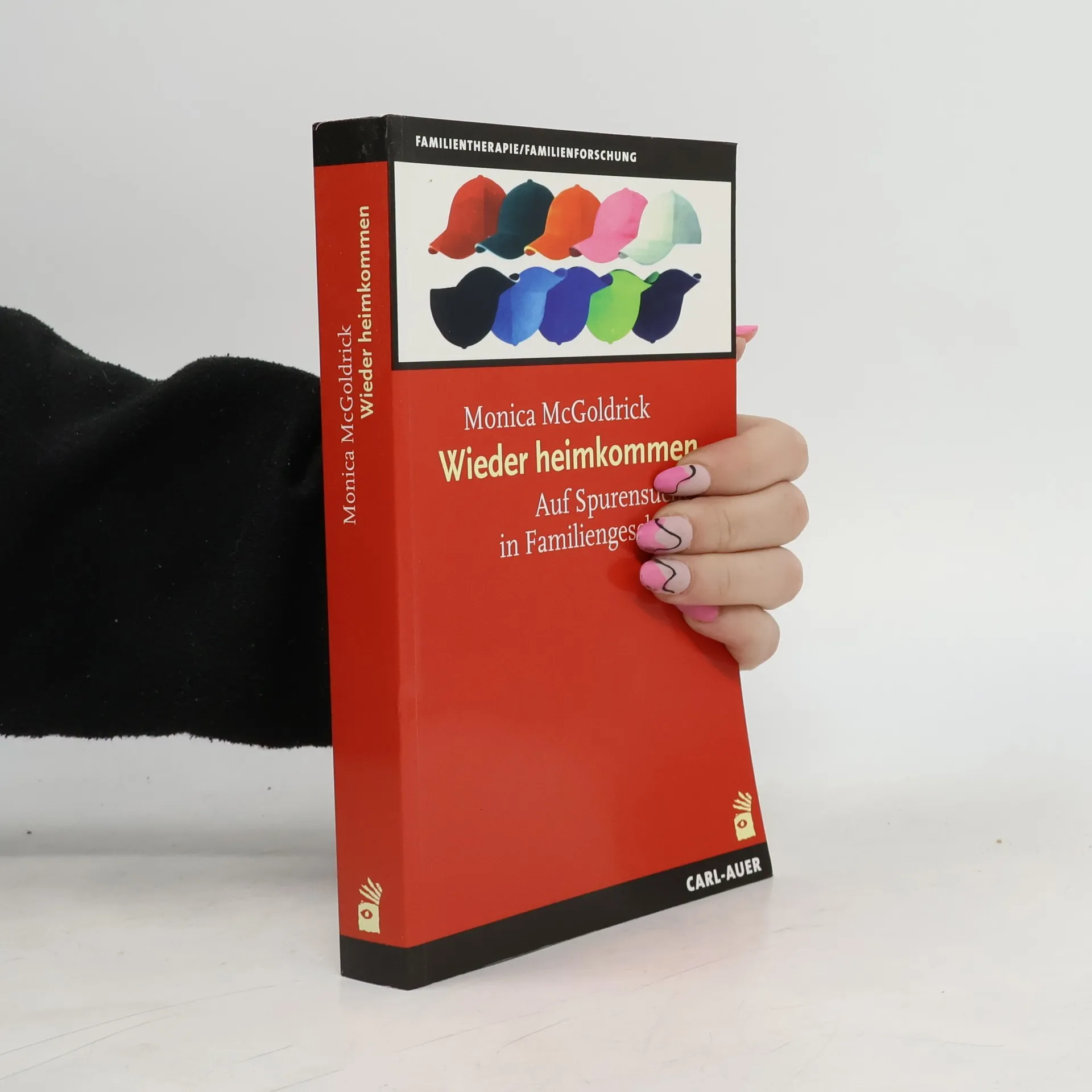
Wieder heimkommen, Monica McGoldrick
- Sprache

- Erscheinungsdatum
- 2007
- Einband
- (Paperback)
Hier könnte deine Bewertung stehen.
- Titel
- Wieder heimkommen
- Untertitel
- Auf Spurensuche in Familiengeschichten
- Sprache
- Englisch
- Autor*innen
- Monica McGoldrick
- Verlag
- Carl Auer
- Erscheinungsdatum
- 2007
- Einband
- Paperback
- Seitenzahl
- 371
- ISBN10
- 3896705970
- ISBN13
- 9783896705976
- Reihe
- Schlagwörter
- Psychologische Thematik, Beziehungen, Schule
- Originaltitel
- You can go home again
- Bewertung
- 3,5 von 5 Sternen
- Beschreibung
- In this revelatory book, esteemed family therapist Monica McGoldrick explores why families behave as they do, using genograms (family trees) to illustrate family patterns. Mapped out over a three-generation span, repeated estrangements, alliances, even divorces and suicides, prove more than coincidental. McGoldrick uses the genograms of famous families - including the Kennedys, Hepburns, Beethovens, and Brontes - to discuss the influence of birth order and sibling rivalry, family myths and secrets, cultural differences, couple relationships, and the pivotal role of loss. Relevant questions to ask appear at the end of each chapter, helping the reader become a researcher, uncovering information previously withheld, misunderstood, or overlooked.