

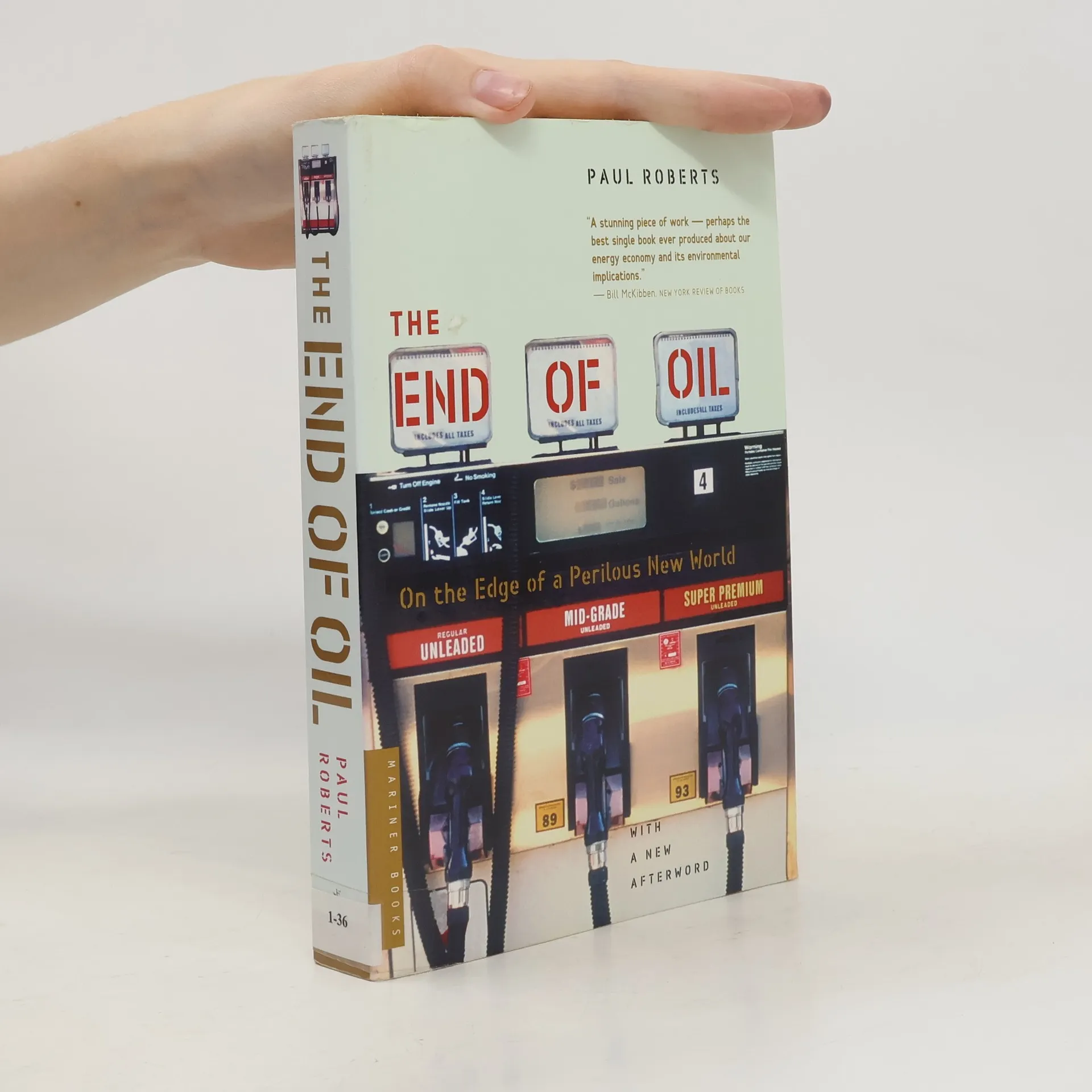

The End of Oil
On the Edge of a Perilous New World - With a New Afterword
Autor*innen
Buchbewertung
Parameter
- 412 Seiten
- 15 Lesestunden
Mehr zum Buch
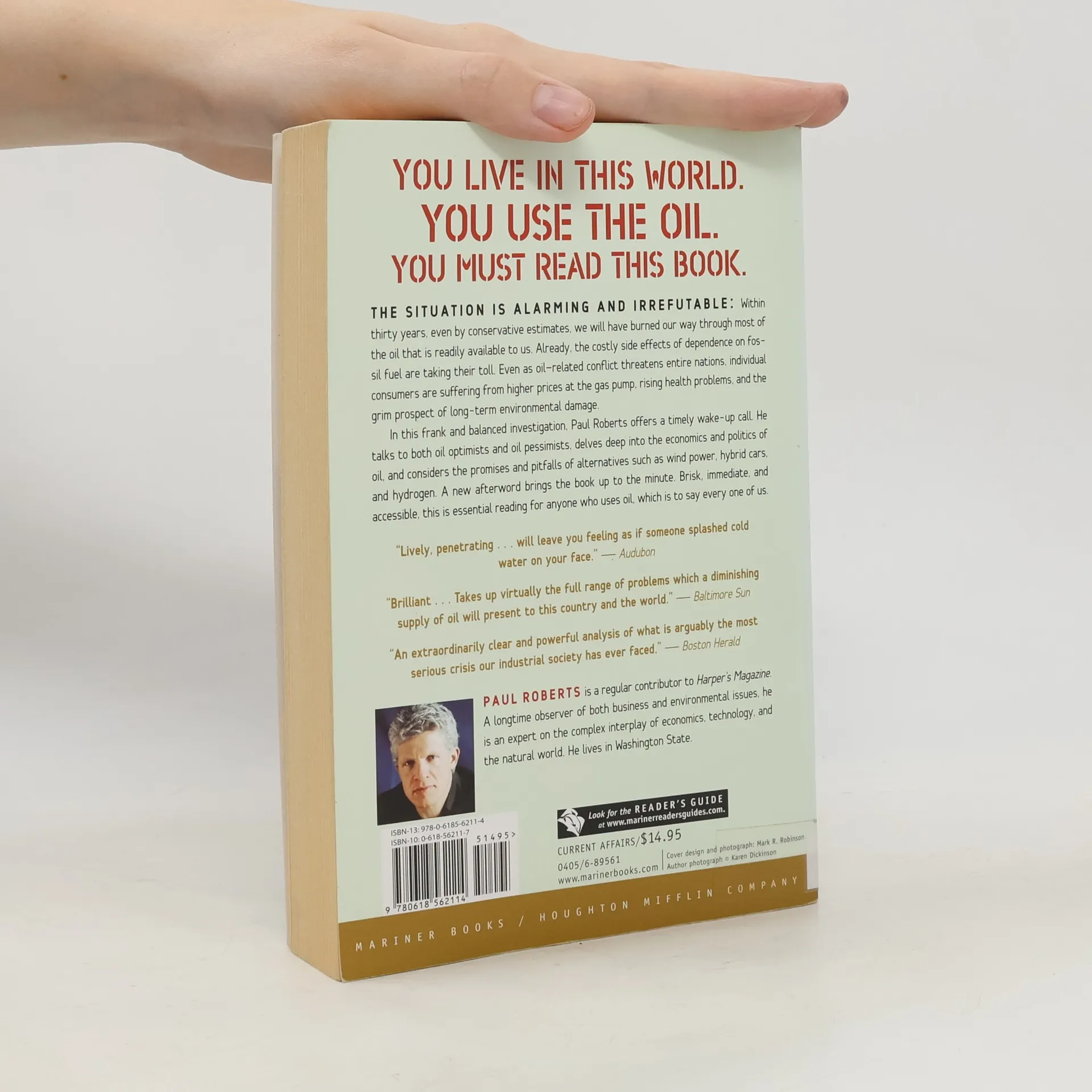
Petroleum is deeply embedded in our economy, politics, and personal lives, making even modest efforts to reduce its use fiercely contested by powerful interests in corporations and governments reliant on oil revenues, developing nations seeking industrial success, and a Western middle class unwilling to change its energy-dependent lifestyle. Within thirty years, we may exhaust most easily accessible oil, and the adverse effects of an oil-based society—economic instability, geopolitical conflict, and climate change—will make fossil fuels increasingly untenable. The pressing questions are how to break our addiction to oil and what alternatives can sustain a global economy and political system reliant on cheap energy. This book offers a comprehensive examination of the global situation, engaging with both oil optimists and pessimists. It explores the economics and politics surrounding oil, evaluates the potential of alternative energy sources, and warns that without proactive measures, we face significant disruption and upheaval during this critical transition in the energy system. Combining the accessibility of popular works with profound analysis, it serves as an essential read for understanding the challenges of the new century.


Buchkauf
The End of Oil, Paul Craig Roberts
- Sprache

- Erscheinungsdatum
- 2005
- Einband
- (Paperback)
Hier könnte deine Bewertung stehen.
- Titel
- The End of Oil
- Untertitel
- On the Edge of a Perilous New World - With a New Afterword
- Sprache
- Englisch
- Autor*innen
- Paul Craig Roberts
- Verlag
- Mariner Books
- Erscheinungsdatum
- 2005
- Einband
- Paperback
- Seitenzahl
- 412
- ISBN10
- 0618562117
- ISBN13
- 9780618562114
- Reihe
- Kategorien
- Schlagwörter
- Historisches Thema, Handel, Politik, Wissenschaft, Ökologische Thematik, Nachhaltigkeit
- Bewertung
- 3,75 von 5 Sternen
- Beschreibung
- Petroleum is deeply embedded in our economy, politics, and personal lives, making even modest efforts to reduce its use fiercely contested by powerful interests in corporations and governments reliant on oil revenues, developing nations seeking industrial success, and a Western middle class unwilling to change its energy-dependent lifestyle. Within thirty years, we may exhaust most easily accessible oil, and the adverse effects of an oil-based society—economic instability, geopolitical conflict, and climate change—will make fossil fuels increasingly untenable. The pressing questions are how to break our addiction to oil and what alternatives can sustain a global economy and political system reliant on cheap energy. This book offers a comprehensive examination of the global situation, engaging with both oil optimists and pessimists. It explores the economics and politics surrounding oil, evaluates the potential of alternative energy sources, and warns that without proactive measures, we face significant disruption and upheaval during this critical transition in the energy system. Combining the accessibility of popular works with profound analysis, it serves as an essential read for understanding the challenges of the new century.