

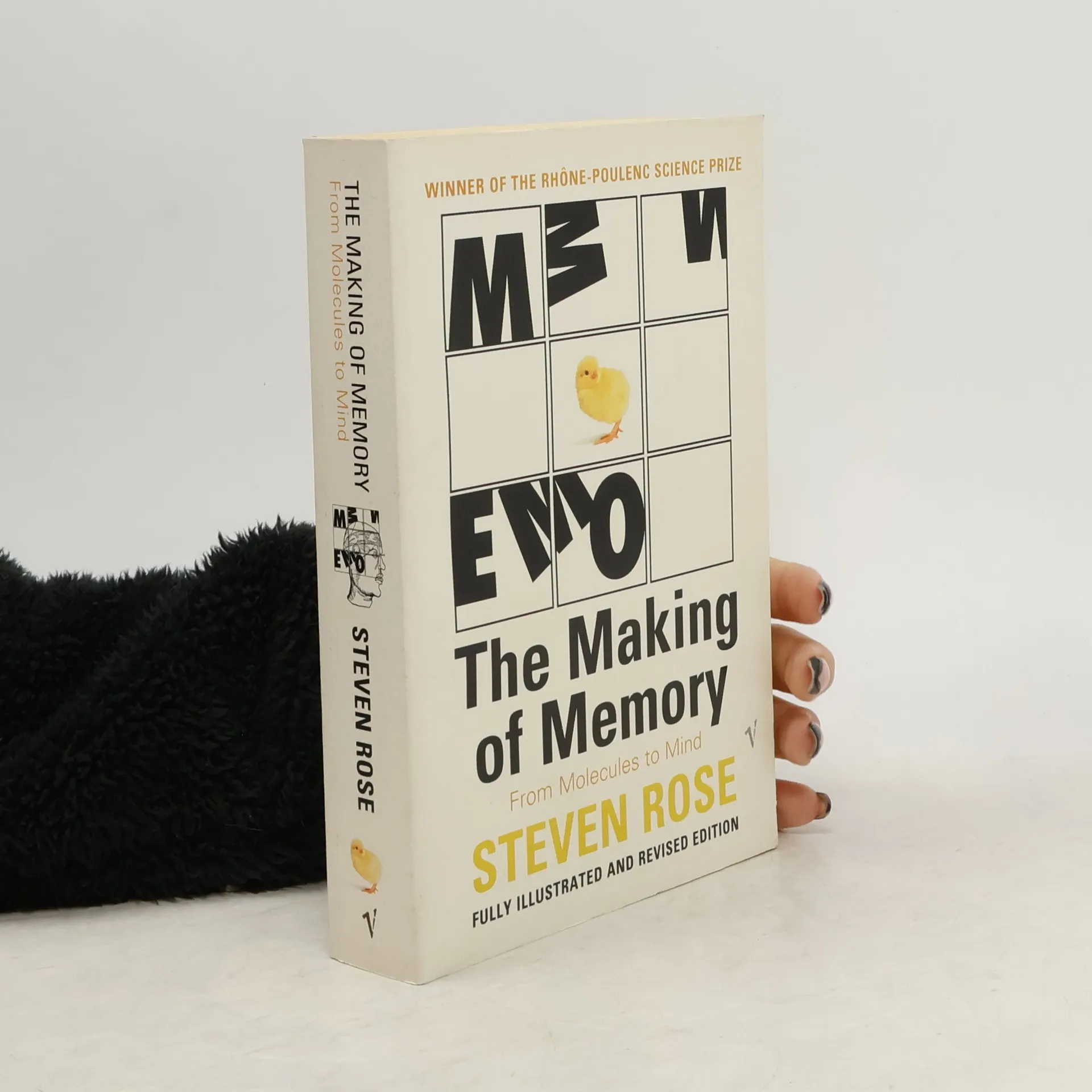
The Making of Memory
From Molecules to Mind - Fully Illustrated and Revised Edition
Autor*innen
Buchbewertung
Parameter
- 400 Seiten
- 14 Lesestunden
Mehr zum Buch
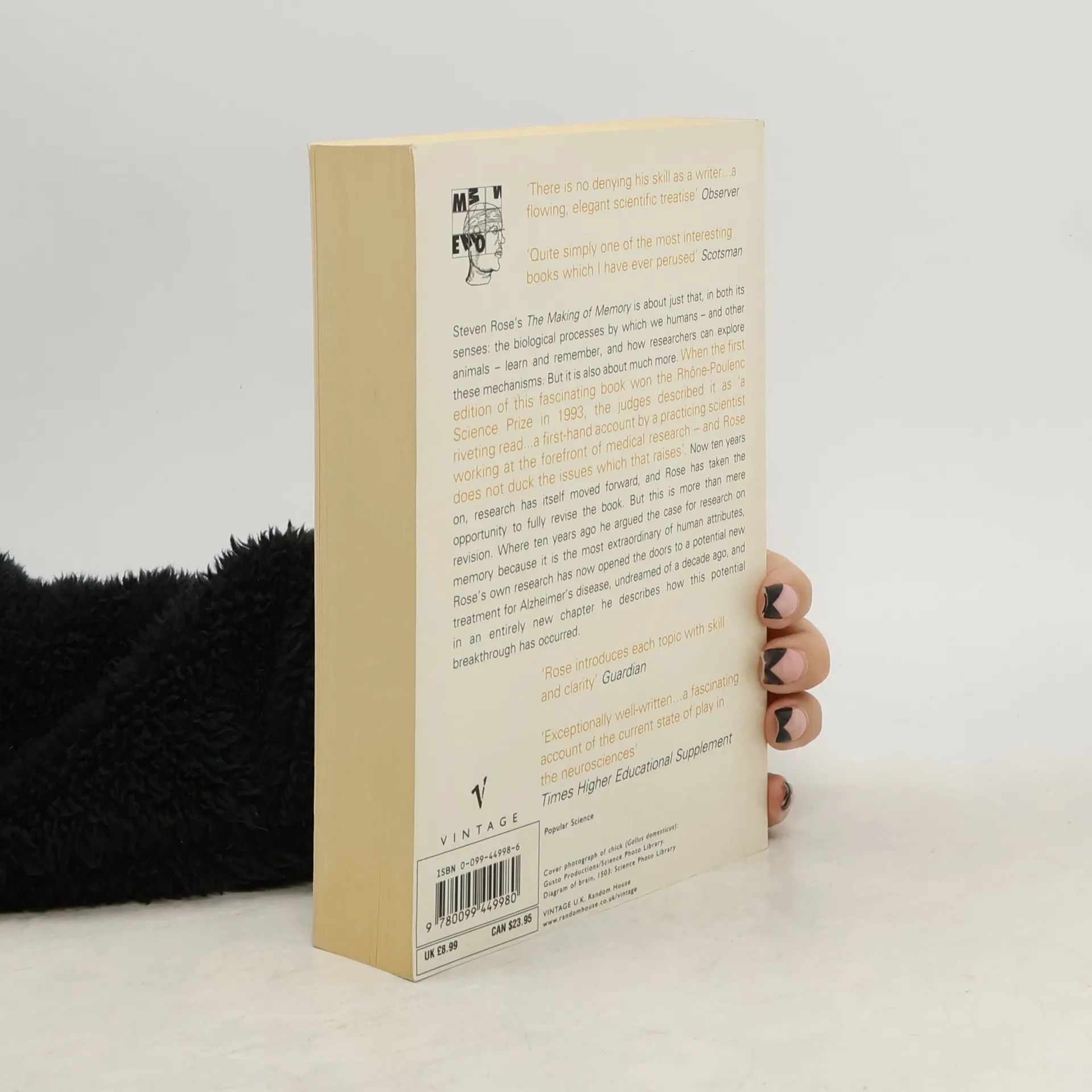
Steven Rose's The Making of Memory is about just that, in both its senses: the biological processes by which we humans - and other animals - learn and remember, and how researchers can explore these mechanisms. But it is also about much more. When the first edition of this fascinating book won the Science book Prize in 1993, the judges described it as 'a riveting read...a first-hand account by a practicing scientist working at the forefront of medical research and Rose does not duck the issues which that raises.' Now ten years on, research has itself moved forward, and Rose has taken the opportunity to fully revise the book. But this is more than mere revision. Where ten years ago he argued the case for research on memory because it is the most extraordinary of human attributes, Rose's own research has now opened the doors to a potential new treatment for Alzheimer's Disease undreamed of a decade ago, and in an entirely new chapter he describes how this potential breakthrough has occurred.


Buchkauf
The Making of Memory, Steven Rose
- Sprache

- Erscheinungsdatum
- 2003
- Einband
- (Paperback)
Hier könnte deine Bewertung stehen.
- Titel
- The Making of Memory
- Untertitel
- From Molecules to Mind - Fully Illustrated and Revised Edition
- Sprache
- Englisch
- Autor*innen
- Steven Rose
- Verlag
- Vintage
- Erscheinungsdatum
- 2003
- Einband
- Paperback
- Seitenzahl
- 400
- ISBN10
- 0099449986
- ISBN13
- 9780099449980
- Reihe
- Kategorien
- Schlagwörter
- Kochbücher, Naturwissenschaften, Psychologische Thematik, Wissenschaft, Essen, Südeuropa, Italien, Neurowissenschaft, Gehirn
- Bewertung
- 3,7 von 5 Sternen
- Beschreibung
- Steven Rose's The Making of Memory is about just that, in both its senses: the biological processes by which we humans - and other animals - learn and remember, and how researchers can explore these mechanisms. But it is also about much more. When the first edition of this fascinating book won the Science book Prize in 1993, the judges described it as 'a riveting read...a first-hand account by a practicing scientist working at the forefront of medical research and Rose does not duck the issues which that raises.' Now ten years on, research has itself moved forward, and Rose has taken the opportunity to fully revise the book. But this is more than mere revision. Where ten years ago he argued the case for research on memory because it is the most extraordinary of human attributes, Rose's own research has now opened the doors to a potential new treatment for Alzheimer's Disease undreamed of a decade ago, and in an entirely new chapter he describes how this potential breakthrough has occurred.