


Mehr zum Buch
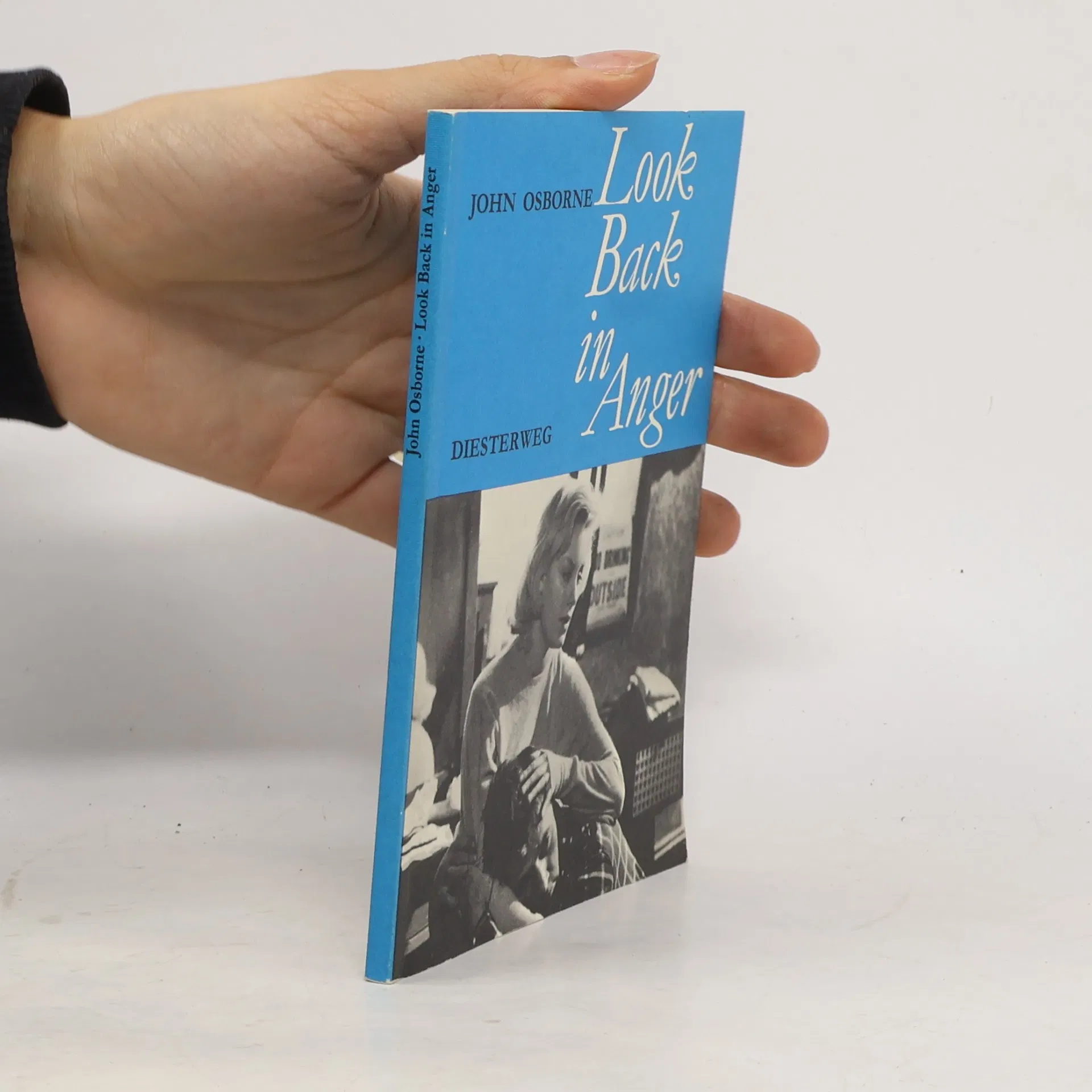
s/t: A Play in Three Acts Jimmy Porter plays trumpet badly. He browbeats his flatmate, terrorizes his wife, and is not above sleeping with her best friend-who loathes Jimmy almost as much as he loathes himself. Yet this working-class Hamlet, the original Angry Young Man, is one of the most mesmerizing characters ever to burst onto a stage, a malevolently vital, volcanically articulate internal exile in the dreary, dreaming Siberia of postwar England. First produced in 1956, Look Back in Anger launched a revolution in the English theater. Savagely, sadly, and always impolitely, it compels readers and audiences to acknowledge the hidden currents of rottenness and rage in what used to be called "the good life."


Buchkauf
Look Back in Anger, John Osborne
- Sprache

- Erscheinungsdatum
- 2016
- Einband
- (Paperback),
- Buchzustand
- Beschädigt
- Preis
- € 5,69
Hier könnte deine Bewertung stehen.
- Titel
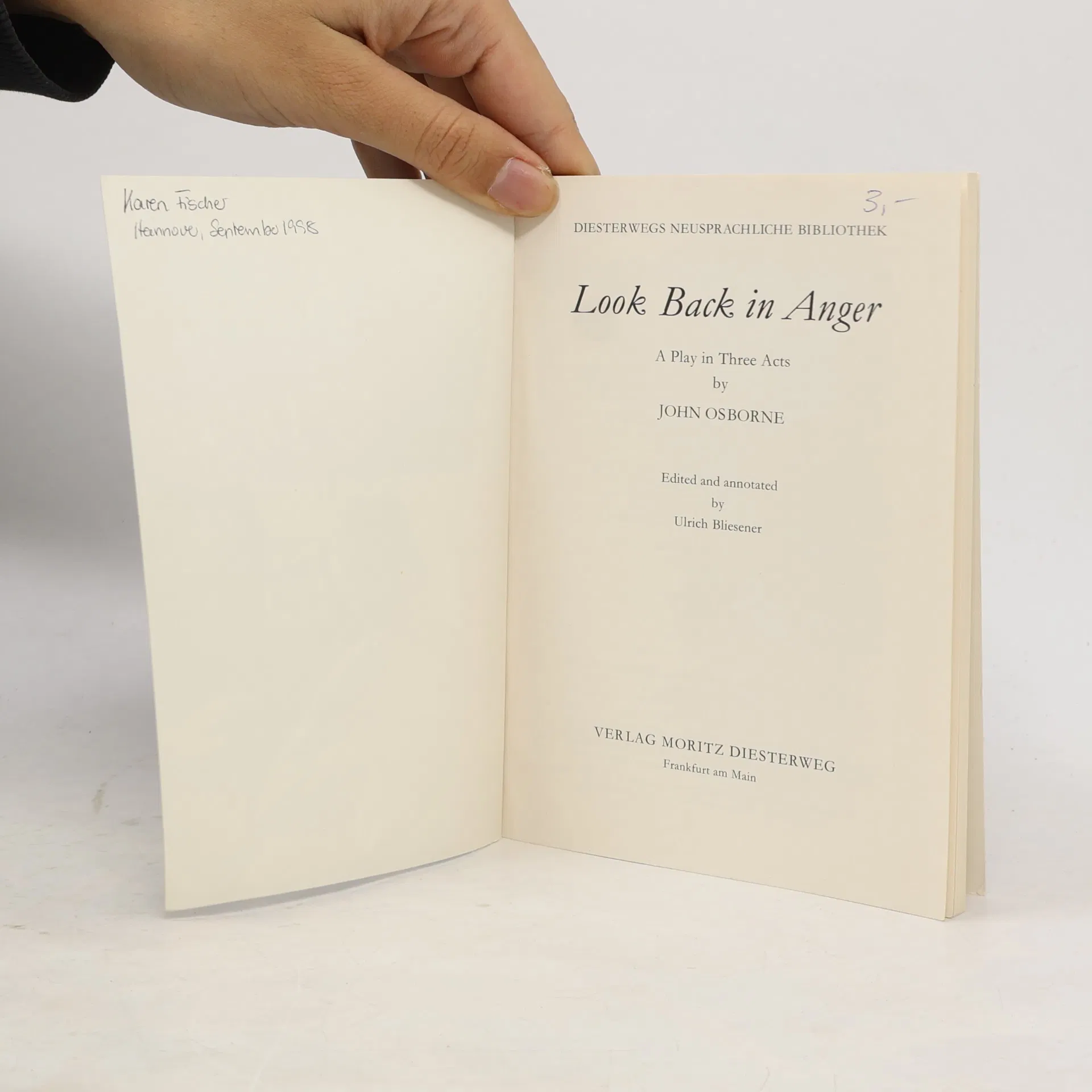
- Look Back in Anger
- Untertitel
- A play in three acts
- Sprache
- Englisch
- Autor*innen
- John Osborne
- Verlag
- Diesterweg
- Erscheinungsdatum
- 2016
- Einband
- Paperback
- Seitenzahl
- 105
- ISBN10
- 3425041495
- ISBN13
- 9783425041490
- Reihe
- Kategorien
- Schlagwörter
- Liebe, Schule, Britische Literatur, England, Theaterstücke, Englische Literatur, Verfilmt, Schwangerschaft, Eifersucht, 50er Jahre des 20. Jahrhunderts, Wut, Rebellion, Aufstand
- Bewertung
- 3,55 von 5 Sternen
- Beschreibung
- s/t: A Play in Three Acts Jimmy Porter plays trumpet badly. He browbeats his flatmate, terrorizes his wife, and is not above sleeping with her best friend-who loathes Jimmy almost as much as he loathes himself. Yet this working-class Hamlet, the original Angry Young Man, is one of the most mesmerizing characters ever to burst onto a stage, a malevolently vital, volcanically articulate internal exile in the dreary, dreaming Siberia of postwar England. First produced in 1956, Look Back in Anger launched a revolution in the English theater. Savagely, sadly, and always impolitely, it compels readers and audiences to acknowledge the hidden currents of rottenness and rage in what used to be called "the good life."