




Parameter
Mehr zum Buch
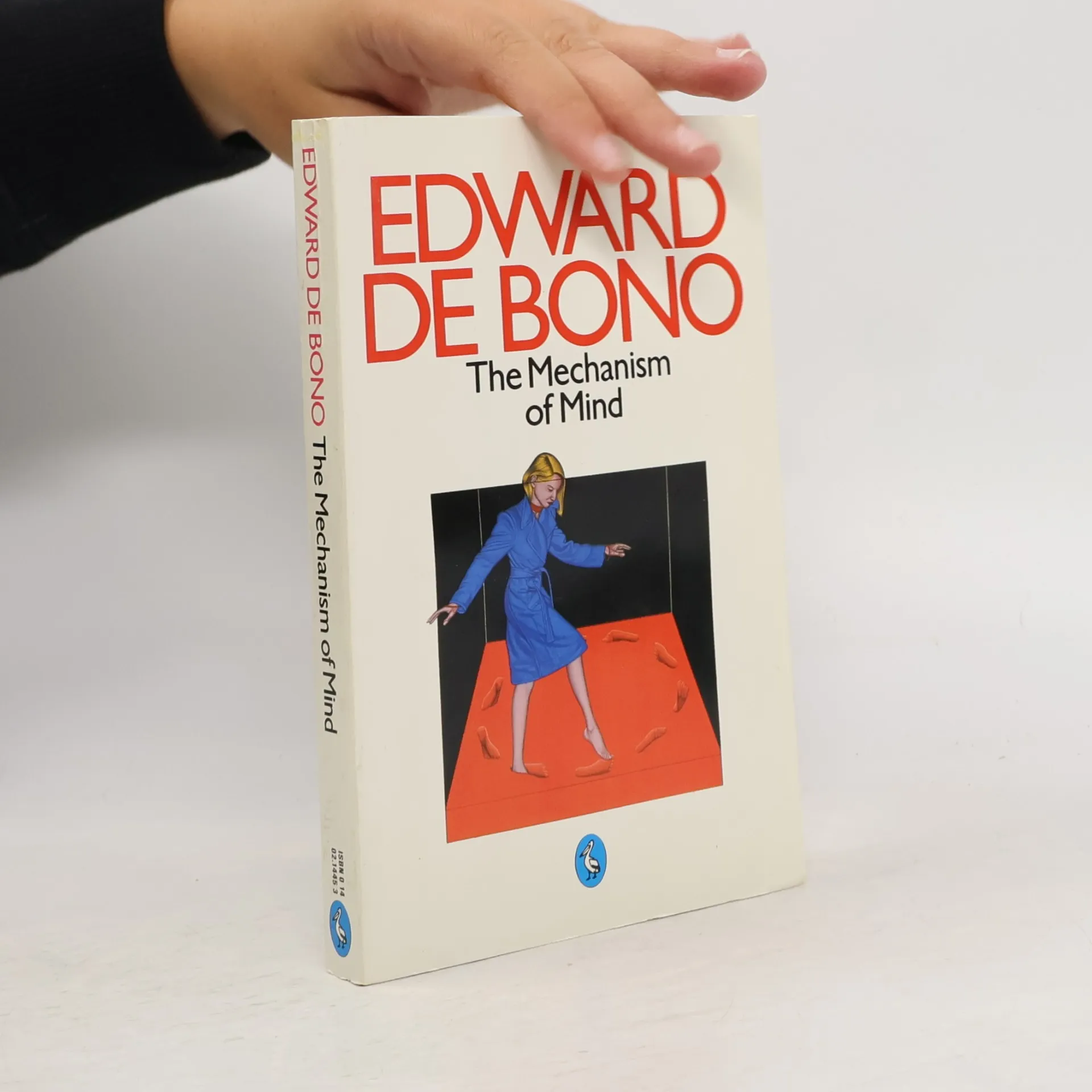
This book presents Edward de Bono's original theories on how the brain functions, processes information and organises it. It explains why the brain, the 'mechanism', can only work in certain ways and introduces the four basic types of thinking that have gone on to inform his life's work, namely natural thinking, logical thinking, mathematical thinking and lateral thinking. De Bono also outlines his argument for introducing the word PO as an alternative to the word NO when putting lateral thinking into practice. Drawing on colourful visual imagery to help explain his theories and thought-processes, from light bulbs and sugar cubes to photography and water erosion, The Mechanism of Mind remains as fascinating and as insightful as it was when it was first published in 1969. This is a must-read for anyone who wants to gain a greater understanding of how the mind works and organises information and how Edward de Bono came to develop his creative thinking tools




Buchkauf
The Mechanism of Mind, Edward de Bono
- Sprache

- Erscheinungsdatum
- 1985
- Einband
- (Paperback)
Hier könnte deine Bewertung stehen.
- Titel
- The Mechanism of Mind
- Sprache
- Englisch
- Autor*innen
- Edward de Bono
- Verlag
- Pelican
- Erscheinungsdatum
- 1985
- Einband
- Paperback
- Reihe
- Schlagwörter
- Psychologische Thematik, Philosophisches Thema, Wissenschaft
- Bewertung
- 4 von 5 Sternen
- Beschreibung
- This book presents Edward de Bono's original theories on how the brain functions, processes information and organises it. It explains why the brain, the 'mechanism', can only work in certain ways and introduces the four basic types of thinking that have gone on to inform his life's work, namely natural thinking, logical thinking, mathematical thinking and lateral thinking. De Bono also outlines his argument for introducing the word PO as an alternative to the word NO when putting lateral thinking into practice. Drawing on colourful visual imagery to help explain his theories and thought-processes, from light bulbs and sugar cubes to photography and water erosion, The Mechanism of Mind remains as fascinating and as insightful as it was when it was first published in 1969. This is a must-read for anyone who wants to gain a greater understanding of how the mind works and organises information and how Edward de Bono came to develop his creative thinking tools